Psychosurgery: The Dark Legacy of the Frontal Lobotomy
Scientifically Reviewed · Dr. Marwa Abd-Alazim · September 9, 2026
Review Criteria & Clinical Standards
This content undergoes rigorous scientific peer-review and medical editorial standards at Arab Psychology Network to ensure clinical accuracy, validity, and compliance with evidence-based guidelines from leading psychological and healthcare authorities (APA / WHO).
Definition and Nomenclature
The frontal lobotomy is a historical and controversial surgical procedure, a form of psychosurgery, wherein the nerve fibers connecting the frontal lobe to the rest of the brain are intentionally severed. This operation was designed to disrupt the neural pathways believed to carry distressing emotional and cognitive signals, often resulting in a profound alteration of the patient’s personality and emotional landscape. Formally, the procedure involves making strategic cuts into the white matter of the brain, specifically targeting the connections between the prefrontal cortex and subcortical structures such as the thalamus and hypothalamus. In its original definition and practice, the procedure often necessitated the removal of a small portion of the frontal lobe tissue, although the primary goal was the severing of connections rather than excision of mass.
The term lobotomy is frequently used interchangeably with leucotomy (or leukotomy), which literally translates from Greek as “cutting white [matter].” The Portuguese neurologist Egas Moniz, who pioneered the technique, originally referred to the operation as a prefrontal leucotomy, highlighting the specific area of the brain targeted—the prefrontal cortex. While the term “lobotomy” became the widely accepted colloquial and medical nomenclature, especially in the United States under the promotion of figures like Walter Freeman, both terms refer to the same fundamental intervention: the irreversible physical destruction of neural connectivity intended to treat severe mental illness.
It is crucial to understand that the lobotomy represents an extreme form of intervention, fundamentally distinct from modern, highly targeted neurological surgeries. The procedure was characterized by its destructive nature, aiming to mute the patient’s severe symptoms by functionally disabling a critical part of the brain responsible for executive function, planning, personality, and complex emotional regulation. This radical approach was borne out of a period in psychiatric history when effective pharmacological treatments were nonexistent, leading physicians to employ drastic physical means to manage patients suffering from chronic, debilitating psychiatric disorders.
Historical Context and Origin
The concept of intervening surgically in the brain to alter behavior gained traction in the late 19th and early 20th centuries, fueled by studies suggesting that localized brain damage could affect temperament. A key precursor to the lobotomy was the work presented at the 1935 International Congress of Neurology in London, where researchers, including American neuroscientist Carlyle F. Jacobsen, described experiments involving two chimpanzees. When the chimps, named Becky and Lucy, displayed neurotic behaviors after complex problem-solving tasks, researchers surgically removed large parts of their frontal lobes. Post-operatively, the animals became calmer and less distressed by their failed tasks, leading to the conclusion that the frontal lobes were the seat of emotional tension.
Inspired by these findings, Portuguese neurologist Egas Moniz hypothesized that similar psychosurgical intervention could alleviate human suffering caused by intractable mental disorders. Moniz operated under the theory that certain mental illnesses, such as schizophrenia, were caused by fixed, aberrant neural circuits or patterns of thought. His proposed solution was to surgically interrupt these fixed circuits. Collaborating with neurosurgeon Almeida Lima, Moniz performed the first human leucotomy in November 1935. This initial operation involved drilling holes into the patient’s skull and injecting alcohol to destroy specific areas of the frontal lobe white matter, a method soon refined to use a specialized cutting instrument known as a leucotome.
The initial results, though often poorly documented and lacking rigorous follow-up, were reported by Moniz as successful in reducing anxiety and agitation in patients suffering from conditions then classified as melancholia, anxiety, and schizophrenia. The perceived success of these early procedures led to the rapid international adoption of the technique, particularly in the United States. Despite considerable controversy regarding the ethical basis and long-term efficacy of the surgery, Moniz was awarded the Nobel Prize in Physiology or Medicine in 1949 for his development of the prefrontal leucotomy, an honor that remains one of the most disputed awards in the history of medicine and subsequently amplified the procedure’s global recognition.
The Standard Prefrontal Lobotomy Procedure
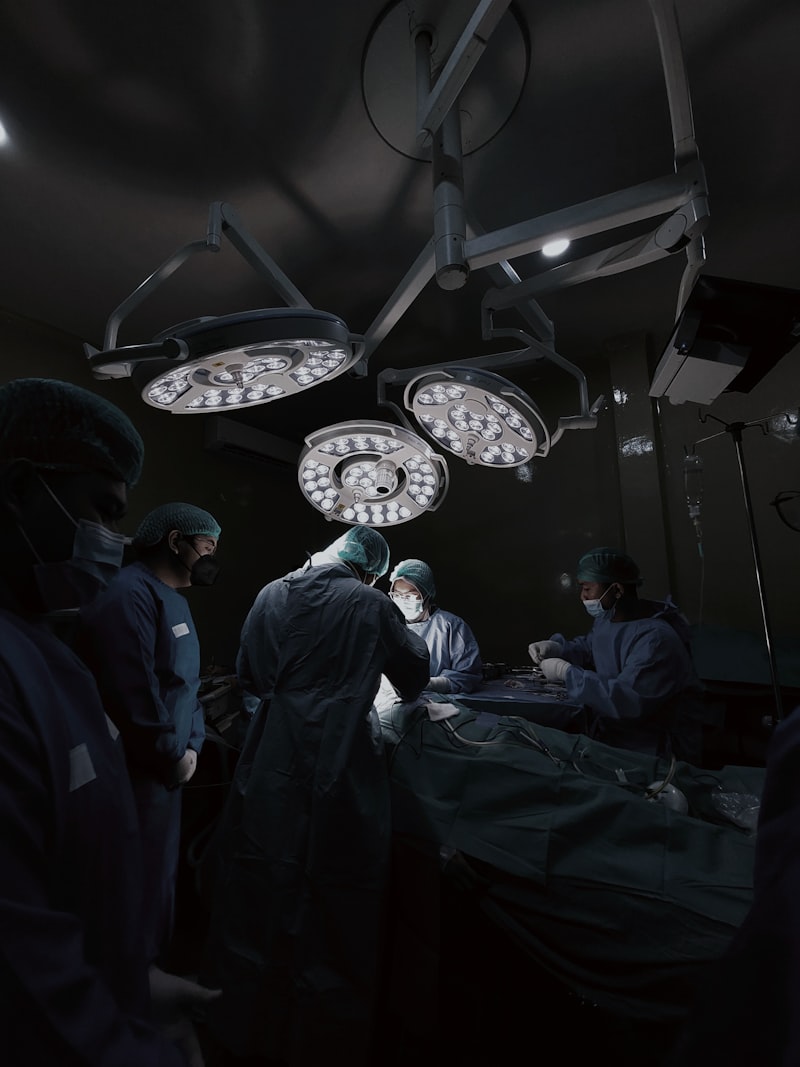
The original leucotomy technique developed by Moniz and Lima was known as the prefrontal lobotomy. This procedure required significant neurosurgical skill and involved accessing the brain through the top or sides of the skull. The patient would typically undergo a craniotomy, where burr holes were drilled through the skull, usually bilaterally near the temples or high on the forehead. Through these openings, the neurosurgeon would insert the leucotome—a slender instrument with a retractable wire loop or blade—deep into the frontal lobe white matter.
Once the instrument was positioned, guided by external landmarks and sometimes rudimentary imaging, the wire loop would be extended or the blade deployed. The surgeon would then rotate the instrument, cutting a core of tissue and severing the critical connecting fibers between the frontal cortex and the thalamus. The rationale for targeting the thalamic connections stemmed from the belief that the thalamus acted as a relay station for emotional input to the cortex. By interrupting this pathway, the emotional component of the patient’s distress—such as overwhelming anxiety or persistent delusions—was theoretically decoupled from the cognitive processing in the frontal lobe, leading to emotional blunting and symptom reduction.
This procedure was invasive, carried significant risks of hemorrhage, infection, and death, and often required general anesthesia. While the goal was highly specific fiber severance, the reality of the operation often resulted in imprecise destruction of neural tissue. The procedure required specialized operating rooms and experienced surgical teams, making it a resource-intensive intervention. Despite its inherent dangers and lack of precision, the prefrontal approach became the standard for many years, primarily serving institutionalized patients who were deemed refractory to all other forms of psychiatric treatment.
The Transorbital Lobotomy: Walter Freeman’s Modification
The complexity and cost of the standard prefrontal lobotomy led to the development of a drastically different, quicker, and less surgically demanding technique championed by American neurologist Walter Freeman. Freeman, who had initially collaborated with neurosurgeon James Watts to popularize Moniz’s technique in the US, later developed the transorbital lobotomy, also known as the ice pick lobotomy, in 1946. This modification eliminated the need for drilling into the skull and specialized surgical settings, transforming the procedure from a delicate neurosurgical operation into a simple, rapid intervention that could be performed in mere minutes.
The transorbital method involved lifting the upper eyelid and inserting a thin, sharp instrument, called an orbitoclast (often likened to a household ice pick), through the thin bone of the eye socket (the orbital plate) and into the brain. The instrument was hammered into place using a mallet. Once inside the skull, the surgeon, typically Freeman himself, would sweep the orbitoclast back and forth, severing the nerve fibers in the lower and medial frontal lobes. The procedure was often performed under electroshock-induced anesthesia, where the electrical current provided temporary unconsciousness, allowing the surgeon to proceed rapidly.
Freeman was an ardent and charismatic proponent of the lobotomy, performing and promoting the transorbital technique with zeal. He travelled across the United States in a “lobotomobile,” performing thousands of procedures in various hospitals and institutions. The transorbital approach dramatically lowered the technical barrier to performing the surgery, leading to a massive increase in the number of lobotomies conducted, particularly during the late 1940s and early 1950s. Freeman alone performed an estimated 3,500 lobotomies during his career.
While this modification made the procedure accessible, it also increased its crudeness and unpredictability. The lack of direct visualization or precise targeting meant that the extent of brain damage was highly variable and often severe. Critics contended that the ease of the procedure led to its overuse on patients who might have benefited from less radical treatments, cementing the lobotomy’s negative reputation as a procedure that prioritized institutional convenience over patient well-being, often resulting in tragic and permanent impairment.
Intended Effects and Clinical Application
The primary clinical motivation for performing a frontal lobotomy was to treat patients suffering from debilitating psychiatric symptoms that were unresponsive to conventional therapies of the time, such as hydrotherapy, talk therapy, or institutionalization. The typical targets were patients diagnosed with severe chronic schizophrenia, intractable obsessive-compulsive disorder (OCD), severe melancholia (depression), and chronic anxiety states. These patients were often highly agitated, aggressive, delusional, or paralyzed by crippling emotional distress.
The intended effect of the procedure was not a cure for the underlying illness, but rather a reduction in the affective (emotional) component of the symptoms. Proponents hoped to reduce the intensity of the patient’s suffering and agitation, making them less troubled by their delusions or compulsions. If a patient was violently agitated or severely withdrawn, a successful lobotomy, in the eyes of the practitioners, would transform them into a calmer, more manageable individual, often referred to as “tractable.”
In some cases, particularly concerning severe depression or anxiety, patients did report a subjective relief from intense emotional pain immediately following the surgery. However, this relief came at a catastrophic cost. The definition of “success” was often measured by the patient’s compliance and reduced need for institutional staff attention, rather than a return to functional, independent life. The procedure essentially traded emotional suffering for emotional indifference, producing a state of profound apathy.
Long-Term Side Effects and Outcomes
While the lobotomy often succeeded in reducing the intensity of severe emotional distress, it universally resulted in a cluster of severe and irreversible side effects known collectively as the lobotomy syndrome. Since the frontal lobes are central to complex cognitive function, personality, and social behavior, damage to this area resulted in devastating long-term outcomes for thousands of individuals.
The most common and pervasive side effect was severe emotional blunting or apathy. Patients often exhibited a marked lack of foresight, initiative, and responsibility. They might show poor judgment, struggle with abstract thought, and lose the ability to plan for the future. This condition resulted in profound passivity, making many patients unable to live independently or return to productive work. They often became dependent on institutional care or constant supervision, even if their initial psychiatric symptoms were muted.
Other severe outcomes included intellectual decline, seizures, chronic headaches, weight gain, and inappropriate social behavior (disinhibition). The most tragic examples highlight the destructive nature of the procedure, such as the case of Rosemary Kennedy, sister of President John F. Kennedy, who underwent a lobotomy at the age of 23 and was left permanently incapacitated, requiring lifelong institutional care. Furthermore, the mortality rate associated with the procedure, particularly the more invasive prefrontal method, was significant, estimated to be between 1% and 6% due to complications like hemorrhage or infection.
Ethical Concerns and Controversy
From its inception, the frontal lobotomy was steeped in profound ethical controversy. The core concern revolved around informed consent and the irreversible nature of the intervention. Given that many recipients were long-term institutionalized psychiatric patients who were often legally incompetent or severely psychotic, the true ability of these individuals to consent to a procedure that fundamentally altered their personality was highly questionable. The pressure on families and institutions to manage difficult patients often superseded the patient’s right to bodily integrity.
The radical change in personality—the conversion of complex human beings into docile, apathetic shells—raised fundamental questions about the value of life when stripped of its intellectual and emotional depth. Critics argued that the lobotomy was a convenient tool for institutional control rather than a therapeutic measure. Furthermore, the surgery was sometimes utilized on patients who were deemed socially undesirable or difficult, including those suffering from chronic pain or behavioral issues, expanding its application beyond severe psychosis.
The controversy intensified after Moniz received the Nobel Prize, leading to widespread debate in medical journals and the public sphere. While some celebrated the procedure as a miracle cure for previously untreatable conditions, others, including many European medical professionals, condemned it as barbaric mutilation. These ethical breaches and the increasingly evident devastating side effects laid the groundwork for the procedure’s eventual abandonment.
Decline and Modern Perspective
The widespread use of the frontal lobotomy began a sharp decline in the mid-1950s, primarily due to two interrelated factors: the increasing recognition of its devastating side effects and the introduction of effective psychopharmacology. The development of the first successful antipsychotic medication, chlorpromazine (Thorazine), around 1954, provided physicians with a non-destructive method for managing psychosis and agitation. These new drugs, while not without their own side effects, offered symptomatic relief without the irreversible personality destruction inherent in the lobotomy.
As pharmaceutical treatments became standard, public and medical opinion turned decisively against the lobotomy. The Soviet Union banned the practice in 1950 on ethical grounds, declaring it contrary to the principles of humanity. Most Western nations gradually phased it out during the late 1950s and 1960s. Today, the practice of frontal lobotomy is universally condemned by the medical community and is regarded as a dark chapter in the history of psychiatry and neurosurgery, serving as a cautionary tale regarding the danger of destructive, irreversible interventions performed without adequate understanding of neuroanatomy and long-term consequences.
While the classic lobotomy is obsolete, highly refined and minimally invasive forms of psychosurgery still exist under strict ethical and governmental regulation. These modern procedures, such as anterior capsulotomy or cingulotomy, use targeted ablations or highly precise electrical stimulation (Deep Brain Stimulation) to treat a very small cohort of patients with extremely severe, debilitating, and treatment-resistant conditions, such as refractory OCD or major depression. These modern techniques bear little resemblance to the crude and expansive destruction characteristic of the 20th-century frontal lobotomy.