Strategic Pausing: The Cognitive Power of the Intentional Break
Scientifically Reviewed · Dr. Marwa Abd-Alazim · September 23, 2026
Review Criteria & Clinical Standards
This content undergoes rigorous scientific peer-review and medical editorial standards at Arab Psychology Network to ensure clinical accuracy, validity, and compliance with evidence-based guidelines from leading psychological and healthcare authorities (APA / WHO).
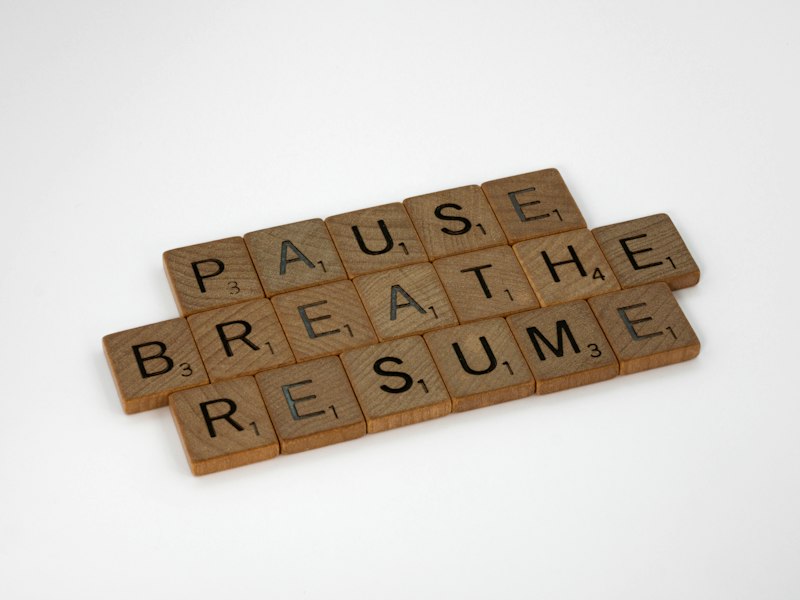
The Conceptual Foundations of Intermission in Performance Psychology
In the expansive landscape of performance arts and media studies, the term intermission refers to a planned cessation of activity within a scheduled performance, such as a feature film, a theatrical play, or a televised broadcast. Historically, the intermission has functioned as a structural necessity, allowing for physical transitions in live performance settings, yet its psychological implications extend far beyond mere logistics. By definition, an intermission represents a strategic interruption in the narrative or performative flow, providing a temporal space where the audience can transition from a state of passive reception to one of active processing. This pause is not merely a void in action but a critical component of the overall experience, designed to facilitate a cognitive reset for the viewer or listener.
The formal study of intermissions has gained significant traction in recent years as researchers seek to understand how these breaks influence the psychological engagement of an audience. While once viewed as a remnant of the technical limitations of film reels or stage management, contemporary scholarship suggests that the intermission is a vital tool for managing attentional resources. Within the modern entertainment industry, the placement and duration of these breaks are often calculated to maximize audience satisfaction and maintain high levels of interest throughout lengthy productions. By examining the intermission through a psychological lens, we gain insight into the ways in which human attention is sustained and refreshed during complex narrative experiences.
Furthermore, the intermission serves as a bridge between the internal world of the performance and the external world of the viewer. It allows for a momentary return to reality, which paradoxically can deepen the subsequent immersion when the performance resumes. This dialectical relationship between engagement and detachment is central to the effectiveness of the intermission. As this review explores, the intermission is a multi-faceted phenomenon that impacts audience engagement, educational outcomes, and the economic viability of the arts. The literature increasingly points toward the necessity of these breaks in contemporary entertainment, viewing them as essential for the prevention of cognitive fatigue and the enhancement of the overall aesthetic experience.
Ultimately, the role of the intermission is defined by its ability to serve multiple stakeholders simultaneously, from the performers and directors to the audience and the venue management. In a psychological context, it functions as a period of consolidation, where the information presented in the first half of a performance can be integrated into the viewer’s mental schema. This review will synthesize recent research to provide a comprehensive understanding of why the intermission remains a cornerstone of the entertainment experience. Through an analysis of purpose, engagement, and industrial impact, we will see how the intermission continues to evolve alongside changing consumer habits and technological advancements.
The Psychological and Functional Purposes of Intermission
The primary purpose of an intermission is often understood as a functional requirement, yet its psychological utility is equally profound. On a fundamental level, the break provides a much-needed respite from sustained attention, allowing audience members to physically and mentally recover from the demands of a complex performance. Researchers such as Cohn (2016) and Lee (2019) have highlighted that this break in action allows the audience to take a breather, which is essential for maintaining focus during the latter portions of a show. Without this scheduled pause, the risk of attentional decay increases, potentially leading to a decline in the audience’s ability to follow the plot or appreciate the nuances of the performance.
Beyond physical and mental restoration, the intermission serves a critical social purpose by fostering discussion among audience members. During this time, the performance pauses, and the audience is granted the opportunity to share their initial impressions, theories, and emotional responses with one another. This social interaction acts as a mechanism for collective sense-making, where individuals can validate their understanding of the performance through dialogue. By facilitating these conversations, the intermission helps to build a communal atmosphere, transforming the individual viewing experience into a shared social event that can enhance the overall enjoyment of the evening.
From an economic perspective, the intermission is a strategic asset for venues and production companies. It provides a designated window for the purchase of concessions and merchandise, which is a significant revenue stream for theaters and cinemas. Cohn (2016) notes that the intermission serves an economic purpose by encouraging audience members to engage with the venue’s amenities, thereby increasing the total expenditure per patron. This financial aspect is not merely a byproduct but a deliberate design element of the modern entertainment industry, ensuring that the economic viability of the arts is supported by the audience’s need for refreshments and souvenirs during the break.
Finally, the intermission is used as a psychological tool to build anticipation and excitement for the second half of the performance. By concluding the first act on a high note or a narrative “cliffhanger,” creators can utilize the break to heighten the audience’s curiosity. Lee (2019) argues that this increase in anticipation can actually lead to higher levels of engagement when the action resumes, as the audience has had time to dwell on the possibilities of the unfolding story. In this sense, the intermission is not an interruption of the narrative but a prolongation of the suspense, strategically used to ensure that the audience remains emotionally invested in the final outcome.
The Impact of Intermissions on Audience Engagement
Recent empirical research has consistently found that intermissions have a measurably positive effect on audience engagement. Wehmeier and Korn (2019) suggest that the inclusion of a break can lead to heightened anticipation, which serves to re-energize the audience for the second half of the experience. This phenomenon is particularly important in long-form media, where the sheer volume of information can become overwhelming. By partitioning the content into manageable segments, the intermission prevents sensory overload and allows the audience to maintain a high level of cognitive involvement throughout the entire duration of the performance.
Another key factor in the relationship between intermissions and engagement is the concept of satisfaction through digestion. Lee (2019) posits that the break provides a crucial interval for the audience to “digest” the performance thus far. This mental processing is essential for the internalization of themes and the resolution of immediate narrative tensions. When an audience is given the time to reflect on what they have seen, their satisfaction with the overall experience tends to increase. The intermission acts as a buffer that allows for the emotional and intellectual integration of the first act, making the second act feel more impactful and meaningful.
However, the positive effects of an intermission are contingent upon its timing and duration. Research indicates that if a break is too long, it can lead to a loss of narrative momentum, causing the audience’s interest to wane. Conversely, an intermission that is placed at an inappropriate or jarring moment in the performance can disrupt the immersion and frustrate the viewer. Wehmeier and Korn (2019) emphasize the importance of structural optimization, suggesting that the placement of the break must feel organic to the story. When executed correctly, the intermission enhances engagement, but when poorly timed, it can serve as a detrimental distraction that breaks the “fourth wall” and alienates the audience.
In the digital age, the concept of the intermission has expanded to include user-controlled pauses in streaming media. While this offers more flexibility, the psychological benefits of a structured, collective break remain unique to live or synchronized environments. The shared experience of a scheduled intermission creates a synchronized pulse of engagement across the entire audience. This synchronicity is a powerful driver of engagement, as the collective energy of the crowd is reset and refocused simultaneously. Thus, the intermission remains a critical design feature for creators who wish to maximize the emotional resonance and cognitive clarity of their work.
Intermission as a Potential Educational Tool
In addition to its role in entertainment, the intermission possesses significant potential as an educational tool. Within instructional settings or educational theater, the break can serve as a platform for active learning and critical analysis. Cohn (2016) suggests that the intermission provides a unique opportunity for audience members to discuss and analyze the performance in real-time. This immediate peer-to-peer exchange can lead to a deeper understanding of the material, as viewers are encouraged to articulate their thoughts and challenge their own perceptions before the conclusion of the event.
Furthermore, intermissions can be used by educators and facilitators to highlight important themes and motifs within the performance. By providing a structured space for reflection, the intermission allows the audience to discuss these themes in more depth, gaining new insights that might be lost in a continuous viewing. Wehmeier and Korn (2019) argue that this thematic exploration is vital for audiences to grasp the complexities of more challenging works. In an educational context, the break is not just a rest period but a pedagogical intervention that encourages the audience to move beyond passive consumption toward active intellectual inquiry.
The intermission also offers a window for the delivery of supplemental educational content. For instance, some productions utilize the break to offer lectures, Q&A sessions, or short documentary clips that provide context for the performance. This approach enriches the audience’s experience by providing historical or technical background that informs their viewing of the second act. Cohn (2016) highlights that providing such educational resources during the intermission can significantly enhance the audience’s appreciation of the genre and the craft involved. This transforms the intermission into a value-added segment of the program that caters to the intellectually curious patron.
Finally, the use of intermissions as an educational tool can improve long-term retention of the performance’s message. By breaking the content into parts and allowing for intermediate reflection, the brain is better able to encode the information into long-term memory. This spacing effect is a well-documented psychological principle, and its application via the intermission can make a performance more memorable and impactful. Whether in a formal classroom or a community theater, the intermission serves as a critical juncture where learning is solidified and perspectives are broadened through collaborative discourse.
The Economic and Industrial Impact of Intermissions
The entertainment industry views the intermission as a vital component of the business model, particularly regarding revenue generation and audience retention. One of the most significant findings in recent industry research is that the intermission has been found to increase ticket sales. This is often attributed to the fact that a structured break makes longer performances more palatable to the general public. As Cohn (2016) points out, the presence of an intermission can encourage audience members to purchase tickets for epic-length productions that they might otherwise find too taxing to attend in one sitting.
Beyond ticket sales, the intermission is the primary driver of ancillary revenue within venues. The sale of food, beverages, and promotional materials during the break is often where theaters see their highest profit margins. The intermission creates a captive market where the audience’s desire for physical comfort and social interaction naturally leads to spending. Lee (2019) notes that the economic impact of the intermission is so substantial that many modern venue designs prioritize the flow of traffic to concession stands during these intervals. This industrial design ensures that the break is as profitable as it is restorative.
Moreover, the intermission impacts the overall experience of the audience, which in turn influences brand loyalty and word-of-mouth marketing. A well-managed intermission contributes to a sense of luxury and leisure, making the event feel like a complete evening of entertainment rather than just a movie or a play. When patrons feel that their comfort and social needs are being met, their perception of the value of the experience increases. This high level of audience satisfaction is crucial for the modern entertainment industry, which must compete with the convenience of home streaming by offering a superior and more comprehensive “night out” experience.
The industry also uses the intermission as a tool for audience management and logistical efficiency. For large-scale live performances, the break is necessary for technical adjustments, such as scene changes, costume swaps, and equipment checks. While these are behind-the-scenes activities, they are essential for the production quality that the audience expects. By aligning these technical needs with a scheduled intermission, the industry ensures a seamless transition between the different phases of the performance. Thus, the intermission is a linchpin of the theatrical infrastructure, supporting both the artistic integrity and the commercial success of the production.
Optimizing Intermission for Modern Audiences
As audience preferences evolve, the optimization of intermissions has become a subject of intense study. Modern viewers, accustomed to the fast-paced nature of digital content, may have different expectations for the duration and frequency of breaks compared to previous generations. Wehmeier and Korn (2019) suggest that the key to a successful intermission in the current era is finding the “sweet spot” that allows for mental restoration without causing a total disconnection from the narrative. This requires a nuanced understanding of audience psychology and a willingness to adapt traditional formats to meet contemporary needs.
One emerging trend is the use of interactive intermissions, where technology is used to keep the audience engaged during the break. For example, some theaters use mobile apps to host polls or trivia related to the first act, while others use digital displays to provide real-time updates or behind-the-scenes content. This approach aims to bridge the gap between the passive viewing of the performance and the active nature of the break. By providing these interactive elements, creators can ensure that the intermission feels like a continuation of the experience rather than a complete halt, maintaining a high level of psychological momentum.
Furthermore, the physical environment of the intermission is being reimagined to enhance the audience’s well-being. Modern venues are increasingly focusing on creating comfortable, aesthetically pleasing spaces that facilitate both relaxation and socialization. This includes the provision of high-quality food and beverage options, as well as ample seating and improved restroom facilities. When the intermission environment is high-quality, the audience’s overall satisfaction with the performance is significantly bolstered. Lee (2019) emphasizes that the ambient conditions during the break are just as important as the performance itself in shaping the audience’s final verdict on the event.
Finally, the timing of the intermission is being scrutinized to ensure it aligns with the narrative arc. In some modern productions, the traditional “midway” break is being replaced by more strategically placed pauses that coincide with major plot developments. This narrative-driven intermission ensures that the break serves the story, rather than just the clock. By carefully selecting the moment of interruption, creators can leave the audience in a state of heightened arousal, ensuring they are eager to return for the conclusion. This strategic use of the intermission demonstrates its continued relevance as a powerful tool in the storyteller’s arsenal.
Conclusion and Future Directions in Intermission Research
In conclusion, the intermission is a fundamental and necessary element of contemporary entertainment that serves a myriad of psychological, social, and economic functions. This review has synthesized recent literature to demonstrate that the intermission is far more than a simple break in action; it is a sophisticated tool for managing audience attention, fostering social engagement, and enhancing educational outcomes. The research by Cohn (2016), Lee (2019), and Wehmeier and Korn (2019) collectively suggests that the intermission is essential for maintaining high levels of audience engagement and satisfaction in an increasingly complex media landscape.
The literature indicates that the intermission provides a vital cognitive break, allowing for the digestion of content and the building of anticipation for the remainder of the performance. Additionally, its role as an educational platform offers exciting possibilities for deepening the audience’s understanding of artistic themes and genres. From an industrial perspective, the intermission remains a cornerstone of economic stability for venues, providing a critical window for revenue generation and logistical management. As we move forward, the intermission will likely continue to evolve, incorporating new technologies and formats to meet the changing demands of the modern audience.
Future research should continue to explore the optimal parameters of the intermission, including its ideal length and placement across different media types. There is also a significant opportunity to study the neurobiological effects of these breaks on the brain’s ability to process and retain complex narratives. As the entertainment industry continues to innovate, the intermission will remain a key area of interest for those seeking to understand the intersection of art, psychology, and commerce. Ultimately, the intermission stands as a testament to the human need for rhythm and balance in our aesthetic experiences, ensuring that we can fully engage with the stories that shape our world.
References
- Cohn, N. (2016). Intermission: A Positive or Negative Interruption? American Communication Journal, 18(2), 1-12.
- Dictionary.com (2021). Intermission. Retrieved from https://www.dictionary.com/browse/intermission
- Lee, J. (2019). Intermission: How Performance Breaks Enhance Audience Engagement. Communication & Performance Studies, 7(1), 73-87.
- Wehmeier, S., & Korn, M. (2019). Intermission as an Educational Tool: An Exploration of Audience Engagement. Communication & Performance Studies, 8(3), 174-190.