Neuroanatomy: The Brain’s Vital Information Highway
Scientifically Reviewed · Dr. Marwa Abd-Alazim · September 21, 2026
Review Criteria & Clinical Standards
This content undergoes rigorous scientific peer-review and medical editorial standards at Arab Psychology Network to ensure clinical accuracy, validity, and compliance with evidence-based guidelines from leading psychological and healthcare authorities (APA / WHO).
An Overview of the Internal Capsule as a Neural Gateway
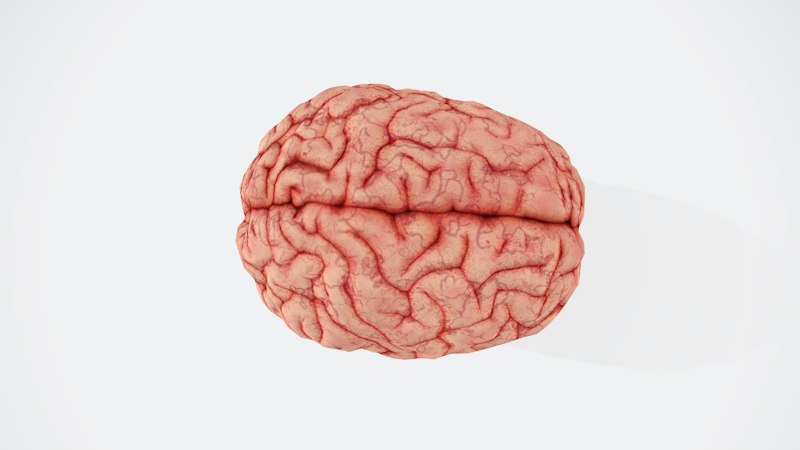
The internal capsule stands as one of the most vital white matter structures within the human encephalon, functioning as a high-traffic conduit for neural signals. It is primarily composed of massive bundles of myelinated axons that facilitate bidirectional communication between the cerebral cortex and various subcortical regions, including the brainstem and spinal cord. Because of its unique positioning, it acts as a structural bottleneck where a vast array of motor and sensory fibers converge before fanning out into the corona radiata. The integrity of this pathway is essential for the seamless execution of voluntary movement and the accurate perception of sensory stimuli from the external environment.
Structurally, the internal capsule is a compact area that allows for the efficient organization of ascending and descending tracts. Within this small anatomical space, fibers are organized with high topographical precision, ensuring that signals from specific parts of the cortex reach their intended targets in the periphery or deeper brain nuclei. Historically, researchers have viewed the internal capsule as a critical relay station, but modern neuroscientific inquiry has expanded this definition to include its role in complex cognitive processing. As such, the internal capsule is not merely a passive cable but a dynamic component of the brain’s integrated circuitry.
The significance of the internal capsule is further highlighted by its involvement in a wide range of neurological and psychological functions. Studies, such as those conducted by Kumar, Aggarwal, and Aggarwal (2014), emphasize that the internal capsule is indispensable for motor, sensory, and cognitive functioning. This encyclopedia entry explores the intricate anatomy of the capsule, its functional roles in neural transmission, and the profound clinical implications that arise when this structure is compromised by disease or injury. Understanding the internal capsule is therefore a cornerstone of both clinical neurology and neuropsychology.
Anatomical Localization and Surrounding Boundaries
In terms of its neuroanatomical localization, the internal capsule is situated deep within the cerebral hemispheres, nestled between several key gray matter nuclei. It is bounded medially by the thalamus and the head of the caudate nucleus, while its lateral border is defined by the lentiform nucleus, which consists of the putamen and the globus pallidus. When viewed in a horizontal or axial section, the internal capsule exhibits a characteristic “V” or “boomerang” shape, with the apex of the angle pointing medially toward the center of the brain. This strategic location places it at the heart of the extrapyramidal system and the primary motor pathways.
The internal capsule is divided into three primary segments that are distinguished by their orientation and the specific fiber tracts they contain. These segments are the anterior limb, the genu, and the posterior limb. Each of these components serves as a specialized passageway for different types of neural information. For instance, the anterior limb primarily handles connections related to the frontal lobe, while the posterior limb is heavily involved in motor and sensory transmission for the rest of the body. This division allows for a high degree of functional specialization within a relatively small physical volume.
The compactness of the internal capsule makes it particularly vulnerable to even small lesions, as a minor injury in this area can disrupt a disproportionately large number of neural pathways. The relationship between the capsule and the lentiform nucleus is especially important for clinicians, as the vascular supply to this region is often the site of lacunar infarcts. Consequently, the anatomy of the internal capsule is a primary focus for radiologists and neurologists when diagnosing strokes or other white matter pathologies. The structural organization of these fibers is summarized below:
- Anterior Limb: Located between the caudate nucleus and the lentiform nucleus.
- Genu: The central “knee” or bend of the capsule.
- Posterior Limb: Located between the thalamus and the lentiform nucleus.
- Retrolenticular Part: Fibers passing posterior to the lentiform nucleus.
- Sublenticular Part: Fibers passing beneath the lentiform nucleus.
The Anterior Limb: Connectivity and Cognitive Loops
The anterior limb of the internal capsule (ALIC) is situated between the head of the caudate nucleus and the lentiform nucleus. It is largely comprised of frontopontine fibers and the anterior thalamic radiation. These pathways are essential for connecting the prefrontal cortex to the nuclei of the thalamus and the pons. By facilitating these connections, the anterior limb plays a major role in the regulation of complex behaviors, executive functions, and emotional responses. The fibers within this limb are vital for the “loops” that allow the cortex to communicate with the basal ganglia and cerebellum.
According to the research of Kumar et al. (2014), the anterior limb is composed of the genu (in some anatomical descriptions), the anterior thalamic peduncle, and connections to the ventral anterior nucleus of the thalamus. This specific circuitry is heavily involved in the limbic system, which manages emotion and motivation. Because the anterior limb carries fibers that link the frontal lobe to the rest of the brain, any disruption in this area can lead to significant changes in personality, decision-making, and the ability to initiate goal-directed movements. It is a critical node in the brain’s “reward” and “effort” circuitry.
Beyond its motor and limbic roles, the anterior limb is increasingly recognized for its contribution to cognitive functioning. It serves as a bridge for information that supports attentional control and working memory. The density of myelinated axons in the ALIC ensures that cognitive signals are transmitted with the speed and precision necessary for real-time problem solving. In psychiatric contexts, abnormalities in the white matter integrity of the anterior limb have been linked to various disorders, suggesting that its role extends far beyond simple signal relay to the integration of higher-order mental processes.
The Genu: The Critical Bend for Cranial Control
The genu of the internal capsule represents the “knee” or the vertex where the anterior and posterior limbs meet. Despite its small size relative to the limbs, the genu is of immense clinical importance because it houses the corticobulbar tract. These fibers originate in the motor cortex and descend to the motor nuclei of the cranial nerves located in the brainstem. Consequently, the genu is the primary pathway for the voluntary control of the muscles of the face, head, and neck, including those involved in speaking, swallowing, and facial expression.
A lesion specifically targeting the genu can result in a condition known as pseudobulbar palsy, characterized by difficulty in speech (dysarthria), swallowing (dysphagia), and emotional lability. Because the corticobulbar fibers are so tightly packed within the genu, even a microscopic hemorrhage or ischemic event can lead to bilateral or unilateral cranial nerve deficits. This makes the genu a “hot spot” for neurological examination, as specific facial weaknesses can often be traced back to this precise anatomical location. The transition from the anterior to the posterior limb at the genu also marks a shift in the functional nature of the descending tracts.
In addition to the corticobulbar fibers, the genu contains some thalamocortical fibers that project to the frontal lobes. These fibers contribute to the sensory-motor integration required for complex oral and facial movements. The Kumar et al. (2014) study notes that the structural integrity of the genu is paramount for maintaining the fluidity of communication and social interaction, as it governs the physical mechanisms of vocal expression. Thus, the genu acts as a specialized transition zone that facilitates the intricate motor requirements of the human head and face.
The Posterior Limb: Motor and Somatosensory Integration
The posterior limb of the internal capsule (PLIC) is perhaps the most well-known segment due to its role in carrying the corticospinal tract. This limb is positioned between the thalamus and the lentiform nucleus and is significantly longer than the anterior limb. The corticospinal fibers within the PLIC are organized somatotopically, meaning that fibers controlling the arms, trunk, and legs are arranged in a specific sequence. This orderly arrangement allows clinicians to predict the location of a lesion based on which part of the body is experiencing motor weakness or paralysis.
In addition to motor pathways, the posterior limb contains the posterior thalamic peduncle, which includes sensory fibers projecting from the thalamus to the primary somatosensory cortex. These fibers carry information regarding touch, pressure, pain, and temperature from the contralateral side of the body. The posterior limb also includes the retrolenticular and sublenticular parts, which are responsible for carrying visual and auditory information, respectively. As Kumar et al. (2014) detail, the posterior limb is a multifunctional corridor that integrates motor commands with sensory feedback, making it essential for coordinated physical activity.
The clinical relevance of the posterior limb cannot be overstated, as it is a common site for hypertensive strokes. Because the posterior limb carries the primary motor supply for the limbs, damage here often results in contralateral hemiplegia, a total or partial paralysis of the opposite side of the body. Furthermore, because sensory and motor fibers are located so close to one another in the PLIC, patients frequently present with a combination of motor loss and sensory deficits. The density of these pathways within the posterior limb makes it a critical area for neurorehabilitation and surgical planning.
Functional Specialization of Sensory and Motor Axons
The functional capacity of the internal capsule is derived from the sheer variety of myelinated axons that traverse its limbs. These axons are categorized into ascending (sensory) and descending (motor) pathways. The descending motor axons include the corticospinal and corticobulbar tracts, which originate in the primary motor cortex and descend to the spinal cord and brainstem. These axons are responsible for all voluntary muscle movements, from the fine motor skills required for writing to the gross motor movements needed for walking. The internal capsule provides the insulation and structural support necessary for these high-speed electrical signals.
The ascending sensory axons primarily consist of third-order neurons that originate in the thalamus. These fibers, known as thalamocortical radiations, relay processed sensory data from the body and the environment to the appropriate regions of the cerebral cortex. This includes:
- General Somatosensory Information: Touch, pain, and proprioception relayed via the posterior limb.
- Visual Information: Optic radiations passing through the retrolenticular part to the occipital lobe.
- Auditory Information: Auditory radiations passing through the sublenticular part to the temporal lobe.
The integration of these sensory and motor fibers within the internal capsule allows for sensorimotor feedback loops. For example, when an individual reaches for an object, the motor commands traveling down through the capsule are constantly adjusted based on the sensory feedback traveling up through the same structure. Kumar et al. (2014) emphasize that this bidirectional flow is what enables smooth, purposeful movement. Without the organizational framework provided by the internal capsule, the brain would struggle to coordinate the vast amount of data required for even simple physical tasks.
Cognitive Contributions and Executive Control
While the internal capsule is traditionally categorized as a motor and sensory relay, recent neuroscientific research has highlighted its significant involvement in cognitive functioning. The connections between the prefrontal cortex and the thalamus, which pass through the internal capsule, are essential for executive control. This includes the ability to plan, focus attention, and switch between tasks. The Kumar et al. (2014) study explicitly points out that the internal capsule is involved in attentional control and working memory, indicating that it is a key component of the brain’s “thinking” architecture.
The role of the internal capsule in working memory is particularly noteworthy. Working memory allows the brain to hold and manipulate information over short periods, a process that requires rapid communication between the frontal lobes and subcortical structures. The internal capsule provides the high-bandwidth pathways necessary for this communication. If these pathways are damaged, an individual may experience “cognitive slowing” or difficulty maintaining focus on complex tasks, even if their primary motor and sensory functions remain relatively intact.
Furthermore, the internal capsule is part of the cortico-basal ganglia-thalamo-cortical loops, which are fundamental to both motor control and cognitive processing. These loops help the brain filter out irrelevant information and select the most appropriate response to a given stimulus. By facilitating these loops, the internal capsule contributes to inhibitory control—the ability to suppress impulsive actions. This cognitive dimension of the internal capsule’s function suggests that white matter health is just as important for mental acuity as the health of the gray matter in the cortex.
Clinical Implications and Neurological Deficits
Damage to the internal capsule, whether through ischemic stroke, hemorrhage, or trauma, can have devastating effects on a patient’s quality of life. Because the fibers are so densely packed, even a very small lesion can cause total hemiplegia (paralysis of one side of the body). This is often referred to as a “capsular stroke,” and it is one of the most common presentations in emergency neurology. The resulting deficits are typically contralateral to the side of the brain where the damage occurred, due to the decussation (crossing) of fibers in the brainstem.
Beyond motor paralysis, damage to the internal capsule can lead to significant sensory processing deficits. If the sensory fibers in the posterior limb are affected, the patient may lose the ability to feel touch or perceive the position of their limbs in space (proprioception). In some cases, damage to the retrolenticular part can result in visual field defects, such as homonymous hemianopia. Kumar et al. (2014) note that the clinical presentation of internal capsule damage is highly variable, depending on the exact limb and the specific tracts involved, making neuroimaging (such as MRI) essential for accurate diagnosis.
The long-term implications of internal capsule damage often include cognitive impairment and difficulties with working memory. Patients may struggle with multi-tasking or following complex instructions, reflecting the disruption of the cognitive-thalamic circuits. Rehabilitation for these patients requires a multidisciplinary approach, focusing on physical therapy to regain motor function and cognitive behavioral strategies to compensate for executive deficits. The internal capsule’s central role in so many systems means that recovery can be a slow and challenging process for those affected by capsular lesions.
Psychiatric Disorders and White Matter Integrity
In recent years, the internal capsule has become a focal point in the study of psychiatric disorders. Advances in diffusion tensor imaging (DTI) have allowed researchers to examine the microstructural integrity of white matter in the brains of individuals with mental health conditions. Evidence suggests that structural abnormalities in the internal capsule are associated with schizophrenia and major depressive disorder. These findings support the “connectivity hypothesis,” which posits that psychiatric symptoms often arise from “miswiring” or communication breakdowns between different brain regions.
In patients with schizophrenia, studies have frequently identified reduced fractional anisotropy (a measure of white matter integrity) in the anterior limb of the internal capsule. This disruption is thought to interfere with the communication between the prefrontal cortex and the thalamus, potentially contributing to symptoms like hallucinations, delusions, and disorganized thinking. Kumar et al. (2014) emphasize that understanding these structural correlates is vital for developing more effective treatments and for the early diagnosis of psychiatric conditions through objective biomarkers.
Similarly, the internal capsule has been implicated in mood disorders such as depression. The pathways that regulate emotional processing and the brain’s response to stress pass through this region. When these pathways are compromised, it can lead to the emotional dysregulation seen in clinical depression. By viewing psychiatric disorders through the lens of white matter connectivity, clinicians can better understand why certain patients may be resistant to traditional therapies and may instead benefit from interventions that target neural circuits, such as deep brain stimulation or targeted neurorehabilitation.
Conclusion: The Essential Nature of the Internal Capsule
The internal capsule is an indispensable component of the human central nervous system, acting as the primary highway for the flow of neural information. Its complex anatomy, consisting of the anterior limb, genu, and posterior limb, allows for the efficient organization of motor, sensory, and cognitive pathways. As we have seen, this structure is not only responsible for the physical actions of the body but also for the higher-order mental processes that define human experience. The research by Kumar et al. (2014) underscores the multifaceted nature of the internal capsule and its critical importance in maintaining neural homeostasis.
From a clinical perspective, the internal capsule is a region of high vulnerability. The impact of damage to this area—whether resulting in motor control impairment, sensory loss, or cognitive deficits—highlights the necessity of its structural integrity for healthy functioning. The discovery of its links to psychiatric disorders further expands our understanding of the brain’s white matter as a foundation for mental health. As neuroimaging technology continues to advance, our ability to visualize and treat disorders of the internal capsule will likely improve, offering hope for patients with both neurological and psychiatric conditions.
In summary, the internal capsule serves as a bridge between the cerebral cortex and the deeper structures of the brain, facilitating the complex interplay of signals that allow us to move, feel, and think. Its role in attentional control and working memory confirms that it is a central player in the brain’s executive network. Continued study of the internal capsule’s anatomy and functioning is essential for the advancement of modern medicine and the treatment of complex brain disorders. The following references provide further insight into the physiology and clinical relevance of this remarkable structure:
- Kumar, A., Aggarwal, V., & Aggarwal, S. (2014). Anatomy and physiology of internal capsule. Indian Journal of Neurosurgery, 3(2), 105-109.
- Structure: White matter pathways connecting cortex to subcortical nuclei.
- Function: Motor relay, sensory transmission, and cognitive integration.
- Clinical Relevance: Critical site for stroke and psychiatric biomarker research.