Neuroanatomy: The Brain’s Hidden Gatekeeper of Cognition
Scientifically Reviewed · Dr. Marwa Abd-Alazim · September 19, 2026
Review Criteria & Clinical Standards
This content undergoes rigorous scientific peer-review and medical editorial standards at Arab Psychology Network to ensure clinical accuracy, validity, and compliance with evidence-based guidelines from leading psychological and healthcare authorities (APA / WHO).
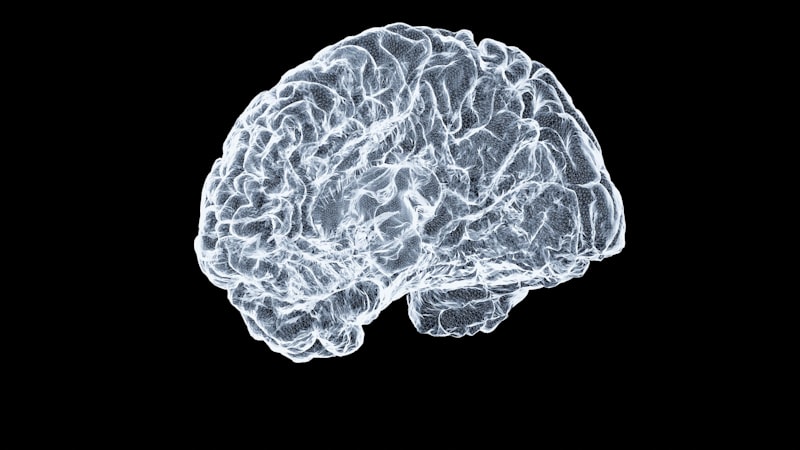
INTERVENTRICULAR FORAMEN
The interventricular foramen, classically known as the Foramen of Monro, represents a critical anatomical aperture within the human brain’s ventricular system. This small, yet immensely significant, opening serves as the primary conduit for the circulation of cerebrospinal fluid (CSF), linking the paired lateral ventricles (the largest reservoirs of CSF) with the median third ventricle. Its function is fundamental to maintaining intracranial homeostasis and regulating the fluid dynamics that cushion and nourish the central nervous system. Due to its strategic position, any compromise to the patency or structural integrity of the interventricular foramen can precipitate severe clinical outcomes, most notably obstructive hydrocephalus, making its study essential within neuroanatomy, neurology, and neurosurgery.
The nomenclature surrounding this structure honors the Scottish physician Alexander Monro secundus, who provided a definitive description of its role in CSF flow in the late 18th century. Understanding this connection is vital, as the entire ventricular system—comprising two lateral ventricles, the third ventricle, and the fourth ventricle—relies on these connecting channels for proper fluid movement. While minute in physical scale, the foramen acts as a critical bottleneck; its proper function is indispensable for preventing the accumulation of CSF and the subsequent increase in intracranial pressure (ICP). Furthermore, its proximity to critical limbic structures, such as the fornix and the thalamus, means that pathologies affecting the foramen often extend their impact far beyond simple fluid mechanics, influencing complex cognitive and psychological functions.
The clinical relevance of the interventricular foramen extends across a broad spectrum of neurological pathology. Obstruction, whether caused by congenital abnormalities, inflammatory processes, hemorrhages, or space-occupying lesions like tumors (e.g., colloid cysts or subependymomas), immediately disrupts CSF transit, leading to a rapid and often debilitating presentation of increased ICP. Consequently, the identification and precise anatomical localization of the foramen are paramount for diagnostic imaging and subsequent therapeutic planning. Modern neurosurgical approaches, particularly minimally invasive endoscopic techniques, frequently target this region to restore normal CSF circulation, underscoring its enduring significance in clinical practice.
Detailed Anatomy and Topography
Anatomically, the interventricular foramen is situated within the medial wall of the lateral ventricle, specifically positioned superior to the anterior pole of the thalamus. It is not a purely cylindrical channel but rather a funnel-shaped opening whose borders are defined by several key deep brain structures. The anterior boundary is formed predominantly by the posterior margin of the columns of the fornix, a crucial fiber tract connecting the hippocampus to the mammillary bodies. This intimate relationship with the fornix is particularly important, as surgical manipulation or pathological distension in this area carries a high risk of causing memory deficits.
The posterior and inferior border of the foramen is delineated by the anterior tubercle of the thalamus. This close juxtaposition means that vascular supply in this region—often involving small terminal branches of the anterior cerebral artery, such as the medial posterior choroidal artery—is highly localized and susceptible to injury. The relative size of the opening is small, typically measuring approximately 10 millimeters in its largest dimension, though significant natural variation exists among individuals. Its precise location often corresponds to the point where the choroid plexus of the lateral ventricle meets the choroid plexus of the third ventricle, forming the glomus choroideum. This confluence is relevant because the choroid plexus, responsible for CSF production, can sometimes hypertrophy or develop cysts, contributing to partial or complete obstruction.
The three-dimensional spatial relationship of the foramen is complex. It connects the C-shaped lateral ventricle, which wraps around the deep structures of the hemisphere, directly to the narrow, vertically oriented slit of the third ventricle, which lies centrally between the two thalami. Viewing the foramen endoscopically reveals a critical junction point, providing access to both the third ventricle floor (important for endoscopic third ventriculostomy) and the entire lateral ventricular system. Understanding this topography is essential for neurosurgeons performing procedures such as biopsy of lesions near the midline or fenestration of ventricular cysts, as precise manipulation minimizes damage to surrounding neural tissue, particularly the adjacent hypothalamic nuclei and the aforementioned fornix.
Role in Cerebrospinal Fluid Dynamics
The primary physiological function of the interventricular foramen is to facilitate the organized, unidirectional flow of CSF throughout the ventricular system. CSF is primarily produced by the choroid plexuses located within the lateral, third, and fourth ventricles. The vast majority of CSF production occurs within the lateral ventricles. From these large chambers, the fluid must pass through the interventricular foramina to enter the third ventricle. This transition point is crucial because it governs the pressure gradient between the lateral and third ventricles.
Once CSF enters the third ventricle via the foramina, it flows caudally toward the cerebral aqueduct (of Sylvius), which connects the third ventricle to the fourth ventricle. This entire process is tightly regulated, ensuring a consistent turnover rate of CSF, which serves multiple vital functions: mechanical cushioning of the brain, maintenance of a stable chemical environment, removal of metabolic waste products, and distribution of neuroactive substances. If the flow through the Foramen of Monro is impeded, the pressure differential rapidly increases, leading to dilation of the upstream structures—specifically, the ipsilateral or bilateral lateral ventricles—while the third and fourth ventricles remain unaffected or are only secondarily involved.
The integrity of CSF flow is therefore paramount. Blockages at the level of the interventricular foramen result in a specific form of non-communicating hydrocephalus, also known as obstructive hydrocephalus. In this scenario, the CSF production continues unabated in the lateral ventricles, but its exit pathway is blocked, leading to severe dilation. The resulting compression of surrounding brain parenchyma is what causes the classical symptoms of hydrocephalus, including headache, nausea, papilledema, and progressive cognitive decline. The small caliber of the foramen makes it uniquely vulnerable to even minute obstructions that might be insignificant in larger ventricular spaces.
Pathophysiology: Obstruction and Hydrocephalus
Obstruction of the interventricular foramen is a primary etiology of localized hydrocephalus. The most common cause of unilateral or bilateral obstruction is the presence of a colloid cyst, which are benign, gelatinous-filled cysts that typically originate from the roof of the third ventricle and often grow large enough to occlude one or both foramina. Because these cysts can move slightly within the CSF, they may cause intermittent or acute obstruction, leading to sudden, life-threatening increases in intracranial pressure, sometimes presenting as sudden death due to uncal herniation.
Beyond colloid cysts, other space-occupying lesions can lead to obstruction. These include tumors originating from the adjacent structures, such as subependymomas, gliomas, or craniopharyngiomas, as well as metastasis. Inflammatory processes, such as ventriculitis secondary to meningitis or hemorrhage (e.g., intraventricular hemorrhage often seen in premature infants), can lead to scarring, fibrosis, or adhesion formation near the foramen, effectively sealing off the channel. Post-infectious or post-hemorrhagic obstruction often presents a therapeutic challenge due to the diffuse nature of the scarring.
The clinical presentation of hydrocephalus resulting from foramen obstruction is determined by the speed and completeness of the blockage. Chronic, slow-onset obstruction may manifest primarily as gait disturbance, urinary incontinence, and dementia (symptoms characteristic of Normal Pressure Hydrocephalus (NPH), although true NPH is distinct), due to slow dilation and chronic compression of the cortical mantle. Conversely, acute obstruction, such as that caused by a sudden shift or expansion of a colloid cyst, presents as acute neurological crisis: explosive headache, profound vomiting, altered consciousness, and potentially coma. The rapid diagnosis of obstruction at the level of the Foramen of Monro is therefore a medical emergency requiring immediate neurosurgical intervention to relieve pressure and restore CSF flow.
Associated Neurological Deficits and Cognitive Impairment
The neurological sequelae associated with pathology of the interventricular foramen are profound, often stemming less from the structure itself and more from the destructive effects of ventricular dilation on surrounding neural architecture. The structures most critically affected by expanding lateral ventricles are the corpus callosum, the periventricular white matter tracts, and, critically, the fornix columns that form part of the foramen’s boundary. Compression and subsequent ischemia or demyelination of these regions directly impair higher-order cognitive functions.
Cognitive impairment frequently observed includes significant deficits in memory formation and retrieval. Because the fornix is a major output pathway of the hippocampal formation—the core structure for episodic memory consolidation—its compression due to hydrocephalus results in severe anterograde amnesia. Patients may struggle with learning new information, a debilitating symptom often masked initially by general signs of increased pressure. Furthermore, damage to the surrounding periventricular white matter disrupts long association fibers, leading to impaired communication between cortical areas responsible for complex cognition.
Beyond memory, compromise in this region often leads to deficits in executive functioning. This cluster of impairments includes difficulty with planning, organization, cognitive flexibility, and attention. These deficits are often attributed to the disruption of fronto-thalamic circuits that traverse the white matter adjacent to the lateral ventricles. Successful treatment of the hydrocephalus, typically via shunt placement or endoscopic procedures, can sometimes lead to partial or complete reversal of these cognitive deficits, particularly if the treatment is initiated before chronic structural damage becomes irreversible. Therefore, the clinical index of suspicion for foramen obstruction must remain high in patients presenting with progressive cognitive decline of unknown etiology.
Links to Psychiatric Disorders
While the most direct clinical consequences of foramen obstruction are physical and neurological, researchers have also explored structural abnormalities in this region in the context of major psychiatric disorders, particularly schizophrenia and bipolar disorder. These investigations often focus on subtle, long-standing structural changes, rather than acute obstruction. Post-mortem studies and advanced neuroimaging frequently reveal mild to moderate ventricular enlargement (ventriculomegaly) in populations suffering from schizophrenia, a finding that implicates developmental or early-onset pathological processes affecting CSF dynamics or surrounding parenchymal volume.
In patients diagnosed with schizophrenia, the observed ventricular enlargement is hypothesized to result from a loss of periventricular white or gray matter, potentially placing atypical strain or morphological changes on the structures defining the interventricular foramen. Although the foramen itself may remain patent, subtle structural reorganization in the immediate vicinity—such as changes in the size or shape of the thalamus or fornix columns—could potentially disrupt the functional connectivity of the circuits that mediate mood, thought, and perception. These structural findings suggest that the etiology of some psychiatric disorders may involve subtle neurodevelopmental errors affecting deep brain structures near the ventricular system.
Similar, though often less pronounced, ventricular changes have been noted in individuals with bipolar disorder. While the correlation between structural abnormalities near the foramen and psychiatric symptoms is complex and not fully causal, the region’s intimate connection to the limbic system—which is central to emotional regulation—provides a plausible anatomical substrate for functional disruption. Further research utilizing high-resolution structural and functional neuroimaging is necessary to definitively elucidate the precise role, if any, of minor structural variations surrounding the interventricular foramen in the complex neurobiology of severe psychiatric illness.
Diagnostic Imaging and Visualization
The identification of pathology affecting the interventricular foramen relies heavily upon advanced neuroimaging techniques, primarily Magnetic Resonance Imaging (MRI) and Computed Tomography (CT) scanning. CT scans are often the first line of investigation, particularly in acute settings, as they rapidly detect ventricular size and identify high-density obstructions, such as hemorrhages or calcified tumors, as well as the presence of acute hydrocephalus.
However, MRI provides superior soft tissue contrast and anatomical detail, making it the gold standard for evaluating the foramen and adjacent structures. Specific MRI sequences, such as T2-weighted and Fluid-Attenuated Inversion Recovery (FLAIR), clearly delineate the CSF spaces and are crucial for visualizing the structure and identifying the nature of any obstructing lesion (e.g., distinguishing a gelatinous colloid cyst from a solid tumor). Furthermore, techniques like Cine-Phase Contrast MRI can dynamically assess CSF flow velocity and direction, confirming obstruction by demonstrating absent or turbulent flow through the foramen.
Precise localization and characterization of the obstruction are vital for surgical planning. For instance, if a lesion is identified as a colloid cyst near the Foramen of Monro, the surgical team must meticulously assess its size, consistency, and relationship to the fornix columns using multi-planar MRI reconstructions. This detailed visualization allows surgeons to choose the safest and most effective approach, often favoring endoscopic techniques that utilize the natural ventricular pathways for minimally invasive access to this deep and sensitive brain region.
Surgical Interventions Targeting the Foramen
Surgical management is mandatory for acute or symptomatic obstruction of the interventricular foramen. The primary goal of intervention is the decompression of the lateral ventricles and the restoration of normal CSF flow dynamics. Historically, and still commonly, this involves the placement of a ventriculoperitoneal (VP) shunt, which diverts excess CSF from the lateral ventricle to another body cavity (usually the peritoneum). While effective at relieving pressure, shunting is associated with potential complications, including infection, malfunction, and the need for revision.
More contemporary and increasingly favored approaches involve neuroendoscopy. Endoscopic third ventriculostomy (ETV) is a procedure often performed in the context of aqueductal stenosis, but endoscopic techniques are also highly effective for directly treating obstructions at the Foramen of Monro, particularly colloid cysts. Using a thin, flexible endoscope inserted through a small burr hole, the surgeon can navigate into the lateral ventricle, visualize the foramen, and then carefully resect or aspirate the obstructing lesion. This technique offers the advantage of treating the cause of the obstruction directly while minimizing trauma to the surrounding neural tissue.
When removing lesions near the foramen, extreme surgical caution is required due to the vulnerability of the fornix. Damage to this structure must be avoided at all costs to preserve memory function. Furthermore, the rich vascular supply of the choroid plexus and adjacent arteries necessitates careful hemostasis. The evolution of neuroendoscopy has transformed the management of lesions in this area, providing a less invasive alternative to traditional open craniotomy while allowing for precise visualization and targeted therapy near this functionally critical anatomical gateway.
Conclusion
The interventricular foramen, or Foramen of Monro, is an indispensable component of the central nervous system’s fluid management system. Serving as the vital communication pathway between the lateral and third ventricles, its patency is essential for preventing the accumulation of cerebrospinal fluid and the severe consequences of obstructive hydrocephalus. Its anatomical borders, defined by the fornix and the thalamus, position it adjacent to structures critical for memory and emotion, explaining the profound cognitive deficits associated with its pathology.
The clinical significance of the foramen spans acute neurological crises, such as those caused by sudden colloid cyst obstruction, to chronic cognitive impairment resulting from progressive ventricular dilation. The link between subtle structural changes around this region and major psychiatric disorders further highlights its importance in neurodevelopment and brain function. Advances in diagnostic neuroimaging, particularly high-resolution MRI, allow for precise visualization and characterization of pathologies affecting the foramen.
Ongoing research continues to refine our understanding of the dynamic interactions between CSF flow, structural integrity, and neurological outcomes. As surgical techniques become increasingly refined, particularly through the use of neuroendoscopy, the ability to safely and effectively manage obstructions at the interventricular foramen improves, offering better outcomes for patients facing challenging deep brain pathology.
References
-
Bianchi, S., & De Negri, A. (2010). The Interventricular Foramen: Anatomy, Pathophysiology, and Clinical Significance. Neurosurgery Clinics of North America, 21(4), 495-502. https://doi.org/10.1016/j.nec.2010.07.004
-
Moulin, A., & Taussig, D. (2011). Interventricular Foramen: Clinical Significance. Surgical Neurology International, 2(1), 34. https://doi.org/10.4103/2152-7806.78691
-
Gonzalez-Martinez, J. A., & Gonzalez-Martinez, J. L. (2014). The Interventricular Foramen: Anatomy and Clinical Relevance. Neurosurgery Clinics of North America, 25(4), 461-467. https://doi.org/10.1016/j.nec.2014.06.006