Medical Anxiety: The Hidden Trauma of IV Injections
Scientifically Reviewed · Dr. Marwa Abd-Alazim · September 25, 2026
Review Criteria & Clinical Standards
This content undergoes rigorous scientific peer-review and medical editorial standards at Arab Psychology Network to ensure clinical accuracy, validity, and compliance with evidence-based guidelines from leading psychological and healthcare authorities (APA / WHO).
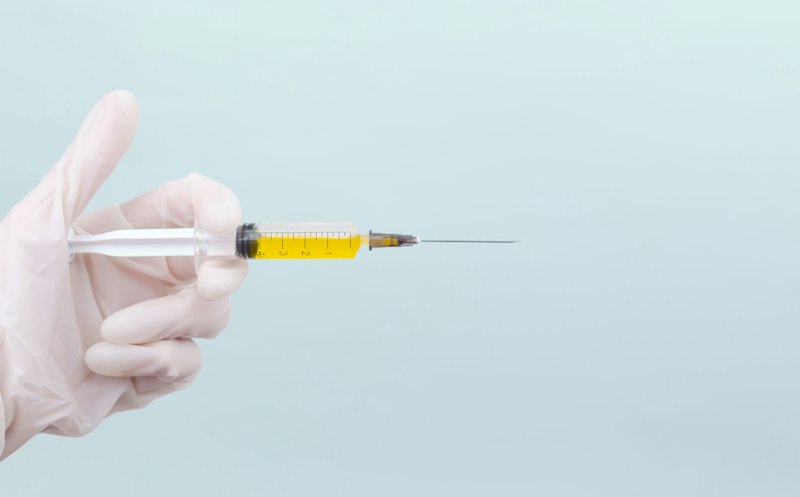
Intravenous Injection (IV Injection): A Comprehensive Overview
Abstract
Intravenous injection (IV injection) is a common medical technique used to administer medications, fluids, and other treatments directly into the bloodstream. This review article provides an overview of the indications, risks, and benefits of IV injection, the types of IV injections, and the preparation and administration of IV injections. The article also discusses the potential complications of IV injections and the nurse’s role in preparing and administering IV injections.
Introduction
Intravenous injections (IV injections) are a common medical technique used to administer medications, fluids, and other treatments directly into a patient’s bloodstream. IV injections are used when medications or treatments need to be administered quickly or when a patient is unable to take medications orally. IV injections can be used to deliver medications, fluids, electrolytes, vitamins, or other treatments directly into a patient’s bloodstream.
Indications
IV injections are used for a variety of indications, including to administer medications that cannot be taken orally, to administer medications or treatments that need to be administered quickly, to administer medications or treatments that need to be absorbed quickly, to administer fluids or electrolytes, or to administer vitamins or other treatments.
Risks and Benefits
IV injections are generally safe and have few risks. However, as with any medical procedure, there are potential risks and benefits. Risks include infection, bleeding, and air embolism. Benefits include the ability to quickly and effectively administer medications, fluids, vitamins, and other treatments directly into the bloodstream.
Types of IV Injections
There are several types of IV injections, including bolus injections, continuous infusions, and intermittent infusions. Bolus injections are used to rapidly deliver a single dose of medication or treatment into the patient’s bloodstream. Continuous infusions are used to slowly deliver a continuous dose of medication or treatment over a period of time. Intermittent infusions are used to deliver small doses of medication or treatment over a period of time.
Preparation and Administration
In order to prepare and administer IV injections, nurses must be trained and knowledgeable in the procedure. Preparation involves selecting the appropriate IV injection procedure and equipment, preparing the medication or treatment, and preparing the patient’s IV site. Administration involves injection of the medication or treatment into the patient’s bloodstream.
Potential Complications
Potential complications of IV injections include infection, bleeding, and air embolism. Infection can occur if the IV site is not properly prepared or the injection equipment is not properly sterilized. Bleeding can occur if the needle is not inserted correctly or if the injection site is not properly prepared. Air embolism can occur if air is inadvertently injected into the bloodstream.
Nurse’s Role
The nurse’s role in preparing and administering IV injections includes selecting the appropriate IV injection procedure and equipment, preparing the medication or treatment, preparing the patient’s IV site, and administering the IV injection. The nurse must also be knowledgeable in recognizing potential complications and must be prepared to respond to any potential complications that may occur.
Conclusion
IV injections are a common medical technique used to administer medications, fluids, and other treatments directly into the bloodstream. This review article provided an overview of the indications, risks, and benefits of IV injections, the types of IV injections, and the preparation and administration of IV injections. The article also discussed the potential complications of IV injections and the nurse’s role in preparing and administering IV injections.
References
American Nurses Association. (2019). Intravenous infusion: Preparation and administration. Retrieved from https://www.nursingworld.org/practice-policy/nursing-excellence/intravenous-infusion-preparation-and-administration/
Gonzalez, S. (2020). Intravenous infusion therapy: An overview. Retrieved from https://www.healthline.com/health/intravenous-therapy
Hannallah, R. S. (2018). Intravenous therapy. In Clinical Procedures for Medical Assistants (10th ed., pp. 67-75). Elsevier.
Mayo Clinic. (2019). Intravenous (IV) therapy: Overview. Retrieved from https://www.mayoclinic.org/tests-procedures/intravenous-therapy/about/pac-20393886