Psychopharmacology: The Pill That Changed The Mind
Scientifically Reviewed · Dr. Marwa Abd-Alazim · September 18, 2026
Review Criteria & Clinical Standards
This content undergoes rigorous scientific peer-review and medical editorial standards at Arab Psychology Network to ensure clinical accuracy, validity, and compliance with evidence-based guidelines from leading psychological and healthcare authorities (APA / WHO).
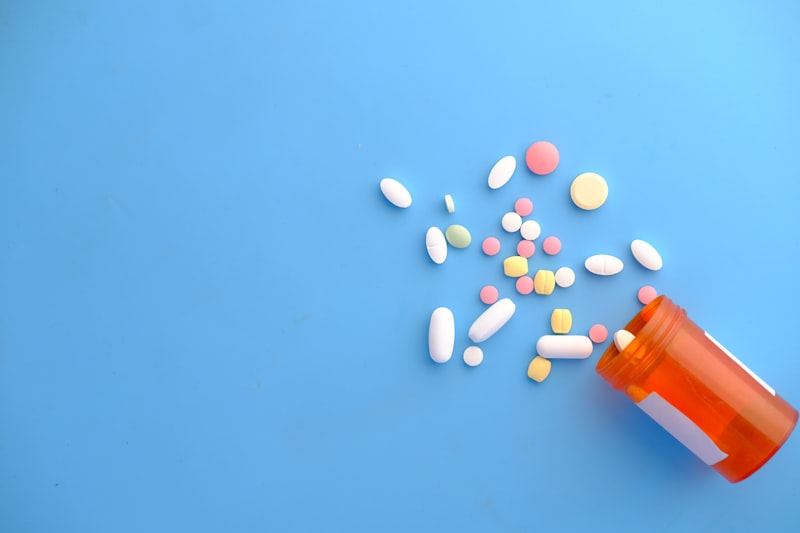
IPRONIAZID: A FOUNDATIONAL AGENT IN PSYCHOPHARMACOLOGY AND A HISTORICAL ANTI-TUBERCULOSIS DRUG
The compound Iproniazid, chemically known as N′-isopropyl-isonicotinoylhydrazine, holds a unique and critical position in the history of medicine, serving initially as a derivative in the fight against tuberculosis (TB), but ultimately pioneering the field of biological psychiatry. Its discovery of potent psychoactive effects—specifically mood elevation—was largely serendipitous, fundamentally altering the trajectory of treatment for depressive disorders. While its clinical use today is highly restricted due to significant adverse effects, Iproniazid’s role as the first substance identified to inhibit Monoamine Oxidase (MAO) remains a cornerstone of psychopharmacology, influencing the development of subsequent generations of antidepressants and shaping our understanding of neurotransmitter function in mood regulation. The drug is a complex molecule, functioning both as a derivative of the primary anti-TB agent isoniazid and as a powerful, irreversible enzyme inhibitor.
The initial clinical interest in Iproniazid stemmed from its chemical lineage. In the early 1950s, researchers sought potent hydrazine derivatives to combat Mycobacterium tuberculosis. While isoniazid proved to be the more effective and less toxic primary antimicrobial agent, Iproniazid was also deployed in sanatorium settings for TB treatment. It was during these trials that clinicians noted remarkable psychological side effects: patients receiving Iproniazid often exhibited improved appetite, increased energy, and a general sense of euphoria and optimism, outcomes highly unusual for individuals suffering from severe chronic illness. This observation catalyzed the shift in research focus from mycobacteriology to neuropharmacology, leading to the rapid investigation of Iproniazid as a mood stabilizer and antidepressant agent.
The therapeutic shift observed with Iproniazid represents a pivotal moment in medical history, signifying the transition from purely somatic treatments for mental illness to approaches grounded in neurochemistry. Prior to Iproniazid’s introduction to psychiatry, treatments for depression were limited, often involving electroconvulsive therapy or institutionalization. The drug provided the first compelling evidence that mood could be modulated by specific biochemical interventions targeting neurotransmitter systems. Although subsequent research revealed significant safety issues, its initial success propelled the development of the entire class of MAO inhibitors and provided the first tangible proof for the monoamine hypothesis of depression, which posits that depression results from a functional deficit of monoamine neurotransmitters in the brain.
Chemical Structure and Relationship to Isoniazid
The chemical architecture of Iproniazid is closely linked to that of isoniazid (INH). Both compounds are derivatives of isonicotinic acid and share a core structure, but Iproniazid incorporates an additional isopropyl group attached to the hydrazine moiety. This seemingly minor structural modification is responsible for the vastly different pharmacological profile observed between the two drugs. While isoniazid is primarily active as an antimicrobial agent against M. tuberculosis, the presence of the isopropyl group in Iproniazid confers potent inhibitory activity against Monoamine Oxidase (MAO) enzymes in mammalian hosts, resulting in the drug’s profound psychoactive effects.
In the context of tuberculosis treatment, Iproniazid is sometimes categorized as a prodrug to isoniazid. This means that Iproniazid must undergo metabolic activation within the body to yield the effective form of the anti-mycobacterial agent. The primary anti-TB action is mediated by isoniazid’s ability to inhibit the synthesis of mycolic acids, which are essential components of the mycobacterial cell wall. However, the complexity arises because Iproniazid itself, through different metabolic pathways, simultaneously exerts its powerful psychotropic action via MAO inhibition. This dual action contributes to the challenging safety profile of Iproniazid, necessitating careful consideration of both antimicrobial efficacy and neurological side effects.
The differing fates of Iproniazid and isoniazid highlight the specificity required in drug design. Isoniazid is activated by the mycobacterial catalase-peroxidase enzyme (KatG) into a radical form that interferes with mycolic acid production, leading to mycobacterial cell death. Conversely, the addition of the isopropyl group in Iproniazid makes it highly effective at binding irreversibly to the human MAO enzyme, a mechanism that is entirely distinct from its anti-TB potential. Understanding this structural difference is key to appreciating why Iproniazid became famous in psychology, while isoniazid remained the staple drug in infectious disease treatment.
Mechanism of Action: Monoamine Oxidase Inhibition
The primary and most significant mechanism of action of Iproniazid in the central nervous system is the irreversible inhibition of Monoamine Oxidase (MAO). MAO is a crucial enzyme system responsible for the oxidative deamination and inactivation of monoamine neurotransmitters, including serotonin, norepinephrine, and dopamine. These neurotransmitters are integral to regulating mood, alertness, and cognitive function. By blocking the action of MAO, Iproniazid prevents the natural breakdown of these amines within the presynaptic terminal, leading to a substantial increase in their concentration and availability for release into the synaptic cleft. This elevated level of monoamines is believed to directly mediate the therapeutic antidepressant effect.
MAO exists in two primary subtypes: MAO-A and MAO-B. MAO-A preferentially metabolizes serotonin and norepinephrine, making its inhibition directly relevant to antidepressant efficacy. MAO-B primarily metabolizes dopamine and specific trace amines. Iproniazid is a non-selective inhibitor, meaning it irreversibly blocks both MAO-A and MAO-B. This non-selectivity contributes significantly to its efficacy but also underlies many of its most serious side effects, particularly the interaction with dietary tyramine. Because Iproniazid forms a stable, covalent bond with the MAO enzyme, the effects of the drug persist long after the drug itself has been cleared from the plasma; the body must synthesize new MAO enzymes to restore normal metabolic function, a process that can take up to two weeks.
The chronic elevation of monoamines resulting from Iproniazid administration induces a cascade of adaptive changes in the central nervous system. Initially, the increased neurotransmitter concentration leads to immediate psychomotor stimulation. Over weeks of therapy, however, the sustained increase leads to downstream effects, including the downregulation and desensitization of postsynaptic receptors. This complex neuroadaptation is characteristic of how most antidepressants exert their full therapeutic potential, often requiring several weeks for clinical improvement to manifest fully. The discovery of this mechanism with Iproniazid provided the first neurochemical explanation for the etiology and treatment of major depressive disorder.
Clinical Applications in Psychiatry: The Antidepressant Revolution
Following the recognition of its mood-elevating properties, Iproniazid was rapidly adopted into psychiatric practice under the trade name Marsilid, marking the advent of the first pharmaceutical treatment specifically designed to treat depression by altering brain chemistry. It was utilized primarily for hospitalized patients suffering from severe melancholic or atypical depression. Its efficacy, particularly in patients who had failed to respond to older, non-biological treatments, cemented its revolutionary status. Clinicians reported success in alleviating symptoms such as anhedonia, psychomotor retardation, and persistent low mood, demonstrating a clear link between MAO inhibition and clinical improvement.
The clinical profile of Iproniazid demonstrated that it was particularly effective in cases characterized by “reverse vegetative symptoms”—such as hypersomnia, hyperphagia, and leaden paralysis—which are often associated with atypical depression. However, its widespread use was curtailed relatively quickly due to the discovery of severe and sometimes fatal side effects. Despite its eventual regulatory withdrawal in many countries, Iproniazid’s legacy is undeniable. It established the pharmacological blueprint for all subsequent MAO inhibitors (MAOIs), including phenelzine and tranylcypromine, which possess better safety profiles and remain viable treatments for refractory depression.
The introduction of Iproniazid created new diagnostic and treatment challenges. Clinicians had to learn to manage dietary restrictions and drug interactions, concepts that were novel at the time. The excitement surrounding its efficacy was tempered by the high risk of liver toxicity, which ultimately limited its utility. Nevertheless, the clinical experience gained during the brief tenure of Iproniazid fundamentally influenced the development of psychopharmacology, demonstrating the power of targeted enzyme inhibition and solidifying the concept that biological interventions could restore normal mood states.
Use in Tuberculosis Treatment: Historical Perspective
Although Iproniazid achieved notoriety in psychiatry, its initial purpose was the treatment of tuberculosis (TB). As a close chemical relative of isoniazid, Iproniazid does possess anti-mycobacterial activity. The original content highlights that Iproniazid is effective against both drug-susceptible and drug-resistant Mycobacterium tuberculosis (M. tuberculosis) strains. It also notes that Iproniazid was sometimes used in combination with other drugs, such as rifampicin and ethambutol, following standard protocols for multi-drug resistant TB treatment.
The antimicrobial mechanism shared by Iproniazid (after metabolic conversion) and isoniazid involves the inhibition of mycolic acid synthesis. Mycolic acids are unique, long-chain fatty acids that form the protective, waxy outer layer of the mycobacterial cell wall. By blocking their synthesis, the structural integrity of the bacterium is compromised, leading to mycobacterial death. This inhibition process leads to the effective treatment of the disease. However, the dosage required for effective antimicrobial action often overlapped with the dosage that caused significant MAO inhibition and subsequent hepatotoxicity, making Iproniazid an impractical long-term anti-TB drug compared to the less toxic primary agent, isoniazid.
The historical use of Iproniazid in infectious disease treatment was rapidly superseded by the superior safety and efficacy profile of isoniazid. While the original content suggests Iproniazid is a prodrug converted by MAO into isoniazid, the primary pharmacological understanding is that Iproniazid inhibits MAO, and both share common metabolic pathways relating to hydrazine structure. For TB treatment specifically, the necessity of combining it with other potent anti-TB drugs like rifampicin and ethambutol underscores the challenges faced when managing drug-resistant strains, a practice that continues today, though usually relying on modern, less toxic regimens.
Pharmacokinetics and Metabolism
The pharmacokinetics of Iproniazid are complex, largely dictated by hepatic metabolism. The drug is readily absorbed following oral administration and is distributed throughout the body, including crossing the blood-brain barrier effectively, which is essential for its central nervous system effects. Metabolically, Iproniazid undergoes several transformations, yielding various metabolites, some of which contribute to both its therapeutic action (the effective MAO inhibition) and its toxicological profile (metabolites linked to liver injury).
A significant aspect of the metabolism involves the process of acetylation, which is mediated by the N-acetyltransferase 2 (NAT2) enzyme. This enzyme exhibits genetic polymorphism in the human population, leading to individuals being classified as “slow acetylators” or “fast acetylators.” This classification is highly relevant because the rate of acetylation directly affects the plasma concentration of the drug and its active metabolites. Slow acetylators metabolize the drug more slowly, leading to higher sustained concentrations, which increases the risk of dose-dependent adverse effects, particularly peripheral neuropathy and hepatotoxicity.
The elimination half-life of Iproniazid itself is relatively short; however, because it acts as an irreversible inhibitor, its pharmacological effect is long-lasting. The duration of action is determined not by the drug’s half-life, but by the time required for the body to synthesize new MAO enzymes, typically spanning several days to two weeks. This irreversible nature mandates a mandatory washout period before transitioning a patient to another class of psychotropic medication, a critical safety consideration that defines the clinical management of all irreversible MAOIs derived from Iproniazid’s model.
Adverse Effects Profile and Safety Concerns
The widespread use of Iproniazid was ultimately limited by its severe and potentially fatal adverse effects profile. The most serious concern is hepatotoxicity, which can range from mild, reversible elevations in liver enzymes to severe, potentially irreversible liver damage, including fatal hepatic necrosis. This liver toxicity is thought to be mediated by toxic metabolites generated during the complex hepatic biotransformation of the hydrazine structure. Monitoring patients for signs of jaundice, liver tenderness, or persistent gastrointestinal symptoms is critical when administering drugs of this class.
Another significant adverse effect mentioned in the original content is peripheral neuropathy, which manifests as numbness, tingling, or weakness, particularly in the extremities. This side effect is linked to the drug’s interference with pyridoxine (Vitamin B6) metabolism. Similar to isoniazid, Iproniazid can increase the excretion of pyridoxine, leading to a functional deficiency. Since pyridoxine is crucial for nerve health, deficiency results in sensory nerve damage. This risk often necessitates prophylactic supplementation with pyridoxine during the course of treatment to mitigate neurological damage.
Furthermore, as a non-selective MAO inhibitor, Iproniazid carries the risk of precipitating a hypertensive crisis, famously known as the “cheese reaction.” This occurs when patients consume foods or beverages rich in tyramine (such as aged cheeses, cured meats, or certain beers and wines). Tyramine is normally broken down by intestinal MAO-A. When MAO-A is inhibited by Iproniazid, tyramine enters the systemic circulation, where it acts as an indirect sympathomimetic, triggering the release of stored norepinephrine. This sudden surge in norepinephrine can cause a rapid, potentially lethal increase in blood pressure, severe headache, and intracranial hemorrhage. Strict adherence to dietary restrictions is non-negotiable for patient safety when using this class of medication.
Regulatory Status and Legacy
Due to the significant risks associated with severe hepatotoxicity and the necessity of managing life-threatening dietary interactions, Iproniazid was voluntarily withdrawn from the market in many major countries, including the United States, in the early 1960s. This withdrawal marked the end of its brief but profound commercial run. Although it is no longer a first-line clinical treatment for depression or tuberculosis, its scientific impact endures, cementing its status as a historical landmark drug.
The ultimate legacy of Iproniazid is not its direct therapeutic application, but its foundational contribution to neurobiology. It provided the essential proof-of-concept that specific enzyme inhibition could effectively treat major mental illness. This discovery directly led to the development of safer and more selective MAO inhibitors and, alongside the tricyclic antidepressants discovered shortly thereafter, established the monoamine hypothesis that dominated psychiatric research for decades. The principles of MAO inhibition learned through Iproniazid continue to guide the use of contemporary MAOIs in treating highly refractory mood and anxiety disorders.
In conclusion, Iproniazid serves as a powerful illustration of serendipity in pharmacology. Starting as a hydrazine derivative for tuberculosis, its accidental discovery as a mood elevator launched the modern era of biological psychiatry. Despite its severe side effects, including high risk of hepatotoxicity and peripheral neuropathy, its pioneering role as the first irreversible, non-selective Monoamine Oxidase inhibitor ensures its permanent place in the history of medicine and psychopharmacology. It remains a key case study in understanding drug metabolism, toxicity, and the complex relationship between chemical structure and therapeutic action.
References
- World Health Organization. (2019). Tuberculosis. Retrieved from https://www.who.int/news-room/fact-sheets/detail/tuberculosis
- Pulte, D., & Mayosi, B. M. (2018). Tuberculosis: An update for the clinician. South African Medical Journal, 108(5), 401–407. https://doi.org/10.7196/SAMJ.2018.v108i5.13402
- Yong, D., Bloch, K., & Aung, S. (2018). Treatment of Tuberculosis: Current Challenges and Future Prospects. Clinical Infectious Diseases, 66(suppl_5), S347–S354. https://doi.org/10.1093/cid/ciy294
- Golub, J. E., & Chaisson, R. E. (2009). Treatment of tuberculosis. The New England Journal of Medicine, 360(5), 2060–2068. https://doi.org/10.1056/NEJMra0804650
- World Health Organization. (2018). Iproniazid. Retrieved from https://www.who.int/medicines/access/controlled-substances/IPRONIAZID.html
- Lopez-Munoz, F., & Alamo, C. (2009). Monoaminergic neurotransmission: the history of the discovery of antidepressants from 1950s to 2000s. European Neuropsychopharmacology, 19(5), 293–302.
- Pare, C. M. (1985). The present status of monoamine oxidase inhibitors. British Journal of Psychiatry, 146(6), 576–584.