Iris Analysis: Mapping the Mind Through Your Eyes
Scientifically Reviewed · Dr. Marwa Abd-Alazim · September 25, 2026
Review Criteria & Clinical Standards
This content undergoes rigorous scientific peer-review and medical editorial standards at Arab Psychology Network to ensure clinical accuracy, validity, and compliance with evidence-based guidelines from leading psychological and healthcare authorities (APA / WHO).
The Conceptual Framework of Iridology
Iridology, often referred to as iris diagnosis or iridodiagnosis, is an alternative medicine technique that posits that the patterns, colors, and other characteristics of the iris can be examined to determine information about a patient’s systemic health. Practitioners, known as iridologists, match their observations to iris charts, which divide the iris into numerous zones that are believed to correspond to specific parts of the human body. By analyzing these zones, practitioners claim to identify not only current health issues but also inherited strengths and weaknesses, as well as the general state of the body’s various organ systems.
The fundamental premise of iridology is that the iris is a complex structure that serves as a physiological blueprint of the entire organism. According to this belief system, the iris is connected to every organ and tissue of the body by way of the thalamus and the autonomic nervous system. Proponents argue that through these neurological pathways, the iris responds to physiological changes, inflammation, and toxic accumulation within the body, manifesting these internal states as visible markings, discolorations, or structural changes in the iris fibers. This perspective views the eye not merely as an organ of sight, but as a sophisticated communication terminal that reflects the internal biological environment.
In a formal clinical setting, the practice of iridology is non-invasive and primarily diagnostic rather than curative. It is frequently utilized as a component of naturopathy and other holistic health disciplines to provide a broader context for a patient’s health profile. While it does not aim to identify specific diseases in the same manner as conventional pathology, it seeks to uncover the underlying functional imbalances that may predispose an individual to certain illnesses. By identifying these predispositions early, iridologists believe they can suggest lifestyle and dietary interventions to prevent the progression of disease, emphasizing a preventative approach to healthcare.
Historical Origins and the Work of Ignaz von Peczely
The historical trajectory of modern iridology is most frequently traced back to the late 19th century, specifically to the observations of a Hungarian physician and ophthalmologist named Ignaz von Peczely. The foundational anecdote of the discipline involves a young Peczely observing a black mark appearing in the iris of an owl after the bird had broken its leg. As the owl’s leg healed, Peczely allegedly noted that the mark changed in appearance, eventually becoming a white shadow. This experience left a lasting impression on him, leading to the hypothesis that the iris could serve as a visual record of physical trauma and subsequent healing within the body.
In 1881, Peczely published his seminal work, “Discovery in the Realm of Nature and the Art of Healing,” which detailed his theories on iris markings and their correlation with internal health. He developed one of the first known iris charts, mapping out the sectors of the eye that he believed corresponded to specific anatomical regions. Peczely’s work was groundbreaking in the sense that it attempted to systematize the observation of the eye into a diagnostic tool, moving beyond the traditional philosophical “window to the soul” concept toward a more structured, albeit controversial, medical application. His efforts laid the groundwork for what would become a global interest in iris-based assessment.
Simultaneously, other figures in Europe were developing similar ideas, most notably Nils Liljequist from Sweden, who noticed changes in his own iris color following the use of certain medications like quinine and iodine. Liljequist’s observations regarding the effects of toxins and drugs on iris pigmentation expanded the scope of iridology to include the study of toxemia and chemical accumulation. Together, the contributions of Peczely and Liljequist provided the theoretical and practical scaffolding for the expansion of iridology into the United States and other parts of the world during the early 20th century, where it was further refined by practitioners such as Bernard Jensen.
Theoretical Methodology and Iris Topography
The methodology of iridology relies heavily on the use of topographic maps of the iris. These maps are circular diagrams that represent the left and right eyes, divided into roughly 60 to 90 different sectors. Each sector is assigned to a specific organ or system, such as the heart, lungs, kidneys, or digestive tract. Iridologists believe that the right eye reflects the condition of the right side of the body, while the left eye reflects the left side. The density, color intensity, and placement of markings within these sectors are meticulously analyzed to provide a comprehensive health assessment.
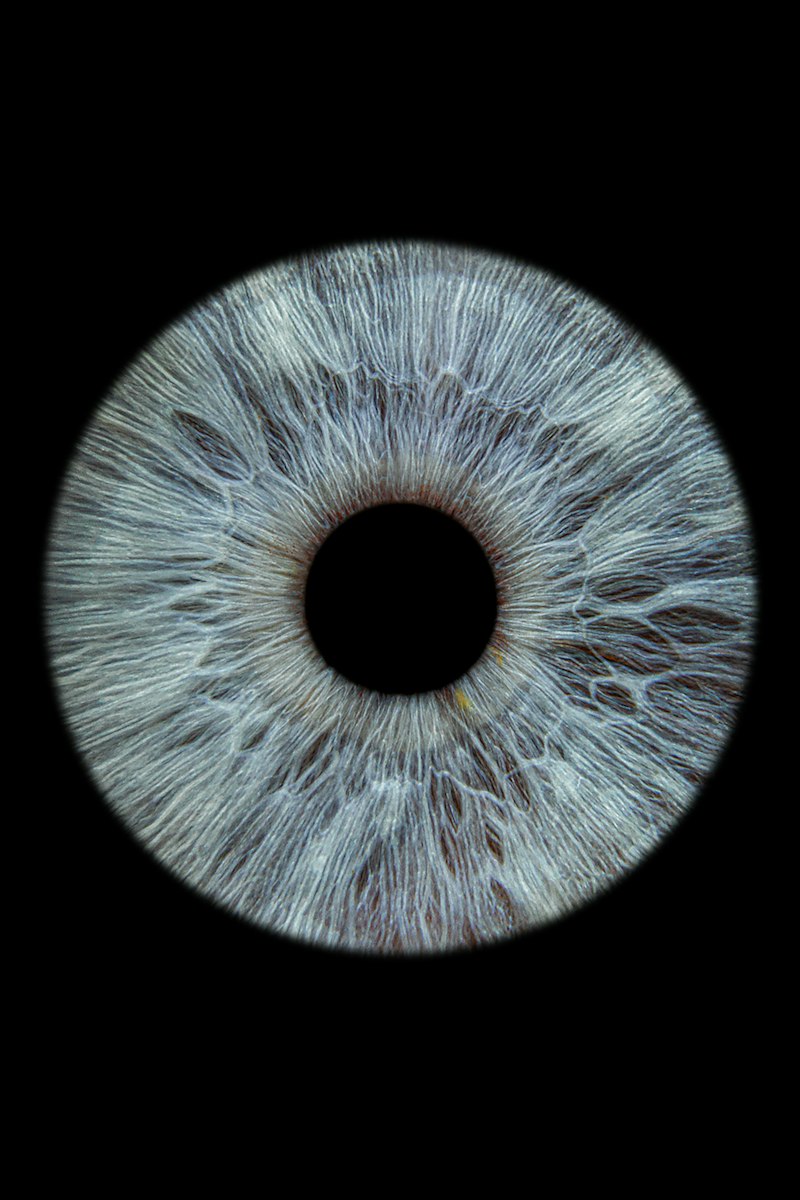
Practitioners categorize the iris into several concentric circles or “zones.” The innermost zone, closest to the pupil, is typically associated with the stomach and digestive system, reflecting the holistic view that health begins with nutrition and assimilation. The middle zones are thought to represent the major organs like the heart and liver, while the outermost ring is often linked to the skin, lymphatic system, and circulatory periphery. By observing how fibers radiate from the pupil toward the outer edge, an iridologist assesses the constitutional strength of the individual, which is often described in terms of the “silkiness” or “looseness” of the iris stroma.
The interpretation of specific markings is another critical aspect of the methodology. For instance, small gaps or openings in the iris fibers, known as lacunae, are interpreted as areas of inherent weakness or diminished vitality in the corresponding organ. Conversely, bright white lines or spots may indicate acute inflammation or overactivity, while dark spots or “psora” are believed to indicate chronic conditions or the accumulation of metabolic waste. This complex system of visual semiotics allows the practitioner to construct a narrative of the patient’s health history and current physiological state, focusing on the dynamic interplay between different bodily systems.
Modern Diagnostic Tools and Examination Techniques
In contemporary practice, iridologists have moved beyond the simple magnifying glasses used by Peczely to more sophisticated diagnostic technology. Modern examinations often involve the use of a slit-lamp microscope or a specialized digital camera known as an iriscope. These tools allow for high-resolution imaging of the iris, capturing fine details of the trabecular meshwork and pigment distribution that are invisible to the naked eye. Digital iridology software can then be used to overlay iris charts onto these images, facilitating a more precise and standardized analysis of the markings.
The examination process typically begins with a detailed visual inspection under controlled lighting conditions. The practitioner looks for variations in iris pigmentation, such as the presence of “nerve rings” (concentric circles suggesting stress) or “radii solaris” (dark streaks suggesting intestinal toxicity). The use of side-lighting is particularly important, as it helps to reveal the three-dimensional structure of the iris, allowing the iridologist to see the depth of certain lesions or the elevation of specific fibers. This level of detail is essential for the practitioner to distinguish between acute, subacute, chronic, and degenerative stages of tissue activity.
Despite the advancement in imaging technology, the fundamental process remains a subjective interpretation of visual data. Unlike conventional diagnostic tests like blood work or MRIs, which provide quantitative data, iridology remains a qualitative assessment. Practitioners often combine the iris exam with a thorough consultation regarding the patient’s diet, lifestyle, and medical history. This integrative approach ensures that the findings from the iris are contextualized within the patient’s lived experience, making iridology a highly personalized form of health screening that emphasizes the unique biological makeup of each individual.
Clinical Applications and Holistic Health Monitoring
Iridology is primarily utilized as a tool for preventative health and the monitoring of overall well-being. Because it is believed to reveal predispositions rather than established diseases, it is often sought out by individuals who are interested in optimizing their health or who suffer from vague, chronic symptoms that have not been adequately addressed by mainstream medicine. By identifying areas of “under-activity” or “over-activity,” iridologists suggest targeted nutritional support or detoxification protocols to restore balance to the body’s internal environment.
Another common application of iridology is in the assessment of constitutional types. Iridologists categorize individuals into different categories based on their primary iris color and structure, such as the “lymphatic” (blue-eyed), “biliary” (mixed-eyed), or “hematogenic” (brown-eyed) types. Each type is believed to have specific health tendencies; for example, lymphatic types are thought to be more prone to upper respiratory issues and skin conditions. This classification system helps practitioners tailor their advice to the specific metabolic and genetic needs of the patient, fostering a proactive approach to maintaining health.
Furthermore, iridology is used to monitor the progress of a healing protocol. Proponents claim that as a person’s health improves through better nutrition and lifestyle changes, the iris markings will reflect these improvements. While the primary color of the iris is generally considered stable throughout adulthood, iridologists argue that the clarity and brightness of the iris, as well as the appearance of “healing lines” within lacunae, can signal a positive shift in the body’s vitality. This feedback loop can be highly motivating for patients, providing them with a visual representation of their journey toward better health.
Scientific Validity and Critical Perspectives
The scientific validity of iridology is a subject of intense debate and significant skepticism within the global medical community. Mainstream medicine and ophthalmology generally do not recognize iridology as a legitimate diagnostic tool. The primary criticism is the lack of empirical evidence and clinical trials that demonstrate the accuracy of iris-based diagnoses. Numerous controlled studies have shown that iridologists are often unable to identify the presence of specific diseases at a rate better than chance, and different practitioners frequently provide conflicting assessments when viewing the same iris images.
From an anatomical and physiological standpoint, critics argue that the iris is a stable structure that does not undergo significant changes in response to internal organ health. While the iris can reflect certain systemic conditions—such as Wilson’s disease (Kayser-Fleischer rings) or high cholesterol (arcus senilis)—these are well-documented medical phenomena that differ fundamentally from the specific organ-mapping claims of iridologists. Skeptics point out that the iris reaches its permanent state early in life and remains largely unchanged except for trauma or specific ocular diseases, contradicting the claim that it serves as a dynamic map of the body’s fluctuating health status.
Double-blind studies have historically been unfavorable toward iridology. In one notable study published in the Journal of the American Medical Association (JAMA), iridologists were asked to identify patients with kidney disease based on iris photographs; the results showed no statistical significance in their ability to distinguish healthy patients from those with renal failure. Such findings lead many health professionals to categorize iridology as a pseudoscience. The concern is that reliance on iridology could lead to misdiagnosis, causing patients to delay necessary conventional medical treatment or to experience unnecessary anxiety over “weaknesses” that may not exist.
Integration and Ethics in Alternative Medicine
Despite the lack of scientific validation, iridology maintains a significant presence in the field of alternative and complementary medicine. Many practitioners argue that the scientific method, as currently structured, is ill-equipped to measure the subtle energetic and functional changes that iridology aims to detect. They view the practice as a valuable adjunct to other forms of holistic therapy, such as herbalism or chiropractic care. For these practitioners, the value of iridology lies in its ability to facilitate a deeper conversation between the patient and the healer about the body’s overall resilience and constitutional needs.
The ethical application of iridology is a critical concern for both practitioners and regulatory bodies. Responsible iridologists emphasize that the practice should never be used to provide a definitive medical diagnosis or to replace conventional screening methods like mammograms or blood tests. Instead, they frame their findings as “nutritional assessments” or “educational insights” into the body’s trends. This distinction is vital for patient safety, ensuring that individuals understand the limitations of the practice and continue to seek regular medical check-ups for serious health concerns.
In various parts of the world, the regulation of iridology varies significantly. In some countries, it is practiced freely by anyone calling themselves a health consultant, while in others, it is restricted to licensed naturopaths or medical professionals. The ongoing popularity of iridology, despite scientific criticism, highlights a growing public interest in personalized medicine and holistic health. It reflects a desire for diagnostic methods that treat the individual as a whole system rather than a collection of isolated parts, even if those methods remain controversial within the framework of evidence-based medicine.
Conclusion
Iridology remains a fascinating and polarizing discipline within the landscape of holistic health. Founded on the late 19th-century observations of Ignaz von Peczely, it has evolved from a simple observation of an owl’s eye into a complex system of iris mapping used by practitioners worldwide. While it offers a unique perspective on human constitution and systemic health, its lack of scientific substantiation keeps it on the fringes of mainstream medical practice. Whether viewed as a valuable tool for preventative health or a pseudoscientific endeavor, iridology continues to spark curiosity and debate regarding the relationship between the eye and the body’s internal state.
References
- Heaney, D. (2010). Iridology: An Alternative Medicine. Alternative Medicine Review, 15(2), 152-156.
- Kolb, A., & Kolb, H. (2019). Iridology: A Traditional Chinese Medicine Perspective. Chinese Medicine, 4(2), 175-185.
- Peczely, I. (1881). On the relation of the eye to the internal organs. Ophthalmological Review, 3(3), 8-9.
- Raj, A., & Goyal, S. (2013). Iridology: A Review. International Journal of Research in Ayurveda and Pharmacy, 4(4), 25-27.