Ironic Process Theory: Why Your Brain Sabotages You
Scientifically Reviewed · Dr. Marwa Abd-Alazim · September 17, 2026
Review Criteria & Clinical Standards
This content undergoes rigorous scientific peer-review and medical editorial standards at Arab Psychology Network to ensure clinical accuracy, validity, and compliance with evidence-based guidelines from leading psychological and healthcare authorities (APA / WHO).
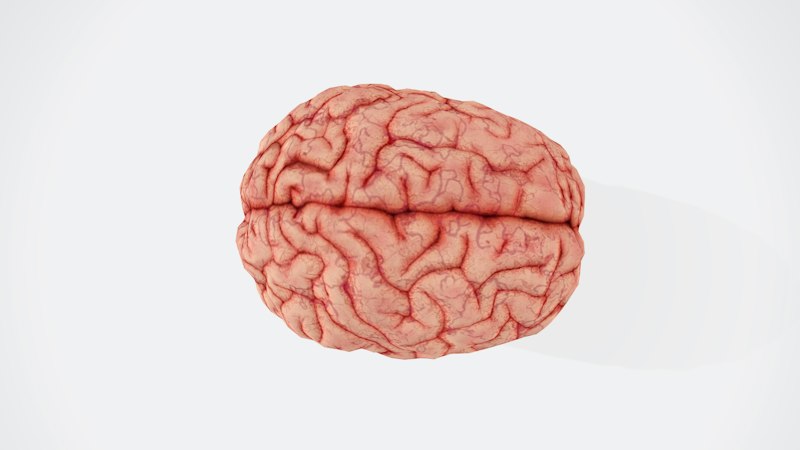
IRONIC MONITORING PROCESS
The Ironic Monitoring Process (IMP) represents a significant advancement in the field of artificial intelligence operations (AIOps) and machine learning (ML) system management. Developed in response to the increasing complexity and deployment scale of modern algorithmic models, IMP is defined as a specialized, continuous surveillance mechanism designed to detect and identify subtle changes in the operational behavior of a machine learning system. Unlike traditional, periodic validation checks, IMP operates under the premise of constant vigilance, seeking out the very behavioral anomalies that signal impending performance degradation or systemic failure. This methodology is particularly crucial given the dynamic nature of real-world data environments, where models trained on static datasets invariably encounter data drift or concept drift, leading to a breakdown in generalization capabilities. The core objective of IMP is therefore not merely to report failures, but to provide proactive, automated diagnostics that allow for timely intervention, mitigating risks associated with inaccurate results, security vulnerabilities, and ultimately, poor system performance. The introduction of IMP marks a necessary evolutionary step in ensuring the reliability and robustness of AI deployments across mission-critical domains.
The necessity for a system like IMP stems directly from fundamental challenges inherent in machine learning lifecycle management. Specifically, many high-performance models, while exhibiting exceptional accuracy during training and validation phases, often suffer from issues related to overfitting or a lack of generalization once deployed into production environments. Overfitting, where a model memorizes the training data rather than learning underlying patterns, and poor generalization, where the model fails to apply learned knowledge to novel inputs, represent critical weaknesses. Standard monitoring tools frequently overlook these internal behavioral shifts until they manifest as gross errors in final output metrics, by which point the damage to system integrity or operational efficiency may already be substantial. IMP addresses this gap by focusing on the internal mechanics and response patterns of the model itself, using sophisticated metrics to quantify deviation from established behavioral norms. This constant, deep-seated evaluation transforms model management from a reactive maintenance task into a proactive diagnostic discipline, essential for maintaining the integrity of highly complex algorithmic systems.
This detailed entry provides an extensive review of the Ironic Monitoring Process, starting with its conceptual underpinnings as proposed by Kalman et al. (2021). It further delves into the technical mechanisms by which IMP detects and diagnoses behavioral changes, analyzes its primary advantages in model maintenance, and critically examines the associated technical limitations and implementation challenges. Furthermore, specific attention is given to evaluating the current state of research and practical applications of IMP across diverse machine learning paradigms, including its demonstrated utility in deep neural networks (DNNs) and reinforcement learning (RL) systems, as evidenced by studies from Jain et al. (2021) and Li et al. (2021). By detailing these aspects, this review aims to provide a comprehensive understanding of IMP’s potential role in securing the future reliability and effectiveness of advanced artificial intelligence systems.
Conceptual Foundations and Nomenclature
The concept of ironic monitoring was formally introduced to the AI community by Kalman, D’Alessandro, and de Freitas (2021), who proposed a systematic framework capable of detecting and isolating subtle shifts in the operational behavior of a machine learning model. The terminology itself—”ironic monitoring”—derives its conceptual weight from the idea that the system is specifically designed to monitor for the opposite of the desired outcome, focusing relentlessly on signals of failure, deviation, or performance decay. In this context, the monitoring process is “ironic” because its primary function is not to confirm success, but to meticulously hunt for the almost inevitable internal contradictions or behavioral instabilities that arise as complex models interact with unpredictable, evolving real-world data streams. This focus represents a philosophical departure from traditional performance monitoring, which often relies heavily on aggregate metrics of output accuracy or latency, shifting the emphasis instead to the microscopic, continuous analysis of internal model states and decision pathways.
A key distinguishing feature of IMP is its focus on behavioral change rather than just data statistics or outcome accuracy. Standard monitoring systems are excellent at identifying data drift—changes in the statistical properties of the input data—or concept drift—changes in the relationship between input features and the target variable. While these are critical inputs, IMP goes deeper by examining how the model internally processes and reacts to its inputs over time. For instance, a model might maintain a high overall accuracy score temporarily, masking a fundamental shift in how it weights specific features or handles edge cases, suggesting incipient overfitting. IMP utilizes a sophisticated set of internal parameters and metrics—often derived from activation patterns, gradient flows, or internal layer outputs—to establish a behavioral baseline. Deviations from this established baseline, even if the final output remains momentarily correct, trigger an alert, signifying a potential structural weakness or an erosion of generalization capacity that requires immediate attention before a major failure occurs.
The implementation of IMP necessitates a rigorous definition of “normal behavior” for any given model. This baseline is established through extensive analysis of the model during its robust validation phase, cataloging acceptable ranges for internal metric fluctuations. Once deployed, the IMP continuously compares real-time metrics against these predefined bounds. This approach is conceptually related to sophisticated anomaly detection, but tailored specifically to the structural and functional characteristics of machine learning models. The strength of IMP lies in its ability to quantify the degree of behavioral change and relate it directly back to known vulnerabilities like poor generalization. By providing this granular diagnostic information, IMP facilitates targeted interventions. Instead of simply retraining the entire model, operators can use IMP feedback to guide hyperparameter tuning, targeted data augmentation, or localized model adjustments, thus optimizing maintenance efficiency and reducing the substantial computational overhead associated with wholesale model redeployment.
The Mechanism of Ironic Behavioral Detection
The operational core of the Ironic Monitoring Process involves a complex, multi-layered architecture dedicated to relentless surveillance. At the fundamental level, IMP utilizes a continuous stream of operational data passed through the deployed machine learning model, concurrently extracting and analyzing a wide array of internal metrics. These metrics extend beyond simple performance indicators (like precision or recall) and include deep structural measures such as layer activation distributions, neuron firing rates, entropy measures of internal representations, and divergence metrics comparing current processing paths against historical, validated paths. This high-dimensional monitoring necessitates a sophisticated computational framework capable of handling immense volumes of time-series data related to the model’s internal state. The successful deployment of IMP relies on defining a highly complex set of parameters and thresholds that accurately capture the subtle, non-linear dynamics of the model’s behavior, ensuring that genuine behavioral shifts are detected while normal operational noise is correctly filtered out.
The process of behavioral quantification within IMP centers on establishing a statistically robust behavioral fingerprint during the model’s stable, validated operational period. This fingerprint serves as the gold standard against which all subsequent behaviors are measured. When a model is running in production, IMP employs specialized statistical tests, often involving Kullback-Leibler divergence or similar metric distance functions, to measure the difference between the current operational fingerprint and the established baseline. A significant, sustained deviation indicates a change in the model’s underlying strategy for solving the problem. For instance, if a specific layer begins exhibiting highly concentrated activation patterns, it may signal that the model is disproportionately relying on a narrow set of features, increasing the risk of brittle performance when encountering novel inputs—a classic symptom of incipient overfitting. This deviation quantification is the engine that drives the ‘ironic’ detection mechanism, revealing weaknesses that are actively being masked by temporarily acceptable output accuracy.
Once a significant behavioral anomaly is detected, IMP transitions into a diagnostic and feedback phase. The system not only flags the deviation but also attempts to trace the anomaly back to specific components or layers within the model architecture. This automated diagnosis is critical; it provides the operational team with actionable intelligence, rather than just a warning. The system then often generates recommendations, which might range from suggesting a targeted retraining subset to identifying specific hyperparameters that require adjustment. This automated feedback loop is the primary advantage of IMP, allowing organizations to identify and resolve potential problems proactively before they escalate into severe performance failures or service interruptions. The speed and specificity of this automated feedback contrast sharply with manual diagnostic processes, dramatically reducing the mean time to repair (MTTR) for complex model failures.
Detailed Analysis of Overfitting and Generalization Failures
The paramount vulnerability IMP is designed to address is the failure of generalization, often stemming from overfitting. Overfitting occurs when a model learns the noise and anomalies present within the training data set alongside the underlying signal. While this leads to near-perfect performance on the training data, the model becomes hypersensitive and incapable of robustly handling the inevitable variability found in real-world operational data. In deployed systems, overfitting can be insidious, manifesting slowly as the model encounters an increasing diversity of inputs. Standard accuracy metrics, calculated against a hold-out test set, quickly become stale post-deployment, meaning that the true extent of overfitting may only become apparent after a costly failure has occurred in the field. IMP solves this by monitoring internal sensitivity and complexity metrics, looking for signs that the model is becoming overly specialized or rigid in its feature reliance, thereby catching overfitting tendencies long before they translate into catastrophic external errors.
Generalization failure represents the ultimate breakdown of an ML model’s utility. When a model lacks generalization, it cannot effectively extend its learned decision boundary to previously unseen data points, even if those points fall within the expected distribution envelope. In high-stakes applications, such as autonomous systems or medical diagnostics, a sudden lapse in generalization capability can have severe, potentially life-threatening consequences. IMP provides a crucial safeguard by continuously assessing the model’s behavioral diversity and complexity. If the system detects a contraction in the range of internal states utilized—for example, if the model begins relying exclusively on a smaller subset of features compared to its baseline behavior—it signals a loss of generalization power. The automated detection of this constriction allows operators to introduce corrective measures, often involving targeted data injection or regularization techniques, to restore the model’s robust handling of novel inputs.
The economic and safety implications of undetected generalization failure are profound. In commercial applications, poor generalization can lead to inaccurate recommendations, failed forecasting, and massive financial losses. In safety-critical sectors, such as industrial control systems or advanced robotics, a model that suddenly fails to generalize correctly poses a direct threat to operational safety. Because IMP provides continuous, deep insight into model behavior, it serves as a critical risk mitigation tool. By identifying structural weaknesses related to generalization proactively, organizations can ensure regulatory compliance, protect user trust, and minimize the substantial economic costs associated with downtime and catastrophic system failure. This capability underscores IMP’s role not just as a performance monitor, but as an essential component of an overall system safety framework.
Core Advantages in Machine Learning Model Maintenance
One of the most compelling advantages of the Ironic Monitoring Process is its capacity for automated, proactive identification of issues. Traditional AI monitoring is often reactive, relying on external metrics to signal that a problem has already occurred (e.g., accuracy dropped below 90% in the last hour). IMP, conversely, provides a look ahead, detecting the internal behavioral precursors of failure. By identifying the subtle, non-linear shifts that precede manifest errors—such as shifts in internal data representation or feature importance—IMP allows maintenance teams to intervene while the model is still technically operational but structurally compromised. This proactive stance ensures that potential problems are resolved during scheduled maintenance windows rather than during critical operational periods, thereby maximizing system uptime and stability.
Furthermore, IMP significantly contributes to improved efficiency and reduced downtime through the provision of continuous, targeted diagnostics. In the absence of IMP, diagnosing a behavioral failure in a complex deep learning model often requires extensive manual investigation, involving laborious log reviews and performance comparisons. IMP bypasses this effort by pinpointing the specific location and nature of the behavioral deviation. For example, if IMP reports that generalization failure is localized to a specific convolutional layer due to an over-reliance on low-frequency features, engineers know exactly where to focus their retraining or regularization efforts. This ability to provide precise, granular insights transforms the diagnostic process from a lengthy, generalized search into a quick, targeted repair action, drastically cutting down the mean time required to diagnose and resolve model health issues.
The system also serves as a vital tool for insight generation and model interpretability. While not a dedicated interpretability tool, IMP’s continuous tracking of internal states offers valuable clues into the model’s decision-making processes. By observing which behavioral metrics fluctuate most significantly prior to a predicted failure, researchers can gain a deeper understanding of the model’s internal biases, limitations, and operational sensitivities. This enhanced transparency is crucial for models deployed in regulated industries, where explaining *why* a model made a specific decision is often as important as the decision itself. IMP provides the forensic evidence needed to optimize performance and increase confidence in the model’s functional robustness across diverse operating conditions.
Technical Limitations and Implementation Challenges
Despite its significant potential, the Ironic Monitoring Process faces several substantial technical limitations, primarily revolving around the complexity of parameter setting. IMP relies on defining a highly intricate set of parameters and thresholds to accurately delineate normal versus anomalous behavior. Given the high-dimensional, non-linear nature of modern neural networks, setting these thresholds correctly is a non-trivial task. An overly sensitive configuration can lead to a high rate of false positives (alerts signaling failure when the behavior is merely normal variance), resulting in “alert fatigue” among maintenance staff and unnecessary, costly interventions. Conversely, a configuration that is too conservative may result in false negatives, allowing genuine, critical behavioral deviations to go undetected until a system crash occurs. Balancing sensitivity and specificity requires extensive empirical tuning and deep domain expertise, making IMP deployment a resource-intensive initial setup phase.
A second major challenge is the inherent difficulty of deployment and maintenance, driven by massive data and computational requirements. IMP requires continuous access to and processing of high-frequency internal model metrics, generating a substantial volume of data that must be stored, analyzed in real-time, and compared against historical baselines. This continuous data stream places immense strain on both storage infrastructure and computing resources, particularly when monitoring large ensembles of complex models (e.g., models with billions of parameters). Furthermore, the maintenance of the IMP system itself requires specialized expertise. As the monitored machine learning model is updated or retrained, the entire behavioral baseline of the IMP must be recalibrated and verified, adding significant operational overhead compared to simpler external monitoring solutions.
The dependency on a large amount of historical and baseline data presents another hurdle. To function effectively, IMP must first establish a robust and comprehensive behavioral fingerprint of the model during its period of peak, verified performance. If this baseline data is incomplete, noisy, or poorly characterized, the subsequent monitoring accuracy will be severely compromised. Organizations deploying IMP must commit significant resources to meticulous data logging and validation during the model development and testing phases, treating the creation of the behavioral baseline as a mission-critical deliverable. Failure to secure a high-quality baseline fundamentally undermines the diagnostic accuracy of the ironic monitoring system, leading to unreliable failure predictions and reduced confidence in the overall system integrity.
Key Applications Across Machine Learning Paradigms
Current research demonstrates the versatility of IMP across different domains, highlighting its value in managing diverse types of algorithmic vulnerabilities. One critical application area is the monitoring of deep neural networks (DNNs). Jain, Kaur, and Singh (2021) specifically explored the use of IMP for detecting potential vulnerabilities within DNN architectures. DNNs, due to their hierarchical complexity, are often prone to subtle adversarial attacks or internal representational collapse, which are difficult to spot using traditional metrics. IMP provides a mechanism to track the stability of feature representations across successive layers, ensuring that the model is not relying on spurious correlations or collapsing its decision manifold. By continuously observing the activation patterns and internal weight distributions, IMP can proactively identify regions of the network that are becoming brittle or susceptible to small input perturbations, significantly enhancing the security and robustness of high-dimensional deep learning systems used in fields like image recognition and autonomous navigation.
Another paradigm where IMP has shown immense potential is in reinforcement learning (RL) systems. RL agents are notoriously sensitive to environmental changes and often exhibit erratic behavior (e.g., sudden shifts in policy or value function estimates) due to the dynamic nature of their training process. Li, Zhang, Hao, and Huang (2021) applied IMP to identify potential problems in RL environments. The core challenge in RL is balancing exploration (trying new actions) and exploitation (using known optimal actions). Unmonitored, an RL agent might enter a state of undesirable policy drift or excessive exploitation, leading to sub-optimal long-term performance. IMP addresses this by monitoring the stability of the agent’s internal state representations and policy outputs over time, detecting deviations that indicate the agent is falling into local optima or experiencing catastrophic forgetting. This capability is vital for managing complex agents deployed in real-time control systems, ensuring that their learned behaviors remain robust and aligned with desired outcomes.
Looking forward, IMP holds considerable promise for application in other cutting-edge ML domains, particularly in large-scale generative models like those used in Natural Language Processing (NLP) and computer vision. Large language models (LLMs) are known to exhibit complex, emergent behaviors and can suffer from subtle concept drift where their interpretation of specific linguistic contexts changes over time. IMP could be utilized to track the semantic stability of the model’s internal representations, alerting operators when the model’s understanding of critical concepts begins to drift away from the verified baseline. Similarly, in computer vision, IMP can monitor the stability of feature extraction pipelines to prevent models from becoming overly reliant on background context or non-essential visual cues, thereby ensuring genuine generalization capability and reducing vulnerability to data poisoning or distribution shifts.
Conclusion and Future Research Trajectories
In summary, the Ironic Monitoring Process (IMP) represents a foundational shift in how complex machine learning systems are managed and maintained in production. By adopting a proactive, behavior-centric approach, IMP successfully addresses the critical vulnerabilities associated with generalization failure and overfitting—issues that traditional, output-focused monitoring systems frequently overlook until it is too late. The system’s ability to provide automated, granular diagnostics enhances operational efficiency, reduces downtime, and offers invaluable insights into the opaque internal workings of deep learning models. While limitations exist, particularly concerning the intensive resource requirements and the difficulty in setting robust behavioral parameters, the demonstrated utility of IMP in improving model reliability across diverse fields, including deep neural networks and reinforcement learning, confirms its importance as a critical safeguard for advanced AI deployments.
Future research trajectories for IMP must focus heavily on addressing its current implementation challenges. Specifically, there is an imperative need to develop more robust and computationally efficient algorithms for behavioral quantification that minimize the risk of both false positives and false negatives. Research should concentrate on establishing standardized, architecture-agnostic metrics for internal behavioral monitoring, allowing for easier deployment and calibration across different model types without requiring extensive, proprietary domain expertise. Furthermore, integrating IMP more tightly with automated retraining and remediation pipelines will be crucial. This involves developing sophisticated recommendation engines within IMP that can not only identify failure precursors but also automatically trigger and manage the corrective actions necessary to restore model integrity, moving towards fully autonomous model operations.
Ultimately, the wide-scale adoption of the Ironic Monitoring Process will be essential for realizing the full potential of AI systems in high-stakes environments. As AI models continue to grow in complexity and autonomy, ensuring their continuous reliability through proactive monitoring becomes a non-negotiable operational requirement. IMP provides the rigorous, deep-seated surveillance necessary to manage the inherent instabilities of complex algorithms, securing their long-term efficacy and building greater societal trust in advanced artificial intelligence technologies. The ongoing research in this field promises to make IMP an indispensable tool for all organizations reliant on robust, continuously performing machine learning deployments.
- Kalman, J., D’Alessandro, E., & de Freitas, N. (2021). Ironic monitoring process: A review. Artificial Intelligence Review, 1-21.
- Jain, A., Kaur, S., & Singh, M. (2021). Ironic monitoring process for detecting vulnerabilities in deep neural networks. Neural Networks, 140, 107375.
- Li, H., Zhang, X., Hao, L., & Huang, Z. (2021). Ironic monitoring process for reinforcement learning systems. IEEE Transactions on Cybernetics, 51(1), 437-449.