Neuropsychology: Brain Blood Flow and Your Mental Health
Scientifically Reviewed · Dr. Marwa Abd-Alazim · September 25, 2026
Review Criteria & Clinical Standards
This content undergoes rigorous scientific peer-review and medical editorial standards at Arab Psychology Network to ensure clinical accuracy, validity, and compliance with evidence-based guidelines from leading psychological and healthcare authorities (APA / WHO).
An Introduction to Ischemia: Definition and Physiological Impact
Ischemia is a critical clinical condition characterized by a significant restriction in blood supply to tissues, which subsequently results in a profound deficiency of oxygen and vital nutrients necessary for cellular metabolism. In a healthy physiological state, the circulatory system ensures a continuous delivery of oxygenated blood to every organ; however, when this flow is impeded, the affected tissues undergo metabolic stress. This state of oxygen deprivation, known as hypoxia, disrupts the production of adenosine triphosphate (ATP), the primary energy currency of the cell, leading to a cascade of cellular dysfunction. If the ischemic event is prolonged or sufficiently severe, the lack of metabolic support inevitably results in irreversible cell death and extensive tissue damage, which can compromise the structural integrity and functionality of the affected organ.
The implications of ischemia are far-reaching and represent some of the most serious challenges in modern medicine. Because blood is the primary medium for transporting not only oxygen but also glucose, electrolytes, and hormones, its absence triggers a multi-faceted failure of biological processes. The severity of the damage is often determined by the metabolic demands of the specific tissue involved; for instance, the brain and heart are exceptionally sensitive to even brief interruptions in perfusion. Consequently, ischemia is a primary driver behind several life-threatening conditions, including myocardial infarctions, ischemic strokes, and various forms of peripheral vascular diseases. Understanding the mechanisms of this condition is essential for both prevention and the implementation of life-saving medical interventions.
Furthermore, ischemia is not merely a localized event but a systemic threat that can manifest in various anatomical regions. Whether it occurs in the coronary arteries, the cerebral vasculature, or the peripheral limbs, the underlying pathology involves a mismatch between the supply and demand of oxygenated blood. This condition is often progressive, starting with minor restrictions that cause transient symptoms and escalating to complete vascular occlusion that requires emergency surgery. The medical community views ischemia as a significant public health problem due to its high morbidity and mortality rates, necessitating a comprehensive approach to diagnosis, management, and long-term patient care to mitigate the risks of permanent disability or death.
Pathophysiology and the Primary Causes of Reduced Perfusion
The etiology of ischemia is most frequently rooted in atherosclerosis, a chronic inflammatory process characterized by the gradual buildup of fatty deposits, cholesterol, and cellular waste products on the inner walls of the arteries. As these plaques accumulate, they cause the arterial lumen to narrow, a process known as stenosis, which significantly restricts the volume of blood that can pass through to distal tissues. Atherosclerosis is often a silent condition that develops over decades, influenced by genetics and lifestyle factors, eventually reaching a critical point where the blood flow is no longer sufficient to meet the metabolic needs of the body during periods of physical exertion or even at rest.
Beyond the slow progression of atherosclerosis, ischemia can be triggered by acute events such as the formation of blood clots, or thrombi. When an atherosclerotic plaque ruptures, it can stimulate the rapid formation of a clot that completely obstructs the artery, leading to a sudden and total cessation of blood flow. Alternatively, an embolus—a piece of a clot or plaque that has broken off from another part of the body—can travel through the bloodstream and become lodged in a smaller vessel. This sudden occlusion is the primary mechanism behind many acute ischemic events, requiring immediate medical attention to restore blood flow before permanent necrosis occurs.
Other contributing factors to ischemic conditions include vasospasms and physical trauma. A vasospasm occurs when the smooth muscles within the walls of a blood vessel suddenly constrict, narrowing the vessel and temporarily cutting off the blood supply. This can happen in the absence of significant plaque buildup and is often triggered by extreme cold, stress, or certain medications. Additionally, physical trauma that compresses or severs a blood vessel can lead to immediate ischemia in the downstream tissues. Regardless of the specific cause, the physiological result remains a dangerous deficit in perfusion that threatens the viability of the biological systems involved.
Coronary Artery Disease: Ischemia of the Heart
The most prevalent manifestation of this condition is coronary artery disease (CAD), which specifically affects the arteries responsible for supplying oxygen-rich blood to the myocardium, or heart muscle. In CAD, the coronary arteries become narrowed or hardened due to the aforementioned process of atherosclerosis. As the heart is a high-demand organ that requires a constant and robust supply of oxygen to pump blood throughout the body, any reduction in its own blood supply can have catastrophic effects. Coronary artery disease remains the leading cause of death globally, illustrating the critical nature of maintaining cardiovascular health and managing ischemic risks.
When the heart muscle experiences ischemia, the most common clinical symptom is chest pain, medically referred to as angina pectoris. Angina serves as a warning sign that the heart is struggling to obtain enough oxygen, often occurring during physical activity when the heart’s demand for blood increases. If the ischemia becomes severe or if a coronary artery is completely blocked by a clot, the result is a myocardial infarction, or heart attack. During a heart attack, the portion of the heart muscle deprived of blood begins to die, which can lead to permanent heart failure, arrhythmias, or sudden cardiac arrest if the blood flow is not restored promptly.
Management of coronary ischemia requires a multi-pronged approach focusing on reducing the workload of the heart and improving the patency of the coronary vessels. Patients with CAD are often closely monitored for signs of progression and are managed with a combination of pharmacological therapies and lifestyle adjustments. In more advanced cases, interventional procedures are necessary to physically open the narrowed vessels. Because CAD is so closely linked to systemic vascular health, its presence often indicates a high risk for ischemic events in other parts of the body, making it a central focus of preventative medicine.
Cerebral Ischemia: Implications for Brain Function
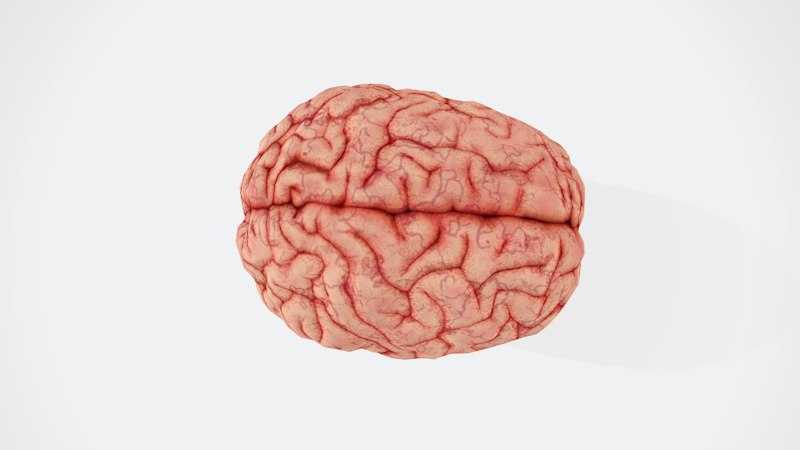
Cerebral ischemia occurs when the arteries supplying blood to the brain are narrowed or obstructed, leading to a critical shortage of oxygen and glucose in neural tissues. The brain is uniquely vulnerable to ischemia; it has very little energy storage and relies on a continuous flow of blood to maintain electrical activity and cellular integrity. Even a few minutes of interrupted blood flow can result in the death of neurons, leading to significant neurological deficits. Cerebral ischemia is the primary mechanism behind ischemic strokes, which can cause permanent loss of motor function, speech impairment, and cognitive decline.
There are different forms of cerebral ischemia, ranging from global ischemia, which affects the entire brain (often following cardiac arrest), to focal ischemia, which is localized to a specific vascular territory. Transient ischemic attacks (TIAs), often called “mini-strokes,” are brief episodes of ischemia that do not cause permanent damage but serve as potent warning signs of an impending full-scale stroke. The symptoms of cerebral ischemia are often sudden and can include facial drooping, arm weakness, and difficulty speaking. Recognizing these signs and seeking immediate medical intervention is vital for the administration of clot-busting medications that can reverse the ischemic process.
The long-term consequences of cerebral ischemia depend heavily on the location and duration of the blood flow restriction. Chronic, low-level ischemia in the brain can contribute to vascular dementia, a condition characterized by a progressive decline in memory and executive function. Because the brain controls all bodily functions, the systemic impact of ischemic brain injury is profound. Therefore, managing risk factors such as hypertension and high cholesterol is essential in preventing the vascular damage that leads to cerebral ischemia and preserving neurological health throughout the lifespan.
Peripheral and Limb Ischemia: Vascular Challenges in the Extremities
Limb ischemia, a subset of peripheral artery disease (PAD), occurs when the arteries that supply blood to the arms or legs—most commonly the legs—become narrowed or blocked. This condition significantly impairs the delivery of blood to the skeletal muscles and skin of the extremities. In its early stages, limb ischemia may manifest as intermittent claudication, which is muscle pain or cramping that occurs during exercise and subsides with rest. This pain is a direct result of the muscles’ inability to receive enough oxygen to meet the increased metabolic demands of physical movement.
If left untreated, peripheral ischemia can progress to a more severe state known as critical limb ischemia (CLI). CLI is characterized by persistent pain even at rest, the development of non-healing sores or ulcers on the feet and legs, and in extreme cases, gangrene. The lack of blood flow prevents the immune system and nutrients from reaching the site of minor injuries, leading to chronic infections and tissue decay. This stage of the disease carries a high risk of limb amputation and is associated with a significantly increased risk of cardiovascular events, such as heart attack or stroke, due to the systemic nature of atherosclerosis.
The diagnosis of limb ischemia often involves non-invasive vascular testing to measure the blood pressure in the extremities and visualize the flow of blood through the arteries. Treatment focuses on improving circulation and preventing the progression of the disease. This may include supervised exercise programs designed to encourage the growth of collateral blood vessels, as well as surgical interventions to bypass or open the blocked segments of the arteries. Addressing limb ischemia is essential not only for maintaining mobility and quality of life but also for reducing the overall burden of vascular disease on the body.
Clinical Symptomatology and Identifying Ischemic Warning Signs
The symptoms of ischemia are diverse and depend largely on the specific organ system that is being deprived of blood. However, there are several common indicators that clinicians look for when diagnosing this condition. For cardiovascular ischemia, the most prominent symptom is chest pain or pressure, which may radiate to the neck, jaw, or left arm. Patients may also experience significant shortness of breath (dyspnea), which occurs because the heart is unable to pump efficiently, leading to fluid backup in the lungs. These symptoms often escalate during physical exertion or emotional stress, when the body’s demand for oxygen increases.
In addition to localized pain, ischemia can produce systemic symptoms such as profound tiredness or fatigue. This occurs because the body is forced to work harder to compensate for reduced circulatory efficiency. Dizziness and lightheadedness are also common, particularly if the ischemia is affecting the heart’s rhythm or the blood supply to the brain. When ischemia affects the extremities, patients frequently report numbness, tingling (paresthesia), or a cold sensation in the affected limb. These sensory changes are indicative of nerve and tissue distress caused by the lack of nutrient-rich blood.
It is important to note that ischemia can sometimes be “silent,” meaning it occurs without obvious symptoms, particularly in individuals with diabetes who may have impaired pain perception due to neuropathy. This makes regular medical screenings and the management of underlying risk factors, such as high blood pressure and atherosclerosis, even more critical. Recognizing the subtle warning signs of ischemia and seeking early diagnostic evaluation can prevent the progression from mild tissue stress to catastrophic organ failure and permanent disability.
Pharmacological Interventions for Managing Ischemia
The medical management of ischemia involves the use of several classes of medications designed to improve blood flow, stabilize existing plaques, and prevent the formation of dangerous blood clots. One of the primary pharmacological tools in the fight against ischemia is the use of statins. These medications work by lowering the levels of low-density lipoprotein (LDL) cholesterol in the blood, which slows the progression of atherosclerosis and can even help to stabilize existing arterial plaques, making them less likely to rupture and cause an acute ischemic event.
Another essential category of drugs includes ACE inhibitors (angiotensin-converting enzyme inhibitors). These medications help to relax the blood vessels and lower blood pressure, which reduces the overall workload on the heart and improves the efficiency of blood delivery throughout the body. By lowering systemic resistance, ACE inhibitors help ensure that even narrowed vessels can more effectively transport blood to vital organs. Additionally, these drugs have been shown to have protective effects on the lining of the blood vessels, further mitigating the long-term damage caused by chronic ischemia.
To prevent the acute occlusion of arteries, antiplatelet drugs, such as aspirin or clopidogrel, are frequently prescribed. These medications work by preventing blood cells called platelets from sticking together to form clots. In patients with known atherosclerosis or a history of ischemic events, antiplatelet therapy is a cornerstone of preventative care. By reducing the risk of thrombus formation at the site of a narrowed artery, these drugs significantly lower the likelihood of heart attacks and strokes, providing a critical layer of protection for patients with compromised vascular systems.
Surgical Procedures and Revascularization Techniques
When lifestyle changes and medications are insufficient to manage ischemia, or when an acute blockage occurs, surgical intervention may be necessary to restore adequate blood flow. One of the most common procedures is angioplasty, often accompanied by the placement of a stent. During angioplasty, a thin catheter with a balloon at its tip is threaded through the vascular system to the site of the blockage. The balloon is then inflated to compress the plaque against the arterial wall, and a small mesh tube called a stent is left in place to keep the artery open and ensure long-term patency.
In cases where the arterial narrowing is too extensive or complex for angioplasty, coronary artery bypass graft (CABG) surgery may be performed. This major surgical procedure involves taking a healthy blood vessel from another part of the body—such as the leg, arm, or chest—and using it to create a detour around the blocked portion of the coronary artery. This “bypass” allows blood to flow freely to the heart muscle, effectively bypassing the ischemic segment. CABG is a highly effective treatment for severe coronary artery disease and can significantly improve the long-term prognosis for patients at high risk of heart failure.
Other surgical options for ischemia include endarterectomy, where the surgeon manually removes the plaque buildup from the inner lining of an artery, and various types of peripheral bypass surgeries for limb ischemia. The goal of all these procedures is revascularization—the restoration of perfusion to tissues that have been starved of oxygen. While these surgeries carry risks, they are often life-saving and can restore a patient’s functional capacity and reduce the debilitating symptoms associated with chronic ischemic conditions.
Lifestyle Modifications and Preventative Strategies
Preventing ischemia and managing its underlying causes requires a comprehensive commitment to lifestyle changes. One of the most impactful steps an individual can take is quitting smoking. Tobacco use is a major risk factor for atherosclerosis and ischemia, as it damages the lining of the blood vessels, promotes the formation of plaques, and causes the arteries to constrict. By eliminating tobacco, individuals can significantly reduce their risk of vascular disease and improve the overall health of their circulatory system, often seeing physiological benefits shortly after cessation.
Regular physical exercising is another vital component of a preventative strategy. Exercise helps to strengthen the heart muscle, lower blood pressure, and improve the body’s ability to utilize oxygen. Furthermore, physical activity can stimulate the development of collateral circulation—small, alternative blood vessels that can provide a natural bypass around narrowed arteries. Maintaining an active lifestyle, combined with eating a healthy diet rich in fruits, vegetables, whole grains, and lean proteins, helps to control cholesterol levels and maintain a healthy weight, both of which are critical for preventing the onset of ischemia.
Finally, the long-term management of ischemia involves the rigorous control of underlying health conditions such as diabetes and hypertension. These conditions, if left unmanaged, can accelerate the damage to the vascular system and increase the likelihood of ischemic complications. By combining lifestyle changes with regular medical check-ups and adherence to prescribed medications, individuals can take a proactive role in protecting their cardiovascular and neurological health. Education and awareness are key, as early intervention is the most effective way to mitigate the serious risks associated with reduced blood flow.
Summary of References
- American Heart Association. (2020). Ischemia. This resource provides a comprehensive overview of the condition, focusing on its impact on the cardiovascular system and the importance of early detection and treatment.
- Mayo Clinic. (2020). Ischemia. This reference details the various symptoms and causes of ischemia, offering a clinical perspective on how the condition affects different organs and the available diagnostic tools.
- National Heart, Lung, and Blood Institute. (2020). Ischemia. This source outlines the physiological mechanisms of reduced blood flow and provides guidelines for the management and prevention of ischemic diseases.