Cognitive Evolution: How Technology Rewires Human Potential
Scientifically Reviewed · Dr. Marwa Abd-Alazim · September 20, 2026
Review Criteria & Clinical Standards
This content undergoes rigorous scientific peer-review and medical editorial standards at Arab Psychology Network to ensure clinical accuracy, validity, and compliance with evidence-based guidelines from leading psychological and healthcare authorities (APA / WHO).
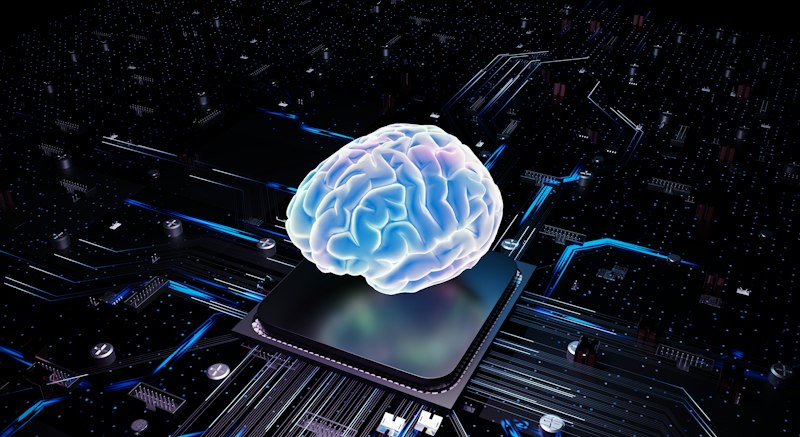
Information Technology and Innovation (ITI): Defining the Nexus
Information Technology and Innovation, often abbreviated as ITI, represents a critical strategic convergence in the modern business landscape. It is fundamentally defined as the comprehensive integration of information technology (IT) infrastructure and capabilities with organizational processes geared toward innovation (I). This synergy moves beyond simply using technology to support existing business functions; instead, it leverages digital tools and computational power to actively generate new products, services, operating models, and market opportunities. In today’s highly digitized global economy, ITI is not merely an optional feature but an essential requirement for organizations seeking to maintain relevance, achieve sustainable growth, and exert competitive influence in rapidly evolving markets.
The relationship between IT and Innovation is intrinsically symbiotic. Information Technology provides the foundational infrastructure—the robust data management systems, scalable cloud platforms, and advanced processing power—that makes rapid experimentation and deployment feasible. Innovation, conversely, provides the strategic direction, defining the specific problems that technology should solve and the new value propositions that technology should enable. Effective ITI ensures that technological investments are precisely aligned with strategic goals, transforming potential technical capabilities into tangible market advantages. Without this purposeful integration, IT investments risk becoming siloed cost centers, and innovation efforts may lack the necessary speed and reach to impact the market effectively.
ITI must therefore be understood as a holistic organizational capability rather than a fragmented set of projects. It demands cultural changes that foster collaboration between technical experts and business strategists, ensuring that organizational flexibility and efficiency are prioritized. This integration empowers businesses to utilize digital technologies to their maximum potential, enabling them to become significantly more agile, responsive, and creative in their approach to market challenges. The result of mature ITI implementation is an organization that can not only automate and optimize current operations but also continuously adapt and redefine its fundamental value proposition based on real-time insights derived from sophisticated digital systems.
The Evolution of Information Technology in Business
Historically, the primary role of Information Technology within most organizations was focused heavily on support functions. Early IT systems were designed to automate repetitive administrative tasks, streamline accounting processes, and manage internal data storage. This initial phase established IT as a tool primarily dedicated to supporting existing business processes, aiming chiefly for cost reduction and operational efficiency within established parameters. While these efforts were crucial for improving overall business performance, IT was largely viewed as a necessary expenditure, confined to optimizing the status quo rather than driving fundamental change or creating new market value.
A profound shift occurred as IT infrastructure matured and became more pervasive. The introduction of enterprise resource planning (ERP) systems, widespread internet connectivity, and advanced networking capabilities transformed IT from a back-office utility into a central nervous system for the entire organization. This evolution catalyzed the recognition that IT was capable of more than just support; it could fundamentally redefine operational workflows and market interaction. Organizations began leveraging IT to create interconnected digital platforms that not only automated processes but also provided holistic views of customer interactions and supply chain dynamics, laying the groundwork for truly transformative innovation.
Crucially, modern IT enables organizations to access, process, and utilize data with unprecedented speed and efficiency. This accessibility is the linchpin of contemporary innovation. When data is readily available across departments, organizations can quickly identify bottlenecks, anticipate customer needs, and test new ideas rapidly. This capability shifts decision-making from being reactive—responding to problems after they occur—to being predictive and proactive. By providing instant access to massive datasets and the tools to analyze them, IT has transitioned fully into a strategic asset, empowering businesses to develop innovative solutions and operational strategies that were previously impossible due to limitations in information retrieval and processing power.
Innovation as a Competitive Imperative
Innovation, defined as the process of creating entirely new products or services, or significantly improving existing ones, is the fundamental driver of long-term market competitiveness and profitability. In dynamic markets characterized by rapid technological change and shifting consumer expectations, organizations that fail to innovate risk rapid obsolescence. ITI serves as the engine for this continuous change, ensuring that innovation cycles are not only effective but also swift, allowing organizations to stay ahead of rivals and preempt emerging threats. This relentless pursuit of novelty is essential for securing and expanding market share.
The integration of IT drastically accelerates the speed and scope of innovation. Through technologies such as cloud computing and development operations (DevOps), organizations can engage in rapid prototyping, iterative development, and continuous deployment of new features or services. IT minimizes the time-to-market for innovative concepts, turning ideas into revenue-generating realities far faster than traditional methodologies allowed. Furthermore, IT infrastructure permits organizations to manage the inherent risks associated with innovation by enabling controlled testing environments and sophisticated A/B testing, minimizing the potential negative impact of failed experiments while maximizing learning opportunities.
Innovation enabled by ITI is directly linked to the creation of new revenue streams and the optimization of resource allocation. By leveraging IT to identify unmet customer needs or inefficiencies in existing markets, businesses can launch novel offerings that capture new market segments. For example, the creation of highly personalized digital services or disruptive platform business models relies entirely on robust IT infrastructure. This strategic use of technology ensures that innovation efforts are not just creative exercises but tangible investments that generate significant returns, thereby reinforcing the organization’s overall financial health and competitive posture.
The Mechanisms of ITI Integration
Successful ITI relies on established mechanisms that systematically bridge the gap between technical infrastructure and creative strategy. One key mechanism is the adoption of Agile and DevOps methodologies, which use IT systems to facilitate continuous collaboration between development, operations, and business teams. These iterative approaches ensure that technological developments are always aligned with market feedback and strategic innovation goals, enabling organizations to break down traditional departmental silos that often impede creative progress. Cloud infrastructure further supports this by providing scalable, on-demand resources, ensuring that innovative projects are never constrained by physical hardware limitations.
Organizational integration is paramount for effective ITI. This requires fostering a culture of digital maturity, where all employees, regardless of department, understand the strategic value of technology. IT departments must move away from a service provider mindset to become strategic partners deeply involved in the planning and execution of innovative business initiatives. When IT leaders participate in early-stage ideation, they can ensure that proposed innovations are technically feasible, secure, and scalable, dramatically increasing the success rate of new ventures and ensuring efficient resource utilization.
Furthermore, IT systems are central to establishing crucial feedback loops that drive continuous innovation. Modern information systems capture vast amounts of real-time data—from customer interaction metrics and user behavior analytics to operational efficiency scores. This data provides immediate, granular insight into how new products or processes are performing in the market. This immediate feedback, facilitated by IT, allows innovators to quickly refine, pivot, or scale their efforts. This continuous cycle of data collection, analysis, and refinement ensures that innovation is not a one-time event but a constantly optimizing process managed and accelerated by technological infrastructure.
Leveraging Advanced Digital Technologies
The true power of ITI is realized through the sophisticated application of advanced digital technologies, particularly Big Data and Artificial Intelligence (AI). Big Data refers to the massive volume, high velocity, and great variety of information generated daily. IT infrastructure is essential for handling this scale, utilizing technologies like distributed computing and specialized database architectures to ingest, store, and process these datasets. This capability allows organizations to move beyond analyzing historical trends to drawing complex, multivariate conclusions that inform highly specific innovative actions, such as personalized product recommendations or targeted service improvements.
A key output of leveraging Big Data within the ITI framework is the development of predictive analytics. By applying complex algorithms to large datasets, organizations can forecast demand, predict equipment failures, and anticipate market shifts before they fully materialize. For instance, in manufacturing, ITI allows for the innovative deployment of sensors (IoT) and data analysis to predict maintenance needs, transforming the maintenance model from reactive repair to proactive optimization, resulting in substantial cost savings and minimized downtime. This predictive capability represents a significant process innovation driven entirely by technological sophistication.
Artificial Intelligence and Machine Learning (ML) take automation and innovation to the next level. While the original text noted AI’s role in automating certain processes, its impact extends to enabling cognitive innovation. AI can analyze unstructured data, recognize complex patterns beyond human capability, and even generate novel solutions. Examples include using ML to optimize logistics routes in real-time, developing sophisticated fraud detection systems, or creating adaptive user interfaces that personalize based on individual behavior. These applications of AI fundamentally redefine service delivery and operational efficiency, serving as a powerful competitive differentiator enabled solely by advanced IT infrastructure.
Operational Efficiency and Strategic Flexibility through ITI
ITI delivers significant and measurable gains in operational efficiency by automating routine, repetitive tasks and streamlining complex workflows across the organization. Automation, underpinned by robust IT systems, reduces reliance on manual processes, thereby lowering operational costs and minimizing the potential for human error. This efficiency extends beyond simple task management to optimizing supply chains, inventory control, and financial reporting, allowing human capital to be redirected toward higher-value, innovative activities rather than transactional maintenance.
Perhaps even more critical than efficiency is the resulting strategic flexibility that ITI provides. In volatile economic environments, organizations must be able to pivot rapidly in response to unexpected changes, such as new regulatory mandates, competitive disruptions, or sudden shifts in consumer behavior. Modern IT infrastructure, characterized by modular design, API integration, and reliance on cloud services, provides the necessary agility. This allows organizations to quickly scale resources up or down, integrate new digital tools seamlessly, and launch experimental services without requiring extensive, time-consuming capital investments in physical infrastructure.
Furthermore, the integration of IT and innovation facilitates profound resource optimization. Real-time data visibility across all operational areas ensures that capital and human resources are allocated precisely where they generate the highest return on investment. By utilizing digital technologies to monitor performance and predict outcomes, organizations can efficiently manage their assets, reduce waste, and maximize the profitability of every innovative project. This disciplined, data-driven approach to resource management is a core component of ITI’s value proposition, directly contributing to organizational resilience and sustained competitive advantage.
Challenges and Risks in ITI Implementation
Despite the clear benefits, the implementation of effective ITI strategies faces significant organizational and technical hurdles. One primary challenge is organizational inertia and cultural resistance. Innovation often requires disrupting established processes, which can lead to resistance from employees accustomed to legacy systems. Furthermore, integrating IT and business functions requires overcoming cultural gaps, ensuring that technologists understand business priorities and that business leaders embrace the complexity and potential of new technologies. A failure to manage change effectively can derail even the most well-funded ITI initiatives.
Technical risks associated with expanded digital footprints are also substantial. As organizations rely increasingly on interconnected systems, Big Data, and cloud services to drive innovation, they simultaneously increase their exposure to cybersecurity threats. Data breaches, system compromises, and intellectual property theft pose existential risks. Effective ITI demands rigorous attention to security governance, ensuring that innovative tools and processes are built with security measures embedded from the outset, rather than added as an afterthought. Managing the complexity of integrating new, cutting-edge technologies with potentially outdated legacy systems also represents a significant technical challenge requiring specialized expertise and substantial investment.
Finally, ITI raises complex ethical and governance issues, particularly concerning the use of advanced analytics and AI. As innovation becomes increasingly data-driven, organizations must contend with concerns regarding data privacy, algorithmic bias, and transparency. If AI systems used to drive innovation (e.g., automated hiring or lending decisions) exhibit bias, the resulting innovation can lead to negative societal outcomes and severe reputational damage. Therefore, robust IT governance frameworks, coupled with clear ethical guidelines, are necessary to ensure that ITI efforts are conducted responsibly and sustainably, mitigating risks while still fostering creativity.
Measuring the Impact and Future Trajectories of ITI
Measuring the success of ITI initiatives requires moving beyond simple transactional metrics like cost savings and embracing comprehensive indicators that reflect strategic value creation. Key performance indicators (KPIs) should include metrics such as time-to-market for new products, the percentage of revenue derived from products launched within the last three years, and indices of customer satisfaction related to new digital services. These metrics provide a clearer picture of how effectively the IT infrastructure is translating into market success and competitive differentiation. Furthermore, internal measures such as employee productivity gains enabled by new technology and the quality of data-driven decisions offer insight into operational impact.
The future trajectory of ITI suggests an ever-deepening integration driven by emerging technologies. The Internet of Things (IoT) will dramatically increase the volume and variety of real-time data available, enabling innovations in personalized services, smart infrastructure, and highly automated industrial operations. Similarly, technologies like blockchain promise innovative solutions for supply chain transparency, digital identity management, and secure transaction systems, requiring organizations to continuously adapt their IT strategies to exploit these new capabilities. This constant technological advancement ensures that ITI will remain a dynamic and perpetually challenging strategic area.
Ultimately, ITI is positioned not merely as a temporary strategy but as a core organizational capability builder. Organizations that master ITI develop a capacity for sustained, organic growth and resilience. They are better equipped to navigate market disruptions, quickly absorb new technologies, and maintain a flexible relationship with their customers. This capability defines the organization’s potential for future relevance, establishing ITI as the foundational strategic pillar necessary for thriving in the hyper-competitive, digitally saturated global marketplace.
Conclusion: ITI as a Strategic Foundation
Information Technology and Innovation (ITI) describes the essential integration of robust technological capabilities with strategic business processes aimed at continuous development and improvement. This integration is paramount for organizations seeking to achieve and maintain competitiveness in the contemporary digital environment. By leveraging the speed, efficiency, and data processing power provided by IT, businesses gain the necessary efficiency and strategic flexibility to streamline operations while simultaneously fostering radical innovation.
The core value proposition of ITI lies in its ability to transform an organization’s capacity to react to change and proactively shape its market environment. Through the strategic application of digital technologies, particularly Big Data and Artificial Intelligence, organizations can move beyond optimizing current processes to creating entirely new value propositions, developing new products, and generating new revenue streams that ensure long-term viability.
ITI is thus more than a technological upgrade or a business initiative; it is a mandatory strategic foundation. Successful organizations recognize that the effective integration of IT with innovation processes is the key differentiator that determines market leadership, enabling them to be more efficient, flexible, and fundamentally more innovative than their competitors, utilizing the full potential of digital technologies to their profound advantage.
References
- Harrison, J. (2020). What is information technology and innovation (ITI)?. Retrieved from https://www.informationage.com/information-technology-innovation/
- Rouse, M. (2018). What is the relationship between information technology and innovation?. Retrieved from https://searchcio.techtarget.com/definition/relationship-between-information-technology-and-innovation
- Yousaf, S., & Akhtar, M. (2019). The Role of Information Technology in Innovation. International Journal of Engineering and Advanced Technology, 8(5), 766–770. doi:10.35940/ijeat.C3434.078519