Psychosurgery: The Dark Legacy of the Frontal Lobotomy
Scientifically Reviewed · Dr. Marwa Abd-Alazim · September 21, 2026
Review Criteria & Clinical Standards
This content undergoes rigorous scientific peer-review and medical editorial standards at Arab Psychology Network to ensure clinical accuracy, validity, and compliance with evidence-based guidelines from leading psychological and healthcare authorities (APA / WHO).
Definition and Conceptual Framework of Leukotomy
Leukotomy, also frequently spelled as leucotomy, is a historically significant yet highly controversial surgical procedure classified under the broader umbrella of psychosurgery. This intervention involves the intentional destruction or severing of the neural pathways within the brain, specifically targeting the white matter fibers that connect the prefrontal cortex to other vital regions, such as the thalamus. The term itself is derived from the Greek words “leukos,” meaning white, and “tome,” meaning to cut, directly referencing the targeting of the brain’s white matter. Developed in an era when psychiatric medicine possessed limited tools for managing severe mental illness, leukotomy was conceptualized as a physical solution to what were then perceived as intractable biological malfunctions of the mind. By disrupting the circuitry of the frontal lobes, practitioners aimed to alleviate the intense emotional distress and behavioral volatility associated with chronic psychiatric conditions.
As a form of psychosurgery, leukotomy represents a radical departure from traditional psychotherapeutic or pharmacological approaches, as it necessitates permanent and irreversible alterations to the brain’s structure. The procedure was typically reserved for patients suffering from the most debilitating forms of mental disorders, where the symptoms were deemed so severe that they rendered the individual a danger to themselves or others. In the clinical landscape of the mid-20th century, it was often viewed as a “treatment of last resort,” implemented only after more conservative measures—such as hydrotherapy, insulin coma therapy, or early forms of electroconvulsive therapy—had failed to produce results. The underlying logic was that by severing the pathways responsible for the “fixed ideas” and emotional cycles of the patient, the surgeon could induce a state of calm and improve the patient’s manageability within institutional settings.
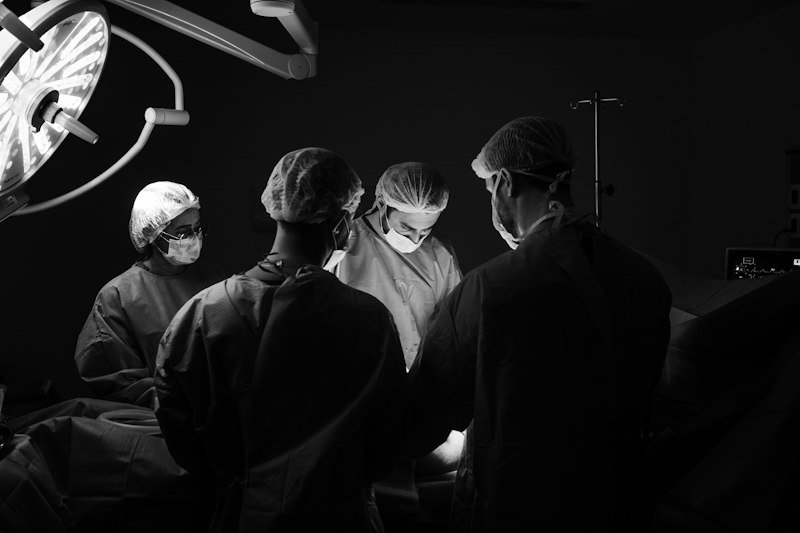
The procedure is traditionally performed under general anesthesia, reflecting its nature as a major neurosurgical operation. During the surgery, the practitioner makes small incisions or burr holes in the skull to access the brain tissue. Once access is gained, the connections between parts of the brain are disrupted either by cutting the fibers with a specialized instrument or, in some variations, by injecting substances like absolute alcohol to destroy the tissue. The primary goal of this physiological disruption is to reduce or eliminate the most disruptive symptoms of mental illness, including extreme agitation, aggression, and profound depression. While the procedure succeeded in achieving symptomatic reduction in some cases, the profound nature of the intervention meant that it often fundamentally altered the patient’s personality and cognitive capabilities, leading to the intense ethical scrutiny that eventually curtailed its use.
The Historical Genesis and the Work of Egas Moniz
The origins of leukotomy can be traced back to the 1930s, a period characterized by a desperate search for biological interventions in psychiatry. The procedure was pioneered by the Portuguese neurologist Egas Moniz, who was motivated by the observation that certain psychiatric symptoms appeared to be the result of repetitive, maladaptive neural firing patterns. Moniz theorized that by physically interrupting these “fixed circuits” in the frontal lobes, the brain could be forced to reorganize itself in a more functional manner. He first presented his ideas and initial surgical results at the International Neurological Congress in London in 1935, sparking immediate interest and intense debate within the global medical community. Moniz’s work was heavily influenced by experimental research on primates, which suggested that damage to the frontal lobes could reduce aggressive behavior and frustration.
In collaboration with his colleague, the neurosurgeon Almeida Lima, Moniz performed the first human leukotomies in Lisbon. Their early techniques involved the injection of alcohol into the subcortical white matter of the prefrontal lobes, though they later developed a specialized surgical tool known as a leucotome. This instrument, which featured a retractable wire loop, allowed the surgeon to cut cores of white matter without removing larger sections of the brain. Moniz reported significant improvements in patients with schizophrenia and severe depression, claiming that the surgery could transform “raving lunatics” into manageable, quiet individuals. These early reports of success were met with a mixture of skepticism and enthusiasm, as the medical world was eager for any solution to the overcrowding of psychiatric asylums.
The impact of Moniz’s work was so profound that he was awarded the Nobel Prize in Physiology or Medicine in 1949. This recognition solidified the status of leukotomy as a legitimate medical treatment and led to its rapid adoption across Europe and North America. However, the prestige associated with the Nobel Prize also served to silence critics who were concerned about the lack of rigorous follow-up data and the potential for long-term psychological harm. In the United States, the procedure was further popularized and modified by Walter Freeman and James Watts, who introduced the “transorbital” or “ice-pick” lobotomy, a faster and more invasive version of Moniz’s original technique. This expansion saw the procedure applied to thousands of patients, often with varying degrees of clinical oversight.
Neuroanatomical Foundations and Physiological Logic
The physiological basis for leukotomy rests on the complex role of the prefrontal cortex in human cognition and emotion. The prefrontal cortex is the region of the brain responsible for higher-order executive functions, including decision-making, social behavior, and the regulation of emotional responses. It is extensively connected to the limbic system, which governs basic emotions and drives, and the thalamus, which acts as a relay station for sensory and motor signals. In the theoretical framework of the 1930s, psychiatric disorders were thought to arise from “morbidly fixed” pathways between these regions. It was believed that the emotional intensity of a patient’s thoughts was fueled by the continuous feedback loops between the cortex and the lower brain centers, and that severing these loops would effectively “cool” the emotional heat of the patient’s psychosis.
By targeting the white matter, surgeons were specifically aiming for the axons—the long, insulating fibers that carry electrical impulses between neurons. Unlike the gray matter, which contains the cell bodies and is responsible for processing information, the white matter serves as the communication infrastructure of the central nervous system. A leukotomy does not aim to remove the centers of thought themselves, but rather to isolate them, preventing the transmission of distressing signals. This disruption was intended to produce a “disconnection syndrome” that would blunt the patient’s affective response to their own hallucinations or depressive thoughts. The rationale was that even if the underlying psychiatric condition remained, the patient would no longer care about it or react to it with violence or despair.
The surgery specifically focused on the frontal-thalamic tracts. When these connections are severed, the brain experiences a significant reduction in its ability to synthesize emotional states with complex planning. While this can successfully stop a patient from acting on suicidal impulses or aggressive urges, it also inadvertently diminishes their capacity for spontaneity, foresight, and deep emotional connection. The physiological logic was essentially one of trade-offs: the medical establishment of the time was willing to sacrifice a patient’s higher cognitive nuances in exchange for the elimination of disruptive and dangerous psychiatric symptoms. This mechanical view of the brain as a series of disconnectable circuits laid the groundwork for modern neurosurgery, even as the specific practice of leukotomy fell into disrepute.
Clinical Indications and Psychiatric Applications
Leukotomy was applied to a wide spectrum of psychiatric disorders, though its primary use was in the treatment of schizophrenia. During the mid-20th century, schizophrenia was often a terminal diagnosis in terms of social functioning, with patients spending decades in locked wards. The procedure was seen as a way to alleviate the “positive symptoms” of the disorder, such as hallucinations, delusions, and extreme psychomotor agitation. Doctors noted that while the surgery did not “cure” the delusions, it often made the patients less reactive to them. A patient who previously screamed at voices might, after the surgery, acknowledge the voices but remain calm and compliant, which was considered a successful clinical outcome at the time.
Beyond schizophrenia, the procedure was also used to treat bipolar disorder (then known as manic-depressive illness) and severe, treatment-resistant depression. In cases of chronic melancholia where the patient was at high risk for self-harm, leukotomy was thought to provide a rapid reduction in the intensity of the depressive affect. Furthermore, the procedure was occasionally utilized for obsessive-compulsive disorder (OCD), with the goal of breaking the repetitive cycles of ritualistic behavior and intrusive thoughts. The common thread among these varied applications was the presence of “affective tension”—a state of high emotional arousal that the surgery was specifically designed to dampen.
The selection criteria for leukotomy were initially quite strict, focusing on patients who had been ill for several years and had shown no improvement with other therapies. However, as the procedure became more mainstream, the criteria expanded, and in some regions, it was performed on patients with less severe symptoms or even on children with behavioral issues. This expansion of the clinical indications contributed to the eventual backlash against the procedure. The “success” of the surgery was often measured by the ease of nursing care rather than the quality of the patient’s internal life. If a patient became quiet, docile, and able to feed themselves, the leukotomy was frequently recorded as a triumph, regardless of whether the patient had lost their personality or intellectual interests in the process.
Technical Evolution of Surgical Methodologies
The technical execution of a leukotomy evolved significantly from the initial experiments of Moniz and Lima. The earliest method involved drilling two holes in the upper part of the skull and injecting absolute alcohol into the frontal lobes to induce tissue necrosis. This method was quickly abandoned because it was imprecise; the alcohol could diffuse into unintended areas, causing unpredictable damage. Moniz subsequently developed the leucotome, a specialized cannula with a retractable wire loop. The surgeon would insert the leucotome into the brain and, by rotating the wire loop, cut a series of spherical “cores” in the white matter. This allowed for a more controlled disruption of the neural pathways while minimizing damage to the surrounding gray matter and blood vessels.
In the United States, the procedure underwent a radical transformation under the influence of Walter Freeman. Freeman believed that the standard neurosurgical approach was too slow and required too many resources. He introduced the transorbital leukotomy, which involved inserting a thin, sharp instrument (modeled after an ice pick) through the thin bone of the eye socket and into the frontal lobes. Once the instrument was positioned, the surgeon would move it back and forth to sever the connections. This “blind” procedure could be performed in minutes without the need for a traditional operating room or a trained neurosurgeon. While Freeman championed this as a revolutionary way to bring treatment to the masses, many in the medical community were horrified by the lack of precision and the potential for massive intracranial hemorrhage.
Despite the variations in technique, the fundamental goal remained the disruption of the prefrontal connections. Over time, some surgeons attempted to make the procedure more refined by targeting specific quadrants of the frontal lobes, a practice known as “selective leukotomy.” These refinements were intended to reduce the devastating side effects while maintaining the therapeutic benefits. Surgeons experimented with different angles of approach and different depths of penetration, trying to find the “sweet spot” that would calm the patient without turning them into a “vegetable.” However, the inherent lack of visibility during the procedure—combined with the limited understanding of brain mapping at the time—meant that results remained highly inconsistent and often tragic.
Adverse Cognitive and Behavioral Outcomes
The potential for permanent brain damage was the most significant and frequent complication associated with leukotomy. Because the procedure involved the physical destruction of brain tissue, it was impossible for the brain to ever return to its pre-surgical state. Many patients emerged from the surgery with what is now recognized as frontal lobe syndrome. This condition is characterized by a profound lack of initiative, an inability to plan for the future, and a flattening of the emotional experience. While the “agitation” was gone, it was often replaced by a state of total apathy. Patients frequently lost the ability to experience complex emotions like empathy, guilt, or joy, leading to a life of passive existence.
Cognitive impairments were also common, including memory loss, shortened attention spans, and significant confusion. Some patients experienced a regression in their social behaviors, becoming inappropriately blunt, losing their sense of social decorum, or exhibiting “child-like” tendencies. In more severe cases, the surgery resulted in difficulty speaking (aphasia) or motor deficits. These side effects were not rare anomalies; they were intrinsic to the procedure’s mechanism of action. By “quieting” the brain, the surgery also silenced the very faculties that define human personality and intellect. The ethical dilemma was profound: the treatment for the mental illness was often as debilitating as the illness itself.
In addition to the psychological and cognitive costs, leukotomy carried substantial physical risks. The most immediate danger was intracranial hemorrhage, which could occur if the surgeon inadvertently severed a major blood vessel. This often led to immediate death or severe physical disability. Infections, such as meningitis or brain abscesses, were also a constant threat in the pre-antibiotic or early antibiotic era. Mortality rates varied by practitioner and technique but were high enough to cause significant alarm. For those who survived, the risk of developing post-operative epilepsy remained a lifelong concern, as the scar tissue in the brain could become a focus for seizure activity.
The Pharmacological Shift and the Decline of Psychosurgery
The decline of leukotomy was precipitated by several factors, the most significant of which was the pharmacological revolution of the 1950s. The discovery and introduction of chlorpromazine (Thorazine) in 1952 changed the landscape of psychiatry forever. Chlorpromazine was the first effective antipsychotic medication, capable of reducing hallucinations and agitation without the need for invasive surgery. It was often referred to as a “chemical lobotomy” because it achieved similar calming effects through chemical means, but with the crucial advantage of being reversible. If the medication caused adverse effects, the dosage could be adjusted or stopped, whereas the effects of a leukotomy were permanent.
As medications became more sophisticated and widely available, the clinical justification for leukotomy rapidly evaporated. The ease of administering a pill compared to the risks of brain surgery made the choice obvious for both doctors and families. This shift coincided with a growing movement for deinstitutionalization, as the new medications allowed many patients to leave the crowded asylums and return to their communities. The “quieting” of the wards that was once the primary goal of the leukotomy was now being achieved through pharmacy, leading to a dramatic decrease in the number of psychosurgical procedures performed annually.
Furthermore, changing social attitudes and the rise of the bioethics movement in the post-WWII era brought the practice under intense moral scrutiny. The public began to view leukotomy not as a miracle cure, but as a violation of human rights and bodily integrity. High-profile cases of “failed” lobotomies, including the tragic story of Rosemary Kennedy, highlighted the devastating impact the procedure could have on individuals and their families. By the 1960s and 1970s, many countries had either banned the procedure or implemented such strict regulations that it became virtually impossible to perform. The era of mass psychosurgery was over, replaced by a focus on psychopharmacology and more humane forms of psychiatric care.
Ethical Debates and Contemporary Legacy
Today, leukotomy is viewed as a cautionary tale in the history of medicine, illustrating the dangers of adopting radical treatments without sufficient evidence or ethical safeguards. The procedure raises fundamental questions about informed consent, especially when applied to vulnerable populations who may not have had the capacity to agree to the surgery. The historical use of leukotomy on prisoners, the poor, and the institutionalized remains a dark chapter in psychiatric history. Modern medical ethics now emphasize the “sanctity of the person” and require rigorous clinical trials and peer review before any new surgical intervention can be introduced into practice.
Despite its dark history, the legacy of leukotomy persists in the form of modern functional neurosurgery. While the crude and destructive methods of the past have been abandoned, they paved the way for more precise interventions like Deep Brain Stimulation (DBS) and stereotactic radiosurgery. Unlike leukotomy, modern procedures are highly targeted, often reversible, and guided by advanced imaging technologies like MRI and CT scans. These contemporary treatments are used for conditions like Parkinson’s disease, chronic pain, and in very rare, highly regulated cases, severe OCD. The transition from the “ice-pick” to the “electrode” represents a monumental shift in our understanding of the brain as a complex, delicate system rather than a simple mechanical device.
In conclusion, while leukotomy was once hailed as a breakthrough in the treatment of severe mental disorders, its legacy is defined by the permanent brain damage and loss of selfhood it inflicted on thousands of patients. It remains a rare and extreme “last resort” in modern medicine, performed only in specialized settings under the most stringent legal and ethical oversight. The history of the procedure serves as a reminder of the need for humility in the face of the brain’s complexity and the paramount importance of protecting the cognitive and emotional integrity of the individual. As we continue to explore the frontiers of the human mind, the lessons of the leukotomy era continue to inform the ethical boundaries of psychiatric and neurological intervention.
References
- Cullen, B., & O’Neill, B. (2016). Leucotomy: A History. Neuropsychological Rehabilitation, 26(6), 719-731. https://doi.org/10.1080/09602011.2016.1219573
- Goshen, I., Kremer, I., & Kohn, Y. (2016). Leucotomy: Past, Present, and Future. Harvard Review of Psychiatry, 24(2), 133-142. https://doi.org/10.1097/HRP.0000000000000134
- Kolb, B., & Whishaw, I. Q. (2012). Fundamentals of Human Neuropsychology (6th ed.). Worth Publishers.