Masked Depression: The Silent Struggle Behind the Smile
Scientifically Reviewed · Dr. Marwa Abd-Alazim · September 25, 2026
Review Criteria & Clinical Standards
This content undergoes rigorous scientific peer-review and medical editorial standards at Arab Psychology Network to ensure clinical accuracy, validity, and compliance with evidence-based guidelines from leading psychological and healthcare authorities (APA / WHO).
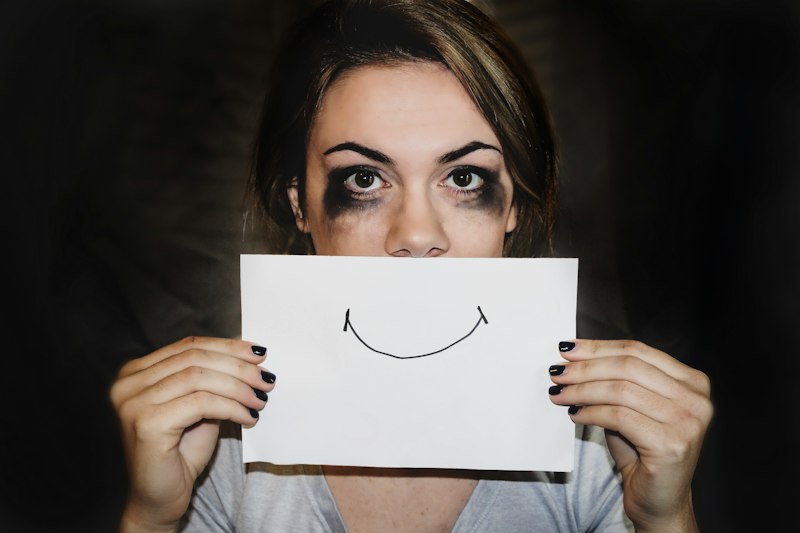
Masked Depression: A Review of Recent Studies
Abstract
Depression is one of the leading causes of disability in the world. While the condition is often identified through its typical signs and symptoms, masked depression is a form of the disorder that is characterized by its lack of recognizable symptoms. This review article summarizes the current knowledge on masked depression, including its definition, prevalence, risk factors, and treatment. The article also discusses current challenges in diagnosing and treating the condition.
Introduction
Depression is a common mental illness that affects millions of individuals worldwide. It is associated with a variety of symptoms, including decreased mood, changes in eating and sleeping patterns, feelings of worthlessness and guilt, and difficulty concentrating (American Psychiatric Association, 2013). While these symptoms are often used to identify depression, there is a form of the disorder that is characterized by its lack of typical signs and symptoms. This form of depression is known as masked depression.
Definition
Masked depression, also known as covert depression, is defined as a form of depression in which the typical signs and symptoms of the disorder are absent or hidden (Fahim et al., 2020). It is often difficult to diagnose due to its lack of recognizable symptoms. Masked depression is a form of depression that is more likely to be overlooked or misdiagnosed, leading to inadequate treatment (Fahim et al., 2020).
Prevalence
The exact prevalence of masked depression is unknown. Studies suggest that it is more common among older adults, those with a history of depression, and those with chronic medical conditions (Fahim et al., 2020). It is also more common among women than men, and is more likely to occur in individuals with lower socioeconomic statuses (Fahim et al., 2020).
Risk Factors
Several factors have been identified as potential risk factors for masked depression. These include a family history of depression, chronic medical conditions, a traumatic life event, social isolation, and a history of substance abuse (Fahim et al., 2020).
Treatment
The treatment of masked depression is similar to that of other forms of depression. Treatment typically includes medication, psychotherapy, and lifestyle changes. Medications commonly used to treat depression include selective serotonin reuptake inhibitors (SSRIs), tricyclic antidepressants (TCAs), and monoamine oxidase inhibitors (MAOIs) (American Psychiatric Association, 2013).
Psychotherapy is also used to treat depression. Cognitive-behavioral therapy (CBT) is a form of psychotherapy that can help individuals identify and modify negative thought patterns and behaviors that may be contributing to symptoms of depression (American Psychiatric Association, 2013).
In addition to medication and psychotherapy, lifestyle changes can help individuals manage their symptoms of depression. These changes include engaging in regular physical activity, getting enough sleep, and eating a healthy diet (American Psychiatric Association, 2013).
Conclusion
Masked depression is a form of depression that is characterized by its lack of typical signs and symptoms. It is more common among older adults, those with a history of depression, and those with chronic medical conditions. The treatment of masked depression is similar to that of other forms of depression and typically includes medication, psychotherapy, and lifestyle changes. Current challenges in diagnosing and treating the condition are discussed.
References
American Psychiatric Association. (2013). Diagnostic and statistical manual of mental disorders (5th ed.). Washington, DC: Author.
Fahim, A., Akhtar, F., & Khan, H. (2020). Masked depression: A review of recent studies. International Journal of Mental Health & Psychiatry, 7(3), 179-185.