Somatotypes: Decoding Personality Through Physique
Scientifically Reviewed · Dr. Marwa Abd-Alazim · October 5, 2026
Review Criteria & Clinical Standards
This content undergoes rigorous scientific peer-review and medical editorial standards at Arab Psychology Network to ensure clinical accuracy, validity, and compliance with evidence-based guidelines from leading psychological and healthcare authorities (APA / WHO).
Definition of the Mesomorph Body Type
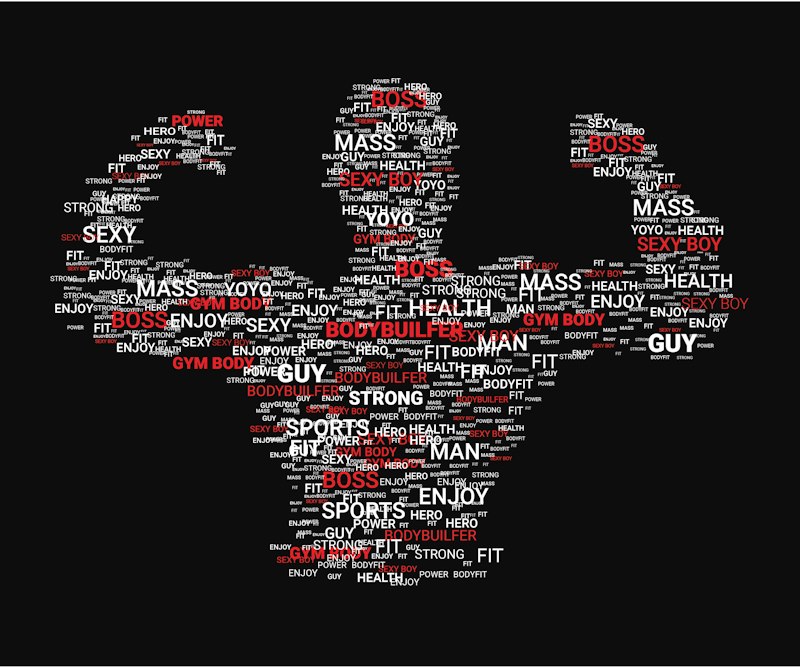
The term mesomorph refers to one of the three fundamental human body types, or somatotypes, characterized by a naturally athletic and muscular physique. This classification system, originally developed by psychologist William Sheldon, posits that individuals can be categorized based on their inherent physical structure. A mesomorph typically exhibits a robust bone structure, well-defined musculature, a broad chest, and a relatively narrow waist, giving them a naturally strong and powerful appearance. This body type is often associated with ease in building muscle mass and a higher capacity for physical performance, making it a desirable physique for many athletic endeavors.
Fundamentally, the mesomorphic body type is distinguished by a predominance of bone and muscle development, stemming from the mesoderm embryonic layer, which is where the term “mesomorph” originates. Individuals falling into this category tend to have a balanced body composition, where muscle mass is easily gained and maintained, and body fat can be managed with relative efficiency. Their physical characteristics often include dense bones, large muscles, and strong connective tissues, contributing to their inherent strength and resilience. This natural predisposition allows mesomorphs to respond effectively to physical training, often seeing significant gains in both strength and muscle size with consistent effort.
Key Characteristics and Physiological Traits
Mesomorphs possess several distinct physiological advantages when it comes to body composition and metabolic function. They generally exhibit a higher natural muscle mass compared to individuals classified as ectomorphs (lean and slender) or endomorphs (rounder and softer). This intrinsic muscularity contributes to a lower body fat percentage, which is conducive to both muscle building and efficient fat loss. Furthermore, mesomorphs are typically characterized by a higher basal metabolism. This elevated metabolic rate means their bodies burn calories at a faster pace, allowing them to consume more food without experiencing significant weight gain compared to other somatotypes.
The metabolic efficiency of mesomorphs extends to their resting metabolic rate, which is often more active than that of ectomorphs or endomorphs. This heightened metabolic activity makes them highly efficient at burning calories even at rest, contributing to their ability to maintain a leaner physique. Their bodies are optimized for physical activity, capable of handling higher intensity workouts and longer durations of exercise. This genetic predisposition for athleticism means that mesomorphs often excel in sports and physical training, quickly adapting and responding to various forms of exercise, from strength training to endurance activities. The combination of high muscle mass, lower body fat, and an efficient metabolism creates a powerful physiological profile.
The Origins of Somatotype Theory
The concept of somatotypes, including the mesomorph, was introduced by the American psychologist William Sheldon in the 1940s. Sheldon’s theory proposed a correlation between body type, temperament, and psychological traits. He developed a system to classify human physiques based on three primary components, each corresponding to a different embryonic germ layer: endomorphy (derived from the endoderm, associated with digestive organs and a softer, rounder build), mesomorphy (derived from the mesoderm, associated with muscle and bone, leading to a muscular build), and ectomorphy (derived from the ectoderm, associated with the nervous system and skin, resulting in a lean, fragile build).
Sheldon’s initial research involved photographing thousands of college students and using anthropometric measurements to assign each individual a three-digit rating, with each digit representing the degree to which they exhibited characteristics of endomorphy, mesomorphy, and ectomorphy, respectively. For example, a pure mesomorph might be rated as 1-7-1. While his theories linking body type directly to specific personality traits (e.g., viscerotonia for endomorphs, somatotonia for mesomorphs, cerebrotonia for ectomorphs) have largely been discredited in modern psychology due to a lack of empirical support and concerns about determinism, the descriptive categories of somatotypes have persisted, particularly in fields related to fitness, sports science, and nutrition, as a way to broadly categorize body composition and physical tendencies.
Illustrative Example: The Mesomorph in Athletic Pursuits
Consider an individual named Alex, who is a classic mesomorph. From a young age, Alex displayed a natural aptitude for sports. In high school, Alex excelled in various athletic activities, particularly those requiring strength, speed, and agility, such as track and field, football, and weightlifting. When Alex started training for a marathon, the initial muscle gains were quick, and endurance improved steadily, showcasing a balanced capacity for both anaerobic and aerobic activities. This innate ability to build muscle and maintain a lean physique with relatively less effort than peers often makes mesomorphs stand out in competitive physical environments.
The “how-to” of Alex’s success can be traced back to the mesomorphic advantage. When Alex engaged in strength training, muscles responded rapidly, showing hypertrophy (growth) and increased force production. Similarly, when focusing on endurance training, Alex’s cardiovascular system adapted efficiently, allowing for sustained performance. Even with a diet that might seem generous to others, Alex’s higher metabolism enabled the body to utilize nutrients effectively without significant fat accumulation, provided the food choices were generally healthy. This synergy of genetic predisposition and effective training illustrates how the psychological principle of somatotype, though originally controversial in personality theory, provides a useful framework for understanding physical potential and response to exercise stimuli.
Psychological and Physiological Significance
While the direct links between somatotypes and personality traits proposed by Sheldon are no longer widely accepted, the concept of the mesomorph still holds significant relevance in understanding individual differences in physical potential and physiological responses. In modern contexts, recognizing one’s general body type can offer insights into predispositions for certain physical activities, metabolic tendencies, and even potential health risks or advantages. For instance, the natural strength and muscularity of mesomorphs can contribute to a positive self-perception regarding physical capabilities, potentially influencing their engagement in sports and exercise throughout life. This can have beneficial psychological impacts, such as improved self-esteem and reduced risk of certain mental health conditions often associated with sedentary lifestyles.
Physiologically, the mesomorphic body type is often associated with a lower risk of metabolic syndrome and type 2 diabetes due to their efficient metabolism and tendency towards lower body fat percentages, assuming a healthy lifestyle. However, it is also important to note that mesomorphs, despite their advantages, are not immune to weight gain or health issues if diet and exercise are neglected. The emphasis on muscle mass means that if activity levels drop and caloric intake remains high, they can accumulate fat quickly, often appearing “bulky” rather than lean. Therefore, understanding the mesomorphic profile is crucial for tailoring holistic health and wellness strategies that go beyond mere aesthetic goals to encompass genuine physiological well-being.
Applications in Exercise Science and Nutrition
The concept of the mesomorph has found practical applications primarily within the fields of exercise physiology and nutrition. For exercise professionals, understanding a client’s general somatotype can help in designing more effective and personalized training programs. Mesomorphs typically respond well to a wide variety of training styles, including high-intensity interval training (HIIT), heavy weightlifting for muscle hypertrophy, and sustained cardiovascular activities. They have an excellent capacity for both strength and endurance, meaning they can build muscle quickly and handle higher intensity workouts, while also being capable of longer duration efforts to build both muscular endurance and aerobic capacity.
In terms of nutrition, mesomorphs require a balanced diet that supports their active metabolism and muscle maintenance. Their bodies thrive on a good mix of proteins, complex carbohydrates, and healthy fats. Given their higher metabolic rate, they can generally tolerate a higher caloric intake than ectomorphs without gaining excess fat, particularly if they are consistently active. However, it is still crucial for them to focus on consuming nutrient-dense whole foods and minimizing processed items, which can be high in empty calories and unhealthy ingredients. Tailoring macronutrient ratios to support muscle growth and recovery, perhaps with a slightly higher protein intake, is often beneficial for mesomorphs looking to maximize their physical potential and maintain a lean, muscular physique.
Relationship to Other Somatotypes: Ectomorphs and Endomorphs
The mesomorph stands in contrast to the other two primary somatotypes: the ectomorph and the endomorph. Ectomorphs are characterized by a lean, delicate build, with long limbs, small joints, and typically a lower body fat percentage, often finding it challenging to gain weight, whether muscle or fat. They excel in activities requiring agility and endurance but may struggle with raw strength or muscle mass development. Their metabolism is often very fast, making them resistant to weight gain, sometimes referred to as “hard gainers” in bodybuilding circles.
Conversely, endomorphs possess a softer, rounder body shape, with a tendency to store body fat easily and often have a slower metabolism. They typically have a larger bone structure and can build muscle, but often struggle with maintaining a lean physique due to their predisposition for fat accumulation. While they may have considerable strength, particularly in the lower body, endurance and agility might be more challenging for them. The mesomorph, therefore, represents a balance, possessing the muscularity and strength potential that endomorphs can achieve, but with the metabolic efficiency and lean appearance that ectomorphs often maintain, making them somewhat of an ideal in terms of physical adaptability and ease of body composition management.
Broader Context within Psychology and Health Sciences
Beyond its initial controversial applications in personality theory, the concept of the mesomorph, and somatotyping in general, has found a more robust and accepted place within broader health sciences. In developmental psychology, understanding individual differences in physical growth and maturation, which can align with somatotype tendencies, helps explain varied trajectories in motor skill development and physical activity engagement during childhood and adolescence. For instance, a child with mesomorphic tendencies might naturally gravitate towards sports requiring strength and coordination, influencing their physical and social development.
In health psychology and public health, recognizing different body types can inform more nuanced approaches to obesity prevention, fitness promotion, and chronic disease management. While not deterministic, an awareness of an individual’s general somatotype can help health practitioners set realistic goals, manage expectations, and provide tailored advice on diet and exercise that aligns with their unique physiological makeup. This personalization can lead to greater adherence to health interventions and more sustainable outcomes, highlighting the ongoing, albeit evolved, relevance of somatotype classifications in contemporary health and wellness discourse.
Advantages and Disadvantages of the Mesomorphic Body Type
The mesomorphic body type offers several distinct advantages. Individuals typically possess a naturally athletic physique with well-defined muscles, a broad chest, and a narrow waist, which is often considered aesthetically desirable. Their higher metabolism allows them to consume more food without gaining excessive weight, provided their activity levels are commensurate. Mesomorphs can gain muscle and lose fat quickly, making them highly responsive to resistance training and effective for bodybuilding and other forms of weight training. They also have a higher natural muscle mass and a lower body fat percentage compared to ectomorphs and endomorphs, contributing to their inherent strength and athletic capabilities.
However, the mesomorphic body type also comes with certain disadvantages. While they can gain muscle quickly, this can sometimes lead to a “bulky” appearance if not managed with specific training goals in mind, which some individuals may prefer to avoid. Furthermore, despite their efficient metabolism, mesomorphs are prone to gaining fat quickly if their diet becomes unbalanced or their activity levels significantly decrease. Their ability to burn calories quickly can also be a disadvantage for individuals who are trying to gain significant weight, as they may find it challenging to maintain a caloric surplus needed for bulk. Therefore, consistent attention to diet and exercise is still paramount for mesomorphs to maintain their desired physique and optimal health.
Exercise and Training Considerations for Mesomorphs
Given their natural athletic predisposition, mesomorphs are exceptionally well-suited for a wide range of exercise modalities, making them highly versatile in their training approaches. They can build muscle quickly and efficiently, often responding positively to moderate to heavy resistance training protocols. For muscle hypertrophy, a combination of compound and isolation exercises with progressive overload typically yields excellent results. They can handle higher intensity workouts, incorporating techniques like supersets, drop sets, and pyramid training to maximize muscle growth and strength gains. Their capacity for recovery is generally robust, allowing for consistent training frequency without excessive fatigue.
Beyond pure strength and muscle building, mesomorphs also exhibit strong capabilities in endurance training. Their cardiovascular system adapts effectively, enabling them to excel in activities such as running, cycling, swimming, and various team sports. Integrating both high-intensity interval training (HIIT) and steady-state cardio can help mesomorphs maintain a lean physique while enhancing their overall athletic performance. The key for mesomorphs is often to vary their training stimulus to continue challenging their adaptable bodies and prevent plateaus, capitalizing on their ability to respond well to diverse forms of physical activity to achieve a balanced, strong, and enduring physique.
Nutritional Guidelines for the Mesomorph Physique
For mesomorphs, optimal nutrition is centered on a balanced intake of macronutrients to support their active metabolism, muscle maintenance, and efficient recovery. A diet rich in high-quality proteins is crucial for muscle repair and growth, with sources such as lean meats, poultry, fish, eggs, and legumes. Carbohydrates, particularly complex carbohydrates like whole grains, fruits, and vegetables, are essential to fuel their higher energy demands and replenish glycogen stores after intense workouts. Healthy fats from sources like avocados, nuts, seeds, and olive oil play a vital role in hormone production and overall cellular health.
While mesomorphs can often consume a higher caloric intake than other body types due to their elevated metabolic rate, quality of food remains paramount. Focusing on a variety of whole, unprocessed foods and limiting refined sugars, unhealthy fats, and processed ingredients is crucial for preventing unwanted fat gain and promoting overall health. A common macronutrient distribution for mesomorphs might involve roughly 30-40% protein, 30-40% carbohydrates, and 20-30% healthy fats, adjusted based on individual activity levels and specific goals (e.g., muscle gain, fat loss, or maintenance). Hydration is also a key component, supporting metabolic functions and optimizing physical performance.