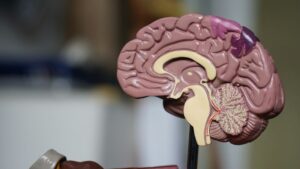
Neuroscience: Slicing into the Mind’s Hidden Layers
Scientifically Reviewed · Dr. Marwa Abd-Alazim · August 26, 2026
Review Criteria & Clinical Standards
This content undergoes rigorous scientific peer-review and medical editorial standards at Arab Psychology Network to ensure clinical accuracy, validity, and compliance with evidence-based guidelines from leading psychological and healthcare authorities (APA / WHO).

Introduction to the Microtome
The microtome is an indispensable instrument in the fields of histology, pathology, and neuroscience, defined fundamentally as a mechanical device utilized for the preparation of ultra-thin sections of biological tissues or non-biological materials prior to microscopic examination. The term itself is derived from the Greek words “mikros,” meaning small, and “temnein,” meaning to cut, perfectly encapsulating its core function: the precise and controlled segmentation of samples into slices measured in micrometers, often ranging from 1 to 10 micrometers for standard light microscopy. This remarkable capability is essential because light and electron microscopes require samples to be translucent or transparent for effective visualization of cellular and subcellular structures. Without the microtome, the complex internal architecture of organs, tumors, and neural circuits would remain inaccessible, making the device a critical bridge between raw biological material and diagnostic or research insight.
The primary purpose of the microtome is to overcome the inherent limitations imposed by the physical thickness of biological samples. When tissues are too thick, light cannot pass through uniformly, leading to blurry or opaque images that mask crucial morphological details. By reducing the sample thickness to a single or near-single cell layer, the microtome enables the high-resolution microscopy necessary for tasks such as identifying pathogenic anomalies, studying developmental processes, or mapping neural connections. The precision required for this task is extreme; any slight variation in slice thickness can introduce artifacts or distort measurements, necessitating highly calibrated mechanical components and specialized blades. Consequently, the performance and reliability of the microtome directly impact the validity and quality of the resulting scientific data, underscoring its pivotal role in both clinical diagnostics and fundamental biological research.
Historical Development of Microtomy
The necessity for observing thin sections of biological matter predates the modern microtome, with early attempts dating back to the 17th century when rudimentary methods involved cutting freehand using sharp razor blades or specialized instruments. However, these manual techniques lacked the required consistency and precision, resulting in sections that were often uneven and too thick for detailed cellular study. The transition from manual sectioning to mechanized microtomy marked a paradigm shift in biological investigation, dramatically accelerating the pace of histological discovery throughout the 19th century. Early mechanical devices focused on stabilizing the sample and providing a controlled mechanism for advancing the cutting block by minute, fixed increments, moving away from subjective human judgment toward objective, repeatable mechanical motion.
Significant milestones in the evolution of the microtome include the development of the sliding microtome in the mid-19th century, which allowed for the sectioning of larger, tougher blocks of tissue, often utilizing glass or steel knives that traveled horizontally across a stationary block. Following this, the invention of the rotary microtome by Minot around 1885 revolutionized the field by introducing a mechanism where the tissue block moves up and down against a fixed knife, advancing automatically after each revolution. This design enabled the production of continuous ribbons of uniform sections, significantly increasing efficiency and standardization in laboratories. The subsequent refinement of freezing techniques and the introduction of the cryostat further expanded the capabilities of microtomy, permitting rapid sectioning of fresh, unfixed tissues for immediate pathological diagnosis, a critical requirement in surgical settings.
Fundamental Principles and Mechanics
Regardless of the specific design—be it rotary, sliding, or vibrating—all microtomes operate on a core set of mechanical principles designed to ensure precise, reproducible cutting. The mechanism relies on three primary components: the specimen holder, which rigidly clamps the embedded tissue block; the knife holder, which secures the ultra-sharp blade (typically steel, glass, or diamond) at a specific angle; and the precision feed mechanism, which controls the advancement of the specimen holder towards the knife edge in extremely small, measurable increments. The interaction between the cutting edge and the tissue block is highly sensitive; parameters such as the clearance angle (the angle between the face of the block and the cutting surface) and the rake angle (the angle of the blade’s edge) must be meticulously optimized to minimize compression, tearing, or chatter marks, which are common sectioning artifacts.
The fundamental cutting action involves the knife shearing through the tissue, ideally generating minimal resistance. In a typical rotary microtome, the tissue block cycles through a vertical path. During the downward stroke, the block passes across the stationary knife edge, creating a slice. During the upward return stroke, the precision feed mechanism is engaged, advancing the block forward by the preset thickness increment. This critical advancement, often controlled by a sophisticated micrometric screw or a highly precise stepping motor in modern digital units, determines the final thickness of the section. Achieving sections in the range of 3 to 5 micrometers requires mechanical tolerances that are exceedingly tight, highlighting the engineering complexity involved in maintaining smooth, vibration-free operation necessary for high-quality histological outcomes. Proper calibration ensures that the microtome consistently delivers slices of uniform thickness, which is paramount for quantitative analysis and accurate histological interpretation.
Types of Microtomes
The specialized requirements of different scientific applications—such as cutting hard bone, frozen fresh tissue, or ultra-thin plastic-embedded materials for electron microscopy—have led to the development of several distinct categories of microtomes, each optimized for specific sample types and thicknesses. The Rotary Microtome remains the most common device in clinical histology, favored for its ability to quickly produce serial sections of paraffin-embedded tissue blocks. Its design emphasizes speed and consistency, making it the workhorse for routine pathological diagnostics and large-scale screening. In contrast, the Sliding Microtome, characterized by a heavy base and a knife that traverses horizontally over a fixed specimen, is better suited for cutting very large tissue blocks or materials that require a very stable, robust cutting platform, such as entire brain hemispheres or unusually dense samples.
For applications demanding extremely fine detail at the subcellular level, the Ultramicrotome is essential. This device is capable of generating sections as thin as 50 to 100 nanometers (0.05 to 0.1 micrometers), utilizing diamond or high-quality glass knives, and is exclusively used for preparing samples for Transmission Electron Microscopy (TEM), where structural integrity at the molecular level must be preserved. A completely different approach is employed by the Cryostat, which is essentially a rotary microtome housed within a refrigerated chamber maintained at temperatures typically between -10°C and -30°C. This allows for the sectioning of fresh, frozen tissue without prior chemical fixation or embedding, preserving enzymatic activity and enabling rapid diagnosis, such as intraoperative consultation during surgery. Finally, the Vibratome (or Vibrating Microtome) cuts tissue without freezing or chemical embedding by rapidly vibrating a sharp blade while submerging the tissue in a buffer solution, making it ideal for delicate, living tissues, especially crucial for electrophysiology or functional neuroscience studies where tissue viability must be maintained over extended periods.
Tissue Preparation for Microtomy
The quality of the final microscopic image is as dependent on proper tissue preparation as it is on the microtome’s precision. Preparing biological tissue for sectioning is a multi-step process designed to achieve two primary goals: preserving the cellular morphology exactly as it existed in vivo, and providing the structural support necessary for the tissue to withstand the mechanical stress of cutting. The standard preparation process for routine light microscopy involves fixation, dehydration, clearing, and embedding. Fixation, typically achieved using formaldehyde solutions, chemically cross-links proteins, halting decomposition and preventing autolysis, thus stabilizing the cellular architecture. Following this critical step, the tissue must be dehydrated by passing it through a graded series of alcohol solutions, removing all water, which is incompatible with the subsequent embedding medium.
After dehydration, a clearing agent, often xylene or a xylene substitute, is used to remove the alcohol and render the tissue translucent, preparing it for infiltration. The final, and perhaps most critical, step for standard microtomy is embedding, which involves infiltrating the tissue with a supportive medium, most commonly liquid paraffin wax. The tissue is placed in a mold and submerged in molten wax; upon cooling, the wax solidifies into a rigid block that provides uniform mechanical support to the delicate cellular structures, enabling the production of thin, intact sections without tearing. For specialized applications, such as electron microscopy or the sectioning of very hard samples, synthetic resins (e.g., epoxy) are used instead of paraffin due to their superior hardness and ability to support the stress required for ultra-thin sectioning. Careful execution of each preparation step is crucial; inadequate fixation leads to structural degradation, while improper embedding results in block cracking or poor wax infiltration, rendering the subsequent microtome work useless and necessitating sample reprocessing.
Applications Across Scientific Disciplines
The ability of the microtome to generate precisely controlled thin slices has cemented its status as a foundational tool across a vast spectrum of scientific and medical disciplines. In pathology, microtomy is the cornerstone of diagnostic medicine; virtually all tissue biopsies and surgical excisions are processed, sectioned by a microtome, stained using hematoxylin and eosin (H&E) or specialized immunohistochemical markers, and examined to determine the presence, extent, and type of disease, including cancer staging and identification of infectious agents. The resulting sections allow pathologists to evaluate cellular atypia, tissue architecture disruption, and the spatial distribution of biomarkers with extreme clarity, directly guiding patient treatment plans. Similarly, in general histology, microtome sections are used extensively in academic research, anatomical teaching, pharmaceutical research, and toxicology studies to assess the effects of novel drugs or environmental toxins on various organ systems.
Within neuroscience and psychological research, the microtome plays an especially vital role due to the complexity and delicacy of brain tissue. Brain tissue requires meticulous sectioning to map neural pathways, analyze synaptic density, and study the distribution of neurotransmitters and specific proteins using techniques like immunohistochemistry. Standard procedures include the serial sectioning of entire rodent brains for comprehensive anatomical analysis or the use of the vibratome to prepare acute brain slices for immediate electrophysiological recordings, allowing researchers to study neuronal activity in real time while maintaining tissue viability. Furthermore, the ultramicrotome is indispensable for visualizing the ultrastructure of synapses and cellular organelles using electron microscopy, providing critical insights into the molecular mechanisms underlying cognition, neurological disorders, and behavioral changes. The precision of the microtome allows researchers to correlate behavioral outcomes observed in psychological studies directly with microscopic alterations in brain morphology and cellular connectivity.
Challenges and Quality Control
Despite the highly refined engineering of modern microtomes, the process of sectioning is inherently delicate and susceptible to various technical challenges and artifact generation, demanding rigorous quality control measures from the operator. Common artifacts include compression, where the section is shorter in the direction of the cut, often caused by a dull blade or excessive cutting speed; chatter or rhythmic striations, which appear as parallel lines across the section, usually resulting from mechanical vibration or instability in the knife or specimen holder; and wrinkles or folds, typically occurring when the section adheres improperly to the knife or during the flotation process in the water bath. Recognizing and mitigating these artifacts is essential, as they can obscure genuine cellular features or lead to misinterpretation of results, potentially compromising a medical diagnosis or the validity of a research finding.
Quality control begins with the meticulous maintenance of the instrument and the sharpness of the cutting tool. Disposable blades must be replaced frequently, or specialized steel knives must be resharpened regularly, to ensure a consistently clean, shear cut that minimizes drag and compression. Furthermore, the precise alignment of the knife edge relative to the tissue block—specifically the crucial clearance angle—must be checked and adjusted regularly, as even minute deviations can severely impact section quality. Temperature control is also paramount, particularly in cryostats, where minor fluctuations can drastically affect the tissue’s cutting properties, leading to fragmentation or tearing. Operators must employ standardized protocols, including careful handling of the embedded block and precise control of the water bath temperature during the mounting phase, to ensure that the final section transferred to the microscope slide is flat, intact, and free from distortions that could compromise diagnostic accuracy or research integrity.
Modern Innovations and Future Directions
Contemporary advancements in microtomy focus largely on automation, improved precision, and the integration of digital imaging capabilities to streamline workflow and enhance data quality. Modern microtomes increasingly feature motorized drives, programmable sectioning parameters, and integrated digital displays, allowing for the execution of reproducible protocols and easier operation by less experienced personnel. The advent of automated tape-transfer systems represents a significant innovation, particularly for large or brittle specimens, where the section is immediately collected onto a continuous adhesive film rather than floating in a water bath, ensuring perfect seriality and minimizing handling damage. This capability is especially beneficial for 3D reconstruction techniques, where dozens or hundreds of sequential sections must be perfectly aligned and digitized to build a volumetric model of the tissue structure, such as a complete neural circuit map.
The future of microtomy is intrinsically linked to advances in imaging and computational biology. Efforts are underway to develop “smart” microtomes capable of real-time monitoring of cutting quality and automated adjustment of parameters based on sensor feedback. Furthermore, technologies like serial block-face scanning electron microscopy (SBFSEM) and focused ion beam scanning electron microscopy (FIB-SEM) represent alternatives that achieve ultra-high resolution sectioning in situ by coupling mechanical sectioning (or ion ablation) with simultaneous imaging within the electron microscope chamber, automating the process of obtaining serial ultrastructural data. While these advanced technologies do not replace the traditional microtome in routine clinical settings, they push the boundaries of achievable resolution and automation, reinforcing the core principle established by the microtome centuries ago: that understanding biological structure requires precise slicing, and the pursuit of thinness remains paramount in biological investigation.