Multicultural Counseling: Bridging Diverse Human Worlds
Scientifically Reviewed · Dr. Marwa Abd-Alazim · August 23, 2026
Review Criteria & Clinical Standards
This content undergoes rigorous scientific peer-review and medical editorial standards at Arab Psychology Network to ensure clinical accuracy, validity, and compliance with evidence-based guidelines from leading psychological and healthcare authorities (APA / WHO).
Defining Multicultural Counseling
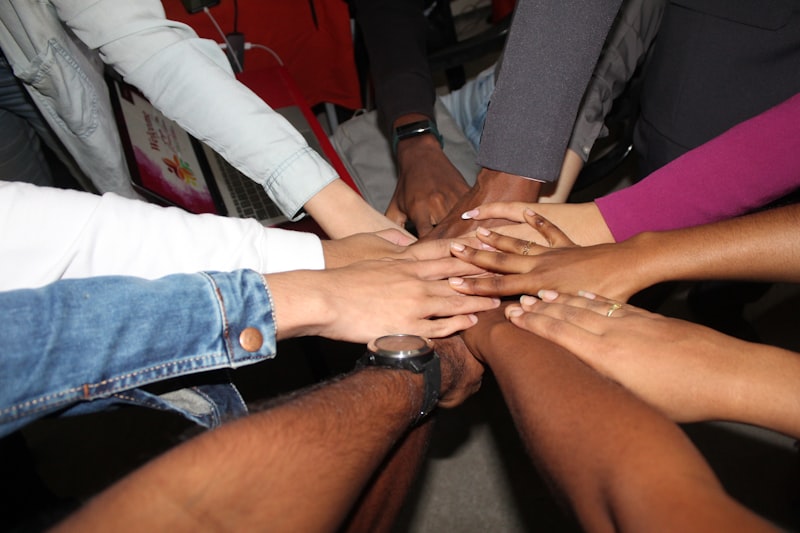
Multicultural counseling represents a critical paradigm shift within the field of psychotherapy, moving beyond traditional, often Western-centric, models to embrace the totality of human experience as defined by diverse cultural contexts. In essence, it is a specialized form of therapy that systematically integrates the client’s multifaceted identity into the assessment, conceptualization, and intervention processes. This approach necessitates that the practitioner acknowledges, respects, and works within the client’s worldview, recognizing that mental health and wellness are inextricably linked to social, cultural, and political environments. The goal is not merely tolerance, but deep understanding and active integration of difference to foster truly effective therapeutic outcomes.
The definition of culture within this framework is exceptionally broad and intersectional, extending far beyond simple categories of race or ethnicity. Multicultural counseling mandates consideration of a wide spectrum of identities, including but not limited to racial and ethnic diversities, sexual orientation, spirituality and religious beliefs, ability and disability status, socioeconomic status (SES), and national origin. Furthermore, a core tenet is the recognition of power dynamics, oppression, and systemic inequalities that impact an individual’s psychological well-being. This comprehensive perspective positions multicultural counseling as a vital, ethical necessity for contemporary clinical practice, ensuring that treatment modalities are responsive rather than imposing.
A critical element distinguishing this field is its explicit focus on mitigating the potential for cultural bias by the practitioner. Unlike traditional counseling where the focus might remain solely on the client’s internal processes, multicultural counseling requires continuous self-reflection and professional development on the part of the therapist. It challenges practitioners to identify their own cultural assumptions, privileges, and blind spots, understanding how these inherent biases can negatively influence diagnostic accuracy, rapport building, and treatment efficacy. Effective multicultural practice is thus built upon a foundation of humility, self-awareness, and a commitment to lifelong learning regarding diverse human experiences.
The Dimensions of Diversity and Intersectionality
The strength of multicultural counseling lies in its comprehensive understanding of diversity, viewing identity not as a collection of separate traits but as an integrated, dynamic system. The client’s identity is shaped simultaneously by their racial background, their gender identity, their social class, and their religious affiliation—a concept known as intersectionality. Developed by legal scholar Kimberlé Crenshaw, intersectionality dictates that a person’s experience of privilege or oppression cannot be understood by examining any single identity category in isolation. For instance, the experiences of a Black gay man living in poverty differ fundamentally from those of a white affluent lesbian woman, even though they share certain dimensions of marginalization.
Specific dimensions require nuanced understanding. When considering socioeconomic status and economics, the counselor must appreciate the profound psychological toll of poverty, resource scarcity, classism, and the associated stressors related to upward mobility or economic instability. Similarly, addressing ability and disability involves understanding ableism, advocating for accessibility, and recognizing chronic illness or disability not merely as a medical condition but as a facet of identity that influences social interaction, self-esteem, and access to services. These external, systemic factors often contribute to mental health concerns that cannot be resolved through individual psychological work alone.
Furthermore, sexual orientation and spirituality introduce complex layers of internalized and external conflict. Clients grappling with identity development in hostile environments—such as LGBTQ+ individuals facing homophobia or individuals whose spiritual beliefs conflict with mainstream secular society—require a counselor who can validate these struggles without imposing their own moral or philosophical framework. The effective multicultural counselor utilizes knowledge of minority stress theory and religious identity models to ensure that therapeutic goals align with the client’s deeply held values, rather than attempting to assimilate the client into the dominant cultural norm.
Historical Context and Evolution of the Field
Multicultural counseling did not emerge spontaneously but rather grew out of significant socio-political movements and internal critiques within the field of psychology beginning in the mid-20th century. Prior to the 1960s, psychological theories and clinical methods were predominantly derived from European and Euro-American male populations, leading to practices that were often pathologizing or irrelevant for minority groups. The Civil Rights Movement and the subsequent rise of ethnic studies and humanistic psychology fueled demands for a more relevant and equitable form of mental healthcare. Critics pointed out that traditional counseling often failed to differentiate between psychological dysfunction and normal cultural adaptation or reaction to oppression.
Key figures, such as Derald Wing Sue, Paul Pedersen, and Stanley Sue, were instrumental in formalizing the necessity for cultural competence. Their work established multiculturalism as a “fourth force” in psychology, alongside psychodynamic, behavioral, and humanistic approaches. This formalized movement resulted in the creation of specific guidelines and competencies. By the 1980s and 1990s, professional organizations like the American Psychological Association (APA) and the American Counseling Association (ACA) began integrating multicultural standards into their ethical codes, recognizing that cultural incompetence constituted an ethical violation.
The evolution of the field has moved from a simplistic focus on cross-cultural awareness (understanding the “other”) to a more complex, self-reflective model. Modern practice emphasizes cultural humility—a lifelong process of self-critique and the willingness to learn from clients, rather than assuming expertise about their culture. This shift acknowledges that competence is not a destination but an ongoing commitment to understanding power differentials and engaging in continuous dialogue about the client’s lived reality within systemic contexts.
Core Principles and Ethical Guidelines
Multicultural counseling is governed by a tripartite framework of competencies: awareness, knowledge, and skills. These three pillars serve as the ethical and practical foundation for culturally sensitive practice. Awareness involves the practitioner’s deep understanding of their own cultural background, values, and biases, and how these internal factors influence their perception of the client and the therapeutic process. Without this self-awareness, the counselor risks imposing their worldview, thus committing cultural malpractice.
The second pillar, Knowledge, requires the counselor to actively seek and understand the worldviews of culturally diverse clients. This includes specific knowledge about historical oppression, cultural practices, family structures, communication styles (both verbal and non-verbal), and indigenous healing practices pertinent to the client’s background. Crucially, this knowledge must be tempered by the understanding that generalizations about groups do not apply uniformly to individuals; the counselor must always prioritize the client’s unique narrative over broad cultural stereotypes.
The third pillar, Skills, refers to the ability to implement culturally appropriate interventions and techniques. This might involve adapting standard therapeutic methods, utilizing culturally relevant resources, or employing alternative communication strategies, such as incorporating extended family members or community leaders into the therapeutic process where appropriate and desired by the client. Furthermore, the ethical mandate of multicultural counseling often extends beyond the individual session to include advocacy—working to challenge systemic barriers and oppressive policies that negatively impact the client’s mental health and quality of life.
Addressing Cultural Bias in Practice
The explicit focus on practitioner cultural bias is perhaps the most revolutionary aspect of multicultural counseling. It moves the responsibility for therapeutic failure away from the client’s resistance and places it squarely on the counselor’s lack of insight or training. Bias can manifest in overt ways, such as microaggressions or prejudiced assumptions, or in subtle, implicit forms, such as interpreting culturally normative behaviors (e.g., deference to authority, reserved emotional expression) as symptoms of pathology or resistance.
To effectively manage bias, counselors must engage in continuous reflective practice. This involves utilizing supervision, personal therapy, and professional development to rigorously examine countertransference that may be rooted in cultural misunderstandings or prejudices. A culturally competent counselor recognizes that their own cultural lens shapes their perception of what constitutes health, maturity, and appropriate goal-setting. For example, a Western emphasis on individualism and autonomy may conflict with a client’s collectivist cultural values, leading the counselor to inappropriately encourage separation from family or community ties.
The process of mitigating bias involves recognizing that neutrality is impossible; every clinical interaction is culturally situated. Therefore, the counselor must be prepared to discuss cultural differences openly within the session, acknowledging power differentials and inviting the client to educate the counselor about their experiences. This transparency builds trust and transforms the therapeutic relationship into a collaborative partnership, reducing the likelihood that biases will unintentionally derail treatment or lead to misdiagnosis based on ethnocentric criteria.
Theories and Models of Implementation
A variety of theoretical models have been developed to structure the process of achieving multicultural competence and understanding identity development. One foundational framework is the Tripartite Model of Personal Identity, which posits that identity exists on three levels: individual (unique genetic makeup and experiences), group (shared cultural, racial, or gender identities), and universal (common human characteristics). Effective counseling must address all three levels simultaneously.
Furthermore, specific models detailing racial and ethnic identity development are crucial tools. The Racial/Cultural Identity Development (R/CID) Model, and similar models, outline stages clients may pass through as they grapple with their minority identity, internalized oppression, and eventual integration of their cultural heritage. These stages often range from conformity (internalizing dominant culture values) to dissonance, resistance, introspection, and finally, integrative awareness. Understanding these stages helps the counselor normalize the client’s struggle and tailor interventions to their current phase of identity resolution.
For practitioners, the Multicultural Counseling Competencies (MCC), formalized by Sue, Arredondo, & McDavis, provide practical benchmarks. These competencies emphasize three dimensions:
-
Counselor awareness of own cultural values and biases.
-
Counselor awareness of client’s worldview.
-
Culturally appropriate intervention strategies.
These models move beyond simply adding cultural knowledge to existing practices; they demand a fundamental reshaping of the therapeutic process, integrating concepts such as social justice, liberation psychology, and indigenous healing methods to create a truly context-sensitive clinical approach.
Challenges and Criticisms
Despite its necessity, multicultural counseling faces significant challenges, primarily related to implementation and training. A major critique revolves around the danger of essentialism, where culture is treated as a static, monolithic entity. Clinicians, in their effort to gain cultural knowledge, may inadvertently rely on stereotypes or generalizations, failing to see the client as an individual whose cultural experience is unique, fluid, and often hybridized. Effective training must teach nuance, emphasizing that culture is a framework for understanding, not a definitive predictor of behavior.
Another persistent challenge is the lack of adequate and standardized training across graduate psychology and counseling programs. Many programs still dedicate minimal time to in-depth study of oppression, social justice, and cultural humility, leaving emerging practitioners ill-equipped to handle complex, intersectional issues. Furthermore, resistance exists among some clinicians who view the focus on systemic factors (racism, sexism, classism) as outside the traditional purview of psychology, preferring to focus solely on individual intrapsychic issues, thereby minimizing the impact of external trauma and oppression.
Finally, the field must navigate the complexity of linguistic and interpretation needs. Providing adequate services often requires professional interpreters, which adds layers of complexity regarding confidentiality, rapport, and subtle cultural translation. Failure to address these logistical challenges means that large segments of the population, particularly recent immigrants or refugees, remain underserved or receive substandard care that fails to account for the profound psychological impact of displacement and trauma.
Future Directions and Training
The future of multicultural counseling points toward deeper integration of social justice and advocacy into core clinical practice. The field is increasingly recognizing that simply understanding oppression is insufficient; practitioners must also develop skills to actively address and dismantle systemic barriers. This includes training in community organizing, policy advocacy, and providing direct psychoeducation to communities to challenge stigma and improve mental health literacy. The scope of practice is widening to acknowledge the interconnectedness of individual suffering and societal injustice.
Technological advancements also offer new avenues for culturally sensitive practice. Telehealth and remote counseling services are vital for reaching rural or geographically isolated minority populations. However, technology itself must be utilized in a culturally appropriate manner, addressing issues of digital literacy, access, and ensuring that platforms respect privacy laws and cultural norms regarding communication and familial involvement. Future training must include competencies related to providing culturally informed services across digital platforms.
Ultimately, the enduring mandate for multicultural counseling is the institutionalization of cultural humility as a fundamental stance. Training must move beyond the transmission of facts about diverse groups and focus on fostering an internal disposition of openness, curiosity, and a willingness to repair ruptures caused by cross-cultural misunderstandings. This commitment ensures that multicultural counseling remains not just an ethical obligation, but the foundation for all effective and equitable psychological care in an increasingly globalized and diverse world.