Biofeedback: Taming Chronic Pain Through Mind-Body Control
Scientifically Reviewed · Dr. Marwa Abd-Alazim · October 7, 2026
Review Criteria & Clinical Standards
This content undergoes rigorous scientific peer-review and medical editorial standards at Arab Psychology Network to ensure clinical accuracy, validity, and compliance with evidence-based guidelines from leading psychological and healthcare authorities (APA / WHO).
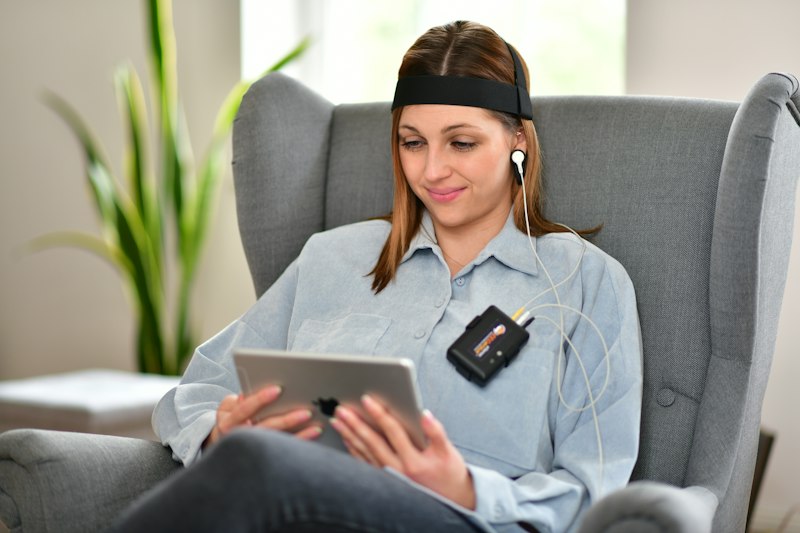
Introduction to Neophasia
Chronic pain represents a pervasive and debilitating health challenge, impacting millions globally and significantly diminishing an individual’s physical, mental, and emotional well-being. The quest for effective pain management strategies is a central focus in healthcare, continually driving the development of innovative therapeutic interventions. Among these emerging approaches, Neophasia has garnered attention as a promising, novel method specifically designed to alleviate chronic pain by harnessing the body’s intrinsic capacity for self-regulation and healing. This sophisticated technique stands at the intersection of psychology and physiology, offering a non-pharmacological pathway to improved health outcomes for those afflicted by persistent discomfort.
At its core, Neophasia is characterized as a specialized form of biofeedback-based intervention. This modality intricately weaves together the principles of real-time physiological monitoring with audio-visual stimulation to guide individuals into profound states of relaxation. The fundamental premise is that by achieving a deeply relaxed state, patients can effectively access and activate their body’s inherent healing mechanisms, thereby reducing the intensity and impact of their pain. This approach moves beyond symptomatic treatment, aiming instead to empower individuals with the skills to actively participate in their own pain management, fostering a greater sense of control and self-efficacy over their condition.
The therapeutic utility of Neophasia extends across a spectrum of chronic pain conditions, demonstrating versatility in its application. It has been specifically employed to manage prevalent and often refractory ailments such as chronic back pain, persistent neck pain, various forms of headaches including migraines, and the widespread musculoskeletal pain associated with fibromyalgia. Its effectiveness across these diverse conditions underscores its potential as a broad-spectrum intervention within the complex landscape of chronic pain, offering a complementary or alternative option to conventional treatments, particularly for those seeking non-invasive and patient-centered care.
Understanding the Mechanism of Neophasia
The efficacy of Neophasia is rooted in its sophisticated integration of biofeedback with carefully curated audio-visual stimuli. Biofeedback, as a therapeutic technique, enables individuals to gain conscious control over involuntary physiological processes, such as heart rate, muscle tension, skin temperature, and brainwave activity, by providing real-time information about these bodily functions. In the context of Neophasia, sensors are strategically placed on the body to monitor these physiological indicators, which are then translated into accessible visual or auditory signals. This immediate feedback loop allows patients to observe how their thoughts, emotions, and responses to stimuli influence their internal physiological state, thereby facilitating a learning process where they can intentionally modify these responses.
Central to Neophasia’s mechanism is the use of targeted audio-visual stimulation. This stimulation typically involves a combination of soothing sounds, such as ambient nature sounds or specially composed music, alongside calming visual elements like abstract patterns, intricate mandalas, or serene natural landscapes displayed on a screen. These stimuli are not merely for distraction; rather, they are precisely designed to entrain brainwave patterns, promote a meditative state, and enhance the body’s natural relaxation response. By immersing the individual in a tranquil sensory environment, Neophasia actively guides the nervous system away from the heightened state of arousal often associated with chronic pain and towards a state of parasympathetic dominance, characterized by rest, digestion, and healing.
The induction of a deep relaxation state through these combined techniques is pivotal. When the body enters such a state, the parasympathetic nervous system becomes more active, counteracting the “fight or flight” response mediated by the sympathetic nervous system, which is often overactive in chronic stress and pain conditions. This physiological shift promotes a cascade of beneficial effects, including reduced muscle tension, decreased heart rate, improved blood flow, and a modulation of pain perception pathways in the brain. The goal is to teach the individual to consciously evoke this relaxation response, thereby empowering them to mitigate pain sensations and foster their body’s innate healing capacities, shifting from a passive experience of pain to an active engagement in its management.
Historical Development and Conceptual Roots
While Neophasia itself is a relatively recent innovation, its foundational principles are deeply embedded in several established psychological and physiological paradigms. The concept of biofeedback, for instance, emerged prominently in the 1960s and 1970s, building upon earlier research in operant conditioning and psychophysiology. Pioneering work by researchers like Neal Miller demonstrated that even involuntary physiological responses could be brought under conscious control through feedback mechanisms. This groundbreaking insight opened new avenues for therapeutic interventions, suggesting that individuals could learn to regulate bodily functions previously thought to be autonomous, thereby influencing conditions ranging from hypertension to chronic pain.
The utilization of relaxation techniques also forms a critical historical precursor to Neophasia. Practices such as progressive muscle relaxation, autogenic training, and various forms of meditation have been recognized for centuries, and more recently, scientifically validated for their capacity to reduce stress, anxiety, and pain. These techniques aim to elicit the “relaxation response,” a physiological state characterized by decreased metabolic rate, heart rate, and brain activity, which directly opposes the physiological hallmarks of stress. Neophasia synthesizes these traditional relaxation methods with modern technological feedback, making the process of achieving deep relaxation more accessible and measurable for the patient.
Furthermore, Neophasia’s development reflects a broader shift in our understanding of pain itself. Historically, pain was often viewed purely through a biomedical lens, as a direct consequence of tissue damage. However, the advent of the biopsychosocial model of pain in the late 20th century revolutionized this perspective, acknowledging that pain is a complex, multidimensional experience influenced by biological, psychological, and social factors. This model provided the theoretical framework for interventions like Neophasia, which recognize the powerful interplay between the mind and body in pain perception and management. By addressing the psychological and physiological components of pain concurrently, Neophasia exemplifies a holistic approach aligned with contemporary pain science.
Practical Application: A Therapeutic Session
To illustrate the practical application of Neophasia, consider a patient named Sarah, who experiences chronic low back pain following a motor vehicle accident, which has been resistant to conventional treatments. Her pain is exacerbated by stress and often leads to muscle spasms and sleep disturbances. A Neophasia session would typically commence in a tranquil, dimly lit room, designed to minimize external distractions and foster a sense of calm. Sarah would be comfortably seated or reclined, and a trained therapist would explain the process, reassuring her about the non-invasive nature of the intervention.
The initial step involves attaching specialized sensors to Sarah’s body. These sensors might monitor various physiological parameters crucial to understanding her state of arousal and relaxation. For instance, electromyography (EMG) sensors could be placed on her lower back muscles to measure muscle tension, skin conductance response (SCR) sensors on her fingertips to gauge sympathetic nervous system activity related to stress, and heart rate variability (HRV) sensors to assess her autonomic nervous system balance. These real-time physiological data points are then fed into a computer system, which translates them into easily interpretable visual displays, often presented on a screen positioned within Sarah’s line of sight.
Once the monitoring is established, the core of the Neophasia session begins with the introduction of customized audio-visual stimulation. Sarah might wear noise-canceling headphones delivering soothing ambient music or guided imagery narratives designed to promote deep relaxation. Simultaneously, a screen in front of her would display calming visual content, such as slowly evolving abstract patterns, serene nature scenes, or biofeedback animations that visually represent her physiological state – for example, a virtual flower blooming as her heart rate slows, or a landscape clearing as her muscle tension decreases. The therapist guides Sarah to focus on these stimuli and to consciously attempt to influence her physiological readings, using the visual feedback as a guide. Over several sessions, Sarah learns to associate specific internal states and mental strategies with positive changes in her physiological data, gradually gaining mastery over her body’s relaxation response and, consequently, her pain perception.
Clinical Efficacy and Broad Applications
The clinical efficacy of Neophasia in pain management has been rigorously investigated through a series of studies and systematic reviews, yielding consistent positive outcomes. A comprehensive systematic review of the literature concluded that Neophasia is notably effective in achieving a substantial reduction in pain intensity across various chronic pain populations. Beyond mere symptom reduction, these studies also highlighted a significant improvement in the overall quality of life for chronic pain patients undergoing Neophasia. This encompasses enhancements in daily functioning, sleep patterns, and the ability to engage in activities previously restricted by pain, underscoring its holistic benefit.
Furthermore, the research indicates that Neophasia contributes positively to psychological well-being, which is often severely compromised in individuals living with chronic pain. Patients receiving Neophasia therapy demonstrated decreased levels of stress, reduced symptoms of anxiety, and a notable alleviation of depression. These psychological benefits are critical, as stress, anxiety, and depression not only co-occur frequently with chronic pain but can also intensify pain perception and hinder recovery. The ability of Neophasia to address both the physiological and psychological dimensions of chronic pain reinforces its value as a comprehensive therapeutic tool.
An important aspect of Neophasia’s utility is the sustained nature of its effects. Longitudinal studies have demonstrated that the positive outcomes achieved during Neophasia treatment are maintained over the long term, suggesting that patients acquire lasting self-regulation skills rather than experiencing only transient relief. Moreover, a significant advantage of this biofeedback-based approach is its favorable safety profile, with clinical trials consistently reporting no adverse effects. This makes Neophasia a particularly attractive option for patients seeking non-pharmacological interventions or those who may be sensitive to the side effects associated with traditional pain medications, positioning it as a safe and durable solution within integrated pain care models.
Impact on Mental Wellbeing and Quality of Life
Beyond its direct impact on pain reduction, Neophasia has demonstrated a profound positive influence on the broader mental wellbeing of individuals struggling with chronic pain, directly contributing to an enhanced quality of life. Chronic pain is not merely a physical sensation; it is a complex condition that often leads to a cascade of psychological challenges, including persistent negative mood states, heightened stress reactivity, and a diminished sense of personal control. Neophasia, by empowering individuals to modulate their physiological responses, offers a pathway to mitigate these psychological burdens.
Research has specifically highlighted Neophasia’s capacity to foster improved mood and increase resilience among patients. A study focusing on chronic pain patients undergoing Neophasia observed a significant uplift in overall mood, alongside a marked reduction in perceived stress levels. This improvement in emotional regulation and stress coping mechanisms is vital, as chronic pain often traps individuals in a vicious cycle where pain exacerbates stress, and stress, in turn, amplifies pain. By teaching patients to break this cycle through targeted relaxation and self-regulation, Neophasia equips them with enduring psychological tools.
Furthermore, Neophasia has been shown to address cognitive fatigue, a pervasive and often debilitating symptom frequently reported by individuals with chronic pain. Cognitive fatigue manifests as difficulties with concentration, memory, and mental clarity, significantly impairing daily functioning and overall quality of life. Another study found that Neophasia was associated with decreased levels of cognitive fatigue, suggesting that the deep relaxation and enhanced physiological regulation achieved through the intervention can free up cognitive resources, allowing for improved mental sharpness and endurance. These comprehensive psychological benefits underscore Neophasia’s role not just as a pain reliever, but as a holistic enhancer of mental health and functional capacity for chronic pain sufferers.
Related Concepts and Theoretical Frameworks
Neophasia operates within a rich tapestry of psychological and physiological theories, sharing common ground with several established therapeutic modalities and concepts. Its emphasis on self-regulation and the mind-body connection places it squarely within the domain of health psychology and behavioral medicine, fields that explore the intricate interplay between psychological factors, biological processes, and health outcomes. By leveraging biofeedback, Neophasia can be understood as a sophisticated form of applied psychophysiology, where physiological data is used to inform and modify psychological states and behaviors related to health.
The principles underlying Neophasia bear conceptual similarities to other prominent interventions aimed at managing chronic conditions and promoting well-being. For instance, Cognitive Behavioral Therapy (CBT) for pain, a widely recognized and effective psychological treatment, also focuses on empowering patients to change their perception of and reaction to pain. While CBT primarily targets maladaptive thoughts and behaviors, Neophasia offers a more direct physiological pathway to self-regulation, providing a complementary approach that can be integrated into comprehensive pain management programs. Similarly, Mindfulness-Based Stress Reduction (MBSR) shares Neophasia’s goal of cultivating present-moment awareness and facilitating a relaxation response, though MBSR typically relies on meditative practices without external biofeedback technology.
Furthermore, Neophasia can be understood in relation to other biofeedback variants. For example, neurofeedback is a specific type of biofeedback that focuses on training individuals to self-regulate their brainwave activity. While Neophasia broadly addresses physiological markers of arousal and relaxation, its integration of audio-visual stimulation shares the neurofeedback principle of using sensory input to guide internal states. Ultimately, Neophasia belongs to the broader category of mind-body interventions, advocating for the active role of the individual’s mental and emotional state in influencing physical health and disease. This positions it as a valuable tool for empowering patients and fostering greater autonomy in their health journey.
Future Directions and Research Perspectives
The emergence of Neophasia as a promising intervention for chronic pain management opens several exciting avenues for future research and clinical development. While current studies have established its efficacy and safety, ongoing investigations are crucial to fully elucidate its mechanisms of action, optimize treatment protocols, and identify specific patient populations who might benefit most from this approach. Further neuroimaging studies, for instance, could provide deeper insights into the neural pathways and brain regions modulated by Neophasia, offering a more granular understanding of how audio-visual stimulation and biofeedback collectively influence pain perception and emotional regulation.
One critical area for future exploration involves refining the personalization of Neophasia interventions. Current applications often employ generalized audio-visual stimuli and biofeedback parameters. However, research into tailoring these elements to individual patient profiles, based on their specific pain characteristics, psychological predispositions, and physiological responses, could significantly enhance treatment effectiveness. This might involve adaptive algorithms that adjust stimuli in real-time based on a patient’s evolving physiological state or incorporating patient preferences for visual and auditory content to maximize engagement and therapeutic outcomes.
Moreover, the integration of Neophasia with other established therapeutic modalities warrants further investigation. Exploring its synergistic potential when combined with pharmacotherapy, physical therapy, or cognitive behavioral therapy could lead to more comprehensive and effective multi-modal treatment strategies for complex chronic pain conditions. Additionally, research into the feasibility and effectiveness of remote or home-based Neophasia systems, leveraging wearable technology and mobile applications, could significantly expand access to this beneficial intervention, making it a more scalable solution for the global challenge of chronic pain. These future directions promise to solidify Neophasia’s role as a cornerstone in integrated pain care.
Conclusion: The Role of Neophasia in Integrated Pain Care
In summary, Neophasia represents a significant advancement in the non-pharmacological management of chronic pain, embodying a patient-centered approach that empowers individuals to engage actively in their healing process. As a biofeedback-based intervention enriched by audio-visual stimulation, it effectively guides the body into states of deep relaxation, thereby activating its natural restorative mechanisms and profoundly influencing pain perception. The compelling evidence from clinical trials unequivocally supports Neophasia’s capacity to reduce pain intensity, enhance overall quality of life, and confer substantial psychological benefits, including reductions in stress, anxiety, and depression, while also combating cognitive fatigue.
Its unique methodology, which bridges physiological self-regulation with sensory immersion, positions Neophasia as a valuable complement to existing pain management strategies. By offering a safe, non-invasive, and durable treatment option devoid of adverse effects, Neophasia addresses a critical need for alternative therapeutic pathways, particularly for those seeking to minimize reliance on pharmacological interventions. Its roots in established psychophysiological principles, coupled with its innovative application, underscore its theoretical robustness and practical utility in a clinical setting.
As research continues to explore and refine its application, Neophasia is poised to become an increasingly integral component of comprehensive, integrated pain care models. It not only offers symptomatic relief but also fosters a deeper understanding of the mind-body connection, equipping individuals with sustainable skills for managing chronic conditions and enhancing their overall mental and physical well-being. Ultimately, Neophasia stands as a testament to the evolving landscape of pain science, championing an approach that empowers patients and harnesses the body’s innate capacity for health and healing.