Neophobia: Why Your Brain Fears the Unknown
Scientifically Reviewed · Dr. Marwa Abd-Alazim · October 13, 2026
Review Criteria & Clinical Standards
This content undergoes rigorous scientific peer-review and medical editorial standards at Arab Psychology Network to ensure clinical accuracy, validity, and compliance with evidence-based guidelines from leading psychological and healthcare authorities (APA / WHO).
Introduction to Neophobia
Neophobia, often colloquially referred to as the fear of novelty, represents a psychological phenomenon characterized by a profound aversion or apprehension towards new things, situations, or ideas. This condition extends beyond simple preference or cautious skepticism, manifesting as a significant emotional and cognitive resistance that can impede an individual’s ability to adapt and engage with unfamiliar stimuli. While a degree of wariness towards the unknown is a natural evolutionary mechanism for self-preservation, in its clinical manifestation, neophobia becomes disproportionate and pervasive, leading to considerable distress and functional impairment in daily life.
The scope of neophobia is remarkably broad, encompassing various facets of human experience. Individuals may exhibit a fear of trying new foods, known as food neophobia; a reluctance to embrace new technologies, sometimes termed technophobia; or a general apprehension towards novel social interactions or changes in routine. This overarching discomfort with anything unfamiliar means that those affected often find themselves trapped within rigid patterns of behavior and thought, preferring the predictability of the known, even if it limits personal growth and opportunities for enrichment. The inherent unpredictability of novel experiences becomes a source of intense anxiety, rather than a chance for learning or positive engagement.
In recent decades, neophobia has garnered increasing attention within the psychological community due to its pervasive impact on mental well-being. It has been demonstrably linked to a spectrum of mental health challenges, including heightened levels of social anxiety, symptoms of depression, and various trauma-related disorders. The constant apprehension associated with encountering newness can deplete an individual’s emotional resources, fostering a cycle of avoidance and increased anxiety, thereby significantly diminishing their quality of life. Understanding the multifaceted nature of this fear is crucial for developing effective strategies to support affected individuals.
Understanding the Core Mechanism
At its core, the fundamental mechanism behind neophobia involves a dysregulated or heightened physiological and psychological response to novel stimuli. When confronted with something unfamiliar, individuals with neophobia experience an exaggerated activation of their body’s stress response system. This translates into a rapid cascade of internal reactions, including increased heart rate, muscle tension, and a flood of stress hormones, preparing the body for a perceived threat that is often not objectively present. This immediate and intense internal alarm system makes approaching or engaging with newness an inherently unpleasant, if not terrifying, experience.
Cognitively, this heightened physiological response is often accompanied by catastrophic thinking patterns and an overestimation of potential negative outcomes associated with novel situations. The brain, perceiving newness as inherently dangerous, prioritizes caution and avoidance. This leads to a persistent cognitive bias where the unknown is automatically interpreted as threatening, regardless of objective evidence. Emotionally, this manifests as intense feelings of apprehension, dread, and panic, which are difficult to regulate and often overwhelming, reinforcing the desire to retreat from any new encounter.
It is important to differentiate between a healthy, adaptive level of caution towards the unknown and the maladaptive patterns observed in clinical neophobia. A natural inclination to assess new situations carefully serves an evolutionary purpose, protecting individuals from genuine threats. However, in neophobia, this protective mechanism becomes overactive and generalized, applying to benign or even beneficial novelties. This overgeneralization transforms a useful survival instinct into a debilitating psychological barrier, hindering learning, exploration, and the natural human drive for personal development and new experiences.
Historical Perspectives and Origins
While the term neophobia, particularly in a psychological context, has gained prominence in relatively recent times, the underlying phenomenon of aversion to novelty has been observed and implicitly understood throughout human history and across various species. Early philosophical and sociological observations hinted at humanity’s complex relationship with change and the unfamiliar, often recognizing the resistance to new ideas or technologies as a recurring societal pattern. However, it wasn’t until the rise of modern psychology, particularly the study of specific fears and phobias, that such an aversion began to be formally categorized and investigated as a distinct psychological construct.
The systematic study of fear and anxiety disorders, which gained significant momentum in the 20th century, provided the framework for understanding conditions like neophobia. Researchers began to explore how specific stimuli could elicit intense fear responses and how these responses could become generalized to broader categories. While early behaviorists focused on learned associations, later cognitive and biological perspectives broadened the understanding to include inherited predispositions and neural mechanisms. The conceptualization of neophobia as a distinct albeit often comorbid condition emerged from this evolving understanding of how fear circuits are formed and maintained.
The formal recognition and study of neophobia as a specific psychological phenomenon, rather than just a general trait of cautiousness, has intensified in the last few decades. This increased focus has largely been driven by advancements in neuroscience, allowing for a deeper exploration into the biological underpinnings of fear, and by the growing recognition of how pervasive and debilitating irrational fears of novelty can be in an increasingly rapidly changing world. Contemporary research now seeks to delineate its precise mechanisms, differentiate it from other anxiety-related conditions, and develop targeted interventions, moving beyond earlier, more generalized notions of resistance to change.
Biological Underpinnings of Neophobia
Research into the biological underpinnings of neophobia highlights the significant role of physiological responses, particularly the body’s stress system. Studies have consistently demonstrated that individuals exhibiting high levels of neophobia tend to have elevated baseline levels of cortisol, often referred to as the primary stress hormone, and show a more pronounced stress response when confronted with novel situations. This suggests that their physiological reactivity to the unknown is intrinsically amplified, leading to a cascade of internal events that make engaging with newness an inherently uncomfortable and anxiety-provoking experience. The sustained presence of elevated cortisol can also have long-term effects on mood and cognitive function, further perpetuating the cycle of avoidance.
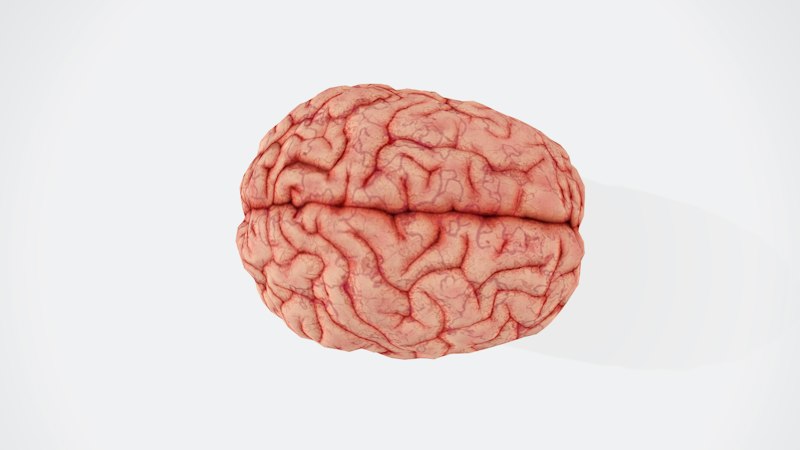
Furthermore, neurobiological investigations point to specific brain regions implicated in the processing of fear and novelty. The amygdala, a key structure in the limbic system responsible for emotional processing and fear conditioning, shows heightened activity in response to unfamiliar stimuli in neophobic individuals. This overactive fear circuitry can lead to an exaggerated ‘fight or flight’ response. Additionally, there may be reduced inhibitory control from the prefrontal cortex, which is typically involved in regulating emotions and evaluating risks. A less effective prefrontal modulation means that the initial alarm signal from the amygdala is not adequately dampened, allowing fear responses to escalate unchecked.
Beyond immediate physiological and neural responses, there is compelling evidence to suggest a genetic component to neophobia. Genetics can predispose certain individuals to exhibit higher levels of caution or fear in novel contexts, often manifesting as temperamental traits like behavioral inhibition in early childhood. This inherited propensity means that some individuals may be biologically wired to perceive newness as more threatening, making them inherently more susceptible to developing neophobic tendencies. While genetics do not solely determine the presence of neophobia, they establish a foundational vulnerability that interacts profoundly with environmental factors to shape an individual’s response to novelty.
Environmental and Experiential Factors
Beyond biological predispositions, environmental factors play an equally crucial role in the development and modulation of neophobia. Early childhood experiences, in particular, are highly influential in shaping an individual’s comfort level with novelty. Children who are exposed to a wide variety of new experiences, environments, and people from a young age, within a supportive and secure context, tend to develop a greater sense of curiosity and adaptability. This consistent, positive exposure helps to build resilience and a belief that newness is often safe and rewarding, thereby reducing the likelihood of developing significant neophobic tendencies later in life. Conversely, limited exposure can foster an undeveloped capacity for coping with unfamiliarity.
A significant contributing factor to heightened fear of the unknown is the experience of trauma, particularly during formative years. Traumatic events, such as physical or emotional abuse, neglect, or exposure to violence, can fundamentally alter an individual’s perception of safety and predictability. Following trauma, the world may be perceived as an inherently dangerous and unpredictable place, leading to a generalized association of novelty with potential harm. This leads to a strong drive for avoidance, as new situations are unconsciously linked to past pain or danger, making the individual highly reluctant to step outside their comfort zone and confront the perceived risks of the unfamiliar.
Social learning and observational learning also exert considerable influence on an individual’s propensity for neophobia. Children, in particular, learn by observing the reactions of their caregivers and peers. If parents or significant adults display significant anxiety or aversion towards new things, children are likely to internalize these responses, modeling similar behaviors and attitudes. This vicarious learning can either foster a sense of adventurousness or reinforce cautious, neophobic tendencies. Furthermore, cultural norms and societal messaging regarding change and tradition can subtly shape collective and individual comfort levels with novelty, adding another layer of environmental influence to this complex psychological phenomenon.
Manifestations and Practical Examples
Neophobia manifests in diverse ways across various life domains, making it a pervasive challenge for affected individuals. It is not limited to a single type of stimulus but can extend to food, technology, social interactions, travel, and even abstract ideas. For instance, food neophobia is common, where individuals strongly resist trying new dishes, flavors, or textures, often adhering to a very limited diet. Similarly, technological neophobia can impede professional development or daily tasks if a person refuses to learn new software or adapt to updated devices. The common thread is the intense discomfort and avoidance associated with anything that deviates from established norms or routines.
To illustrate, consider the common scenario of a new restaurant opening in town. For most people, this might be an exciting opportunity to explore new culinary experiences. However, for an individual with pronounced neophobia, the idea of visiting this new establishment can trigger significant anxiety. They might worry excessively about the menu, unfamiliar ingredients, the atmosphere, or even the potential for social awkwardness with new staff. The uncertainty surrounding the experience becomes overwhelming, leading to a strong inclination to stick with familiar, tried-and-true dining options, even if it means missing out on potentially enjoyable experiences or social opportunities with friends who wish to explore the new place.
Applying the psychological principle in this restaurant example, the “how-to” of neophobia involves a sequence of internal and external responses. Initially, the suggestion of the new restaurant triggers an immediate internal alarm (e.g., increased heart rate, muscle tension) due to the novelty. This physiological response is quickly followed by a cognitive appraisal that magnifies potential negative outcomes – “What if I don’t like anything on the menu?” “What if the food makes me sick?” “What if I feel uncomfortable?” These thoughts fuel intense emotional distress, culminating in a strong behavioral urge to avoid the situation. The individual might then invent excuses, deflect the suggestion, or simply refuse outright, thereby reinforcing the avoidance pattern and inadvertently strengthening the neophobic response each time it is enacted. This cycle perpetuates the fear, making future encounters with novelty even more daunting.
Significance in Psychology and Beyond
The concept of neophobia holds considerable significance within the field of psychology, offering crucial insights into the broader understanding of anxiety disorders, developmental trajectories, and individual differences in personality. Recognizing neophobia as a distinct phenomenon helps clinicians differentiate it from other related conditions, allowing for more precise diagnosis and targeted therapeutic interventions. It underscores the importance of examining how individuals interact with the unknown, providing a lens through which to understand resistance to change, learning difficulties, and even certain social behaviors. Furthermore, studying neophobia sheds light on the interplay between innate predispositions and environmental learning in shaping complex human behaviors and emotional responses.
In clinical settings, understanding neophobia is paramount, particularly in the treatment of various anxiety-related conditions. Therapists utilize this understanding to develop tailored strategies, such as gradual exposure therapy, to help individuals systematically confront and habituate to novel stimuli in a controlled and supportive environment. For instance, in treating food neophobia, a therapist might guide a client through a structured program of tasting new foods in increasing increments. Similarly, for social neophobia, gradual exposure to new social situations can help desensitize the individual to the anxiety associated with unfamiliar social dynamics. This targeted application directly addresses the core avoidance behaviors that sustain the fear of novelty.
Beyond the clinical realm, the implications of neophobia extend into various other practical domains. In marketing and consumer behavior, understanding consumer reluctance to adopt new products or technologies is vital for effective product design and advertising strategies. In education, recognizing students’ neophobia can help educators devise methods to introduce new concepts or learning tools in a less threatening manner, fostering greater engagement and academic success. In public health initiatives, addressing neophobia can be crucial for promoting the adoption of new health behaviors or medical treatments. Ultimately, insights into neophobia enhance our ability to navigate and facilitate change, both at the individual and societal levels.
Connections to Other Psychological Concepts
Neophobia is deeply interconnected with several other key psychological concepts and theories, offering a richer understanding of its multifaceted nature. It shares significant overlap with specific phobias, which are intense, irrational fears of particular objects or situations, although neophobia is characterized by a broader aversion to *any* novelty rather than a singular stimulus. It is also closely related to generalized anxiety disorder, where individuals experience pervasive and excessive worry about various life circumstances, and social anxiety, where the fear specifically targets new social interactions. The common thread among these conditions is the experience of intense anxiety and a tendency towards avoidance, with neophobia representing a specific thematic manifestation of these underlying vulnerabilities.
Furthermore, neophobia can be understood through the lens of cognitive biases and personality traits. Individuals prone to neophobia may exhibit cognitive biases such as an attentional bias towards perceived threats in novel situations, or a negative interpretative bias where ambiguous new information is automatically construed as dangerous. In terms of personality, neophobia is often inversely correlated with openness to experience, one of the Big Five personality traits, which describes a person’s receptiveness to new ideas, aesthetics, and values. Highly neophobic individuals tend to score low on openness to experience and may score higher on neuroticism, reflecting a general tendency towards negative emotional states and emotional instability, which exacerbates their discomfort with the unfamiliar.
Broadly, neophobia falls under several subfields of psychology, demonstrating its interdisciplinary nature. Its study encompasses elements of clinical psychology due to its links with anxiety disorders and the need for therapeutic interventions. Aspects of its development and origins are explored within developmental psychology, particularly concerning early experiences and temperament. The cognitive processes involved in perceiving and responding to novelty are central to cognitive psychology, while the behavioral patterns of avoidance and approach fall under behavioral psychology. This rich interplay across various sub-disciplines highlights the complexity of neophobia and the comprehensive approach required to understand and address it effectively.
Interventions and Management Strategies
Addressing neophobia effectively requires a multifaceted approach, often drawing upon established therapeutic techniques used for phobias and anxiety disorders. One of the most common and empirically supported interventions is cognitive-behavioral therapy (CBT). CBT helps individuals identify and challenge the irrational thought patterns and cognitive biases that fuel their fear of novelty. By restructuring negative thoughts about new experiences and developing more realistic appraisals of potential threats, individuals can gradually alter their emotional and behavioral responses. This cognitive restructuring is often combined with behavioral components to directly address avoidance behaviors.
A core behavioral strategy within CBT is exposure therapy, which involves systematically and gradually exposing the individual to the feared novel stimuli in a controlled and safe environment. The process begins with minimal exposure, such as simply thinking about a new situation, and progressively increases in intensity, for instance, by observing others engage with novelty, then participating briefly, and eventually fully immersing oneself. This gradual habituation helps to desensitize the individual to the anxiety-provoking aspects of novelty, demonstrating that the feared outcomes are unlikely to occur and that the anxiety response will naturally diminish over time. This approach helps to break the cycle of avoidance that sustains neophobia.
In certain cases, pharmacological interventions may be considered as an adjunct to therapy, particularly if the anxiety associated with neophobia is severe and significantly debilitating. Medications, such as selective serotonin reuptake inhibitors (SSRIs) or anxiolytics, can help manage acute anxiety symptoms, thereby enabling individuals to engage more effectively in therapeutic work. Additionally, lifestyle adjustments, including mindfulness practices, regular physical activity, and adequate sleep, can enhance overall resilience and help manage stress, contributing to a more adaptive response to novelty. The most effective management plans are typically personalized, taking into account the unique biological predispositions, environmental history, and specific manifestations of neophobia in each individual.