The Neural Axis: Mapping Your Brain and Body Connection
Scientifically Reviewed · Dr. Marwa Abd-Alazim · October 1, 2026
Review Criteria & Clinical Standards
This content undergoes rigorous scientific peer-review and medical editorial standards at Arab Psychology Network to ensure clinical accuracy, validity, and compliance with evidence-based guidelines from leading psychological and healthcare authorities (APA / WHO).
The Core Definition and Functional Concept of the Neural Axis
The neural axis fundamentally describes the central nervous system, encompassing the brain, spinal cord, and their intricate network of peripheral nerves. This complex biological architecture serves as the body’s primary communication highway, enabling the seamless exchange of information between various organs, systems, and the external environment. Far from being a mere anatomical description, the neural axis represents the foundational biological substrate for all physiological functions, from basic reflexes to complex cognitive processes such as thought, memory, and emotion, ultimately orchestrating the body’s dynamic interaction with its surroundings.
At its core, the neural axis operates through a sophisticated system of electrochemical signaling. It is comprised of billions of specialized cells known as neurons, which are the fundamental units of information processing. These neurons form an incredibly dense and interconnected network, transmitting signals in milliseconds across vast distances within the body. This rapid and precise communication allows the body to monitor its internal state, process external stimuli, and generate appropriate responses, thereby maintaining a delicate internal balance known as homeostasis. The integrity and efficient functioning of this neural network are paramount for the survival and well-being of an organism, influencing everything from basic metabolic regulation to complex behavioral patterns.
The term “neural axis” emphasizes the longitudinal arrangement and interconnectedness of these vital components, highlighting their integrated role rather than viewing them as isolated entities. It underscores the continuous conduit for nerve impulses that originates in the brain, extends through the spinal cord, and radiates outward via peripheral nerves to every tissue and organ. This continuous pathway ensures that sensory information from the periphery reaches the central processing units, and motor commands from the brain are effectively relayed to muscles and glands, forming a complete and responsive feedback loop essential for coordinated biological activity.
Structural Anatomy of the Neural Axis
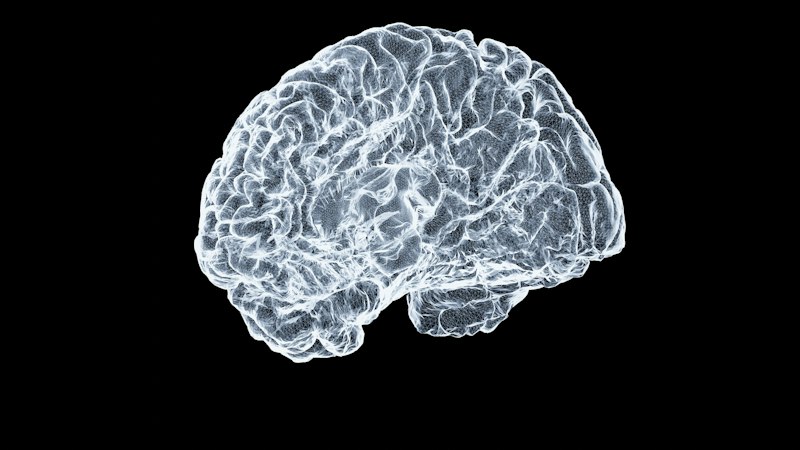
The anatomical framework of the neural axis is conventionally divided into three primary components: the brain, the spinal cord, and the extensive network of peripheral nerves. Each component possesses distinct structural characteristics and plays specialized roles, yet all are inextricably linked to form a cohesive functional unit. The brain, housed within the protective confines of the skull, stands as the most intricate command-and-control center of the entire system, responsible for processing vast amounts of information and initiating complex responses. Its highly convoluted surface, the cerebral cortex, is indicative of its advanced processing capabilities.
Within the brain, three major divisions are recognized:
- The cerebrum, which is characterized by its two hemispheres and is the seat of higher cognitive functions, including conscious thought, memory formation, language, and emotions.
- The cerebellum, which is crucial for the precise coordination and fine-tuning of voluntary movements, balance, and posture.
- The brain stem, which serves as a vital conduit for nerve pathways and controls essential autonomic functions like breathing, heart rate, and sleep-wake cycles.
Extending caudally from the brain stem is the spinal cord, a long, tubular bundle of nerve tissue encased within the vertebral column. This crucial component serves as the primary communication link between the brain and the vast majority of the body’s peripheral nerves, acting as a two-way conduit that relays sensory information upwards and transmits motor commands downwards. Beyond its role as a relay, the spinal cord also independently mediates simple reflex actions, allowing for rapid, involuntary responses to stimuli without direct input from the brain, thereby protecting the body from potential harm.
Finally, the peripheral nerves constitute the extensive network of nerve fibers that branch out from the brain and spinal cord, reaching every part of the body. These bundles of nerve fibers, categorized into cranial nerves and spinal nerves, form the communication bridge between the central components of the neural axis and the body’s organs, muscles, and sensory receptors. They transmit sensory information—such as touch, temperature, pain, and proprioception—from the periphery back to the spinal cord and brain, and conversely, carry motor commands from the central nervous system out to muscles, initiating movement, and to glands, controlling secretion.
Physiological Mechanisms and Electrochemical Signaling
The physiological operations of the neural axis are characterized by the generation and transmission of electrochemical signals, or nerve impulses, which form the basis of all communication within the nervous system. This process begins with a stimulus, which can be internal or external, triggering a change in the electrical potential across a neuron’s membrane. If this change reaches a certain threshold, it generates an action potential, a rapid and transient reversal of the membrane potential that propagates along the neuron’s axon. This propagation is an all-or-none event, meaning once initiated, it proceeds without decrement, ensuring that signals are transmitted faithfully over long distances without losing strength.
Upon reaching the end of an axon, the nerve impulse typically triggers the release of chemical messengers called neurotransmitters into a specialized gap known as a synapse. These neurotransmitters diffuse across the synaptic cleft and bind to specific receptors on the dendrite or cell body of an adjacent neuron, either exciting or inhibiting its activity. This synaptic transmission is a critical point for information processing, allowing for complex integration and modulation of signals, where the specific combination of neurotransmitters and their receptors determines the nature of the communication, influencing everything from muscle contraction to mood, learning, and complex cognitive processes.
The overall physiological function of the neural axis involves a continuous interplay between its sensory, integrative, and motor components. Sensory neurons, or afferent neurons, are responsible for detecting stimuli from both the internal and external environments and relaying this information to the central nervous system. Once received, the brain and spinal cord, through vast networks of interneurons, perform integration, processing the incoming sensory data, comparing it with stored memories, and making decisions. Finally, motor neurons, or efferent neurons, transmit commands from the central nervous system to effector organs, such as muscles and glands, initiating appropriate responses.
Historical Perspectives on Understanding the Neural Axis
The systematic understanding of the neural axis has evolved over centuries, building upon the foundational work of numerous anatomists, physiologists, and neurologists. Early civilizations, such as the ancient Egyptians and Greeks, recognized the brain’s importance, though they often attributed cognitive functions to the heart. Galen, in the second century AD, made significant strides by dissecting animal brains and observing the ventricles, proposing that animal spirits flowed through hollow nerves. However, it was not until the Renaissance, with figures like Andreas Vesalius, that more accurate anatomical descriptions of the brain and spinal cord began to emerge, challenging older, less empirical views and laying the groundwork for modern neuroanatomy.
The seventeenth and eighteenth centuries saw the emergence of theories proposing the nervous system as a hydraulic machine, influenced by thinkers like René Descartes who conceptualized nerves as hollow tubes through which fluids flowed. However, the true physiological understanding began to take shape with the discovery of electricity. Luigi Galvani’s experiments in the late eighteenth century demonstrated that electrical stimulation could cause muscle contraction, strongly suggesting an electrical nature to nerve impulses. This marked a pivotal shift from pneumatic to electrical theories of nervous system function, setting the stage for nineteenth-century advancements.
The nineteenth and early twentieth centuries were critical for unraveling the microscopic structure and function of the neural axis. Santiago Ramón y Cajal, often considered the father of modern neuroscience, utilized the Golgi stain to meticulously illustrate the individual structure of neurons, providing irrefutable evidence for the “neuron doctrine”—the idea that the nervous system is composed of discrete individual cells rather than a continuous net. Concurrently, researchers like Charles Sherrington elucidated the concept of the synapse, the specialized junction between neurons, and described reflex arcs, laying the groundwork for understanding how different parts of the neural axis interact to produce coordinated behavior.
Practical Integration of Neural Axis Functions
To grasp the profound impact of the neural axis on everyday life, consider the seemingly simple act of picking up a cup of coffee. This routine behavior involves a complex interplay of sensory perception, cognitive processing, motor planning, and execution, all orchestrated by the neural axis. First, your visual system detects the cup, sending signals along the optic nerve to the visual cortex in your cerebrum, which processes this visual information to identify the object and assess its distance. The sequential process flows as follows:
- The visual cortex and association areas identify the object as a cup and retrieve memory data regarding its weight and temperature.
- Motor areas in the cerebral cortex generate a detailed plan for the movement, specifying which muscles need to contract, in what sequence, and with what force.
- The cerebellum refines this plan, ensuring that the movement is smooth, coordinated, and accurate, while descending motor pathways relay the commands down the spinal cord.
- The signals cross over in the brainstem, ensuring contralateral control, and reach the peripheral nerves that extend to the muscles of the arm and hand.
- The release of neurotransmitters at the neuromuscular junction causes muscle fibers to contract, while sensory receptors in the skin provide real-time feedback to adjust grip strength.
This intricate, multi-step process, occurring in milliseconds, exemplifies how the neural axis seamlessly integrates sensory input, cognitive decision-making, and motor output to enable purposeful interaction with the environment. Without this highly coordinated real-time feedback loop, even basic survival tasks would be impossibly disjointed. The seamless execution of these steps underscores the critical importance of a healthy, integrated neural network in our daily activities.
Clinical Applications and Diagnostic Tools
The profound understanding of the neural axis has revolutionized medical diagnostics and therapeutic interventions for a wide array of neurological conditions and diseases. The ability to visualize and assess the functional integrity of this complex system is paramount for accurate diagnosis. For instance, advanced imaging techniques such as Magnetic Resonance Imaging (MRI) and Computed Tomography (CT) scans are routinely employed to provide highly detailed images of the neural axis’s structure. MRI, in particular, offers superior soft-tissue contrast, making it invaluable for detecting subtle abnormalities like tumors, lesions characteristic of multiple sclerosis, or the aftermath of a stroke, by visualizing changes in brain and spinal cord tissue.
Beyond structural visualization, clinicians often need to assess the functional integrity of the neural axis. Electromyography (EMG) and Nerve Conduction Studies (NCS) are electrophysiological tests that directly evaluate nerve and muscle function. EMG involves inserting small needles into muscles to record their electrical activity, helping to diagnose conditions like muscular dystrophy or nerve root compression. NCS measures how quickly and effectively electrical signals travel along a nerve, providing crucial information about nerve damage or disease, such as carpal tunnel syndrome or peripheral neuropathy. These diagnostic tools are critical for localizing the site of neurological damage and characterizing its nature.
Moreover, the neural axis is a primary target for the treatment of numerous debilitating neurological disorders. For patients suffering from a stroke, understanding the exact location and extent of neural damage within the brain or spinal cord is crucial for guiding rehabilitation strategies aimed at restoring lost function by harnessing neuroplasticity. For conditions like multiple sclerosis, which involves demyelination within the central nervous system, treatments often focus on modulating the immune system to reduce inflammation. Similarly, in cases of spinal cord injury, ongoing research and clinical efforts are dedicated to promoting nerve regeneration, reducing secondary damage, and developing assistive technologies to restore function.
Contemporary Research Frontiers and Lifestyle Influences
Recent scientific endeavors continue to expand our understanding of the neural axis, delving into its intricate mechanisms and exploring its broader implications for health and disease. A significant area of focus is the impact of psychological factors, such as stress, on the neural axis. Studies have elucidated how chronic stress can lead to structural and functional changes in brain regions vital for mood regulation, learning, and memory, such as the hippocampus and prefrontal cortex, thereby contributing to the development and exacerbation of conditions like depression and anxiety disorders. This research underscores the profound bidirectional relationship between mental states and the physical physiology of the nervous system.
Furthermore, the influence of lifestyle factors, including diet and exercise, on the neural axis is gaining increasing attention. Research is demonstrating that specific nutritional components can modulate neuroinflammation, neurotransmitter synthesis, and synaptic plasticity, impacting cognitive function and mood. Similarly, regular physical activity has been shown to enhance neurogenesis (the birth of new neurons), improve blood flow to the brain, and mitigate age-related cognitive decline, offering potential strategies for the prevention and management of various chronic diseases, including neurodegenerative conditions. These findings emphasize the neural axis’s dynamic adaptability and its responsiveness to environmental and behavioral interventions.
Another cutting-edge frontier involves leveraging advanced neural axis imaging techniques not only for diagnosis but also for ongoing monitoring and personalized treatment. Functional MRI (fMRI) allows researchers to observe brain activity in real-time, identifying neural circuits involved in specific cognitive tasks or emotional responses. Additionally, the development of sophisticated neuroimaging biomarkers holds immense promise for early disease detection, tracking disease progression, and assessing the efficacy of novel interventions. Future research is poised to integrate these imaging advances with genetic and proteomic data, aiming for a holistic understanding of neural axis function and dysfunction, paving the way for highly individualized precision medicine approaches in neurology and psychiatry.
Significance and Broader Connections in Psychology
The concept of the neural axis is of paramount importance to the field of psychology, providing the fundamental biological substrate for all psychological processes. Without an intact and functioning neural axis, complex human experiences such as consciousness, emotion, cognition, and behavior would be impossible. It serves as the physical manifestation of the mind, allowing psychologists to ground abstract mental constructs in concrete biological mechanisms. Understanding the neural axis is thus indispensable for explaining how we perceive the world, learn, remember, make decisions, and interact socially, forming the bedrock upon which all other psychological theories and interventions are built.
Within the broader landscape of psychology, the neural axis is a core concept in several specialized subfields:
- Biological Psychology (also known as Biopsychology or Behavioral Neuroscience), which specifically investigates the physiological, genetic, and developmental mechanisms of behavior in humans and other animals.
- Cognitive Psychology, which studies the anatomical and physiological basis for information processing, memory formation, and problem-solving.
- Affective Neuroscience and Social Neuroscience, which examine how specific neural pathways within the axis mediate emotional responses and social interactions.
The neural axis connects directly to numerous other key psychological terms and theories. Concepts like neurotransmitters and synaptic plasticity are direct mechanisms through which the neural axis learns and adapts. Understanding conditions like aphasia (language impairment) or amnesia (memory loss) directly relates to damage or dysfunction in specific areas of the brain within the neural axis. The study of reflex arcs in the spinal cord provides a basic model for stimulus-response pathways, while complex phenomena like consciousness and self-awareness are believed to emerge from the integrated activity of vast networks within the cerebrum. The neural axis, therefore, serves as the grand unifying principle for understanding the biological underpinnings of all psychological functions.