Auditory Health: Guarding Your Mind Against Noise Loss
Scientifically Reviewed · Dr. Marwa Abd-Alazim · October 11, 2026
Review Criteria & Clinical Standards
This content undergoes rigorous scientific peer-review and medical editorial standards at Arab Psychology Network to ensure clinical accuracy, validity, and compliance with evidence-based guidelines from leading psychological and healthcare authorities (APA / WHO).
The Core Definition of Noise-Induced Hearing Loss (NIHL)
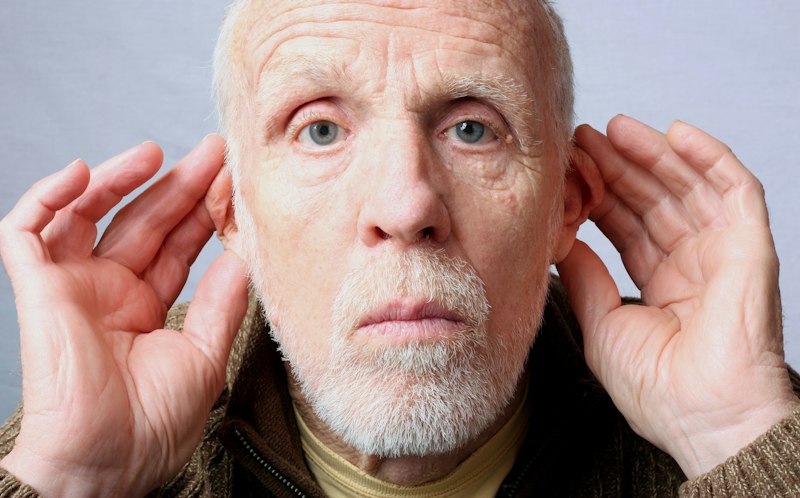
Noise-induced hearing loss (NIHL) is fundamentally a type of permanent hearing impairment that results from exposure to excessively loud sounds. It is a progressive condition, often developing gradually over time with repeated or prolonged exposure, but it can also manifest acutely after a single, extremely intense acoustic event. This widespread issue affects individuals across all age demographics, from young adults engaging in loud recreational activities to older workers exposed to occupational noise, and it profoundly diminishes an individual’s quality of life by impeding communication, social interaction, and overall well-being. The essence of NIHL lies in the irreversible damage it inflicts upon the delicate structures within the inner ear, specifically the sensory hair cells responsible for converting sound vibrations into electrical signals that the brain interprets.
The key idea behind NIHL’s mechanism revolves around the exceeding of the ear’s natural protective thresholds. When sound energy, measured in decibels (dB), surpasses a critical intensity level, typically around 85 dB for prolonged durations, it exerts excessive mechanical stress and metabolic overload on the cochlear hair cells. This overstimulation leads to a cascade of cellular events, including physical damage to the hair cell stereocilia, metabolic exhaustion, and the generation of harmful free radicals. Unlike some other forms of hearing loss, the damage caused by NIHL is largely irreversible because mammalian inner ear hair cells generally do not regenerate. Consequently, the primary focus in addressing NIHL is on prevention, as restorative treatments for the lost sensory cells are not currently available, making the preservation of existing hearing paramount.
Understanding NIHL necessitates a grasp of both its acute and chronic manifestations. While a sudden, deafening sound, such as an explosion, can cause immediate and significant hearing damage, the more prevalent form of NIHL arises from cumulative exposure to hazardous noise levels over months or years. This insidious progression often means individuals do not immediately notice the decline in their hearing, attributing minor difficulties to other factors or simply adapting to a reduced auditory capacity. By the time symptoms like difficulty understanding speech in noisy environments or the onset of tinnitus become pronounced, substantial and irreversible damage has already occurred, highlighting the critical importance of early detection and, more effectively, proactive prevention measures.
Understanding the Mechanics of NIHL
The intricate process by which loud noise inflicts damage upon the auditory system primarily targets the cochlea, a snail-shaped organ located in the inner ear. Within the cochlea reside thousands of tiny hair cells, both inner and outer, which are crucial for hearing. The outer hair cells amplify sound, while the inner hair cells transmit sound information to the brain. When subjected to sounds exceeding safe levels, these delicate hair cells can be overstimulated, leading to a range of damage from temporary dysfunction to permanent destruction. The intensity and duration of the noise exposure are the principal determinants of the extent of this damage. Sounds above 85 decibels are generally considered hazardous, with the risk of damage increasing exponentially as the decibel level rises and the exposure time lengthens.
Prolonged exposure to sounds louder than 85 decibels (dB) causes a complex series of physiological changes within the cochlea. Initially, the intense mechanical vibrations can physically bend or break the stereocilia, which are the hair-like projections on the surface of the hair cells. This structural damage impairs their ability to transduce sound effectively. Concurrently, the metabolic demands on the hair cells skyrocket as they attempt to cope with the overwhelming sound input. This can lead to the depletion of essential nutrients and the accumulation of toxic byproducts, including reactive oxygen species, which induce oxidative stress and further cellular damage. Ultimately, if the stress is too great or too prolonged, the hair cells undergo apoptosis, or programmed cell death, leading to their irreversible loss.
Common sources of hazardous noise are ubiquitous in modern society, ranging from occupational environments to recreational activities. In industrial settings, loud machinery such as motor vehicles, factory equipment, and construction tools are notorious contributors to NIHL. Beyond the workplace, popular leisure pursuits also pose significant risks; listening to music at high volumes, particularly through headphones, attending live concerts, nightclubs, or sporting events, and engaging in activities like hunting or using power tools without protection, all expose individuals to noise levels well above the safe threshold. Understanding these prevalent sources is critical for developing effective prevention strategies aimed at mitigating the global burden of noise-induced hearing loss.
Historical Perspective and Research Milestones
The recognition of noise as a causative factor in hearing impairment dates back centuries, with early observations linking blacksmiths, boilermakers, and other tradesmen to significant hearing loss. However, it was not until the industrial revolution, with the advent of powerful machinery and increasingly noisy workplaces, that the prevalence and severity of occupational hearing loss became undeniable. Early medical practitioners began to document the specific patterns of hearing loss associated with certain professions, laying the groundwork for what would later be formally termed noise-induced hearing loss. The early 20th century saw the emergence of rudimentary audiometric testing, which allowed for more objective measurement and characterization of hearing thresholds and the specific frequencies affected by noise exposure.
Significant advancements in understanding the pathophysiology of NIHL occurred throughout the mid-20th century. Researchers began to experimentally investigate the effects of intense sound on animal models, meticulously detailing the microscopic changes within the cochlea. Key figures in audiology and otolaryngology contributed to the growing body of knowledge, identifying critical parameters such as sound intensity, frequency, and duration of exposure as primary determinants of damage. This period also saw the development of more sophisticated sound level meters and personal dosimeters, enabling more precise measurement of noise exposure in both occupational and recreational settings. These technological advancements were crucial for establishing scientific guidelines for safe noise limits.
The late 20th and early 21st centuries have further refined our understanding of NIHL, moving beyond purely mechanical damage to encompass metabolic and genetic factors. Research has explored the role of oxidative stress in noise-induced cochlear damage and investigated potential pharmacotherapies aimed at mitigating this cellular injury. Additionally, there has been an increased focus on public health initiatives and regulatory frameworks to protect workers and the general public from hazardous noise. Organizations like the World Health Organization (WHO) and national occupational safety and health agencies have played a pivotal role in raising awareness, setting exposure standards, and promoting preventative measures, thereby transforming NIHL from an inevitable consequence of certain professions into a largely preventable public health concern.
Epidemiology and Global Impact
Epidemiology data unequivocally highlight noise-induced hearing loss as a substantial global public health concern, impacting millions worldwide. The World Health Organization (WHO) has sounded a clear alarm, estimating that a staggering 1.1 billion young people globally are at risk of hearing loss due to excessive noise exposure from recreational settings alone. This figure underscores the pervasive nature of hazardous noise in contemporary society, extending beyond traditional occupational hazards to encompass everyday activities that, unknowingly, contribute to auditory damage. The sheer scale of this potential health crisis necessitates widespread awareness campaigns and robust public health interventions to mitigate its long-term consequences.
The prevalence of NIHL exhibits a clear correlation with age, typically showing an increasing trend in older populations. While younger individuals are at risk from acute or repeated high-level exposures, the cumulative effect of noise exposure throughout a lifetime often manifests as more pronounced hearing loss in later years. Studies, such as those by Tak, Verbeek, & van Dijk (2019), have consistently demonstrated a greater proportion of individuals aged 60 years and older being affected by hearing loss, with noise exposure frequently identified as a significant contributing factor. This age-related increase is often compounded by other forms of age-related hearing loss (presbycusis), making it challenging to isolate NIHL entirely but simultaneously emphasizing the importance of preventing noise damage early in life to preserve auditory function into old age.
Beyond age, various demographic and socioeconomic factors influence the epidemiology of NIHL. Individuals in certain occupations, such as manufacturing, construction, agriculture, and military service, face a significantly higher risk due to chronic exposure to high noise levels. Moreover, access to education about hearing health, availability of protective equipment, and enforcement of noise regulations can vary widely across different regions and socioeconomic strata, leading to disparities in NIHL prevalence. The global impact of NIHL extends beyond individual suffering, imposing considerable economic burdens on healthcare systems and reducing productivity, making it a critical area for ongoing public health surveillance and policy development.
Clinical Presentation and Diagnostic Features
The clinical features of noise-induced hearing loss typically develop gradually, making early detection challenging without regular hearing screenings. One of the earliest and most common complaints is difficulty in understanding speech, particularly in environments with background noise. Individuals may report frequently asking others to repeat themselves, struggling to follow conversations in crowded rooms, or perceiving speech as mumbled. This difficulty arises because NIHL often affects the higher frequencies of hearing first, which are crucial for distinguishing certain consonant sounds that contribute significantly to speech clarity. As the condition progresses, the range of affected frequencies can expand, leading to more pervasive communication challenges.
Another hallmark symptom of NIHL is tinnitus, which manifests as a persistent ringing, buzzing, hissing, or roaring sound in one or both ears. Tinnitus can range in intensity from a mild annoyance to a debilitating condition that significantly impairs sleep, concentration, and overall mental well-being. While tinnitus can have multiple causes, it is highly prevalent among individuals with NIHL, often serving as an early indicator of auditory system damage. The exact mechanism linking noise exposure to tinnitus is complex but is believed to involve maladaptive neural activity in the auditory pathways as the brain attempts to compensate for the reduced or altered input from the damaged hair cells.
A less frequently discussed but nonetheless relevant symptom is a feeling of fullness or pressure in the ear, sometimes accompanied by pain in cases of acute acoustic trauma. While this sensation can be fleeting or intermittent, it often signals an acute response of the inner ear to overwhelming sound energy. Diagnostic evaluation for NIHL typically involves a comprehensive audiological assessment, including pure-tone audiometry, which measures hearing thresholds across different frequencies, and speech audiometry, which assesses speech understanding. The characteristic audiogram for NIHL often shows a “notch” in the hearing at around 4000 Hz, reflecting the specific frequency range most susceptible to noise damage, providing a critical diagnostic clue for audiologists and healthcare professionals.
Practical Scenarios of NIHL Development
To truly grasp the insidious nature of noise-induced hearing loss, considering practical, real-world scenarios is essential. Imagine a construction worker, let’s call him Mark, who has been operating heavy machinery like jackhammers and concrete saws for over two decades. Each day, he is exposed to noise levels well above 100 decibels for several hours. Despite occasional use of earplugs, his protection is inconsistent, and the cumulative effect of this daily assault on his auditory system is profound. Over time, Mark begins to notice that he struggles to hear his grandchildren in noisy family gatherings and frequently misinterprets conversations, leading to frustration and social withdrawal.
The “how-to” in Mark’s scenario illustrates the direct application of the psychological principle of cumulative trauma. Step one involves the consistent exposure to hazardous noise levels, far exceeding the safe listening threshold, which in Mark’s case is his daily work environment. Step two is the initial, often temporary, damage to the cochlear hair cells; after a long day, Mark might experience temporary hearing loss or tinnitus, which he dismisses as normal. Step three is the incomplete recovery of these hair cells between exposures. With each subsequent day of loud noise, the remaining hair cells are further stressed, and more are permanently damaged. Step four is the gradual, irreversible loss of hearing sensitivity, particularly in the high frequencies critical for speech understanding, which becomes noticeable only after significant damage has occurred and begins to impact his daily life and relationships.
Another common example involves recreational activities. Consider Sarah, a young woman who regularly attends loud concerts and nightclubs, where sound levels often reach 105-110 decibels, and also listens to music through headphones at maximum volume for extended periods. While she feels fine immediately after these events, she occasionally experiences a temporary dullness in hearing or a faint ringing in her ears. Over several years, these repeated exposures, even without feeling immediate pain, accumulate. Eventually, Sarah finds herself struggling to follow lectures in college and has to turn up the television volume significantly higher than her family members. Her situation highlights how seemingly innocuous recreational habits, when sustained over time, can lead to irreversible noise-induced hearing loss, demonstrating that it is not just occupational hazards but also lifestyle choices that contribute significantly to this widespread condition.
Proactive Prevention Strategies
Given the irreversible nature of noise-induced hearing loss, the cornerstone of addressing this public health challenge lies in proactive prevention strategies. The primary goal is to minimize or eliminate exposure to hazardous noise levels. This can be achieved through a combination of engineering controls, administrative controls, and personal protective equipment. Engineering controls involve modifying the noise source itself, such as using quieter machinery, enclosing noisy processes, or implementing sound-absorbing materials in workplaces. These are often the most effective long-term solutions, as they reduce noise at its origin, protecting everyone in the environment without requiring individual action.
Administrative controls focus on managing exposure duration and patterns. This includes limiting the time individuals spend in noisy environments, rotating workers through different tasks to reduce cumulative exposure, and implementing “quiet hours” or designated quiet zones. Public health campaigns also fall under administrative strategies, aiming to educate the general public, particularly young people, about the risks of loud recreational noise and promoting responsible listening habits. These campaigns are crucial for fostering a culture of hearing health awareness, emphasizing that hearing damage is cumulative and preventable, and encouraging individuals to make informed choices about their noise exposure in everyday life, from using headphones responsibly to understanding safe sound levels at events.
When engineering and administrative controls are insufficient, personal protective equipment (PPE) becomes indispensable. This includes various forms of hearing protection, such as earmuffs and earplugs. Earplugs are inserted into the ear canal and come in various materials and designs, offering different levels of noise reduction. Earmuffs fit over the entire ear, providing a seal that blocks out sound. The proper selection, fitting, and consistent use of these devices are paramount for their effectiveness. For activities such as attending concerts, sporting events, using power tools, or working in noisy environments, wearing appropriate hearing protection can significantly reduce the sound energy reaching the inner ear, thus preventing or minimizing the risk of developing noise-induced hearing loss.
Current Management and Future Directions
Once noise-induced hearing loss has occurred, the treatment options available are currently limited, primarily focusing on managing symptoms and improving communication rather than reversing the damage. The most common and effective intervention for improving hearing is the use of hearing aids. Modern hearing aids are sophisticated electronic devices that amplify sound, making it easier for individuals with hearing loss to perceive speech and environmental sounds. They can be customized to an individual’s specific hearing loss profile, helping to compensate for the frequencies that are most affected by NIHL. Advancements in digital technology have led to hearing aids that offer features like noise reduction, directional microphones, and connectivity to other devices, significantly enhancing their utility and user satisfaction.
For individuals experiencing tinnitus as a prominent symptom of NIHL, various management strategies are employed. While there is no universal cure for tinnitus, several approaches can help reduce its perceived loudness and impact on daily life. These include sound therapy, which uses external sounds to mask or habituate the brain to the tinnitus, and cognitive behavioral therapy (CBT), which helps individuals change their emotional and behavioral responses to tinnitus. Additionally, certain medications, such as tricyclic antidepressants or anxiolytics, may be prescribed in some cases to help alleviate the distress or sleep disturbances associated with severe tinnitus, though they do not directly treat the underlying cause. Research into novel pharmacological agents and neuromodulation techniques continues, aiming to provide more effective treatments for this challenging symptom.
The future of NIHL management holds promise, with ongoing research exploring regenerative medicine and advanced technological solutions. Scientists are investigating methods to regenerate damaged hair cells in the inner ear, potentially through gene therapy or stem cell technologies, which could offer a true cure for sensorineural hearing loss. Furthermore, advancements in implantable devices, beyond traditional cochlear implants, and sophisticated signal processing in hearing aids are continually being developed to provide clearer sound and better speech understanding in challenging listening environments. These future directions emphasize a shift towards not only better compensatory strategies but also potentially restorative interventions, offering hope for individuals currently living with the limitations imposed by noise-induced hearing loss.
Broader Psychological and Physiological Connections
Noise-induced hearing loss does not exist in isolation within the auditory system; it has profound connections to various psychological and physiological domains. Within the broader field of sensory psychology, NIHL serves as a prime example of how environmental factors can directly impair sensory perception, leading to cascading effects on cognitive processing. The brain’s effort to compensate for reduced auditory input can lead to increased cognitive load, potentially impacting memory, attention, and problem-solving abilities. This connection highlights NIHL not just as a hearing problem, but as a condition that can subtly undermine overall cognitive function and mental agility, especially in demanding listening situations.
Its relationship to other key psychological concepts is also significant. NIHL is closely related to concepts within health psychology, as it underscores the interplay between environmental stressors, individual behavior, and long-term health outcomes. The psychological burden of living with hearing loss can be substantial, leading to feelings of isolation, frustration, and even depression or anxiety. The constant struggle to communicate can erode self-confidence and diminish social engagement. Moreover, the presence of chronic tinnitus, a frequent companion to NIHL, can exert a considerable psychological toll, disrupting sleep, concentration, and emotional regulation, thereby illustrating the complex biopsychosocial model of health and illness.
The broader category of psychology to which NIHL belongs is primarily cognitive psychology and sensation and perception, specifically within the subfield of audiology, which focuses on the science of hearing and balance. It also significantly overlaps with environmental psychology, considering how the acoustic environment impacts human well-being. From a public health perspective, understanding NIHL draws heavily on principles of behavioral science to design effective prevention campaigns, encouraging individuals to adopt protective behaviors. The study of NIHL therefore provides a rich interdisciplinary landscape, bridging neuroscience, psychology, public health, and engineering to address a pervasive and preventable health challenge with widespread implications for individual and societal well-being.