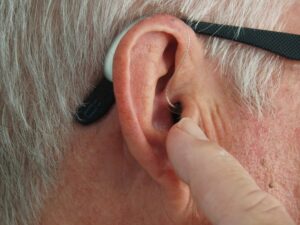
Tag: Noise-induced hearing loss


NOISE EFFECTS

Conceptualizing Noise as a Multidimensional Environmental Stressor In the field of environmental psychology and audiology, noise is fundamentally defined as unwanted or discordant sound that disrupts the equilibrium of an individual’s environment. Unlike pleasant auditory stimuli, noise serves as a pervasive pollutant that can compromise the physical, mental, and emotional health of both human populations […]

Read More

ACOUSTIC TRAUMA

Definition and Etiology of Acoustic Trauma Acoustic trauma is defined as a specific type of physical injury inflicted upon the delicate sensory structures of the inner ear, most notably the cochlea, resulting directly from exposure to excessively high levels of sound pressure. This damage represents one of the leading, preventable causes of both temporary and […]

Read More

EXPOSURE DEAFNESS

Introduction and Definition of Exposure Deafness Exposure deafness, clinically designated as Noise-Induced Hearing Loss (NIHL), represents a common yet often preventable form of acquired sensorineural hearing impairment resulting from excessive acoustic stimulation. This condition is defined by the gradual or sudden deterioration of auditory thresholds directly attributable to sound pressure levels that exceed the biological […]

Read More

AUDITORY FATIGUE

Introduction and Definition of Auditory Fatigue Auditory fatigue is formally defined as a relatively transient and reversible form of hearing impairment characterized by a reduction in auditory-threshold sensitivity following exposure to intense acoustic stimulation. This phenomenon is distinct from permanent hearing loss because the underlying physiological and metabolic changes are temporary, allowing the auditory system, […]

Read More

SOCIOCUSIS

Introduction and Definition of Sociocusis Sociocusis is defined as the gradual, cumulative loss of hearing acuity resulting from prolonged exposure to the routine, non-occupational noise environments characteristic of modern industrialized society. Unlike classical noise-induced hearing loss (NIHL), which often relates to acute, high-intensity sound events or specific industrial settings, sociocusis specifically addresses the insidious damage […]

Read More

TEMPORARY THRESHOLD SHIFT (TTS)

Definition and Core Characteristics A temporary threshold shift (TTS) is defined within audiology and psychophysics as a transient functional modification or interruption of the typical degree of hearing sensitivity, usually occurring immediately following exposure to intense acoustic stimuli. This condition is characterized by a temporary reduction in the efficiency of the auditory system, requiring louder […]

Read More

SENSORINEURAL HEARING LOSS

Sensorineural Hearing Loss: Causes, Symptoms, and Management The Core Definition of Sensorineural Hearing Loss Sensorineural Hearing Loss (SNHL) represents a highly prevalent form of permanent hearing impairment characterized by damage to the delicate structures of the inner ear, specifically the cochlea, or damage to the neural pathways leading from the inner ear to the brain, […]

Read More

BOILERMAKER’S DEAFNESS

Boilermaker’s Deafness: Noise-Induced Hearing Loss in Occupational Settings The Core Definition of Boilermaker’s Deafness Boilermaker’s deafness is the common, historical term used to describe Occupational Noise-Induced Hearing Loss (ONIHL), a specific form of Noise-Induced Hearing Loss (NIHL) resulting from prolonged or intense exposure to loud noise within the workplace. The term originated because workers responsible […]

Read More

NOISE-INDUCED HEARING LOSS

Noise-Induced Hearing Loss The Core Definition of Noise-Induced Hearing Loss (NIHL) Noise-induced hearing loss (NIHL) is fundamentally a type of permanent hearing impairment that results from exposure to excessively loud sounds. It is a progressive condition, often developing gradually over time with repeated or prolonged exposure, but it can also manifest acutely after a single, […]

Read More