Auditory Psychology: The Hidden Cost of Hearing Loss
Scientifically Reviewed · Dr. Marwa Abd-Alazim · October 18, 2026
Review Criteria & Clinical Standards
This content undergoes rigorous scientific peer-review and medical editorial standards at Arab Psychology Network to ensure clinical accuracy, validity, and compliance with evidence-based guidelines from leading psychological and healthcare authorities (APA / WHO).
The Core Definition of Sensorineural Hearing Loss
Sensorineural Hearing Loss (SNHL) represents a highly prevalent form of permanent hearing impairment characterized by damage to the delicate structures of the inner ear, specifically the cochlea, or damage to the neural pathways leading from the inner ear to the brain, collectively known as the auditory nerve. Unlike conductive hearing loss, which involves issues blocking sound transmission in the outer or middle ear, SNHL involves a failure in the conversion of sound waves into electrical signals or the transmission of those signals to the central nervous system. This condition affects millions globally and can range in severity from mild difficulties to profound deafness, profoundly impacting communication and quality of life.
The fundamental mechanism underlying SNHL centers on the cochlea, a spiral-shaped, fluid-filled cavity within the temporal bone. Inside the cochlea resides the Organ of Corti, which houses thousands of tiny hair cells—the crucial sensory receptors responsible for detecting sound vibrations. When sound enters the ear, these hair cells bend, triggering electrochemical signals that are then relayed via the auditory nerve. In SNHL, these hair cells are typically destroyed or severely damaged, often due to chronic noise exposure or natural aging processes, preventing the accurate encoding of sound frequency and intensity. This irreversible structural damage is why SNHL is classified as a permanent condition, distinguishing it sharply from temporary hearing losses.
A key principle of SNHL is that the sound signal is effectively received by the outer and middle ear components but fails to be correctly processed by the sensory organ itself. This means that while a sound may reach the inner ear, the fidelity and clarity of the signal are compromised before it reaches the brain. Patients often report difficulty in understanding speech, particularly in environments with background noise, rather than simply experiencing reduced volume. This distortion is a hallmark symptom, stemming directly from the loss of specific frequencies processed by the damaged regions of the cochlea, leading to muffled or distorted speech perception.
Historical Understanding and Early Research
The history of recognizing hearing loss as distinct from external blockage dates back centuries, but the specific understanding of Sensorineural Hearing Loss as a pathology of the auditory nerve or internal sensory organ solidified in the late 19th and early 20th centuries. Key advancements in otology during this period allowed researchers to differentiate between conductive problems (which could sometimes be treated surgically) and nerve or inner ear problems (which were deemed permanent). Researchers began focusing on the histopathology of the temporal bone, using post-mortem analysis to correlate specific sensory cell damage with clinically observed hearing deficits.
A pivotal period in modern audiology and the categorization of hearing disorders occurred in the mid-20th century, particularly following World War II. The advent of standardized audiometry allowed clinicians to precisely map the frequency-specific nature of hearing loss. These tools helped confirm that SNHL often presented with a characteristic “high-frequency sloping loss,” which correlated with the basal turn of the cochlea—the region most susceptible to damage from noise and aging (presbycusis). This detailed mapping cemented the understanding that SNHL was not a single disorder but a spectrum defined by the location and extent of inner ear destruction.
The origin of our current understanding of noise-induced hearing loss, a major subtype of SNHL, is often traced to increasing industrialization and military experience during the 20th century. Studies conducted on factory workers and military personnel exposed to high decibel levels provided undeniable evidence linking acoustic trauma directly to hair cell death. This research established the dose-response relationship between noise exposure and permanent sensory damage, fundamentally changing occupational safety standards and public health approaches to hearing conservation. This era marked the transition from viewing SNHL as a purely inevitable consequence of aging to recognizing it as a preventable environmental injury.
Manifestation and Practical Scenarios
To illustrate the complexities of Sensorineural Hearing Loss, consider the common real-world scenario of a family dinner in a busy restaurant. An individual experiencing mild to moderate SNHL, such as Jane, may be able to hear that people are talking, but she struggles significantly to process the actual words spoken by the person directly across from her. This difficulty arises because SNHL primarily affects the clarity and discrimination of speech sounds, especially consonants which are typically high-frequency sounds, rather than the overall volume. The background chatter and clinking cutlery—low-frequency noise—easily mask the already distorted high-frequency speech signals that Jane’s damaged inner ear struggles to process, resulting in the common symptom of difficulty understanding speech in noisy environments.
The “how-to” application of this audiological principle demonstrates how the brain attempts to compensate. When Jane’s sensory input is degraded due to SNHL, her brain must expend significantly more cognitive energy trying to fill in the missing phonetic information. This phenomenon, known as listening fatigue, is a crucial consequence of SNHL. For example, when her grandson says, “The cat sat on the mat,” Jane might only register the vowel sounds, hearing “Eh ah ah eh ah.” She then uses context, lip reading, and deduction to infer the full sentence, leading to mental exhaustion after only a short period of intense listening. This cognitive overload is a primary reason why people with SNHL often withdraw from complex social situations.
Furthermore, SNHL frequently presents with concurrent symptoms, notably tinnitus—the perception of ringing, buzzing, or hissing sounds when no external noise is present. In our scenario, Jane might experience this ringing particularly strongly after the noisy dinner. The prevailing theory suggests that tinnitus is often a result of the brain attempting to compensate for the lack of input from the damaged hair cells, essentially generating its own phantom signal. This co-occurrence underscores that SNHL is not merely a quantitative reduction in hearing ability but a fundamental qualitative change in the way the auditory system processes and interprets sound information, leading to cascading cognitive and emotional effects.
Causes and Etiological Factors
The etiology of Sensorineural Hearing Loss is complex and multifactorial, encompassing genetic predispositions, environmental factors, and medical conditions. The three most common causes are aging (presbycusis), chronic exposure to loud noise (NIHL), and congenital factors. Presbycusis is a gradual, bilateral, and symmetrical SNHL resulting from cumulative wear and tear on the cochlea over a lifetime, primarily affecting the high frequencies first. This process involves the progressive degeneration of outer hair cells and supporting structures within the Organ of Corti, leading to the typical difficulty understanding speech in noisy environments observed in the elderly population.
Environmental insults, particularly acoustic trauma, are a major preventable cause. Exposure to sounds exceeding 85 decibels for prolonged periods—such as industrial machinery, loud concerts, or military ordnance—can cause metabolic exhaustion and mechanical damage to the delicate stereocilia of the hair cells. This damage can be acute (from a single explosive event) or chronic (from years of workplace noise), resulting in permanent thresholds shifts. Crucially, the damage caused by noise is often compounded by genetic susceptibility and other factors, suggesting a complex interaction between nature and nurture in the development of SNHL.
Beyond noise and age, numerous medical conditions can precipitate or exacerbate SNHL. These include autoimmune inner ear disease, which involves the body’s immune system attacking the inner ear tissues; infectious diseases like mumps, measles, or meningitis, which can cause profound damage to the auditory nerve; and certain ototoxic medications, such as specific chemotherapy drugs or high-dose aminoglycoside antibiotics. Furthermore, Sudden SNHL (SSNHL) is an urgent medical condition, often unilateral and idiopathic, believed to be linked to viral infections or vascular issues affecting the blood supply to the cochlea, requiring immediate steroid treatment for the best prognosis.
Treatment Modalities and Therapeutic Applications
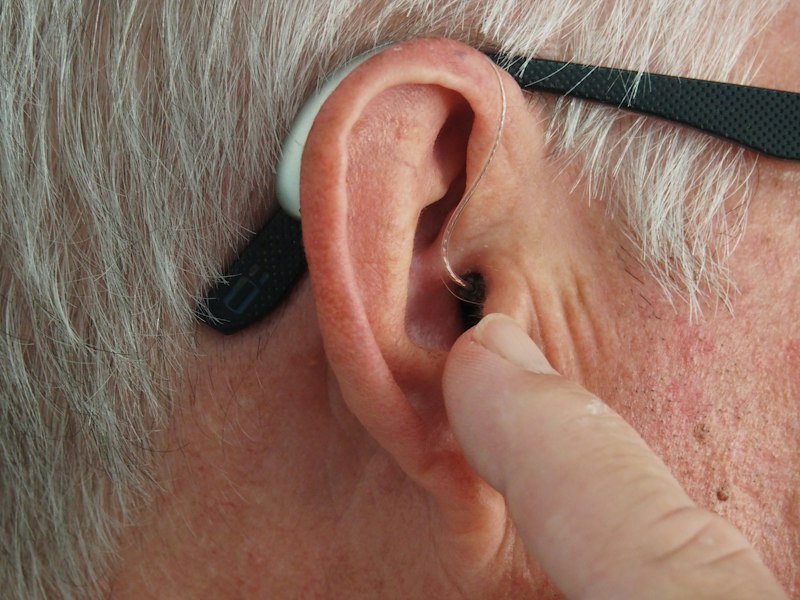
While Sensorineural Hearing Loss is permanent, significant advancements in medical technology and audiological practice have provided robust treatment modalities aimed at maximizing residual hearing and restoring communication ability. The primary intervention for the vast majority of SNHL cases involves the use of hearing aids. These sophisticated digital devices function by selectively amplifying sounds, particularly those high-frequency sounds that the patient struggles with, while also employing noise-reduction algorithms to improve the signal-to-noise ratio in challenging listening environments. Modern hearing aids are highly customizable, programmed precisely to the individual’s unique audiogram, ensuring that amplification is delivered only where the cochlear damage necessitates it.
For individuals suffering from severe to profound SNHL where conventional amplification provides little benefit, the gold standard treatment is the use of cochlear implants. These devices represent a radical solution; they bypass the damaged hair cells entirely. The external component captures sound, processes it, and transmits the signal to an internal surgically implanted electrode array placed directly within the cochlea. This array directly stimulates the surviving fibers of the auditory nerve, allowing the brain to perceive sound information. The success of cochlear implants has transformed the lives of many deaf or severely hard-of-hearing adults and children, emphasizing the profound impact of advanced technology in mitigating this condition.
Beyond technological devices, therapeutic applications also include auditory rehabilitation and counseling. Auditory training programs help the patient’s brain relearn how to interpret the amplified or electrically stimulated sounds, which initially sound unnatural. Furthermore, psychological counseling is often crucial, addressing the frustration, social isolation, and anxiety frequently associated with progressive hearing loss. The comprehensive management of SNHL, therefore, is multidisciplinary, involving otolaryngologists, audiologists, speech-language pathologists, and mental health professionals working together to improve overall communication competence and psychosocial adjustment.
Significance in Audiology and Public Health
The significance of understanding Sensorineural Hearing Loss cannot be overstated, as it is the most common type of permanent hearing disorder and a major public health concern globally. Its prevalence increases dramatically with age—a condition known as presbycusis—making SNHL a critical component of geriatric care and healthy aging initiatives. Recognizing SNHL early allows for prompt intervention, which is crucial because untreated hearing loss has been strongly linked in recent research to accelerated cognitive decline, increased risk of dementia, and higher rates of depression and accidental injury, particularly in older adults. This connection emphasizes the critical link between peripheral sensory health and central cognitive function.
In the field of audiology, SNHL forms the cornerstone of diagnostic and therapeutic practice. The differentiation between SNHL and conductive hearing loss guides almost every major clinical decision, from selecting the appropriate diagnostic tests (like otoacoustic emissions or brainstem auditory evoked response) to determining the suitability for amplification versus surgical intervention. Furthermore, the genetic research into SNHL is rapidly expanding, identifying specific gene mutations responsible for congenital and progressive forms of the disorder, paving the way for potential future gene therapies aimed at hair cell regeneration.
From a public health perspective, the prevention of noise-induced SNHL (NIHL) is a constant priority. Governmental bodies and occupational safety organizations worldwide implement stringent regulations regarding noise exposure in workplaces (OSHA in the US, for instance) and raise awareness about recreational noise hazards (e.g., loud music, firearms). These efforts are based directly on the pathophysiology of SNHL, aiming to protect the non-renewable sensory hair cells before irreversible damage occurs. The substantial economic and social burden caused by unmanaged hearing loss makes the study and prevention of SNHL essential for sustainable health systems.
Connections and Relations to Other Fields
Sensorineural Hearing Loss falls squarely within the subfield of Audiology, which is itself a multidisciplinary science drawing heavily from Otolaryngology (the medical field focused on the ear, nose, and throat), Neuroscience, and Cognitive Psychology. Specifically, SNHL relates closely to Neuroscience through its implications for central auditory processing disorder (CAPD). While SNHL is an issue of peripheral sensory input (the ear), prolonged loss of input can lead to changes in how the brain processes sound, affecting abilities like sound localization and auditory memory, even after amplification.
The concept of SNHL is fundamentally contrasted with Conductive Hearing Loss (CHL). CHL occurs when sound transmission is blocked in the outer or middle ear—for example, due to earwax buildup, fluid behind the eardrum (otitis media), or ossicular chain discontinuity. A crucial diagnostic relationship exists in Mixed Hearing Loss, where both conductive and sensorineural components are present simultaneously. An audiologist uses specialized testing, comparing air conduction thresholds (sound traveling through the entire ear) versus bone conduction thresholds (sound bypassing the outer and middle ear and directly stimulating the inner ear) to precisely separate these two components, which is vital for effective treatment planning.
Finally, SNHL is closely linked to concepts studied in Cognitive Psychology, particularly regarding attention and memory. The increased listening effort required by individuals with SNHL consumes cognitive resources that would otherwise be dedicated to memory encoding and processing, explaining the observed link between hearing loss and cognitive decline. Related concepts include auditory deprivation, where the lack of stimulation leads to detrimental reorganization of the auditory cortex, and acoustic trauma, which emphasizes the physical mechanism of cell death. Understanding SNHL requires integrating knowledge of physics (acoustics), biology (cochlear mechanics), and psychology (perception and cognition).