Open-Field Testing: Mapping the Anxious Rodent Mind
Scientifically Reviewed · Dr. Marwa Abd-Alazim · September 24, 2026
Review Criteria & Clinical Standards
This content undergoes rigorous scientific peer-review and medical editorial standards at Arab Psychology Network to ensure clinical accuracy, validity, and compliance with evidence-based guidelines from leading psychological and healthcare authorities (APA / WHO).
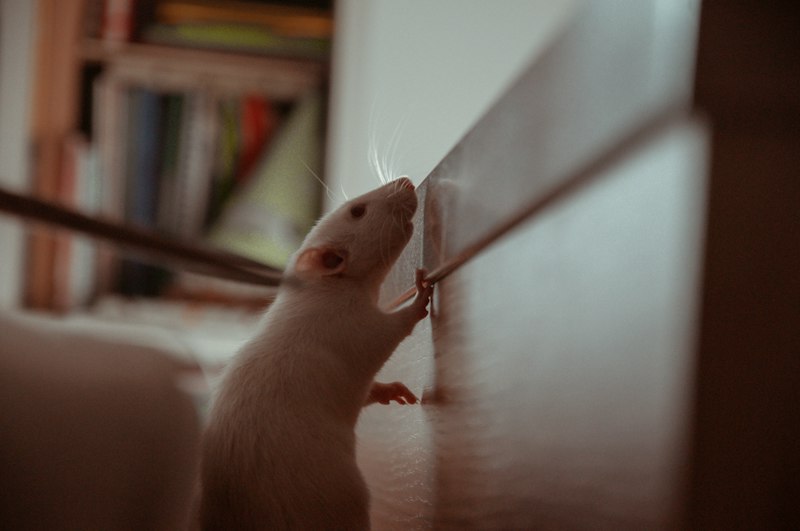
The Fundamental Role of the Open-Field Chamber in Behavioral Neuroscience
The Open-Field Chamber stands as a foundational apparatus within the domain of behavioral neuroscience, specifically engineered to evaluate the spontaneous activity and psychological profile of rodent subjects. Since its inception, this tool has become a standard requirement in laboratory settings for researchers seeking to understand the intricate nuances of animal behavior under controlled conditions. By placing a rodent, such as a rat or mouse, into a novel and unobstructed environment, scientists can observe a wide range of behavioral phenotypes that reflect the animal’s internal state. This method is particularly valued for its ability to provide a high-throughput initial screen for behavioral changes resulting from genetic modifications, neurological insults, or pharmacological interventions.
The primary utility of the Open-Field Chamber lies in its capacity to measure the conflict between the innate drive of a rodent to explore a new environment and its natural aversion to open, brightly lit spaces. This psychological tension provides a window into the animal’s anxiety levels and exploratory motivation. Unlike more complex behavioral assays that require extensive training or conditioning, the open-field test relies on the animal’s natural response to novelty, making it an efficient and highly reproducible method. Furthermore, the simplicity of the test allows for a high degree of standardization across different research facilities, ensuring that data can be compared and validated on a global scale.
In contemporary research, the Open-Field Chamber has evolved from a simple observation box into a sophisticated data collection system. It serves as a precursor to more specialized tests, such as the elevated plus maze or the Morris water maze, by providing a baseline assessment of the animal’s locomotor capabilities and general health. If a rodent demonstrates significant impairment in the open field, researchers must account for these motor deficits before interpreting results from more complex cognitive tasks. Thus, the open-field test serves as a critical quality control step in the experimental pipeline, ensuring that subsequent findings are not confounded by basic physical limitations or extreme stress responses.
Physical Design and Structural Components of the Apparatus
The structural integrity and physical design of the Open-Field Chamber are paramount to its function as a standardized scientific tool. Typically, the chamber consists of a square or circular enclosure, usually constructed from durable materials such as transparent plastic, high-density polyethylene, or acrylic. The choice of material is deliberate; it must be non-porous to prevent the absorption of odors and easy to sanitize between trials to eliminate olfactory cues from previous subjects. The walls are generally of sufficient height to prevent the animal from escaping, and they are often opaque or painted black to minimize external visual distractions that could influence the subject’s behavior during the testing period.
A critical feature of many Open-Field Chambers is the design of the floor, which may be composed of a wire mesh or a solid surface marked with a specific grid pattern. The mesh floor is particularly useful for observing the animal’s paws and recording precise details of locomotion, while also allowing waste to fall through to a collection tray, thereby maintaining a consistent environment. In many modern versions, the floor is integrated with infrared sensors or pressure-sensitive plates that automatically detect the animal’s position and movement. This structural complexity allows for the collection of high-resolution data regarding the animal’s spatial orientation and the frequency of specific movements, such as rearing or grooming.
Visual cues and environmental markers are often incorporated into the walls of the chamber to provide the animal with a sense of orientation or to test spatial memory. These cues may include stripes, geometric patterns, or varying textures that the rodent can use to navigate the space. The inclusion of these elements allows researchers to investigate how visual stimuli affect exploratory patterns and whether the animal shows a preference for certain areas based on visual feedback. By carefully controlling the structural components of the chamber, scientists can isolate specific variables and ensure that the behaviors observed are a direct result of the experimental conditions rather than artifacts of the testing environment.
Methodological Procedures and Environmental Standardization
To ensure the validity and reliability of the data collected within an Open-Field Chamber, researchers must adhere to strict methodological protocols. The testing environment is typically a sound-attenuated, dark room where external noise and vibrations are kept to an absolute minimum to avoid startling the rodent. The chamber itself is illuminated from above using a low-level light source, which is carefully calibrated to be bright enough for observation but not so intense that it causes excessive stress to the nocturnal subject. This balance is crucial, as the intensity of the light can directly influence the animal’s anxiety-like behavior and its willingness to venture into the center of the arena.
The process of introducing the animal to the Open-Field Chamber is also standardized to minimize handling stress, which could otherwise skew the results. Researchers typically place the rodent in a specific corner or the center of the arena and then immediately retreat to an observation area. The behavior is then monitored for a predetermined duration, usually ranging from five to twenty minutes, through an observation window or, more commonly, via a high-definition video camera mounted directly above the chamber. The use of video recording is essential for post-trial analysis, allowing for the review of subtle behaviors that may be missed during real-time observation, such as fine motor tremors or brief instances of freezing behavior.
Furthermore, the environmental conditions within the chamber, such as temperature and humidity, are strictly regulated to match the animal’s home cage environment. This consistency helps to ensure that the behaviors observed are a response to the novelty of the open-field arena rather than a reaction to physical discomfort. Between each trial, the chamber is thoroughly cleaned with a mild ethanol solution or a specialized disinfectant to remove any pheromones or excrement left by the previous animal. This step is vital for maintaining experimental integrity, as rodents are highly sensitive to the scents of their conspecifics, which can significantly alter their exploratory drive and anxiety levels during the test.
Quantifying Exploratory Drive and Spontaneous Activity
The Open-Field Chamber is primarily utilized to quantify the exploratory drive of a rodent, which is a key indicator of its psychological well-being and cognitive function. Exploration is typically measured by tracking the animal’s movement within the arena, with a specific focus on the central area versus the peripheral zones. A rodent that is motivated to explore will spend a significant amount of time in the center of the chamber, showing a high frequency of entries into the center and a greater overall distance traveled. These metrics provide a numerical value for the animal’s curiosity and its ability to adapt to a novel environment without being overcome by fear.
In addition to spatial movement, researchers also record specific exploratory behaviors such as rearing, where the animal stands on its hind legs to survey the surroundings. Rearing is considered a measure of vertical exploration and provides insight into the animal’s level of engagement with the environment. A high frequency of rearing typically correlates with a high exploratory drive, whereas a decrease in this behavior may indicate a state of depression or physical lethargy. By categorizing these movements, scientists can build a comprehensive profile of the subject’s spontaneous activity, allowing for the detection of subtle behavioral shifts that might be caused by genetic or environmental factors.
The data collected on exploration is often analyzed in blocks of time to observe how the animal’s behavior changes as it becomes more familiar with the Open-Field Chamber. Typically, a rodent will show a high level of activity in the first few minutes, followed by a gradual decline as the novelty of the environment wears off—a process known as habituation. The rate of habituation is itself a valuable metric, as it reflects the animal’s learning and memory processes. Animals that fail to habituate or those that show delayed habituation may have underlying neurological issues, making the open-field test a sensitive tool for detecting cognitive impairments in various rodent models.
Assessing Anxiety-Like Behavior through Thigmotaxis
One of the most significant psychological indicators measured in the Open-Field Chamber is anxiety-like behavior, which is primarily assessed through the phenomenon of thigmotaxis. Thigmotaxis refers to the tendency of an animal to remain in close proximity to the walls of the enclosure, avoiding the exposed central area. In rodents, this “wall-hugging” behavior is an innate survival mechanism intended to protect them from potential predators in open spaces. Therefore, the amount of time an animal spends in the perimeter zones of the chamber is directly proportional to its level of anxiety; the more anxious the animal, the more it will cling to the safety of the walls.
Researchers utilize the Open-Field Chamber to evaluate the efficacy of anxiolytic (anxiety-reducing) or anxiogenic (anxiety-inducing) substances. For instance, an animal treated with a sedative or an anti-anxiety medication will typically display a marked increase in the time spent in the center of the arena and a higher number of center entries. Conversely, a subject experiencing high levels of stress will exhibit increased thigmotaxis, often huddling in the corners and showing very little movement into the open areas. This clear behavioral dichotomy makes the open-field test an essential tool for psychiatric research and the development of new treatments for human anxiety disorders.
In addition to spatial positioning, other indicators of anxiety recorded in the Open-Field Chamber include grooming behavior and defecation. While grooming is a natural behavior, excessive or displaced grooming in a novel environment can be a sign of stress. Similarly, the number of fecal boluses produced during the test period is often used as a physiological measure of emotionality. By combining these different data points—thigmotaxis, grooming, and physiological markers—researchers can gain a multidimensional understanding of the animal’s emotional state, providing a robust baseline for studying the biological pathways involved in stress and fear responses.
Measuring Locomotion and Motor Function
The Open-Field Chamber serves as a critical instrument for the assessment of locomotion and general motor function. By recording the total distance traveled during the test period, researchers can determine the animal’s baseline level of physical activity. This measurement is essential for distinguishing between behavioral changes caused by emotional states and those caused by physical impairment. For example, if an animal shows reduced exploration but also a significant decrease in total movement velocity, the researcher must consider whether the primary effect is a motor deficit rather than a psychological shift such as increased anxiety or decreased motivation.
Modern tracking technology allows for the precise calculation of locomotor parameters, including mean speed, maximum velocity, and the duration of active versus sedentary periods. These metrics are particularly important in models of neurodegenerative diseases, such as Parkinson’s or Huntington’s disease, where motor coordination and activity levels are progressively compromised. The Open-Field Chamber provides a simple yet effective way to track the progression of these symptoms over time and to evaluate the potential of therapeutic interventions to restore normal motor function. The high level of detail provided by automated tracking systems ensures that even minor changes in gait or movement patterns are captured.
Furthermore, the assessment of locomotion in the open field can reveal information about the animal’s circadian rhythms and energy metabolism. By conducting tests at different times of the day, researchers can observe how the animal’s activity levels fluctuate in accordance with its biological clock. Changes in the pattern of locomotor activity—such as increased nocturnal restlessness or daytime lethargy—can indicate disruptions in metabolic processes or the presence of systemic illness. Consequently, the Open-Field Chamber is not only a tool for psychological assessment but also a vital component of physiological and metabolic research in rodent models.
Pharmacological Applications and Drug Discovery
In the field of pharmacology, the Open-Field Chamber is an indispensable tool for evaluating the behavioral effects of various chemical compounds. Research conducted by Kumar and Eapen (2020) highlights the utility of the chamber in studying the effects of ethanol on exploratory and anxiety behaviors in albino rats. Their study demonstrated that ethanol administration significantly altered the rats’ behavior in the open field, providing a clear example of how the apparatus can be used to quantify the neurobehavioral impact of substances. Such studies are critical for understanding how different drugs interact with the central nervous system to modify complex behaviors.
The Open-Field Chamber is frequently used in the early stages of drug discovery to screen for potential side effects or therapeutic benefits of new medications. For instance, if a new antidepressant is being developed, researchers will use the open-field test to ensure that the drug does not cause significant sedation or motor impairment while simultaneously checking for signs of reduced anxiety. The ability to monitor multiple behavioral variables in a single test makes the open-field assay a cost-effective and efficient method for pharmaceutical screening. It allows for the rapid identification of compounds that warrant further investigation in more specialized behavioral models.
Moreover, the Open-Field Chamber is used to study the long-term effects of chronic drug exposure or withdrawal. By repeatedly testing animals in the open field following a period of drug administration, researchers can observe the development of tolerance, sensitization, or withdrawal-induced anxiety. This longitudinal data is essential for understanding the addictive potential of substances and the underlying neural adaptations that occur during prolonged drug use. The standardized nature of the open-field test ensures that these behavioral shifts can be reliably attributed to the pharmacological treatment, providing a solid foundation for further mechanistic studies in neurobiology.
Environmental Enrichment and Behavioral Plasticity
The impact of living conditions on rodent behavior is a significant area of research that frequently utilizes the Open-Field Chamber as a diagnostic tool. A study by Lima et al. (2020) investigated the effects of environmental enrichment on the anxiety-like behavior of rats using the open-field test. Their research found that rats housed in enriched environments—which include social interaction, complex physical structures, and novel objects—exhibited significantly lower levels of thigmotaxis and increased exploratory activity compared to those in standard housing. This demonstrates that the Open-Field Chamber is sensitive enough to detect changes in behavioral plasticity resulting from the animal’s environment.
Environmental enrichment is known to promote neurogenesis and enhance synaptic plasticity, and the open-field test provides a behavioral readout of these biological changes. Animals from enriched backgrounds often show a more resilient behavioral phenotype, characterized by a faster habituation to the novel open-field arena and a greater willingness to engage with the central zone. These findings have profound implications for animal welfare and the design of laboratory housing, suggesting that providing a stimulating environment can mitigate the negative effects of stress and improve the overall psychological health of research animals.
Furthermore, the Open-Field Chamber can be used to study the “reversal” of behavioral deficits caused by early-life stress or social isolation through subsequent enrichment. By placing previously stressed animals into enriched conditions and then testing them in the open field, researchers can evaluate the extent to which environmental interventions can “rescue” normal behavioral patterns. This line of research is critical for understanding the plasticity of the brain and the potential for environmental factors to compensate for genetic or early-developmental disadvantages, with the open-field test serving as a primary metric for success.
Data Interpretation and Advanced Video Tracking Systems
The interpretation of data from the Open-Field Chamber has been revolutionized by the advent of automated video tracking systems. In the past, researchers had to manually record behaviors using stopwatches and tally counters, a process that was not only labor-intensive but also prone to observer bias. Modern software now allows for the automated extraction of a vast array of parameters, including the animal’s exact coordinates, the time spent in user-defined zones of interest, and the number of specific behavioral events such as grooming or rearing. This technological advancement has greatly increased the precision and objectivity of open-field data.
Advanced tracking systems can also generate heat maps that provide a visual representation of the animal’s activity throughout the trial. These maps allow researchers to quickly identify patterns of behavior, such as a strong preference for a particular corner or a consistent avoidance of the center. Additionally, the software can calculate complex variables like path linearity and turning frequency, which offer deeper insights into the animal’s navigation strategies and motor coordination. The ability to record and store raw video data also means that experiments can be re-analyzed using different parameters, enhancing the reproducibility and robustness of the scientific findings.
Despite the advantages of automation, the interpretation of open-field data still requires careful consideration of the context. Researchers must be wary of “floor effects” or “ceiling effects,” where the animal’s behavior is so extreme that it masks the impact of the experimental variable. For instance, if a control group already spends almost no time in the center, it may be impossible to detect the anxiogenic effect of a drug. Therefore, the design of the Open-Field Chamber experiment—including the arena size, lighting intensity, and trial duration—must be optimized for the specific rodent strain and the research question at hand to ensure meaningful results.
Conclusion and Future Directions in Open-Field Methodology
In conclusion, the Open-Field Chamber remains a cornerstone of behavioral research, providing a versatile and reliable platform for assessing rodent behavior. Its ability to quantify exploration, anxiety, and locomotion in a single, standardized test makes it an invaluable tool for a wide range of scientific disciplines, from neuroscience and pharmacology to psychology and genetics. The chamber’s simple design belies the complexity of the data it can generate, offering a unique window into the animal’s internal psychological state and its physical capabilities. As demonstrated by the work of Kumar and Eapen (2020) and Lima et al. (2020), the open-field test continues to yield significant insights into the effects of drugs and the environment on brain function.
Looking forward, the integration of the Open-Field Chamber with other cutting-edge technologies, such as optogenetics and in-vivo calcium imaging, promises to further enhance our understanding of the neural circuits that drive behavior. Researchers can now manipulate specific neurons in real-time while the animal is exploring the open field, allowing for a direct link between brain activity and behavioral output. This combination of classical behavioral testing with modern neurotechnology will likely lead to major breakthroughs in our understanding of how the brain processes novelty, fear, and movement, ensuring the continued relevance of the open-field test for decades to come.
Ultimately, the enduring success of the Open-Field Chamber lies in its fundamental simplicity and its alignment with the natural behaviors of rodents. By providing a controlled environment that respects the biological tendencies of the subject, researchers can obtain data that is both scientifically rigorous and ethologically relevant. As methodologies continue to be refined and technology continues to advance, the Open-Field Chamber will undoubtedly remain a primary instrument in the quest to unravel the complexities of the mammalian mind and the biological basis of behavior.
References
- Kumar, R. S., & Eapen, K. (2020). Effects of ethanol on exploratory and anxiety behaviors in open field chamber in albino rats. European Journal of Pharmacology, 876, 173300.
- Lima, F. S., Cunha, L. S., de Oliveira, F. M., de Sousa, F. C., de Souza, D. S., & de Souza, M. L. (2020). Enrichment in open-field chamber: Effects on anxiety-like behavior of rats. Neuroscience Letters, 721, 135454.