Hormonal Contraception: How The Pill Shapes Your Mind
Scientifically Reviewed · Dr. Marwa Abd-Alazim · October 21, 2026
Review Criteria & Clinical Standards
This content undergoes rigorous scientific peer-review and medical editorial standards at Arab Psychology Network to ensure clinical accuracy, validity, and compliance with evidence-based guidelines from leading psychological and healthcare authorities (APA / WHO).
The Core Definition and Mechanism of Action
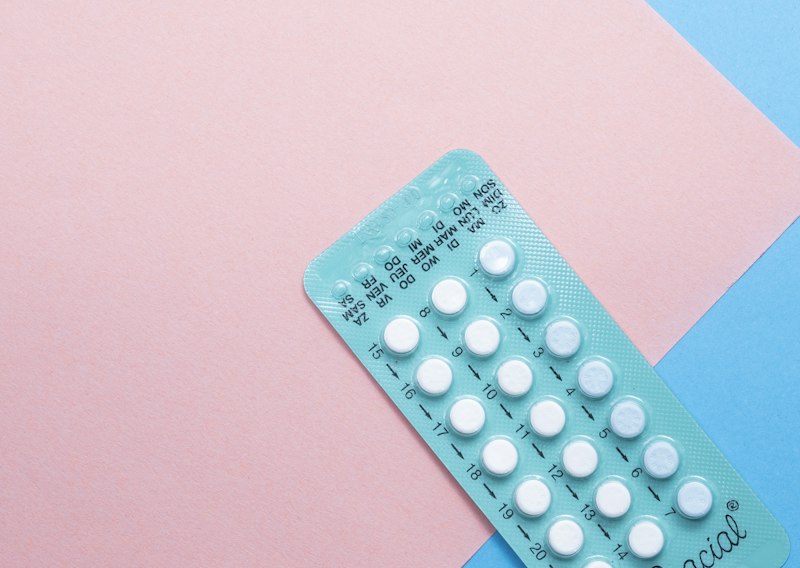
Oral Contraceptives (OCs), often simply referred to as “the Pill,” represent a highly effective pharmaceutical intervention primarily used by females to inhibit pregnancy. At the most fundamental level, OCs are medications taken on a regular, often daily basis, that utilize synthetic versions of naturally occurring sex hormones to prevent conception. The majority of OCs are combined hormonal contraceptives, meaning they contain both a synthetic estrogen (typically ethinyl estradiol) and a progestin (a synthetic progesterone). However, specialized formulations, known as progestin-only pills (sometimes called the “mini-pill”), are also available for individuals who cannot tolerate estrogen or are breastfeeding.
The core mechanism through which these pills achieve their primary function involves the careful manipulation of the hypothalamic-pituitary-ovarian (HPO) axis, the body’s central control system for reproduction. By maintaining steady, elevated levels of synthetic estrogen and progestin, the body is tricked into believing it is already pregnant. This hormonal feedback loop suppresses the release of gonadotropins—specifically Luteinizing Hormone (LH) and Follicle-Stimulating Hormone (FSH)—which are essential for ovarian follicle maturation and the crucial event of ovulation. Consequently, the primary action of combined OCs is the strong inhibition of ovulation, preventing the release of an egg.
Furthermore, OCs exert secondary contraceptive effects which bolster their reliability. These include thickening the cervical mucus, thereby creating a hostile barrier that impedes sperm transport into the upper reproductive tract, and altering the endometrial lining, making it less receptive to the potential implantation of a fertilized egg. Understanding this dual biological and pharmacological mechanism is essential, as the constant introduction of exogenous hormones inevitably extends beyond reproductive function, impacting neurological structures and, consequently, psychological states and behaviors.
Historical Context and Development
The development of modern Oral Contraceptives is one of the most significant medical and social breakthroughs of the 20th century, emerging primarily in the 1950s. The key figures instrumental in this historical trajectory include reproductive biologist Gregory Pincus, gynecologist John Rock, and pioneering scientist Min Chueh Chang. Their combined research efforts, often driven by the fervent advocacy of figures like Margaret Sanger and funded by philanthropists like Katharine McCormick, culminated in the creation of the first FDA-approved birth control pill, Enovid, in 1960.
The origins of the Pill were rooted in laboratory research focused on understanding the mechanisms of reproduction, particularly how progesterone naturally suppresses ovulation during pregnancy. Pincus and Chang conducted critical animal studies demonstrating that synthetic progestins could effectively inhibit fertility. John Rock was crucial in transitioning these findings into human clinical trials. These initial trials, sometimes ethically controversial by modern standards, demonstrated the profound efficacy of hormonal suppression. The rapid adoption of the Pill marked a significant turning point, providing women with unprecedented control over their reproductive timelines.
From a psychological and sociological perspective, the introduction of the Pill ushered in a period known as the “sexual revolution.” It decoupled sexual activity from inevitable reproduction, profoundly affecting dating patterns, marriage ages, educational attainment for women, and overall social roles. While the initial focus was purely on efficacy and safety regarding physical health, subsequent decades of research began to explore the more subtle, yet powerful, psychological and behavioral shifts associated with long-term hormonal regulation, leading to the creation of the field of behavioral endocrinology.
Psychological and Mood Effects
One of the most intensely studied areas concerning Oral Contraceptives within psychology involves their impact on mood regulation and emotional stability. The introduction of synthetic hormones alters the natural fluctuation of endogenous steroids like estradiol and progesterone, which act as neurosteroids, interacting with neurotransmitter systems such as serotonin, dopamine, and GABA in the brain. For many users, OCs lead to a stabilization of mood, particularly by mitigating the severe symptoms associated with the late luteal phase of the natural menstrual cycle.
However, the response is highly individualized. A significant minority of users report negative affective side effects, most commonly characterized by increased symptoms of depression, anxiety, or irritability. Research suggests that certain progestins may interact differentially with GABA receptors, leading to inhibitory or excitatory effects that can influence anxiety levels. The psychological impact depends heavily on the specific formulation of the pill—the type and dosage of both synthetic estrogen and progestin—and the individual’s unique genetic sensitivity to these hormonal changes. Clinicians in health psychology must often work closely with patients to find a formulation that optimizes both reproductive health and psychological well-being.
Detailed longitudinal studies are crucial for distinguishing correlation from causation when assessing mood disturbances. Factors such as pre-existing mental health conditions, social stress, and lifestyle choices all play a role in a user’s emotional experience while on OCs. It is generally accepted that the stabilization of the hormonal environment can eliminate the dramatic emotional peaks and troughs seen in the natural cycle, which is beneficial for those suffering from mood lability. Nevertheless, healthcare providers must diligently screen for potential adverse psychological reactions during the initial months of use.
Oral Contraceptives and Premenstrual Dysphoric Disorder
The relationship between Oral Contraceptives and premenstrual syndromes, particularly the severe affective disorder known as PMDD, provides a clear example of how these medications are utilized therapeutically in psychology. PMDD is characterized by debilitating mood symptoms—including severe depression, anxiety, lability, and irritability—that occur predictably in the luteal phase of the menstrual cycle and resolve shortly after the onset of menstruation. The condition is believed to result from an abnormal sensitivity to normal cyclical fluctuations of progesterone and its metabolite, allopregnanolone.
The use of OCs to manage PMDD is complex, as the original content suggested: “Certain oral contraceptives may help treat PMDD, while others can make symptoms worse.” This distinction is crucial for treatment planning. OCs formulated with specific progestins, particularly those with anti-androgenic or anti-mineralocorticoid properties (such as drospirenone combined with ethinyl estradiol), have demonstrated efficacy in clinical trials for alleviating PMDD symptoms. These specific formulations work by suppressing ovulation completely and leveling the hormonal profile throughout the month, thereby eliminating the sharp progesterone withdrawal that triggers symptoms in sensitive individuals.
Conversely, some standard OCs, particularly those with older progestin types or those designed with a short hormone-free interval (which mimics a pseudo-menstruation), may not provide sufficient stabilization and can, in fact, exacerbate mood symptoms in vulnerable patients. Therefore, the therapeutic application of OCs for affective disorders like PMDD requires specialized knowledge of hormonal pharmacology and behavioral health integration. The goal is to maximize the mood-stabilizing effects while minimizing potential adverse psychological reactions.
Impact on Mate Selection and Attraction
A fascinating and highly debated area within evolutionary psychology and behavioral endocrinology concerns the effect of OCs on female mate choice. Traditional theory suggests that women’s preferences for certain male traits (e.g., facial masculinity, scent, and behavioral dominance) fluctuate naturally across the menstrual cycle, peaking during the ovulatory phase when fertility is highest. These cyclical shifts are thought to promote seeking partners who possess indicators of high genetic quality.
When a woman uses OCs, ovulation is suppressed, and the natural cyclical surge in estradiol, which drives these fertility-linked preferences, is eliminated. Research suggests that women on OCs tend to exhibit altered preferences, often favoring partners who display traits associated with stability and good parenting rather than hyper-masculinity or indicators of genetic fitness signaled through body odor (related to the Major Histocompatibility Complex, or MHC). The hypothesis is that, because the Pill mimics the hormonal state of pregnancy, the body subconsciously prioritizes resources and stability over genetic variability.
The psychological implication of this shift is profound. Studies have indicated that women who meet their partners while using OCs and subsequently discontinue their use may experience a subtle, yet significant, shift in attraction or satisfaction with their partner, although this area remains highly controversial and requires further robust replication. This research highlights the deep, often unconscious, connection between endocrine status and fundamental human behaviors, placing OCs as a unique tool for studying the neural mechanisms underlying attraction and mate choice.
Real-World Application: Counseling and Patient Education
To illustrate the practical application of this knowledge, consider a scenario involving a young woman initiating the use of combined Oral Contraceptives. Her primary care physician should integrate psychological assessment and patient education into the counseling process, recognizing that systemic hormonal changes often precede psychological adaptation.
The “How-To” for managing the psychological transition involves a few systematic steps:
-
Baseline Assessment: Before starting the medication, the patient should be screened for any history of major depressive disorder, anxiety, or premenstrual mood disturbances. This establishes a baseline for future comparison.
-
Psychoeducation: The patient must be explicitly informed that while mood stabilization is common, a small risk of increased depressive or anxious symptoms exists. This demystifies the experience and validates potential future feelings.
-
Symptom Monitoring and Tracking: The patient is advised to keep a detailed mood journal for the first three months. They should track specific affective symptoms (e.g., sadness, irritability, loss of interest) daily, noting their severity. This provides objective data for the clinician.
-
Pharmacological Adjustment: If significant negative mood symptoms emerge after the initial adaptation period (typically 4-8 weeks), the clinician, working with a mental health specialist if necessary, must evaluate whether the specific progestin or estrogen dose is contributing to the adverse reaction. The practical application then involves switching to an alternative OC formulation known to have different psychological profiles, rather than immediately discontinuing hormonal contraception entirely.
This systematic approach ensures that the patient’s psychological health is treated with the same importance as their physical health, providing a framework for successful long-term adherence and minimizing adverse mental health outcomes.
Significance and Impact in Behavioral Endocrinology
The significance of Oral Contraceptives to the field of behavioral endocrinology cannot be overstated. OCs offer researchers a unique, albeit non-natural, model to study the direct impact of stable, controlled hormone levels on the human brain and behavior. By suppressing the natural, highly variable hormonal environment of the menstrual cycle, OCs allow scientists to isolate and examine behaviors that are either independent of or critically reliant upon cyclical hormonal fluctuations.
This conceptual tool has been vital for understanding areas such as stress response, risk-taking behavior, and pain perception. For instance, studies comparing women on OCs to naturally cycling women have shown differences in cortisol response to acute psychological stress, suggesting that OCs may dampen the physiological stress axis (HPG axis). This ability to experimentally manipulate the endocrine system in a long-term, reversible manner provides robust data crucial for mapping the interface between steroids, neurotransmitters, and complex human cognition.
The ongoing impact of OCs is also felt in clinical psychology and public health. They force a recognition that hormonal status is not merely a biological variable but a potent moderator of psychological well-being. This understanding has led to better integrated healthcare models where gynecologists, psychiatrists, and psychologists collaborate to optimize treatment, ensuring that the pharmacological intervention used for reproductive health does not compromise mental health stability.
Related Concepts and Subfields
Oral Contraceptives fall squarely within the multidisciplinary fields of Behavioral Endocrinology and Health Psychology. Behavioral Endocrinology specifically studies how hormones influence behavior, mood, and cognition, making the OC user population a central focus for understanding hormone-behavior feedback loops. Health Psychology, meanwhile, focuses on the psychological processes related to health and illness, including adherence to medication, patient experience of side effects, and the psychological impact of using preventative medicines.
Several key psychological concepts are closely related to the study of OCs:
-
HPA Axis Regulation: The Hypothalamic-Pituitary-Adrenal axis, which controls the body’s reaction to stress, is closely linked to the HPO axis. Research explores how OCs influence cortisol output and psychological resilience.
-
Affective Disorders: OCs are frequently studied in relation to the onset or exacerbation of affective disorders (e.g., major depression), highlighting the biological underpinnings of mental illness and the role of steroid hormones as neuromodulators.
-
Chemosensory Perception: Studies on mate choice often involve the concept of chemosensory perception, where OCs are shown to interfere with the natural human ability to detect and prefer genetically diverse partners through scent cues.
-
Cognitive Function: Some research suggests OCs may subtly alter cognitive domains, particularly spatial ability and verbal fluency, illustrating the pervasive influence of sex steroids on higher-order brain functions.
The comprehensive analysis of OCs therefore requires drawing upon biological psychology, cognitive neuroscience, and applied clinical psychology, making it a truly integrative topic within the broader encyclopedia of psychology.