Organic Brain Syndromes: Understanding Biological Roots
Scientifically Reviewed · Dr. Marwa Abd-Alazim · September 16, 2026
Review Criteria & Clinical Standards
This content undergoes rigorous scientific peer-review and medical editorial standards at Arab Psychology Network to ensure clinical accuracy, validity, and compliance with evidence-based guidelines from leading psychological and healthcare authorities (APA / WHO).
Definition and Conceptual Framework
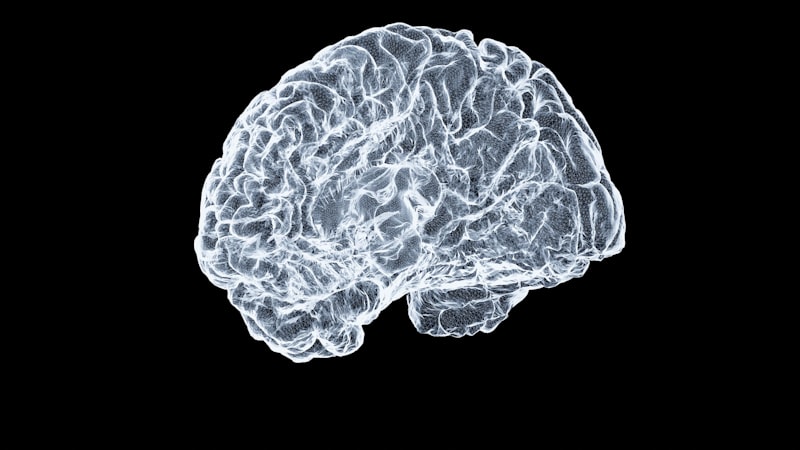
The concept of Organic Brain Syndromes (OBS) historically served as a critical classification framework within psychiatry, designating a collection of psychological or behavioral symptoms that are directly caused by temporary or permanent dysfunction of brain tissue. This category was fundamentally defined by the presence of a demonstrable, non-psychogenic etiology—that is, a known physical disease, injury, or chemical exposure affecting the central nervous system. Unlike functional mental disorders, where no clear physical pathology was initially identifiable, OBS mandated a traceable physiological or structural cause for the observed cognitive, emotional, and behavioral disturbances. Although the term OBS has largely been superseded by more nuanced and precise categories, such as Neurocognitive Disorders in the current Diagnostic and Statistical Manual of Mental Disorders (DSM-5), understanding the original framework remains essential for appreciating the evolution of neuropsychiatric diagnosis and the fundamental mind-body connection in pathology.
Central to the OBS definition is the idea that psychological functioning is inextricably linked to the integrity of brain structure and chemistry. When the brain is compromised—whether through trauma, infection, metabolic imbalance, or degenerative disease—the resulting symptoms manifest across several critical domains, including memory, orientation, attention, judgment, and emotional regulation. Historically, the clinical utility of the OBS designation was primarily its ability to direct clinicians toward immediate medical investigation, ensuring that potentially treatable physical conditions were not mistakenly managed as purely psychological issues. The underlying pathology dictates the clinical presentation; for instance, a diffuse insult to the brain, such as severe hypoxia, often results in global cognitive impairment (like delirium), whereas a localized lesion, such as a focal stroke, might produce more specific deficits (like aphasia or amnesia).
The modern DSM-5 classification system, while abandoning the potentially stigmatizing and dualistic term “organic,” preserved the core principle by introducing the classification of Neurocognitive Disorders (NCDs). This shift reflects a more sophisticated understanding of brain-behavior relationships, focusing on specific cognitive domains (e.g., complex attention, executive function, learning and memory) and specifying the underlying etiology (e.g., NCD due to Alzheimer’s disease, Vascular NCD). However, the classic OBS categories—Delirium, Dementia, and Amnestic Syndrome—remain the foundational components of the NCD framework, highlighting acute, chronic, and specific memory-related brain dysfunction, respectively. Therefore, while terminology has evolved, the clinical imperative to identify and treat the underlying biological cause remains the enduring legacy of the Organic Brain Syndromes concept.
Historical Context and Evolution of Terminology
The conceptualization of mental disorders having a physical basis dates back centuries, but the formal distinction between “organic” and “functional” syndromes gained significant momentum in the late 19th and early 20th centuries. Pioneering figures like Emil Kraepelin recognized that certain psychotic and cognitive decline states—such as general paresis caused by syphilis—were traceable to known neuropathology, setting them apart from conditions like schizophrenia, for which the etiology remained unknown at the time. This dualistic approach, though criticized later for simplifying complex interactions, was instrumental in driving psychiatric research toward biological mechanisms and away from purely psychological explanations for severe mental illness. The initial partitioning established a clear pathway for differentiating cases requiring immediate medical intervention from those primarily managed through psychotherapeutic means.
The term Organic Brain Syndrome was formally standardized in the DSM-II (1968) and further refined in the landmark DSM-III (1980), which emphasized descriptive phenomenology and operational definitions. The DSM-III established “Organic Mental Syndromes” as a distinct section, characterized by psychological or behavioral changes linked directly to transient or permanent cerebral dysfunction. This structure was revolutionary because it offered a clear, hierarchical diagnostic approach: the clinician first identified the syndrome (e.g., delirium, dementia), and then attributed it to an underlying physical condition. This rigorous approach helped clinicians avoid attributing potentially reversible conditions, such as metabolic encephalopathy, solely to psychiatric causes. The classification effectively grouped disorders based on the primary clinical manifestation of brain dysfunction, such as impaired cognition or altered consciousness, irrespective of the specific etiology.
Further evolution occurred with the release of the DSM-IV (1994), which expanded the category but maintained the core definition of OBS, often linking it to general medical conditions or substance use. However, the subsequent publication of the DSM-5 (2013) marked the official retirement of the term Organic Brain Syndrome. The DSM-5 aimed to reduce the inherent separation between “mental” and “physical” illness, recognizing that all mental processes have a biological basis. The disorders previously categorized as OBS were reorganized under the comprehensive umbrella of Neurocognitive Disorders (NCDs). This change reflects the modern understanding that cognitive decline, regardless of etiology (e.g., Alzheimer’s, HIV, traumatic injury), shares common pathways of functional impairment and should be classified based on the specific cognitive domains affected, rather than simply labeling the condition as “organic.”
Etiology and Pathophysiology
The causes of Organic Brain Syndromes are vast and heterogeneous, encompassing virtually any pathological process that impairs cerebral function, either globally or focally. These etiologies can be broadly grouped into several major categories: structural abnormalities, vascular compromise, infectious diseases, metabolic disturbances, toxic exposures, and trauma. Structural lesions, such as tumors, abscesses, or hydrocephalus, exert their effect primarily through mass effect, localized destruction of brain tissue, or disruption of cerebrospinal fluid flow, leading to specific cognitive or motor deficits depending on the area affected. For example, a tumor in the frontal lobe may severely impair executive function and personality, while one in the temporal lobe might affect memory and language processing.
Vascular disorders, collectively known as vascular cognitive impairment, constitute a major etiological category, second only to Alzheimer’s disease as a cause of dementia. Conditions such as stroke (ischemic or hemorrhagic), chronic cerebral ischemia, and microvascular disease disrupt the supply of oxygen and nutrients to neuronal tissue, causing cell death and subsequent cognitive decline. The pattern of decline in vascular syndromes is often stepwise, reflecting discrete vascular events, and frequently involves deficits in processing speed and executive function earlier than pure memory loss. Furthermore, infectious agents, including viruses (e.g., HIV, Herpes simplex), bacteria (e.g., syphilis, Lyme disease), and prions (e.g., Creutzfeldt-Jakob disease), can cause severe inflammatory reactions, direct neuronal damage, or widespread encephalopathy, leading rapidly to syndromes like delirium or progressive dementia.
Perhaps the most frequently reversible causes of OBS are metabolic and toxic derangements. Metabolic conditions such as severe hypoglycemia, hypo- or hyperthyroidism, hepatic encephalopathy (due to liver failure), uremia (due to kidney failure), and severe electrolyte imbalances (e.g., hyponatremia) all disrupt the delicate internal environment necessary for optimal neuronal firing and neurotransmitter balance, often precipitating acute delirium. Similarly, toxic exposures, including chronic alcohol abuse (leading to Wernicke-Korsakoff syndrome), heavy metal poisoning, and adverse drug reactions (especially anticholinergics or benzodiazepines in the elderly), directly interfere with neuronal signaling pathways or cause irreversible structural damage. The pathophysiology ultimately involves a breakdown in neuronal communication, reduced cerebral metabolic rate, or widespread neuronal loss, manifesting clinically as the characteristic cognitive and behavioral deficits of OBS.
Core Clinical Manifestations
Despite the diverse etiologies, Organic Brain Syndromes share a common final pathway of clinical presentation, characterized by impairments across multiple domains of cognitive function. The hallmark symptoms involve disturbances in consciousness, attention, memory, orientation, and abstract thought. Impairment of attention is particularly crucial, often manifesting as an inability to focus, sustain, or shift attention, which is highly characteristic of acute states like delirium. This attentional deficit severely compromises the individual’s ability to process new information, leading inevitably to secondary deficits in short-term memory and learning. Furthermore, disturbances in orientation—confusion regarding time, place, and often person—are frequently observed, indicating widespread cerebral dysfunction affecting spatial and temporal processing networks.
Beyond these core cognitive deficits, OBS often involves significant disturbances in higher-level executive functions and affective regulation. Executive dysfunction includes diminished capacity for planning, organizing, sequencing tasks, and abstracting concepts, making complex problem-solving virtually impossible. Judgment is frequently impaired, leading to poor decision-making and potentially dangerous behaviors, particularly in conditions like dementia. Affective symptoms are also prominent, ranging from marked emotional lability (rapid and intense shifts in mood) to apathy, depression, anxiety, or inappropriate euphoria. These emotional changes are not merely psychological reactions to the illness but are often direct manifestations of the underlying neuropathology affecting limbic system structures and prefrontal cortex modulation.
Behavioral and perceptual disturbances further complicate the clinical picture. Patients may exhibit significant psychomotor changes, ranging from extreme restlessness and agitation (hyperactive delirium) to profound sluggishness and lethargy (hypoactive delirium). Perceptual alterations, such as visual or tactile hallucinations, and delusional thought content are common, especially in states of acute confusion or in dementias affecting posterior cortical areas (like Lewy body dementia). These symptoms necessitate careful differentiation from primary psychotic disorders; in OBS, the hallucinations are often poorly formed, fleeting, and related directly to the level of consciousness disturbance, whereas in schizophrenia, delusions are typically more structured and systematized.
Major Specific Organic Brain Syndromes: Delirium and Dementia
Historically, the two most critical and distinct syndromes classified under OBS were Delirium and Dementia, representing acute and chronic forms of global cognitive decline, respectively. Delirium, often termed an acute confusional state, is characterized by a rapidly developing, fluctuating disturbance in attention and awareness. Its onset is typically abrupt (hours to days), and its course waxes and wanes throughout the day, often worsening at night (a phenomenon known as “sundowning”). Delirium is considered a medical emergency because it signals acute cerebral insult, often due to systemic illness, infection, intoxication, or withdrawal. Key features include highly disorganized thinking, misinterpretations, hallucinations, and significant psychomotor disturbance (either hyperactive, hypoactive, or mixed). Prompt identification and treatment of the underlying cause are essential, as delirium is frequently reversible.
In sharp contrast, Dementia (now major Neurocognitive Disorder) represents a gradual, persistent, and progressive decline in multiple cognitive domains severe enough to interfere with independence in daily activities. Dementia is not a specific disease itself but rather a syndrome caused by underlying chronic, usually irreversible, brain diseases such as Alzheimer’s disease, frontotemporal degeneration, or vascular disease. The onset is insidious, developing over months or years, and the course is generally progressive, leading to steady deterioration in memory, executive function, language, and visuospatial skills. Unlike delirium, consciousness and attention are typically preserved early in the course of dementia, allowing for focused interaction, although attention inevitably declines in advanced stages.
A third, specific category under the classic OBS framework was the Amnestic Syndrome (now Major or Mild Neurocognitive Disorder due to another medical condition, specifically involving memory impairment). This syndrome is characterized by severe impairment in the ability to learn new information (anterograde amnesia) and/or recall previously learned information (retrograde amnesia), without the generalized cognitive decline characteristic of dementia or the disturbance of consciousness seen in delirium. The most famous example is Korsakoff’s syndrome, typically caused by chronic severe thiamine deficiency secondary to chronic alcoholism, which selectively damages the mammillary bodies and thalamus. While amnesia is a prominent feature of dementia, the defining characteristic of pure amnestic syndrome is the isolation of memory loss from other major cognitive deficits.
Differential Diagnosis and Assessment
The diagnostic process for suspected Organic Brain Syndromes requires a meticulous, systematic approach designed to first rule out acute, life-threatening etiologies and then differentiate OBS from functional psychiatric disorders that can mimic cognitive impairment. A thorough medical history is paramount, focusing on recent changes in medication, substance use, trauma, and systemic illnesses. Physical and neurological examinations are essential to identify focal deficits, signs of infection, or systemic disease (e.g., jaundice suggesting liver failure). The assessment must also include a detailed mental status examination, using structured tools like the Mini-Mental State Examination (MMSE) or the Montreal Cognitive Assessment (MoCA), to quantify the extent and pattern of cognitive deficits.
Laboratory investigations are critical for identifying metabolic, infectious, or toxic causes, especially in cases of acute presentation (delirium). Necessary tests typically include complete blood counts, comprehensive metabolic panels (electrolytes, glucose, renal and hepatic function), thyroid function tests, vitamin B12 levels, and toxicology screens. Lumbar puncture may be indicated if central nervous system infection or inflammatory process is suspected. Furthermore, neuroimaging, primarily CT or MRI scans, plays a crucial role in identifying structural lesions such as tumors, subdural hematomas, hydrocephalus, or evidence of cerebrovascular disease (infarcts or hemorrhage). Imaging not only confirms the presence of pathology but often helps localize the insult, guiding further management.
A key challenge is the differential diagnosis between OBS, particularly early dementia, and pseudodementia (cognitive impairment secondary to depression). Depressed elderly patients may exhibit poor concentration, memory complaints, and reduced effort on cognitive testing, mimicking true cognitive decline. However, patients with pseudodementia often highlight their memory failure, whereas dementia patients may minimize it; the onset of cognitive symptoms in depression is typically more abrupt, and mood symptoms usually precede cognitive complaints. Other differential diagnoses include primary psychotic disorders, which may involve delusions and hallucinations but typically spare the core sensorium and orientation seen in delirium, and non-organic functional disorders characterized by somatization or conversion symptoms.
Treatment Modalities and Management Strategies
Treatment for Organic Brain Syndromes is fundamentally dictated by the etiology and the reversibility of the underlying brain pathology. The primary goal in managing any suspected OBS is to identify and treat the proximate cause. For instance, if delirium is caused by a urinary tract infection, appropriate antibiotic therapy is administered; if it is due to severe hypoglycemia, glucose levels must be immediately corrected. If the OBS is secondary to toxic exposure, such as prescribed medications, those agents must be reduced or discontinued. Aggressive treatment of the underlying systemic illness, whether it is heart failure, respiratory insufficiency, or chronic renal disease, is the most effective strategy for resolving the acute symptoms of OBS.
Symptomatic management is crucial, particularly for agitation, psychosis, and sleep disturbances, which can exacerbate cognitive impairment and endanger the patient. Non-pharmacological interventions are the first line of defense, especially in delirium, focusing on creating a supportive, calm, and consistent environment. Strategies include maintaining a stable day-night cycle, providing familiar objects, ensuring adequate hydration and nutrition, and reducing unnecessary sensory input (e.g., minimizing noise and changing of staff). When pharmacological intervention is necessary, low-dose conventional antipsychotics (e.g., haloperidol) or atypical antipsychotics are often used to manage severe agitation or hallucinations, though caution must be exercised, especially in elderly patients, due to the risk of side effects like paradoxical excitement or worsening confusion.
For chronic, irreversible syndromes like dementia, treatment shifts toward maximizing functional capacity and quality of life. Pharmacological approaches may involve cholinesterase inhibitors (e.g., donepezil, rivastigmine) or NMDA receptor antagonists (e.g., memantine), which temporarily slow cognitive decline in some patients by modulating neurotransmitter systems. However, the mainstay of long-term care involves comprehensive psychosocial and environmental modification. This includes structuring the environment to reduce confusion, using behavioral strategies to manage challenging behaviors (e.g., redirection and validation), and providing extensive support and education for caregivers. Effective management requires a multidisciplinary team approach involving neurologists, psychiatrists, geriatricians, nurses, and social workers to address the complex medical, cognitive, and social needs of the patient.
Prognosis and Long-Term Outcomes
The prognosis for individuals diagnosed with Organic Brain Syndromes varies widely and is overwhelmingly determined by the underlying etiology, the severity of the initial brain insult, and the timeliness of intervention. Syndromes resulting from fully reversible causes, such as transient metabolic derangements (e.g., acute hypoglycemia or certain toxic exposures), typically carry an excellent prognosis for complete cognitive recovery, provided the underlying condition is swiftly and effectively treated. However, even in cases of reversible delirium, a significant minority of patients, particularly the elderly or those with pre-existing cognitive deficits, may experience prolonged recovery periods or fail to return entirely to their baseline cognitive function, potentially setting the stage for future cognitive decline.
Conversely, syndromes caused by progressive neurodegenerative diseases, such as Alzheimer’s disease or advanced vascular dementia, inherently carry a poor prognosis for cognitive restoration. These conditions are characterized by progressive neuronal loss and atrophy, leading to increasing dependence, functional decline, and eventually, death. In these irreversible cases, the focus shifts from cure to slowing the rate of deterioration, managing behavioral symptoms, and ensuring comfort and dignity. The presence of multiple co-morbidities often complicates the prognosis; for instance, a patient with established Alzheimer’s disease who develops an acute delirium due to pneumonia faces a significantly higher risk of permanent functional decline and mortality than a younger, otherwise healthy patient experiencing a similar acute confusional state.
Long-term outcome is also critically influenced by the secondary consequences of the brain syndrome. Patients who survive severe brain trauma, stroke, or prolonged infectious encephalopathy may be left with chronic, debilitating residual deficits, including specific cognitive impairments (e.g., persistent amnesia or executive dysfunction), personality changes, or chronic emotional disorders. Rehabilitation programs, including cognitive retraining and occupational therapy, are essential for maximizing residual function. Ultimately, the classification of OBS served to underscore the fundamental reality that brain health is central to mental health, and the outcome depends entirely on the brain’s capacity for repair versus the extent of irreversible damage inflicted by the underlying physical disease.