Organic Dementia: Unmasking the Physical Roots of Decline
Scientifically Reviewed · Dr. Marwa Abd-Alazim · October 3, 2026
Review Criteria & Clinical Standards
This content undergoes rigorous scientific peer-review and medical editorial standards at Arab Psychology Network to ensure clinical accuracy, validity, and compliance with evidence-based guidelines from leading psychological and healthcare authorities (APA / WHO).
Core Definition of Organic Dementia
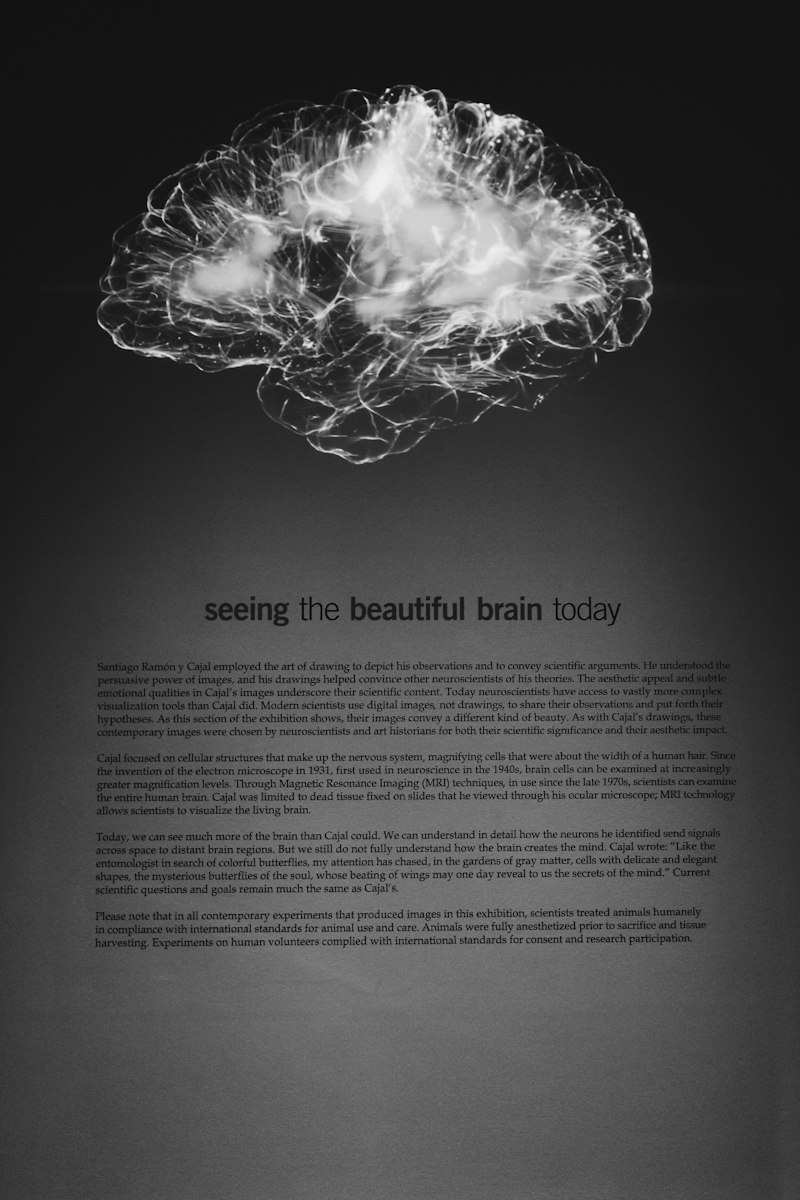
Organic dementia represents a significant category within the broader spectrum of dementia, specifically characterized by a decline in cognitive functioning that is directly attributable to an identifiable physical, medical, or neurological disorder or injury. Unlike other forms of cognitive impairment, organic dementia is rooted in observable structural or physiological changes within the brain. It is not merely a psychological disturbance but a consequence of tangible damage or disease processes affecting brain tissue, its vascular supply, or its neurochemical environment. This fundamental distinction is crucial for understanding its etiology, progression, and potential management strategies.
The initial manifestation of organic dementia often involves a progressive deterioration in memory, alongside impairments in other vital cognitive domains. These include difficulties with problem-solving, attention, language, and executive functions, all of which significantly impede an individual’s capacity to perform daily activities. Beyond these cognitive deficits, individuals may experience profound changes in behavior, personality, and emotional regulation, further highlighting the widespread impact of the underlying brain pathology. The diverse range of causative factors, from acute injuries to chronic neurodegenerative diseases, underscores the heterogeneous nature of this condition and necessitates a precise diagnostic approach to identify the specific organic cause.
At its core, the key idea behind organic dementia is that cognitive decline is not idiopathic or purely psychiatric, but rather a direct consequence of identifiable organic brain pathology. This pathology can manifest as neuronal loss, accumulation of abnormal proteins, disruption of cerebral blood flow, inflammation, or structural damage. Understanding this underlying biological mechanism is paramount for differentiating organic dementia from other conditions that may present with similar symptoms, such as depression or delirium, which often have different treatment implications. The presence of a clear, physical basis for the cognitive impairment guides both diagnosis and the development of targeted therapeutic interventions.
Historical Context of Dementia Research
The concept of a decline in mental faculties linked to physical changes in the brain has roots extending back to antiquity, with early physicians observing a correlation between advanced age or head injuries and intellectual deterioration. However, a scientific and systematic understanding of what we now term organic dementia began to coalesce in the late 19th and early 20th centuries. Prior to this period, severe cognitive decline in older individuals was often simply attributed to “senility” or normal aging, lacking a nuanced understanding of its underlying pathological basis. Early neurological investigations, often relying on post-mortem examinations, gradually started to reveal structural abnormalities in the brains of individuals who had exhibited profound cognitive deficits during life.
A pivotal moment in the historical development of understanding organic dementia came with the work of German psychiatrist and neuropathologist Alois Alzheimer. In 1906, he described a unique pattern of brain pathology in a 51-year-old woman named Auguste Deter, who had suffered from severe memory loss, disorientation, and hallucinations. Alzheimer’s microscopic examination of her brain revealed distinctive plaques and neurofibrillary tangles, which he linked directly to her cognitive symptoms. This groundbreaking discovery provided concrete evidence that a specific, identifiable physical disease process could lead to a progressive and devastating form of dementia, paving the way for the recognition of what is now known as Alzheimer’s disease. This marked a significant shift from a purely descriptive approach to a disease-specific understanding of cognitive decline.
Subsequent research throughout the 20th century expanded this understanding, identifying numerous other organic causes for cognitive impairment. Clinicians and researchers like James Parkinson (who described Parkinson’s disease in 1817) and George Huntington (who described Huntington’s disease in 1872) had already laid groundwork for specific neurological disorders that would later be recognized as causes of dementia. The advent of advanced neuroimaging techniques in the latter half of the 20th century, such as computed tomography (CT) and magnetic resonance imaging (MRI), further revolutionized the ability to visualize brain structures and identify lesions, tumors, or atrophy in living patients. This technological progress allowed for more precise ante-mortem diagnosis and a deeper appreciation of the diverse organic pathologies contributing to dementia, solidifying the concept of organic dementia as a distinct clinical entity with varied etiologies.
Etiology: Causes of Organic Dementia
The genesis of organic dementia is attributed to a broad spectrum of physical, medical, and neurological disorders that inflict damage upon the brain’s intricate structures and functions. One of the most prevalent causes is stroke, which occurs when blood supply to a part of the brain is interrupted, leading to the death of brain cells. This interruption can be due to a blockage (ischemic stroke) or a rupture of a blood vessel (hemorrhagic stroke). When strokes occur in critical areas responsible for cognitive processing, or when multiple small strokes accumulate over time (known as vascular dementia), they can severely impair cognitive functioning, memory, and executive abilities. The extent and location of brain damage directly correlate with the specific cognitive deficits observed, making it a highly variable presentation.
Another significant organic cause involves the presence of brain tumors, whether benign or malignant. These abnormal growths can exert pressure on surrounding brain tissue, disrupt normal neural pathways, interfere with blood flow, or even secrete substances that impair brain function. Depending on their size, location, and rate of growth, tumors can lead to a range of cognitive impairments, including memory loss, difficulties with attention, language disturbances, and personality changes. Surgical removal, radiation, or chemotherapy can sometimes alleviate these symptoms, but persistent damage or treatment side effects can also contribute to lasting cognitive deficits, classifying them under the umbrella of organic dementia.
Alzheimer’s disease stands as the most common neurodegenerative cause of dementia, characterized by the progressive accumulation of abnormal protein deposits in the brain: amyloid plaques and neurofibrillary tangles. These pathological hallmarks lead to widespread neuronal death and synaptic dysfunction, particularly affecting regions crucial for memory and cognitive processing, such as the hippocampus and cerebral cortex. Similarly, Parkinson’s disease, primarily known for its motor symptoms, can also lead to dementia in its later stages. This is often linked to the degeneration of dopamine-producing neurons in the substantia nigra and the presence of Lewy bodies, which can also appear in cortical areas, affecting cognitive abilities and executive functions.
Further contributing to the spectrum of organic dementias are other specific neurological disorders. Huntington’s disease, an inherited neurodegenerative disorder, results from a genetic mutation that leads to the progressive breakdown of nerve cells in the brain, particularly in the basal ganglia and cerebral cortex. This causes uncontrolled movements, cognitive decline, and psychiatric problems, with dementia being a prominent feature as the disease progresses. Multiple sclerosis (MS), an autoimmune disease affecting the brain and spinal cord, involves the destruction of myelin, the protective sheath around nerve fibers. While primarily known for physical symptoms, MS can also lead to cognitive impairments, often referred to as MS-related cognitive dysfunction, which can reach the severity of dementia in some individuals due to widespread demyelination and axonal damage. Finally, traumatic brain injury (TBI) represents an acute physical injury to the brain that can have long-lasting cognitive consequences, including a form of organic dementia. TBIs, ranging from concussions to severe penetrating head wounds, can cause immediate brain cell damage, axonal shearing, and subsequent secondary injuries like inflammation and excitotoxicity. Depending on the severity and location of the injury, TBI can result in persistent memory problems, executive dysfunction, and personality changes.
Clinical Manifestations: Symptoms of Organic Dementia
The symptomatic presentation of organic dementia is multifaceted, primarily characterized by a profound and persistent decline in cognitive functioning and memory, which significantly impacts an individual’s daily life. Cognitive deficits extend beyond simple forgetfulness, encompassing difficulties with complex cognitive processes such as problem-solving, critical thinking, and the ability to plan and execute tasks, often referred to as executive functions. Patients may struggle with abstract reasoning, making it challenging to understand nuanced concepts or adapt to new situations. Furthermore, their capacity for sustained attention and concentration often deteriorates, leading to easy distractibility and an inability to focus on conversations or tasks for extended periods. This generalized cognitive slowing and impairment can make even routine activities feel overwhelming and unmanageable.
Memory impairments are frequently among the earliest and most distressing symptoms, particularly for recent events. While remote memories might remain relatively intact in the initial stages, individuals with organic dementia typically experience significant difficulty learning and recalling new information. This can manifest as repeatedly asking the same questions, forgetting recent conversations, misplacing items, or struggling to remember names of familiar people. As the condition progresses, even long-term memories can become fragmented or inaccessible. Beyond these core cognitive and memory deficits, the impact of organic dementia often extends to an individual’s emotional and social well-being, manifesting as noticeable behavioral and psychological changes that further complicate care and daily interactions.
Behavioral changes are a common and challenging aspect of organic dementia, often including heightened agitation, increased aggression, and significant mood swings. Individuals may exhibit restlessness, pacing, or repetitive behaviors, particularly in the evening hours, a phenomenon known as “sundowning.” Aggression can be verbal or physical, often triggered by confusion, fear, or frustration due to their inability to communicate needs effectively or understand their environment. Mood disturbances, such as depression, anxiety, or apathy, are also prevalent, with patients becoming withdrawn, losing interest in previously enjoyed activities, or experiencing emotional lability, where their mood can shift rapidly and unpredictably without clear external triggers. Language changes can manifest as difficulty with speaking, understanding, and writing, known as aphasia, while personality changes can involve apathy, social withdrawal, or disinhibition, profoundly altering an individual’s demeanor and social interactions.
Diagnostic Approaches for Organic Dementia
The accurate diagnosis of organic dementia is a complex, multi-faceted process that requires a thorough evaluation to identify the specific underlying cause and rule out other conditions that may mimic dementia symptoms. The initial step typically involves a detailed collection of the patient’s medical history from both the patient and reliable informants, such as family members. This comprehensive history aims to identify the onset, progression, and nature of cognitive and behavioral changes, as well as any relevant past medical conditions, surgeries, medications, or lifestyle factors. Questions often focus on the timeline of symptoms, specific cognitive deficits observed (e.g., memory loss, language difficulties, executive dysfunction), and any associated psychiatric or neurological symptoms like headaches, seizures, or gait disturbances. Identifying potential risk factors or previous events, such as strokes, head injuries, or exposure to toxins, is crucial in pinpointing a possible organic etiology.
Following the history, a comprehensive physical examination is performed, which includes a detailed neurological assessment. This examination evaluates motor skills, reflexes, coordination, balance, and sensory function, as specific neurological signs can provide clues about the underlying cause. For example, tremor and rigidity might suggest Parkinson’s disease, while focal neurological deficits like weakness on one side of the body could point towards a history of stroke or a brain tumor. Cognitive screening tests, such as the Mini-Mental State Examination (MMSE) or the Montreal Cognitive Assessment (MoCA), are often administered during this phase to provide a quantitative measure of cognitive impairment and to track changes over time, though these are screening tools and not definitive diagnostic tests on their own.
Laboratory tests play a vital role in identifying reversible causes of cognitive impairment and ruling out other medical conditions. Blood tests may include a complete blood count, metabolic panel, thyroid function tests, vitamin B12 levels, and syphilis serology. These tests can detect treatable conditions such as vitamin deficiencies, thyroid disorders, kidney or liver dysfunction, infections, or electrolyte imbalances, all of which can manifest with dementia-like symptoms. Finally, imaging studies of the brain are indispensable for visualizing structural abnormalities. Computed Tomography (CT) scans and Magnetic Resonance Imaging (MRI) scans are routinely used to detect conditions such as brain tumors, evidence of past strokes, hydrocephalus, or significant brain atrophy indicative of neurodegenerative processes. More advanced techniques like Positron Emission Tomography (PET) scans can detect specific protein pathologies associated with diseases like Alzheimer’s disease, offering crucial insights for a precise etiological diagnosis.
Therapeutic Interventions and Management of Organic Dementia
The management strategy for organic dementia is fundamentally dictated by its underlying cause, aiming to address the specific physical, medical, or neurological disorder whenever possible. For conditions like stroke, which is a common cause of vascular dementia, treatment focuses on preventing further cerebrovascular events. This includes aggressive management of risk factors such as hypertension, diabetes, hyperlipidemia, and smoking cessation. Medications like antiplatelet agents (e.g., aspirin, clopidogrel) or anticoagulants may be prescribed to reduce the risk of future strokes. In cases where dementia is caused by a surgically accessible brain tumor, surgical resection, radiation therapy, or chemotherapy may be employed to remove or reduce the tumor burden, potentially alleviating cognitive symptoms if the damage is not extensive or irreversible.
For neurodegenerative diseases, which represent a significant portion of organic dementias, treatments often focus on slowing disease progression and managing symptoms. In Alzheimer’s disease, cholinesterase inhibitors (e.g., donepezil, rivastigmine, galantamine) are commonly used to boost levels of acetylcholine, a neurotransmitter critical for memory and learning. Memantine, an NMDA receptor antagonist, is also used to regulate glutamate activity, another neurotransmitter involved in learning and memory. These medications do not cure the disease but can temporarily improve or stabilize cognitive function and behavioral symptoms. For Parkinson’s disease dementia, similar medications may be used, alongside dopaminergic drugs (e.g., levodopa, pramipexole) that primarily target motor symptoms but can also have secondary effects on cognitive function. For Huntington’s disease and multiple sclerosis, management is symptomatic and supportive, with medications to control specific symptoms and rehabilitation therapies to maintain function.
Beyond disease-specific interventions, symptomatic management and supportive care are crucial across all forms of organic dementia. This includes non-pharmacological approaches to manage behavioral disturbances such as agitation or aggression, often involving environmental modifications, behavioral strategies, and caregiver education. Psychotropic medications may be used cautiously for severe behavioral symptoms, with careful monitoring for side effects. Comprehensive support also encompasses nutritional guidance, regular physical activity, and cognitive stimulation activities to maintain residual abilities and improve quality of life. For dementia resulting from traumatic brain injury, rehabilitation programs involving physical, occupational, and speech therapy are essential to maximize functional recovery and help individuals compensate for persistent deficits. The holistic management of organic dementia therefore requires a multidisciplinary team approach, involving neurologists, psychiatrists, geriatricians, therapists, and social workers.
Practical Implications and Real-World Scenarios of Organic Dementia
Understanding organic dementia holds profound practical implications, not only for medical professionals and caregivers but also for shaping public health policies and fostering a more compassionate society. The real-world impact can be illustrated through the scenario of “Evelyn,” a 72-year-old retired teacher who gradually begins to exhibit subtle changes in her daily life. Initially, her family notices she misplaces her keys more often and occasionally repeats stories. Over time, these incidents escalate; she struggles to balance her checkbook, forgets appointments, and becomes easily disoriented in familiar surroundings. Her once vibrant social interactions diminish as she finds it increasingly difficult to follow conversations or recall recent events. These symptoms, while initially attributed to normal aging, worsen to the point where they interfere with her independence and safety, prompting a medical evaluation.
The “how-to” of applying the psychological principles of organic dementia in Evelyn’s case begins with a comprehensive diagnostic process. Her family, recognizing the persistent and escalating nature of her cognitive decline, seeks medical attention. A neurologist performs a thorough medical history, physical examination, laboratory tests, and imaging studies, including an MRI scan of her brain. The MRI reveals evidence of significant cerebral atrophy, particularly in the temporal lobes, and some small vessel ischemic changes, indicative of underlying Alzheimer’s disease with a vascular component. This organic diagnosis provides a clear explanation for her symptoms, moving beyond vague notions of “old age” and allowing for targeted management. The diagnosis also helps the family understand that her forgetfulness and confusion are not intentional or a sign of weakness, but rather a direct consequence of brain pathology.
The significance of this understanding for the field of psychology is immense. It underscores the intimate connection between brain health and mental function, cementing the biological basis for many cognitive and behavioral disorders. Psychologists play a crucial role in the diagnostic process through detailed neuropsychological assessments, which can precisely map the pattern of cognitive impairment and help differentiate between various forms of dementia. Furthermore, psychology contributes significantly to the management of organic dementia by developing and implementing cognitive rehabilitation strategies, behavioral interventions to manage agitation or apathy, and providing crucial support and education for caregivers. Understanding the psychological impact of the disease helps tailor environments and communication styles to minimize distress and maximize the quality of life for affected individuals.
The applications of this concept extend far beyond clinical settings. In therapy, specific psychotherapeutic approaches are adapted to individuals with cognitive limitations, focusing on validating emotions and maintaining remaining abilities. In public health, understanding organic dementia drives campaigns for early detection, prevention of risk factors (e.g., managing cardiovascular health to reduce stroke risk), and the allocation of resources for long-term care facilities and community support programs. It also influences education, particularly in training healthcare professionals and educating the public about the signs and symptoms of dementia, reducing stigma, and promoting brain health. The recognition of organic dementia helps us understand social behavior in aging populations, informing policies on driving, financial independence, and legal capacity, ensuring that individuals with compromised cognitive function are protected and supported within society.
Connections to Related Concepts and Broader Classification
Organic dementia is deeply intertwined with several other critical concepts in medicine and psychology, serving as a focal point where neurology, psychiatry, and gerontology converge. It is fundamentally a type of neurodegenerative disease or a consequence of one, linking it closely to conditions characterized by progressive neuronal dysfunction and death. This connection is most evident in diseases like Alzheimer’s disease, Parkinson’s disease, and Huntington’s disease, where the dementia is a direct manifestation of the underlying neurodegeneration. Understanding these relationships is crucial for differential diagnosis and for developing therapies that target specific pathological processes.
The concept also has significant overlap with the broader category of cognitive disorders, a diagnostic class that includes various conditions affecting memory, attention, learning, and problem-solving. While organic dementia represents a severe and progressive form of cognitive disorder, it distinguishes itself from milder forms like Mild Cognitive Impairment (MCI), where cognitive deficits are noticeable but do not significantly interfere with daily functioning. It is also distinct from delirium, an acute and fluctuating state of confusion caused by an underlying medical condition, though delirium can often co-occur with or be superimposed on existing dementia. The differentiation relies on the chronicity, progression, and specific patterns of cognitive decline, as well as the identification of a clear organic etiology.
From a psychological perspective, organic dementia is best understood within the subfield of Neuropsychology. This discipline specifically investigates the relationship between brain function and behavior, emotion, and cognition. Neuropsychologists are instrumental in assessing cognitive deficits, localizing brain damage, and developing rehabilitation strategies for individuals with organic dementias. Furthermore, it connects to Biological Psychology, which examines the physiological, genetic, and developmental mechanisms of behavior in humans and other animals, providing the foundational understanding of the brain pathologies that lead to organic dementia. It also touches upon Clinical Psychology, especially in the context of diagnosing, managing behavioral symptoms, and providing support to patients and their families. Related theories such as the Cognitive Reserve hypothesis and the brain-body connection further enrich our understanding of how individuals respond to and are affected by organic brain changes.
Conclusion
In conclusion, organic dementia represents a critical and complex category of cognitive impairment, fundamentally defined by its direct causation by identifiable physical, medical, or neurological disorders or injuries. This distinction from other forms of cognitive decline is paramount for accurate diagnosis and effective intervention. Characterized by progressive deficits in cognitive functioning, memory, and often accompanied by profound changes in behavior, language, and personality, its impact on individuals and their families is extensive.
The etiology of organic dementia is remarkably diverse, encompassing conditions such as stroke, brain tumors, and a range of neurodegenerative diseases including Alzheimer’s disease, Parkinson’s disease, Huntington’s disease, and multiple sclerosis, as well as traumatic brain injury. Diagnosis relies on a comprehensive approach, integrating detailed medical history, physical and neurological examinations, sophisticated laboratory tests, and advanced neuroimaging studies to pinpoint the specific underlying cause.
Treatment strategies are consequently tailored to address the identified primary pathology, aiming to mitigate disease progression, manage distressing symptoms, and enhance the patient’s quality of life through a combination of pharmacological interventions, rehabilitation therapies, and extensive supportive care. The study and management of organic dementia underscore the intricate relationship between brain health and cognitive function, making it a pivotal area within neuropsychology and a significant public health challenge requiring continuous research and integrated care approaches for a growing global population.