Organizational Effect: How Your Early Life Wires Your Brain
Scientifically Reviewed · Dr. Marwa Abd-Alazim · September 9, 2026
Review Criteria & Clinical Standards
This content undergoes rigorous scientific peer-review and medical editorial standards at Arab Psychology Network to ensure clinical accuracy, validity, and compliance with evidence-based guidelines from leading psychological and healthcare authorities (APA / WHO).
Defining the Organizational Effect
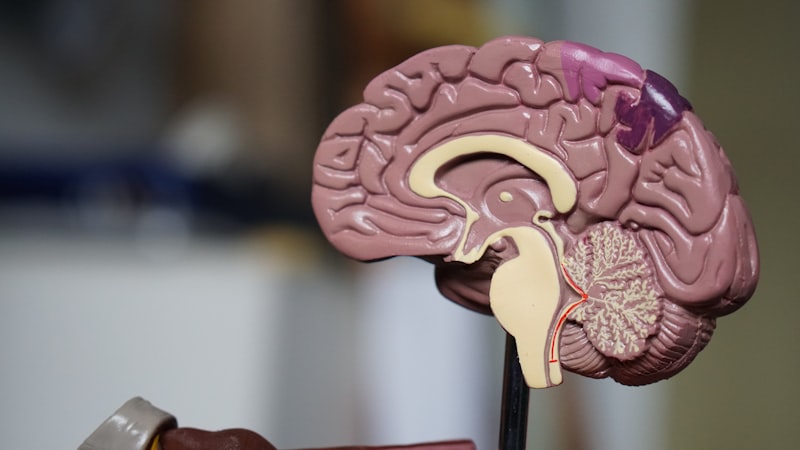
The concept of the Organizational Effect describes a profound and lasting impact resulting from hormonal exposure, typically occurring during critical periods of development, such as the fetal stage or the formative postnatal period. This effect is distinct because it leads to permanent, structural, and functional alterations in the central nervous system and other bodily systems. Unlike transient hormonal fluctuations that modulate existing behaviors, the organizational effect acts as a blueprint, fundamentally determining the architecture of neural circuits and behavioral predispositions for the lifespan of the organism. This foundational mechanism ensures that developmental processes, particularly those involving sexual differentiation, are robustly established prior to sexual maturity.
This phenomenon is central to understanding how biological sex influences brain function and behavior. Hormones, acting as powerful signaling molecules during these sensitive windows, dictate the patterns of neuronal growth, synaptic connectivity, myelination, and even programmed cell death in specific brain regions. For instance, the presence or absence of certain steroid hormones during gestation determines the trajectory of development for brain nuclei involved in reproductive behavior, aggression, and stress response. These permanent changes are often irreversible; once the organizational window closes, subsequent hormonal exposure—even at high levels—cannot fundamentally restructure the established neural pathways.
Consequently, the organizational effect provides a critical framework for explaining lifelong differences in actions and neural operating observed between sexes, or deviations from typical development following exposure to abnormal hormonal environments. The permanence of the alteration means that the organism is biologically prepared for future life stages, ensuring that adult hormones (which exert Activational Effects) can trigger appropriate behaviors utilizing the established, organized neural substrate. The structural changes wrought during this initial period are enduring, setting the stage for all subsequent physiological and psychological responses.
The Critical Period of Development
A defining characteristic of the organizational effect is its reliance on a specific, time-limited window known as the critical period. This period, which varies depending on the species and the specific system being organized, represents a stage of heightened neural plasticity and extreme sensitivity to hormonal input. If the necessary hormonal signals are present or absent during this precise temporal window, the resulting structural organization of the brain is permanently modified. If the same hormonal signals occur outside of this critical period, their organizational impact is negligible or nonexistent, though they may still elicit transient activational effects.
The critical period is not a single, monolithic stage but rather a series of overlapping windows, each governing the organization of specific neural circuits. For humans, the most intensely studied organizational period occurs during the prenatal phase, particularly during the second and third trimesters, when major brain structures are rapidly forming and differentiating. A secondary, though less dramatic, organizational phase may occur during early infancy or peripuberty, influencing fine-tuning of systems like stress reactivity or cognitive processing. The precise timing of these windows is crucial because the neural substrates are uniquely primed to respond to hormonal binding by altering gene expression and cellular morphology.
Understanding the concept of the critical period has significant clinical implications, particularly concerning vulnerability to environmental factors. Exposure to Endocrine Disrupting Chemicals (EDCs), severe maternal stress, or pharmacological interventions during these sensitive times can lead to developmental trajectories that deviate significantly from the norm. Because the organizational changes are permanent, interference during this period carries a much greater risk of long-term physiological and behavioral dysfunction than exposure occurring later in life, highlighting the necessity of protecting the fetal environment from hormonal disruption.
Mechanisms of Hormonal Organization
The organizational effect is mediated at a cellular and molecular level primarily through the action of steroid hormones, which are lipophilic and can readily cross cell membranes. Once inside target neurons within specific brain nuclei—such as the preoptic area, hypothalamus, and amygdala—these hormones bind to intracellular receptor proteins, forming hormone-receptor complexes. These complexes then translocate to the cell nucleus, where they act as powerful transcription factors, directly influencing the rate of gene expression. This genomic mechanism is slow but enduring, resulting in lasting changes to the cell’s structure and function.
The resulting changes in gene expression drive numerous structural alterations within the developing brain. Key mechanisms include modifications in neurogenesis (the birth of new neurons), synaptogenesis (the formation of new synapses), and dendritic arborization (the branching patterns of dendrites). Furthermore, hormones influence the process of synaptic pruning, determining which connections are retained and strengthened, and which are eliminated. For example, organizational exposure to testosterone leads to the retention and growth of specific neural populations in sexually dimorphic nuclei, while promoting the programmed cell death of others, thereby establishing the male-typical neural architecture.
Beyond the direct genomic effects, steroid hormones also exert rapid, non-genomic actions by binding to receptors located on the cell membrane, which modulate ion channels and second messenger systems. While these non-genomic effects are often associated with the faster activational processes, they also contribute to the organizational phase by modulating cellular excitability and plasticity during the critical period, indirectly influencing the speed and outcome of structural development. Ultimately, the integration of these genomic and non-genomic pathways during the critical window ensures that the resulting permanent alterations in neural circuitry are comprehensive and robustly programmed.
Sexual Differentiation and Brain Structure
The most widely studied and definitive example of the organizational effect is its role in sexual differentiation of the brain. In mammals, the default developmental pathway is female. Masculinization of the brain requires the presence of sufficient levels of androgens, primarily testosterone, during the critical period. Paradoxically, testosterone often achieves its organizational effect by being aromatized into estradiol within the brain itself. This locally produced estrogen then binds to estrogen receptors, driving the structural organization towards a male-typical pattern.
This organizational process leads to striking differences in brain morphology, known as sexual dimorphism. These dimorphisms are manifest in the size, density, and connectivity of various hypothalamic and limbic structures. A classic example is the Sexually Dimorphic Nucleus of the Preoptic Area (SDN-POA) in rodents, which is significantly larger in males due to androgen exposure during the critical period preventing neuronal apoptosis. Similar, though often less pronounced, dimorphisms exist in human brain regions corresponding to emotional regulation, language processing, and spatial cognition, all traceable to differential organizational hormone exposure in utero.
If the developing organism lacks sufficient androgen exposure during the critical period, or if the relevant hormone receptors are non-functional (as seen in conditions like Androgen Insensitivity Syndrome), the brain follows the female developmental trajectory, regardless of genetic sex. This differential organizational programming dictates not only adult reproductive behaviors but also sex differences in emotional responses, aggression levels, and susceptibility to certain neuropsychiatric disorders. The permanent nature of this sexual organization underscores its fundamental importance in biological development.
Organizational Versus Activational Effects
It is crucial to differentiate the organizational effect from the Activational Effect of hormones. While both involve hormonal action on the nervous system, they differ fundamentally in their timing, mechanism, and permanence. The organizational effect occurs during early life, creates permanent structural changes, and establishes the neural architecture. It is likened to building the hardware of a computer system.
In contrast, the activational effect occurs later in life, typically starting at puberty and continuing throughout adulthood. Activational hormones, such as the surge of testosterone or estrogen during the reproductive cycle, act upon the pre-existing, organized neural substrate to trigger or modulate specific behaviors. These effects are transient and reversible; they require the continuous presence of the hormone. For example, a male bird’s brain is organized early in life to possess the neural circuits for singing; the activational surge of testosterone in spring merely flips the switch to activate that singing behavior. If the testosterone is removed, the singing stops, but the underlying neural structure remains.
Therefore, the two effects work in a complementary manner. The organizational effect provides the necessary neural infrastructure—the framework upon which adult behaviors can be expressed—while the activational effect provides the immediate hormonal signal to express those behaviors. A failure in organizational programming means that subsequent activational hormones may fail to elicit the appropriate behavioral response because the necessary neural hardware was never correctly installed during the critical period.
The Role of Steroid Hormones
A broad array of steroid hormones participates in the organizational process, including androgens, estrogens, progestins, and glucocorticoids, though androgens and estrogens receive the most attention due to their role in sexual differentiation. Androgens, primarily testosterone, are key masculinizing agents. They exert their organizational influence either directly by binding to androgen receptors or indirectly after conversion to estrogens via the enzyme aromatase. The differential distribution of aromatase within the brain determines which regions are subject to estrogen-mediated masculinization.
Estrogens, while typically associated with female characteristics, are essential organizational hormones in both sexes. In males, locally derived estradiol drives masculinization. In females, while circulating estrogen levels are high during gestation, the female brain is protected from high levels of maternal estrogen by proteins like alpha-fetoprotein, which binds estrogen in the blood, preventing it from crossing the blood-brain barrier and causing masculinization. This protective mechanism ensures the maintenance of the female developmental trajectory.
Furthermore, other hormones, notably Glucocorticoids (stress hormones), also possess significant organizational capabilities. High levels of glucocorticoids during fetal development, often resulting from chronic maternal stress, can permanently organize brain regions involved in the Hypothalamic-Pituitary-Adrenal (HPA) axis, leading to lasting alterations in stress reactivity, anxiety levels, and emotional regulation in the offspring. Thus, the organizational effect is not limited solely to reproductive systems but extends to fundamental homeostatic and psychological systems.
Clinical Implications and Human Health
The organizational effect holds significant clinical relevance, especially in understanding the etiology of certain sex-biased psychological and physiological conditions. When considering the original observation regarding hereditary disorders, many women with conditions like Premenstrual Dysphoric Disorder (PMDD) or other hormonally-based, hereditary disorders often worry about the possibility of organizational effects on their unborn children. This concern stems from the possibility that the maternal hormonal milieu, potentially altered by the mother’s own disorder or its treatment, could subtly shift the organizational trajectory of the fetal brain.
Conditions involving atypical prenatal hormonal environments provide direct evidence of organizational effects in humans. For instance, individuals born with Congenital Adrenal Hyperplasia (CAH), a disorder leading to excessive prenatal androgen exposure regardless of genetic sex, often exhibit behavioral characteristics that are partially masculinized, such as increased engagement in rough-and-tumble play or different patterns of spatial reasoning. These lasting behavioral shifts are interpreted as organizational effects stemming from the atypical hormonal exposure during their critical period.
A major public health concern involves Endocrine Disrupting Chemicals (EDCs), which mimic or block endogenous hormones. Exposure to EDCs, such as certain pesticides or plasticizers, during critical developmental windows can interfere with normal organizational processes, potentially leading to permanent alterations in reproductive function, immune responses, and neurodevelopmental outcomes. The subtlety and permanence of these organizational disruptions make them a major focus of environmental toxicology and developmental neuroscience research.
Research Directions and Future Study
Current research into the organizational effect is moving beyond simply defining structural dimorphism to exploring the underlying molecular and epigenetic mechanisms. Future studies aim to uncover how hormones induce lasting changes in gene expression without altering the underlying DNA sequence. This involves investigating the role of epigenetic marks, such as DNA methylation and histone modification, which may be permanently set during the critical period by hormonal signals, dictating which genes are expressed and which remain silent for the rest of the organism’s life.
Another key area of investigation is the interaction between organizational effects and genetic predisposition. It is increasingly clear that genetic variations influence the sensitivity of the developing brain to hormonal signals, meaning the same dose of a hormone may have drastically different organizational outcomes depending on an individual’s genotype. Understanding this gene-environment interaction is essential for predicting vulnerability to developmental disorders and tailoring interventions.
Finally, long-term, longitudinal studies are crucial for fully appreciating the organizational effect. Tracking individuals exposed to specific hormonal conditions in utero across their lifespan allows researchers to confirm the permanence of the changes and link specific early organizational events to adult health outcomes, including reproductive longevity, cognitive decline, and susceptibility to affective disorders. These detailed studies will further illuminate how the foundational hormonal programming of the fetus dictates the health trajectory of the adult.
- Organizational Effect: “A lasting impact of hormonal action generally happening in fetal growth or the formative postnatal time which leads to lasting alterations in actions and neural operating.”
- Clinical Example: “Many women with PMDD or other hormonally-based, hereditary disorders, often worry about the possibility of organizational effects on their unborn children.”