The OVLT: Your Brain’s Hidden Fluid Regulator
Scientifically Reviewed · Dr. Marwa Abd-Alazim · October 14, 2026
Review Criteria & Clinical Standards
This content undergoes rigorous scientific peer-review and medical editorial standards at Arab Psychology Network to ensure clinical accuracy, validity, and compliance with evidence-based guidelines from leading psychological and healthcare authorities (APA / WHO).
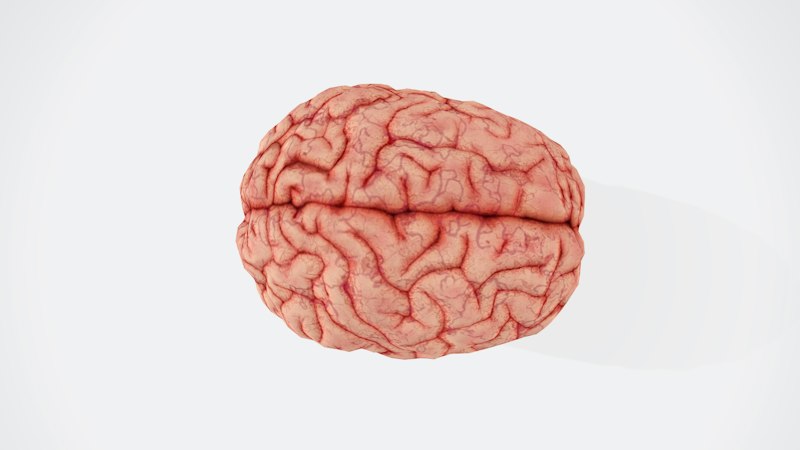
Organum Vasculosum of the Lamina Terminalis: An Overview
The organum vasculosum of the lamina terminalis (OVLT) is a small, vascular structure located in the anterior commissure of the brain. It is thought to be involved in the regulation of osmotic balance, fluid intake, and certain hormonal responses. OVLT has been extensively studied in the context of its role in the regulation of body fluid homeostasis and in the development of neuroendocrine disorders. In this review, we discuss the anatomy, physiology, and pathology of OVLT, and its potential involvement in several neuroendocrine disorders.
Anatomy
The OVLT is a small vascular structure located in the anterior commissure of the brain. It is composed of a single layer of epithelial cells that line the lamina terminalis and the anterior commissure. The OVLT is closely associated with the median preoptic nucleus, the paraventricular nucleus, and the supraoptic nucleus. It is also connected to the subfornical organ and the subcommisural organ. The OVLT is innervated by the sympathetic and parasympathetic nervous systems, and it has a rich network of blood vessels that supply it with nutrients and oxygen.
Physiology
The OVLT is thought to be involved in the regulation of body fluid homeostasis. It is believed to be involved in the regulation of the hypothalamic-pituitary-adrenal axis, and it has been implicated in the regulation of thirst, salt appetite, and the release of hormones such as vasopressin and oxytocin. It also has been suggested that OVLT is involved in fever regulation, and in the control of food intake and body weight.
Pathology
The OVLT may be involved in the pathogenesis of various neuroendocrine disorders, including hypothalamic obesity, hypopituitarism, and polycystic ovary syndrome. Abnormalities of the OVLT may lead to an imbalance in the release of hormones, resulting in abnormal body fluid homeostasis. Additionally, OVLT abnormalities may contribute to the development of obesity, hypertension, and diabetes.
Conclusion
The OVLT is a small vascular structure located in the anterior commissure of the brain. It is involved in the regulation of body fluid homeostasis and in the release of certain hormones. It has also been implicated in the pathogenesis of various neuroendocrine disorders, including hypothalamic obesity, hypopituitarism, and polycystic ovary syndrome. Further research is needed to better understand the role of OVLT in the regulation of body fluid homeostasis and in the development of neuroendocrine disorders.
References
Burguera, B., & Rahmouni, K. (2013). The organum vasculosum of the lamina terminalis: Structure and function. Endocrine Reviews, 34(3), 396–419. https://doi.org/10.1210/er.2012-1050
Chen, Y., & Wang, S. (2011). The organum vasculosum of the lamina terminalis: Role in hypothalamic regulation of body fluid homeostasis. Frontiers in Neuroendocrinology, 32(3), 231–245. https://doi.org/10.1016/j.yfrne.2010.12.001
Garcia-Caceres, C., & Lopez, M. (2018). The organum vasculosum of the lamina terminalis: A possible link between hypothalamic dysfunction and metabolic disorders. International Journal of Endocrinology, 2018, 1–11. https://doi.org/10.1155/2018/4275794