Vestibular Psychology: How Inner Ear Balance Shapes Minds
Scientifically Reviewed · Dr. Marwa Abd-Alazim · October 10, 2026
Review Criteria & Clinical Standards
This content undergoes rigorous scientific peer-review and medical editorial standards at Arab Psychology Network to ensure clinical accuracy, validity, and compliance with evidence-based guidelines from leading psychological and healthcare authorities (APA / WHO).
Introduction to Otoneurology
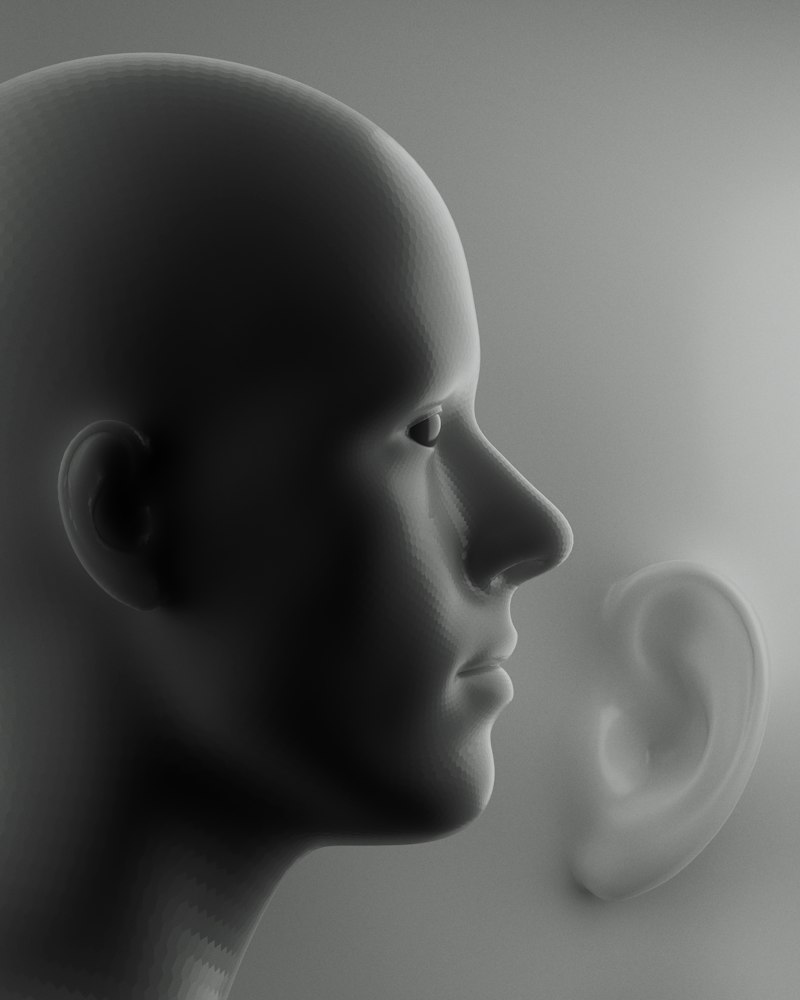
Otoneurology is a highly specialized medical field dedicated to the diagnosis, treatment, and management of disorders affecting the auditory system and the vestibular system. These two intricate systems, both housed primarily within the inner ear, are fundamentally responsible for our sense of hearing and our ability to maintain balance and spatial orientation. The discipline serves as a critical bridge between neurology and otolaryngology, addressing complex conditions that manifest with symptoms ranging from hearing loss and tinnitus to vertigo and disequilibrium. Its importance stems from the profound impact that disruptions to these systems can have on an individual’s quality of life, affecting communication, mobility, and overall well-being.
At its core, otoneurology seeks to unravel the complex interplay between the peripheral sensory organs of the inner ear and the central nervous system pathways that process auditory and vestibular information. This involves a deep understanding of neuroanatomy, neurophysiology, and neuropathology pertaining to the ear-brain axis. The field investigates conditions that can arise from various etiologies, including genetic predispositions, infections, trauma, autoimmune disorders, vascular issues, and degenerative processes. By focusing on the neurological aspects of ear-related problems, otoneurologists are equipped to tackle challenging cases that might not fit neatly within general audiology or neurology practices, offering specialized expertise for nuanced diagnostic and therapeutic approaches.
The scope of otoneurology encompasses a wide array of conditions, from common ailments such as sudden sensorineural hearing loss and benign paroxysmal positional vertigo (BPPV) to more rare and complex syndromes like Meniere’s disease, vestibular schwannomas, and autoimmune inner ear disease. Furthermore, it delves into systemic conditions that have otologic or neuro-otologic manifestations, such as multiple sclerosis or migraines, which can present with vestibular symptoms. The interdisciplinary nature of otoneurology necessitates collaboration with audiologists, physical therapists, neurologists, neurosurgeons, and other specialists to provide comprehensive, patient-centered care. This collaborative model ensures that patients receive a holistic evaluation and a tailored treatment plan addressing the multifaceted nature of their auditory and balance impairments.
The Auditory System and Its Disorders
The auditory system is an intricate biological network designed to detect, process, and interpret sound. It begins with the outer ear, which funnels sound waves to the eardrum, followed by the middle ear, where three tiny bones (ossicles) amplify these vibrations. The inner ear houses the cochlea, a snail-shaped organ containing hair cells that convert mechanical vibrations into electrical signals. These signals are then transmitted via the auditory nerve to the brainstem and eventually to the auditory cortex in the brain, where sound perception occurs. Disorders of this system can lead to various forms of hearing loss, ranging from mild to profound, impacting an individual’s ability to communicate, learn, and engage with their environment.
Otoneurology plays a crucial role in understanding and managing complex forms of hearing loss, especially those with a neurological component. This includes sensorineural hearing loss, which originates from damage to the inner ear (cochlea) or the auditory nerve pathways to the brain. Conditions such as auditory neuropathy spectrum disorder, where the outer hair cells of the cochlea function normally but the transmission of signals to the brain is impaired, fall squarely within the otoneurologist’s expertise. Furthermore, central auditory processing disorders, which involve difficulties in the brain’s ability to interpret auditory information despite normal peripheral hearing, are also an area of active investigation and management within this specialty.
Recent research in otoneurology has significantly advanced the diagnostic capabilities for hearing loss. Studies have emphasized the critical role of comprehensive audiological assessment, which extends beyond basic hearing tests to include electrophysiological measures like auditory brainstem response (ABR) and otoacoustic emissions (OAEs). These advanced tests help pinpoint the precise location and nature of auditory system dysfunction, differentiating between cochlear and neural pathologies. For instance, the research highlighted by Gorin & Goycoolea (2018) underscores how detailed audiological evaluations are indispensable for accurate diagnosis, guiding subsequent treatment strategies and improving patient outcomes. The ongoing development of more sophisticated diagnostic tools continues to refine our understanding of intricate auditory disorders.
The Vestibular System and Balance Disorders
Parallel to the auditory system, the vestibular system is also situated within the inner ear, specifically within the vestibular apparatus, which comprises the semicircular canals and the otolith organs (utricle and saccule). These structures detect head movements and gravitational forces, sending vital information to the brain that is integrated with input from vision and proprioception (body sensation) to maintain equilibrium, posture, and spatial orientation. When this system malfunctions, individuals can experience a range of debilitating balance disorders, including vertigo (a sensation of spinning), dizziness, lightheadedness, and instability, profoundly affecting their daily lives and increasing the risk of falls.
Otoneurologists specialize in identifying the underlying causes of these complex balance disturbances, which can originate from either the peripheral vestibular organs or the central nervous system pathways. Common peripheral vestibular disorders include Benign Paroxysmal Positional Vertigo (BPPV), Meniere’s disease, vestibular neuritis, and labyrinthitis. Central vestibular disorders, on the other hand, might be related to conditions like stroke, multiple sclerosis, or migraine-associated vertigo, where the brain’s processing of vestibular signals is impaired. Distinguishing between peripheral and central etiologies is paramount for accurate diagnosis and effective treatment, often requiring a detailed clinical history, neurological examination, and specialized vestibular testing.
Advances in otoneurology have led to improved diagnostic techniques for vestibular disorders. Beyond traditional tests like videonystagmography (VNG) and caloric testing, newer technologies such as vestibular evoked myogenic potentials (VEMPs) have become invaluable. As explored by Lopez-Escamez & Carey (2016), VEMPs offer insights into the function of specific otolith organs and their neural pathways, aiding in the diagnosis of conditions like superior canal dehiscence syndrome and Meniere’s disease. These objective measures complement subjective patient reports, allowing otoneurologists to precisely characterize the nature and severity of vestibular dysfunction, laying the groundwork for targeted therapeutic interventions and rehabilitative strategies.
Historical Development of Otoneurology
The journey toward establishing otoneurology as a distinct medical specialty has been a gradual evolution, deeply intertwined with advancements in both otology and neurology. Early understanding of the ear primarily focused on its role in hearing, with the vestibular system’s function in balance being less understood or often attributed to other systems. However, as medical science progressed through the 19th and early 20th centuries, pioneering researchers began to recognize the intricate anatomical and physiological connections between the inner ear, the brainstem, and higher cortical centers. The realization that pathologies affecting the ear could manifest with neurological symptoms, and vice versa, laid the conceptual groundwork for a specialized field.
Key milestones in this historical trajectory include the development of the Rinne and Weber tests for hearing assessment in the mid-19th century, which provided early diagnostic tools. More significantly for otoneurology, the understanding of the vestibular system gained momentum with Robert Barany’s Nobel Prize-winning work in 1914 on the physiology and pathology of the vestibular apparatus, particularly his caloric test for assessing semicircular canal function. This research highlighted the neurological reflexes originating from the inner ear and their influence on eye movements (nystagmus) and balance. Over the decades, as diagnostic technologies improved and our knowledge of central nervous system pathways expanded, the need for specialists who could bridge the gap between ear diseases and neurological conditions became increasingly apparent.
The formalization of otoneurology as a recognized subspecialty began to solidify in the latter half of the 20th century. This period saw the proliferation of advanced imaging techniques like CT and MRI, which allowed for unprecedented visualization of the inner ear structures and brain pathways. Coupled with the development of sophisticated electrophysiological tests, these tools enabled more precise localization of lesions and characterization of disorders affecting both the auditory and vestibular systems. The increasing complexity of conditions, combined with a growing understanding of their neurological underpinnings, necessitated the emergence of clinicians with specialized training in both fields, leading to the establishment of dedicated otoneurology clinics and academic programs globally.
Diagnostic Approaches in Otoneurology
The diagnostic process in otoneurology is multifaceted, integrating a comprehensive patient history, detailed physical and neurological examinations, and an array of specialized tests to accurately pinpoint the source of auditory and vestibular dysfunction. Given the subjective nature of symptoms like dizziness and tinnitus, a thorough historical account of symptom onset, duration, triggers, and associated neurological manifestations is critical. The physical examination often includes assessments of cranial nerves, cerebellar function, and gait stability, in addition to otoscopic evaluation of the ear. These initial steps help guide the selection of appropriate objective diagnostic tools.
For auditory diagnostics, otoneurologists rely heavily on advanced audiological assessments. Beyond standard pure-tone audiometry and speech audiometry, tests such as immittance audiometry, otoacoustic emissions (OAEs), and auditory brainstem response (ABR) are routinely employed. OAEs evaluate the function of outer hair cells in the cochlea, while ABR measures the electrical activity in the auditory nerve and brainstem in response to sound, helping to identify retrocochlear pathologies or auditory neuropathy. These electrophysiological tests are crucial for diagnosing profound hearing loss in infants, assessing patients unable to provide reliable behavioral responses, and distinguishing between cochlear and neural hearing deficits, as noted in the research overview by Cabrera & Maeda (2020).
Vestibular diagnostics are equally sophisticated, designed to evaluate the function of each component of the balance system. Videonystagmography (VNG) or electronystagmography (ENG) record eye movements to assess the vestibulo-ocular reflex (VOR) and identify nystagmus, providing insights into both peripheral and central vestibular pathologies. Caloric testing, a component of VNG, specifically evaluates the horizontal semicircular canals. More recent advancements include video head impulse test (vHIT), which objectively assesses the VOR for all six semicircular canals, and vestibular evoked myogenic potentials (VEMPs), which assess the function of the saccule (cervical VEMPs) and utricle (ocular VEMPs). These comprehensive tests, alongside dynamic posturography and specialized imaging (MRI of the internal auditory canal and brain), allow otoneurologists to develop a precise diagnostic profile for each patient, crucial for tailored treatment.
Therapeutic Interventions and Management
Once a precise diagnosis is established, otoneurology offers a diverse range of therapeutic interventions tailored to the specific auditory or vestibular disorder. Treatment strategies are highly individualized and may involve pharmacological approaches, rehabilitative therapies, surgical procedures, or the implementation of advanced prosthetic devices. The goal is not only to alleviate symptoms but also to improve functional abilities and enhance the patient’s overall quality of life, enabling them to return to their daily activities with greater confidence and independence.
For hearing loss, management options range from conventional hearing aids for mild to moderate cases to more advanced solutions for severe to profound loss. Recent research has focused on the efficacy and technological advancements of implantable devices. Cochlear implants, for instance, bypass damaged parts of the inner ear to directly stimulate the auditory nerve, providing a sense of sound to individuals who derive little or no benefit from hearing aids. Bone-anchored hearing aids (BAHAs) are another option, particularly for conductive or mixed hearing loss, or single-sided deafness, by transmitting sound vibrations directly to the inner ear via bone conduction. Krause & Stolle (2019) provide an excellent review of these current technologies, highlighting their transformative impact on patients with various forms of hearing impairment.
The management of balance disorders frequently involves vestibular rehabilitation therapy (VRT). VRT is a specialized form of physical therapy that employs exercises to improve balance, reduce dizziness, and enhance the brain’s ability to compensate for inner ear deficits. Meechan & Hodgetts (2018) underscore the strong evidence supporting VRT for a wide range of vestibular conditions, emphasizing its role in promoting central compensation and habituation. For certain conditions, such as intractable Meniere’s disease or vestibular schwannomas, surgical interventions may be considered. Furthermore, emerging technologies like vestibular prostheses are being explored for individuals with bilateral vestibular loss, offering the potential to restore some level of balance function by electrically stimulating the vestibular nerve in response to head movements, representing a frontier in therapeutic innovation.
A Practical Case Study: Navigating Vertigo
To illustrate the practical application of otoneurology, consider the case of Mrs. Eleanor Vance, a 68-year-old retired teacher who suddenly began experiencing recurrent episodes of intense spinning vertigo. These episodes were often accompanied by nausea and significant instability, making simple tasks like walking across a room feel terrifying. Initially, her primary care physician suspected general dizziness, but the severity and specific spinning sensation prompted a referral to an otoneurologist, recognizing the need for specialized evaluation of her balance system.
Upon her initial visit, the otoneurologist conducted a thorough history, noting that Mrs. Vance’s vertigo episodes typically lasted for several minutes, were triggered by specific head movements such as looking up or turning quickly in bed, and were associated with a feeling of being thrown off balance. A comprehensive physical examination included tests of her eye movements, balance, and coordination. During one specific maneuver, the Dix-Hallpike test, where her head was rapidly moved into certain positions, the otoneurologist observed characteristic nystagmus (involuntary eye movements) and Mrs. Vance experienced a brief but intense sensation of vertigo. This specific pattern of symptoms and objective findings strongly suggested Benign Paroxysmal Positional Vertigo (BPPV), a common peripheral vestibular disorder caused by dislodged calcium carbonate crystals (otoconia) in the semicircular canals.
The “how-to” in this scenario involved a targeted therapeutic maneuver. The otoneurologist performed the Epley maneuver, a series of precise head and body movements designed to reposition the dislodged otoconia back into the utricle, where they no longer trigger inappropriate signals. Mrs. Vance was guided through the steps, gently moving her head and body through specific angles and holding each position for a short duration. Immediately following the maneuver, she reported a significant reduction in her vertigo symptoms. The otoneurologist provided instructions for post-maneuver care and advised her on maintaining certain head positions for a short period to allow the crystals to settle. Over the next few days, her episodes of vertigo diminished dramatically, and within a week, she was able to move her head freely without triggering the debilitating spinning sensation, demonstrating the direct and effective application of otoneurological expertise in a common balance disorder.
Significance and Broader Impact
The significance of otoneurology within the broader medical landscape cannot be overstated. By focusing on the intricate neurophysiological mechanisms underlying hearing and balance, the field addresses conditions that profoundly affect an individual’s independence, safety, and social engagement. Untreated or misdiagnosed auditory and vestibular disorders can lead to social isolation, cognitive decline, psychological distress (such as anxiety and depression), and a significantly increased risk of falls, particularly in the elderly population. Otoneurologists are thus critical in preventing these cascading negative effects, ensuring that patients receive timely and accurate diagnoses and access to effective, specialized treatments.
The impact of otoneurology extends beyond individual patient care into various societal domains. In public health, the specialty contributes to strategies for managing age-related hearing loss and preventing falls, which are major health concerns globally. In education, understanding auditory processing disorders informs specialized learning interventions for children. In occupational health, otoneurologists help evaluate and manage balance issues in professions requiring high levels of spatial awareness or those exposed to noise hazards. Furthermore, the continuous research fostered within otoneurology drives innovation in medical technology, leading to the development of more advanced hearing aids, cochlear implants, and vestibular rehabilitation tools, constantly pushing the boundaries of what is possible in restoring sensory function.
Moreover, the interdisciplinary nature of otoneurology fosters crucial collaboration across medical fields. It necessitates close working relationships with neurologists for central vestibular disorders, neurosurgeons for acoustic neuromas, audiologists for hearing assessments and rehabilitation, and physical therapists for vestibular rehabilitation. This collaborative model ensures comprehensive care, particularly for complex cases involving multiple comorbidities. The field’s commitment to unraveling the mysteries of sensory perception and neural processing continues to yield insights that benefit not only patients with specific disorders but also enhance our fundamental understanding of human neurophysiology, thereby enriching both clinical practice and basic scientific knowledge.
Interdisciplinary Connections and Future Directions
Otoneurology inherently sits at the crossroads of several medical disciplines, making its connections and relationships with other fields central to its practice and ongoing evolution. It draws heavily from otolaryngology (ear, nose, and throat medicine), particularly in the surgical management of inner ear pathologies and the understanding of peripheral ear anatomy. Simultaneously, it is deeply rooted in neurology, as it addresses the central processing of auditory and vestibular information, including conditions affecting the brainstem, cerebellum, and cerebral cortex. Furthermore, it maintains strong ties with audiology, which provides the foundational diagnostic testing for hearing, and physical therapy, which specializes in vestibular rehabilitation. This broad interdisciplinary approach ensures a holistic understanding and management of complex neuro-otologic conditions.
The broader category of psychology to which otoneurology significantly contributes is biological psychology or neuropsychology, as it explores the biological substrates of sensory perception and motor control. It also intersects with cognitive psychology in understanding how the brain processes spatial information and sound, and how these processes can be affected by disease. Related concepts include sensory perception, motor control, neuroplasticity (the brain’s ability to reorganize itself), and neurorehabilitation. For instance, the principles of neuroplasticity are fundamental to the success of vestibular rehabilitation, where the brain learns to compensate for inner ear damage by relying more on other sensory inputs. Similarly, the functional outcomes of cochlear implants depend not only on the device but also on the brain’s ability to adapt to new auditory input.
Looking ahead, the future of otoneurology is poised for continued innovation, particularly with advancements in genetics, neuroimaging, and bioengineering. Genetic research is increasingly identifying specific gene mutations responsible for hereditary forms of hearing loss and vestibular dysfunction, opening doors for gene therapies or targeted pharmacological interventions. Advanced neuroimaging techniques, such as functional MRI and diffusion tensor imaging, promise to provide even more detailed insights into the brain’s processing of auditory and vestibular signals, aiding in the diagnosis of central disorders. Furthermore, the development of more sophisticated implantable devices, like next-generation vestibular prostheses and brain-computer interfaces, holds the potential to restore function for individuals with severe and previously untreatable auditory and balance impairments, solidifying otoneurology’s role at the forefront of neurological and sensory medicine.