Oviparity: The Hidden Psychology of Egg-Laying Life
Scientifically Reviewed · Dr. Marwa Abd-Alazim · October 7, 2026
Review Criteria & Clinical Standards
This content undergoes rigorous scientific peer-review and medical editorial standards at Arab Psychology Network to ensure clinical accuracy, validity, and compliance with evidence-based guidelines from leading psychological and healthcare authorities (APA / WHO).
The Core Definition of Oviparity
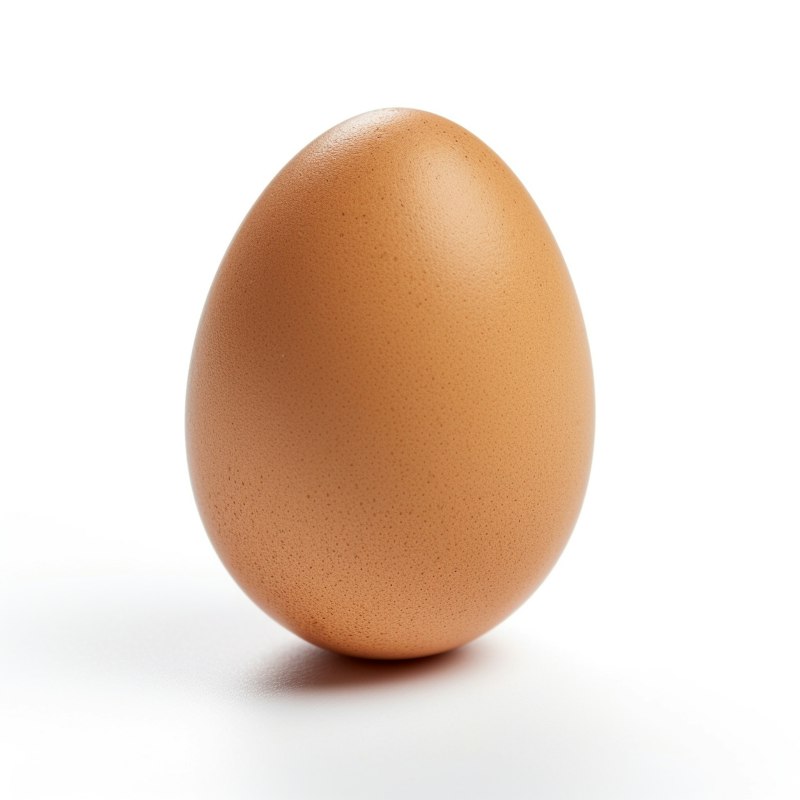
Oviparity is a fundamental and widespread biological process observed across the animal kingdom, representing a distinct mode of reproduction where the female lays eggs. These eggs contain the developing embryo, which undergoes gestation and eventually hatches outside the mother’s body. In many oviparous species, the eggs are fertilized externally by the male after being laid, although internal fertilization prior to egg-laying is also common, particularly in birds and some reptiles. This reproductive strategy contrasts sharply with viviparity, where offspring develop inside the mother and are born live, and ovoviviparity, where eggs hatch internally and live young are born.
The defining characteristic of oviparity lies in the complete independence of the embryonic development from the maternal physiological system once the egg has been expelled. The egg itself provides all the necessary nutrients and protective mechanisms for the growing embryo. This includes a nutrient-rich yolk, a protective albumen, and an outer shell or membrane that safeguards against physical damage, desiccation, and pathogens. The success of oviparous reproduction hinges on the egg’s ability to create a self-sustaining microcosm, allowing the delicate process of life to unfold in various environmental conditions, from aquatic habitats to terrestrial nests.
Biological Mechanisms of Egg Formation and Fertilization
The formation of an oviparous egg is a complex biological feat, commencing with oogenesis, the process by which female gametes (ova) are produced. Once fertilized, either internally or externally, the egg undergoes several stages of development. In many species, especially those with hard-shelled eggs like birds and some reptiles, the egg acquires a protective shell while still within the female’s reproductive tract. This shell, often composed of calcium carbonate or a leathery proteinaceous material (such as the chorion), is crucial for protecting the delicate embryo from mechanical stress, microbial invasion, and environmental fluctuations.
Following egg-laying, fertilization can occur either externally or internally. In species like most fish and amphibians, the female lays unfertilized eggs into the water, and the male subsequently releases sperm over them, leading to external fertilization. This method often results in a large number of eggs being produced to compensate for high mortality rates. Conversely, in species such as birds and some reptiles, fertilization is internal, with the male’s sperm fertilizing the ovum inside the female’s body before the protective layers and shell are added, and the fully formed egg is then laid. This internal fertilization often leads to higher fertilization success rates and fewer, but more protected, offspring.
Embryonic Development and Hatching
Once an egg is fertilized, the zygote embarks on a remarkable journey of embryonic development. This process begins with rapid cell division, known as cleavage, which leads to the formation of a multicellular structure. Subsequently, cells undergo differentiation, specializing into various tissues and organs through complex processes like gastrulation and organogenesis. The developing embryo relies entirely on the nutrients stored within the egg, primarily the yolk, for its growth and metabolism. The original content correctly highlights that this intricate development varies significantly depending on the species, reflecting diverse evolutionary pathways.
The egg’s protective shell plays an indispensable role throughout this developmental phase. Beyond structural integrity, the shell facilitates vital gas exchange, allowing oxygen to enter and carbon dioxide to exit, while simultaneously regulating water loss to prevent desiccation. It also helps to maintain a stable internal temperature, crucial for optimal embryonic growth, as mentioned in the original text. The final stage is hatching, where the mature embryo breaks free from the shell. This often involves the embryo absorbing internal fluids to swell and exert pressure, or using specialized structures like an egg tooth (in birds and reptiles) to rupture the shell, signifying its transition to an independent animal capable of survival and reproduction.
Diversity and Distribution Across the Animal Kingdom
Oviparity is by far the most prevalent reproductive strategy among animals, encompassing the vast majority of species across numerous phyla. This includes nearly all fish, amphibians, reptiles, and birds, as well as insects, arachnids, mollusks, and monotremes (egg-laying mammals like the platypus and echidna). The diversity in oviparous reproduction is astounding, ranging from the thousands of tiny, gelatinous eggs laid by some fish and amphibians to the relatively few, large, hard-shelled eggs produced by birds and crocodiles, which often receive extensive parental care.
Variations extend to where eggs are laid and the level of parental investment. Many aquatic species simply release their eggs into the water column or attach them to substrates, relying on sheer numbers for offspring survival. Terrestrial species, however, often exhibit more elaborate egg-laying behaviors, such as burying eggs in soil or sand (turtles), constructing nests (birds, some fish), or carrying eggs externally (some insects, spiders). These strategies reflect adaptations to specific environmental pressures, aiming to protect the vulnerable eggs from predation, extreme temperatures, and desiccation, thereby maximizing the chances of successful hatching and offspring survival.
Historical Understanding of Reproductive Processes
The observation of egg-laying animals dates back to antiquity, with early naturalists like Aristotle (384–322 BCE) meticulously documenting various forms of animal reproduction in his work “History of Animals.” While ancient cultures understood the superficial aspects of oviparity, such as the act of laying eggs and the subsequent emergence of young, the intricate biological mechanisms of fertilization and embryonic development remained largely a mystery. Early theories often involved spontaneous generation or mystical explanations, lacking a scientific understanding of cellular processes or the role of genetic material.
Significant advancements in understanding oviparity began to emerge with the advent of microscopy in the 17th century. Scientists like Antonie van Leeuwenhoek observed sperm, and later, Marcello Malpighi made detailed observations of chick development within the egg, initiating the field of embryology. Over subsequent centuries, particularly the 18th and 19th centuries, researchers delved deeper into the stages of embryonic growth, cell division, and differentiation, gradually unraveling the complex physiological events that transform a fertilized egg into a complete organism. These foundational studies laid the groundwork for modern developmental biology and our current comprehensive understanding of oviparous reproduction.
A Practical Example: Avian Oviparity
To illustrate oviparity in a relatable context, consider the common domestic chicken, a quintessential example of an oviparous animal. The reproductive cycle begins with courtship and mating, during which the rooster fertilizes the hen’s ovum internally. This internal fertilization occurs within the hen’s oviduct. As the fertilized ovum travels down the oviduct, layers of albumen (egg white), shell membranes, and finally, the hard calcium carbonate shell are progressively added, forming the complete egg. This entire process, from fertilization to the laying of a fully formed egg, typically takes about 24-26 hours.
Once the egg is laid, the hen’s physiological role in development ceases, much like the original text indicates. For the embryo to develop successfully, the egg requires a consistent period of incubation, typically around 21 days for a chicken, during which it must be kept at a stable temperature and humidity. The hen often provides this by sitting on the eggs, demonstrating parental care. Inside the egg, the embryo undergoes rapid cell division, tissue differentiation, and organogenesis, fueled by the yolk. As development progresses, the chick forms, eventually utilizing an egg tooth to peck its way out of the shell, emerging as a fully formed, mobile hatchling capable of independent survival, though still requiring maternal guidance.
Evolutionary Significance and Ecological Impact
Oviparity holds immense evolutionary significance, having allowed countless species to diversify and thrive across nearly every ecosystem on Earth. One of its primary advantages is the potential for high fecundity, meaning the production of a large number of offspring. By investing less energy in gestating young internally, females can allocate more resources to producing numerous eggs, increasing the statistical likelihood that some offspring will survive to reproductive age, thereby countering high rates of predation or environmental mortality. This strategy is particularly successful in unstable or unpredictable environments where rapid population recovery is crucial.
Furthermore, oviparity offers significant ecological benefits, including reduced maternal burden post-laying and broader dispersal capabilities. Once eggs are laid, the female is free to forage, migrate, or prepare for subsequent reproductive cycles, often without the physiological strain of carrying developing young. Eggs can also be laid in diverse locations, facilitating the colonization of new habitats or the exploitation of transient resources. The presence of eggs themselves contributes to ecosystem dynamics, serving as a vital food source for numerous predators, and thus influencing population structures and nutrient cycling within various ecological niches. Oviparity is a testament to the power of natural selection in shaping reproductive strategies for species’ long-term survival.
Connections to Other Reproductive Strategies and Biological Fields
Oviparity is not an isolated phenomenon but exists as part of a continuum of reproductive strategies, closely related to ovoviviparity and viviparity. While oviparity involves external egg development, ovoviviparity sees eggs developing and hatching internally, with live young being born. Viviparity, the most advanced form, involves direct maternal nourishment and live birth. These strategies are often viewed as evolutionary adaptations to different environmental pressures and parental investment trade-offs. Understanding oviparity therefore provides crucial insights into the evolution of reproductive systems as a whole and the diverse ways life has found to propagate.
The study of oviparity is central to several key biological disciplines. It forms a cornerstone of developmental biology, which investigates how organisms grow and develop from a single cell. It is equally vital to evolutionary biology, as it helps explain the diversification of species and the adaptation of reproductive traits. Furthermore, it is a core subject within zoology, contributing to our understanding of animal behavior, ecology, and physiology. Insights gained from studying oviparous species are also invaluable in conservation efforts, informing strategies for protecting endangered species and managing wildlife populations by understanding their reproductive cycles and requirements.