Oxidative Stress: Why Your Brain Ages and How to Protect It
Scientifically Reviewed · Dr. Marwa Abd-Alazim · October 22, 2026
Review Criteria & Clinical Standards
This content undergoes rigorous scientific peer-review and medical editorial standards at Arab Psychology Network to ensure clinical accuracy, validity, and compliance with evidence-based guidelines from leading psychological and healthcare authorities (APA / WHO).
The Core Definition: Oxidation and Its Biological Significance
Oxidation, fundamentally, is a chemical reaction involving the loss of electrons from a molecule, atom, or ion, or alternatively, the reaction of a compound with oxygen. This process is ubiquitous in biological systems, serving as the necessary engine for energy production within cells, particularly through mitochondrial respiration. Within the context of pharmacology and toxicology, oxidation is a typical mechanism of Phase I metabolism, wherein drugs or xenobiotics are made to be more polar, often by the addition of an oxygen atom. This critical process frequently occurs through the action of specialized liver enzymes, such as the diverse family of Cytochrome P450 enzymes, facilitating the body’s ability to detoxify and excrete foreign substances.
However, while controlled oxidation is essential for life, unchecked or excessive oxidative activity leads to a state known as oxidative stress. Oxidative stress occurs when there is a critical imbalance between the production of highly reactive, oxygen-containing molecules—known as Reactive Oxygen Species (ROS) or free radicals—and the body’s ability to neutralize them through antioxidant defenses. These free radicals possess unpaired electrons, making them highly unstable and eager to steal electrons from stable cellular components, leading to damage to lipids, proteins, and DNA. In psychology, the concept shifts from a purely chemical definition to a pathophysiological mechanism underlying neurobiological deterioration, stress response, and vulnerability to psychological disorders.
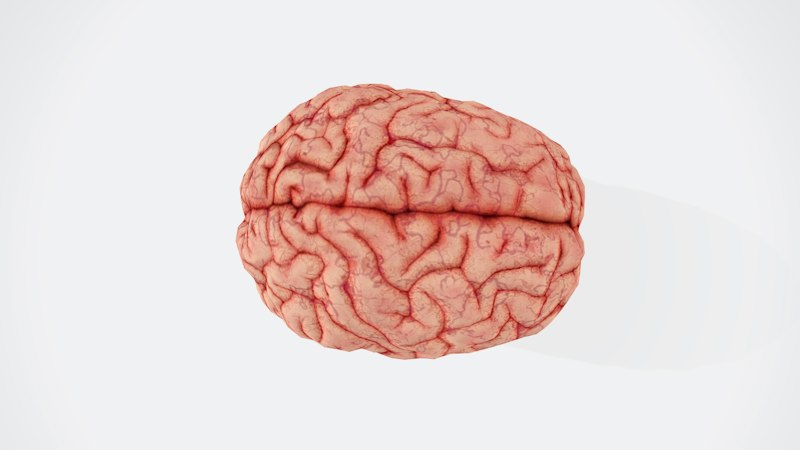
The brain is particularly vulnerable to oxidative stress for several reasons, making this concept highly relevant to biological psychology. First, the central nervous system consumes a disproportionately high amount of oxygen relative to its mass due to the constant energy demands of neural communication and maintenance of electrochemical gradients. Second, the brain is rich in polyunsaturated fatty acids, which are highly susceptible to lipid peroxidation by free radicals. Third, the brain has relatively lower concentrations of certain endogenous antioxidants compared to other organs. Therefore, even minor systemic imbalances can quickly translate into significant neural damage or dysfunction, impacting everything from cognitive function to mood regulation.
The Mechanism of Oxidative Stress
The generation of Reactive Oxygen Species (ROS) is a natural byproduct of cellular metabolism, particularly mitochondrial respiration. During the conversion of nutrients into adenosine triphosphate (ATP), a small percentage of oxygen molecules are incompletely reduced, forming superoxide radicals, hydrogen peroxide, and hydroxyl radicals. While cells possess sophisticated enzymatic systems, such as superoxide dismutase (SOD) and catalase, to manage these naturally occurring ROS, psychological and physical stressors can significantly overwhelm these defense mechanisms, tipping the balance toward cellular damage.
When oxidative stress becomes chronic, the resulting molecular damage interferes with normal neuronal function. For instance, damage to mitochondrial DNA impairs energy production, leading to neuronal fatigue and eventual apoptosis (programmed cell death). Furthermore, the oxidation of cellular membrane lipids disrupts the fluidity and integrity of synapses, thereby hindering effective neurotransmission. This systemic breakdown of cellular health contributes to neuroinflammation, a critical process linked to the pathology of various mental illnesses and neurodegenerative conditions. The brain attempts to repair this damage, but chronic exposure to elevated oxidative species creates a vicious cycle of inflammation and cellular breakdown that accelerates biological aging.
A key aspect of this mechanism in psychology involves the interplay between stress hormones and ROS production. Chronic psychological stress elevates glucocorticoids (like cortisol), which, while initially protective, can enhance mitochondrial ROS generation when sustained at high levels. Moreover, stress-induced changes in neurotransmitter metabolism (such as dopamine and serotonin) can also generate oxidative byproducts. For example, the metabolism of dopamine can produce quinones, which are highly reactive and contribute directly to oxidative damage, particularly in vulnerable regions like the prefrontal cortex and hippocampus—areas crucial for mood, memory, and executive function.
Historical Context: Free Radical Theory and Neuropsychology
The foundation for understanding the neurobiological relevance of oxidation stems largely from the “Free Radical Theory of Aging,” first formally proposed by Dr. Denham Harman in the mid-1950s. Harman posited that aging is caused by accumulated damage resulting from free radicals formed during normal metabolic processes. While initially focused on general physiological aging, this theory provided the framework necessary for researchers to investigate the role of free radicals in specific organ systems, including the brain. This early biochemical research established the principle that molecular damage, rather than simply wear-and-tear, drives biological decline.
The integration of oxidative concepts into mainstream neuropsychology accelerated in the late 20th and early 21st centuries, coinciding with advancements in imaging and molecular biology techniques. Researchers began observing correlations between biomarkers of oxidative damage (e.g., levels of malondialdehyde or oxidized proteins) and clinical manifestations of neurological and psychiatric conditions. This shift marked a departure from purely psychological or monoamine-focused theories of mental illness, offering a more nuanced, cell-level explanation for vulnerability. It provided a common biological pathway through which diverse environmental factors, genetics, and psychological stressors could converge to impact mental health outcomes.
Key historical milestones included post-mortem studies showing elevated oxidative damage in the brains of individuals diagnosed with schizophrenia and later, the development of the “Oxidative Stress Hypothesis” for Major Depressive Disorder (MDD). These findings solidified the idea that psychopathology is not solely a matter of neurotransmitter imbalance but also involves chronic cellular mismanagement and damage. The recognition that psychological stress directly impacts cellular aging and damage through the oxidative mechanism has been pivotal in bridging the historical gap between mind and body, placing stress response firmly within the domain of cellular biology.
Practical Example: The Stress-Aging Hypothesis
A highly relatable practical example of oxidative stress in psychology is seen in the phenomenon of accelerated aging observed in individuals exposed to chronic, unrelenting psychological stress, such as long-term caregivers for family members with severe illnesses or those in high-demand, low-control occupational environments. These individuals often exhibit physical symptoms associated with premature aging, including immune system decline and increased susceptibility to cardiovascular disease, which are often measurable at the cellular level.
The psychological principle of chronic stress translating into measurable biological damage through oxidation can be clearly demonstrated by examining telomere attrition. Telomeres are protective caps on the ends of chromosomes; their shortening is a primary biomarker of cellular aging. The unrelenting secretion of stress hormones (cortisol) acts as a catalyst, driving the oxidative engine. The step-by-step application of this principle illustrates how a psychological experience becomes a biological reality:
-
Chronic Psychological Stress Activation: The individual experiences sustained, high levels of perceived threat or demand (e.g., caregiving exhaustion), activating the hypothalamic-pituitary-adrenal (HPA) axis.
-
Glucocorticoid Flooding: Prolonged HPA activation leads to persistently high levels of cortisol circulating throughout the body and brain.
-
Mitochondrial Overdrive: High cortisol levels enhance cellular metabolism but also increase the production of Reactive Oxygen Species (ROS) in the mitochondria, overwhelming the cell’s natural defenses.
-
Oxidative Damage to DNA and Telomeres: The excessive ROS directly attacks and damages cellular structures. In the nucleus, this damage targets DNA and accelerates the rate at which telomeres shorten.
-
Accelerated Biological Aging and Psychopathology: The resulting telomere shortening and cellular senescence manifest physically as accelerated biological aging and psychologically as increased vulnerability to conditions like chronic fatigue, anxiety disorders, or depression, demonstrating the direct link between mental state and cellular oxidation.
Significance and Impact on Mental Health Research
The understanding of oxidative processes has profoundly influenced mental health research, shifting the focus from treating symptoms solely via neurotransmitter modulation to addressing the underlying cellular health and resilience of the brain. The concept provides a powerful, quantifiable biomarker for psychological disorders. Researchers can now measure specific oxidative stress markers—such as 8-hydroxy-2′-deoxyguanosine (an indicator of DNA damage) or reduced levels of endogenous antioxidants like glutathione—in blood, cerebrospinal fluid, or even post-mortem brain tissue to assess disease severity and progression.
The impact is particularly significant in the study of neurodevelopmental and neurodegenerative disorders. In conditions like Alzheimer’s disease and Parkinson’s disease, oxidative damage is recognized not merely as a consequence of pathology but as an active driver of neuronal loss. Similarly, in psychiatry, the oxidative stress hypothesis helps explain why disorders like bipolar disorder and schizophrenia, which are characterized by repeated inflammatory episodes, often exhibit patterns of accelerated aging and cognitive decline. This approach allows for the development of prediction models, identifying individuals who may be biologically vulnerable to developing psychopathology following significant environmental stress.
Furthermore, acknowledging the role of oxidation has opened entirely new avenues for therapeutic intervention. If cellular damage is key, then pharmacological and lifestyle interventions must aim not only to balance brain chemistry but also to bolster cellular defenses. This focus on neuroprotection and redox balance represents a major paradigm shift, emphasizing preventative strategies and personalized medicine based on an individual’s unique vulnerability to oxidative damage.
Therapeutic and Preventative Applications
The therapeutic applications derived from understanding oxidative stress span pharmacology, nutrition, and behavioral health. Pharmacologically, researchers are exploring novel compounds that target the pathways of ROS generation or enhance the activity of endogenous enzymatic antioxidants (e.g., SOD enhancers or Nrf2 activators). These treatments aim to stabilize the redox equilibrium, thereby protecting vulnerable neurons from ongoing damage associated with chronic psychiatric illness. Traditional psychiatric medications are also being re-evaluated for potential ancillary antioxidant properties.
Preventative strategies focus heavily on lifestyle modifications known to reduce oxidative burden. Dietary interventions, rich in exogenous antioxidants (vitamins C and E, polyphenols, omega-3 fatty acids), are recommended to help neutralize free radicals before they cause significant damage. Behavioral health interventions, specifically those targeting chronic stress management (e.g., mindfulness, regular moderate exercise), are crucial because they reduce the HPA axis activation that drives systemic oxidative output. Exercise, for instance, initially increases ROS production but ultimately triggers a compensatory upregulation of the body’s natural antioxidant defenses, leading to increased cellular resilience over time.
The successful application of these strategies relies on measuring an individual’s unique oxidative profile. Personalized medicine approaches now consider genetic polymorphisms in antioxidant enzymes, dietary habits, and stress exposure to create tailored interventions. For patients with diagnoses linked to high oxidative load, such as treatment-resistant Major Depressive Disorder (MDD), combining standard treatment with targeted nutritional supplements or specialized exercise regimens focused on reducing inflammation and oxidation has shown promising results in clinical trials, emphasizing the therapeutic power of cellular protection.
Connections to Related Psychological Concepts
Oxidative processes and the resulting oxidative stress are inextricably linked to several major concepts across psychology, primarily residing within the subfield of Biological Psychology (or Biopsychology). This framework provides a cellular mechanism for concepts studied in Health Psychology and Stress Psychology.
One key connection is to Allostatic Load. Allostasis refers to the body’s process of achieving stability (homeostasis) through physiological change, and allostatic load is the cumulative wear-and-tear on the body systems that results from chronic overactivity or underactivity of stress response mediators. Oxidative stress is arguably the most fundamental molecular manifestation of allostatic load. The chronic activation of stress systems leads directly to mitochondrial dysfunction and ROS production, providing a measurable biological signature of the load placed upon the system by psychological factors.
Furthermore, oxidative stress is closely related to Neuroinflammation. Free radicals are potent triggers for immune responses within the brain, activating glial cells (microglia and astrocytes). These activated cells release pro-inflammatory cytokines, which in turn exacerbate oxidative damage, creating a self-sustaining cycle of cellular destruction. This connection is vital, as the neuroinflammatory theory of depression and other psychiatric disorders is one of the most active areas of current psychological research. Understanding oxidation is crucial for understanding how psychological states translate into physical inflammatory responses that damage neural circuits.
-
Allostatic Load: Oxidative damage serves as the cellular metric for accumulated wear-and-tear caused by chronic stress mediators.
-
Neuroinflammation: ROS directly trigger the activation of immune cells in the brain, driving the inflammatory cycle that underpins many psychiatric and neurodegenerative conditions.
-
Cognitive Aging: Uncontrolled oxidation is a primary molecular driver of age-related cognitive decline, impacting memory, processing speed, and executive function.
-
Biomarker Research: The ability to measure the balance between oxidation and reduction (the redox state) provides essential, objective biomarkers for diagnosing and tracking the progression of biologically based mental disorders.