Peduncular Hallucinosis: When the Brain Rewrites Reality
Scientifically Reviewed · Dr. Marwa Abd-Alazim · September 5, 2026
Review Criteria & Clinical Standards
This content undergoes rigorous scientific peer-review and medical editorial standards at Arab Psychology Network to ensure clinical accuracy, validity, and compliance with evidence-based guidelines from leading psychological and healthcare authorities (APA / WHO).
Peduncular Hallucinosis: Definition and Core Characteristics
Peduncular Hallucinosis (PH) is a rare but highly distinctive neurological syndrome characterized primarily by recurrent, often vivid, and complex optical hallucinations. These phenomena arise from specific pathological processes impacting the upper regions of the brainstem, which subsequently disrupt the intricate function of the central visual system. Unlike the typically amorphous or elementary visual disturbances seen in some neurological conditions, the hallucinations associated with PH are renowned for their intricate detail, scenic quality, and dramatic presentation, often resembling fully formed scenes or narratives. The classification of PH as a distinct entity emphasizes its origin in deep brain structures, differentiating it from hallucinations stemming from cortical or peripheral ocular pathologies, thus highlighting the critical role of the brainstem in modulating visual perception and consciousness.
The hallmark characteristic of this condition is the repetitive nature of the visual disturbances. Patients often report seeing elaborate panoramas featuring complex figures, detailed environments, and dynamic events, frequently drawn from their personal memories or past life experiences. This autobiographical flavor adds a unique psychological dimension to the neurological disorder. Critically, although the visual content is rich and emotionally resonant, the patient typically maintains full insight into the unreality of the perceptions. This preserved critical awareness, where the individual acknowledges the hallucination while experiencing it vividly, is a crucial diagnostic differentiator distinguishing PH from psychotic disorders, where insight is generally impaired or absent. The hallucinations are perceived as external to the patient, superimposed upon reality rather than integrated within it, reinforcing the neurological rather than psychiatric etiology.
Furthermore, PH is not solely defined by visual phenomena; it is often accompanied by a constellation of associated symptoms that reflect the widespread functional disruption within the upper brainstem and adjacent diencephalic structures. Common clinical correlates include significant disturbances in the sleep-wake cycle, such as severe insomnia or hypersomnia, and marked psychomotor agitation, reflecting involvement of the reticular activating system (RAS). The complexity of PH mandates a thorough neurological investigation to pinpoint the underlying etiology, which most frequently involves vascular lesions, tumors, or inflammatory processes affecting the midbrain and surrounding structures. Recognizing the specific presentation of PH is vital for accurate diagnosis and the initiation of targeted management strategies aimed at stabilizing the underlying pathology and mitigating the distressing perceptual experiences.
Etiology and Pathophysiology of Brainstem Involvement
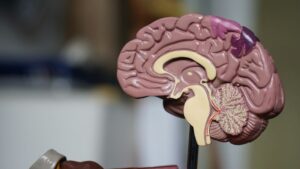
The fundamental cause of Peduncular Hallucinosis lies in damage to the upper brainstem, specifically involving the midbrain (mesencephalon) and sometimes extending into the thalamus and pons. The brainstem houses crucial nuclei and fiber tracts responsible for visual processing, consciousness, and ocular movement, and lesions in this compact area can produce profound neurological deficits. The primary mechanism involves the disruption of ascending and descending pathways that link the visual cortex (occipital lobe) and associative visual areas with subcortical structures responsible for gating and integrating sensory information. When these regulatory circuits are damaged, particularly those involving the reticular formation and the thalamocortical loops, the visual system may become pathologically disinhibited, leading to the spontaneous generation of internally sourced visual imagery projected externally, thereby indirectly impacting the central visual system.
Vascular events, such as ischemic strokes or hemorrhages affecting the territory supplied by the posterior cerebral artery (PCA) or its penetrating branches, represent the most common etiology for PH. The paramedian midbrain, which includes structures like the cerebral peduncles and the tegmentum, is highly vulnerable to these vascular insults. Damage here can affect the integrity of the geniculocalcarine pathway or interrupt the flow of information through the superior colliculus and the pulvinar nucleus of the thalamus, both of which are critical for attention and visual integration. The resultant functional imbalance often mimics a state of heightened visual processing or dreaming consciousness intruding upon wakefulness. This explains why the hallucinations are often so vivid, complex, and sometimes bizarre, mirroring the characteristics of rapid eye movement (REM) sleep imagery.
Beyond vascular causes, other pathological procedures can precipitate PH. These include primary or metastatic tumors compressing or infiltrating the midbrain, demyelinating diseases such as multiple sclerosis affecting brainstem tracts, and inflammatory conditions or abscesses. Regardless of the precise pathology, the critical neuroanatomical element is the indirect impact upon the central visual system. It is hypothesized that the disruption of inhibitory feedback mechanisms, particularly those involving serotonergic and dopaminergic pathways that modulate visual processing, allows for the unchecked activation of visual memory centers, resulting in the projected hallucinatory content. Understanding the specific location and nature of the lesion is paramount for guiding treatment, as addressing the underlying cause offers the best chance for symptom resolution.
Clinical Characteristics: Scenic, Complex, and Autobiographical Hallucinations
The visual experiences in Peduncular Hallucinosis are distinguished by their extraordinary complexity and detailed structure, often described as “scenic” or “panoramic.” Unlike elementary hallucinations, which involve simple forms such as flashing lights (photopsias) or geometric shapes, PH involves formed hallucinations (or figural hallucinations). Patients report seeing complete scenarios, including detailed landscapes, intricate architecture, moving vehicles, and, most commonly, fully formed, recognizable individuals. These figures are often perceived in natural size, full color, and realistic motion, giving the experience the quality of watching a highly realistic, albeit nonsensical, film. The visual field affected can vary, sometimes involving only a segment of the visual field (hemianopia) corresponding to the lesion, but often presenting as full-field, binocular visions.
A fascinating and frequently reported aspect of PH is the specific content of the hallucinations, which often draws heavily from the patient’s past life, memories, or deeply ingrained experiences. Patients might see former colleagues, deceased relatives, or scenes from their childhood or significant life events. This autobiographical element suggests that the pathological process is activating specific long-term visual memory circuits, potentially those mediated by the ventral visual stream and its connections to the limbic system. The hallucinations are often perceived as dramatic, involving active interaction between the perceived figures or events unfolding in a sequence, rather than static images. This dynamic nature contributes significantly to the patient’s distress and the sense of intrusion upon their reality.
Importantly, the relationship between the patient and the hallucinatory figures is usually neutral or passive. The figures rarely interact directly with the patient, nor do they typically deliver verbal messages, distinguishing PH from auditory or complex visual hallucinations observed in primary psychiatric illnesses. However, the sheer persistence and vibrancy of these scenic visions can lead to significant secondary emotional responses, notably agitation, anxiety, and fear. The hallucinations tend to occur predominantly in conditions of low sensory input, such as when the patient is resting, attempting to sleep, or in a dimly lit environment, though they are not strictly limited to the twilight state, often persisting throughout full wakefulness. The lack of associated thought disorder or formal cognitive decline further reinforces the diagnosis of a localized neurological disruption rather than a global psychiatric illness.
Associated Symptoms: Agitation and Sleep Disruption
The pathology affecting the upper brainstem does not operate in isolation; the proximity of structures controlling arousal and sleep cycles ensures that Peduncular Hallucinosis is frequently accompanied by significant non-visual symptoms. Prominent among these are disturbances of the sleep-wake cycle. Patients often experience profound difficulties initiating or maintaining sleep (insomnia), or conversely, exhibit excessive daytime sleepiness (hypersomnia), depending on the precise nature and extent of the lesion involving the Reticular Activating System (RAS) located in the brainstem tegmentum. Damage to this area disrupts the essential neurological scaffolding required for the appropriate cyclical transition between wakefulness and sleep stages, leading to a fragmented and non-restorative sleep pattern.
The link between PH and sleep physiology is particularly compelling, given that the hallucinations themselves bear a strong resemblance to dream imagery. It is hypothesized that the brainstem lesion may lead to a dissociation of REM sleep components, where the vivid visual imagery characteristic of dreaming intrudes upon the waking state. This intrusion is thought to be mediated by the structures in the midbrain and upper pons that regulate REM sleep atonia and the generation of PGO (Ponto-Geniculo-Occipital) waves. The failure of the normal inhibition mechanisms during wakefulness allows dream-like content to be consciously perceived, blurring the lines between the sleeping and waking brain and greatly contributing to the patient’s overall disorientation and fatigue. These are often categorized as severe sleep disruptions.
Furthermore, significant psychomotor agitation is a common clinical feature, often stemming directly from the distressing and persistent nature of the hallucinations, but also potentially reflecting primary disinhibition of motor pathways within the brainstem. The inability to escape the vivid, repetitive visions, combined with the accompanying sleep deprivation, contributes to profound anxiety, restlessness, and emotional lability. In some cases, the pathology may also interrupt pathways responsible for emotional regulation, leading to a lower threshold for frustration and explosive behavior. Importantly, PH may also be linked with non-hallucinatory perceptions, such as illusions (misinterpretations of real stimuli) or even paresthesias (abnormal sensory experiences), further complicating the clinical picture and demanding careful differentiation from other neurocognitive syndromes.
Differential Diagnosis and Diagnostic Insight
Accurate diagnosis of Peduncular Hallucinosis requires careful differentiation from several conditions that also present with complex visual hallucinations. The most crucial distinguishing feature is the patient’s preserved insight. In PH, the patient typically recognizes the visions as unreal, an essential factor separating it from primary psychotic disorders such as schizophrenia, where the hallucinations are often integrated into a delusional framework and accepted as reality. If a patient suffering from PH states, “I see the figures, but I know they are not truly there,” this strong insight points towards a neurological rather than a primary psychiatric etiology. The patient, therefore, generally knows the hallucinations as such.
Another significant differential diagnosis is Charles Bonnet Syndrome (CBS), which also features complex visual hallucinations with preserved insight. However, CBS is typically associated with significant visual impairment or peripheral ocular disease (e.g., macular degeneration) and is thought to result from sensory deprivation leading to cortical release phenomena. PH, conversely, is rooted in deep brainstem pathology, often without profound peripheral visual loss. While the hallucinations in CBS can be scenic, they rarely possess the strong, repetitive, autobiographical content characteristic of PH, nor are they typically accompanied by the severe agitation and sleep pathology linked to brainstem dysfunction. The lack of associated psychiatric thought disorder further supports the PH diagnosis.
Differentiation must also be made from delirium and toxic-metabolic encephalopathy, where hallucinations are often accompanied by global cognitive impairment, fluctuating consciousness, and severe disorientation. While PH patients may be agitated, their level of consciousness and core cognitive function, outside of the specific perceptual disturbance, is usually maintained. Furthermore, PH must be distinguished from visual hallucinations arising from temporal lobe epilepsy, which are typically fleeting, highly stereotyped, and often preceded by an aura. The sustained, scenic, and non-stereotyped nature of PH visions, combined with clear neuroimaging evidence of upper brainstem lesions, secures the specific diagnosis of Peduncular Hallucinosis, allowing for focused neurological intervention rather than broad antipsychotic management.
Neuroanatomical Correlates and Common Lesions
The neuroanatomical substrate of Peduncular Hallucinosis centers primarily on the mesencephalon, or midbrain, particularly its anterior and paramedian structures. Lesions often involve the cerebral peduncles (hence the name), the tegmentum, and adjacent nuclei critical for visual relay. Specifically implicated structures include the substantia nigra, the red nucleus, and the medial longitudinal fasciculus (MLF), although the functional disruption of visual pathways occurs through secondary effects on the thalamus and cortex. The root cause is consistently identified as pathological procedures in the upper brainstem.
A critical pathway often interrupted is the connection between the superior colliculus—which is involved in orienting visual attention and eye movements—and the thalamic nuclei, particularly the pulvinar and the lateral geniculate nucleus (LGN). Damage to the afferent or efferent tracts running through the midbrain may lead to sensory deafferentation of the visual cortex, causing a paradoxical state of cortical hyperexcitability or “release.” This release phenomenon means that, lacking normal sensory input or regulatory feedback, the visual association areas begin to generate their own internal imagery, projecting it outwardly. This explains the extensive, dramatic, and scenic nature of the visions, which are internally generated but perceived externally.
The most common etiology remains vascular pathology, often resulting from occlusion of the perforating branches originating from the Basilar Artery or the Posterior Cerebral Artery (PCA). Specifically, paramedian thalamic and midbrain infarcts are highly correlated with PH. Beyond infarction, hemorrhages, arteriovenous malformations (AVMs), and cavernomas in this vulnerable area can also produce the characteristic symptoms. The high level of detail required for the scenic hallucinations suggests that the damage is sophisticated enough to disrupt regulatory systems without fully destroying the complex visual integration networks themselves, maintaining their capacity for elaborate image generation despite the pathological trigger.
Management Strategies and Prognosis
The primary management strategy for Peduncular Hallucinosis is addressing the underlying pathological cause, whether it involves treating an acute stroke, surgically removing or reducing a tumor, or managing an inflammatory process. Prompt and accurate etiological diagnosis through neuroimaging, typically Magnetic Resonance Imaging (MRI), is essential. However, symptomatic management is often necessary to alleviate the significant distress caused by the repetitive, vivid hallucinations, agitation, and sleep deprivation that define the syndrome.
Pharmacological intervention often focuses on modulating neurotransmitter systems believed to be involved in the generation of these visual phenomena, particularly the dopaminergic and serotonergic pathways. Atypical antipsychotics, such as quetiapine or olanzapine, are often utilized at low doses, primarily for their capacity to reduce the intensity and frequency of the hallucinations and to help manage associated agitation and sleep disruption. Because these hallucinations are neurological and not psychotic in origin, lower doses are often effective and preferred to minimize potential side effects, allowing the patient to maintain insight while reducing the burden of the visions.
Furthermore, medications aimed at improving sleep quality and reducing agitation, such as certain anticonvulsants (e.g., gabapentin) or benzodiazepines (used cautiously due to dependency risk), may be employed to stabilize the patient’s overall neurological state. The prognosis for PH is highly dependent on the nature and reversibility of the underlying brainstem lesion. If the cause is a transient or acute vascular event that stabilizes, the hallucinations may spontaneously remit or significantly lessen over time. However, if the damage is extensive or due to an aggressive, progressive pathology, PH may become chronic, requiring long-term pharmacological support and intensive psychological coping strategies to manage the enduring perceptual disturbances.
Conclusion: The Significance of Peduncular Hallucinosis
Peduncular Hallucinosis remains a critical diagnostic entity within clinical neurology, serving as a powerful demonstration of the brainstem’s profound influence over higher-order cognitive and perceptual processes. Its presentation—characterized by highly complex, scenic, often autobiographical visual hallucinations experienced with preserved insight—underscores the intricate interplay between deep brain structures and the central visual system. The syndrome’s frequent association with severe sleep disturbances and agitation further highlights the widespread functional compromise resulting from localized upper brainstem pathology.
The study of PH provides valuable insights into the neural mechanisms underlying complex visual imagery, suggesting that specific lesions can disinhibit the visual cortex, allowing internally generated memories and dream-like content to be consciously projected into the external environment. This results in the client seeing a panorama of individuals and occurrences from their past life. Recognition of this condition is paramount for clinicians, ensuring that patients receive appropriate neurodiagnostic workup and targeted symptomatic relief, distinguishing it effectively from primary psychiatric illness or other forms of visual hallucination. Ultimately, the diagnosis of Peduncular Hallucinosis directs therapeutic efforts towards managing the underlying neurological insult while offering supportive care for the highly distressing and dramatic perceptual experiences encountered by the patient.
The presence of associated symptoms, including non-hallucinatory perceptions, demands a comprehensive neurological assessment to fully characterize the extent of brainstem dysfunction. By accurately identifying the syndrome and its etiology, clinicians can provide a prognosis and therapeutic path that acknowledges the integrity of the patient’s cognitive insight while mitigating the severity of these intense, repetitive visual events.
- Example Usage Context: “He is suffering from peduncular hallucinosis, evidenced by his report of seeing vivid, repetitive scenes from his youth, yet maintaining full awareness that the visions are unreal.”