Phenotype: How Your Biology Shapes Your Mind
Scientifically Reviewed · Dr. Marwa Abd-Alazim · August 29, 2026
Review Criteria & Clinical Standards
This content undergoes rigorous scientific peer-review and medical editorial standards at Arab Psychology Network to ensure clinical accuracy, validity, and compliance with evidence-based guidelines from leading psychological and healthcare authorities (APA / WHO).
Introduction and Foundational Definition of Phenotype
The concept of phenotype serves as a fundamental pillar in genetics, biology, and psychology, representing the observable characteristics of an organism resulting from the interaction between its genetic makeup and environmental factors. Broadly defined, the phenotype encompasses all detectable traits, whether they are microscopic, such as biochemical processes and cellular structures, or macroscopic, such as morphological features like height or eye color. This collection of traits includes physiological properties, behavioral patterns, and crucially, the presence or absence of specific illnesses or disorders. Unlike the fixed nature of the genotype—the organism’s inherited genetic blueprint—the phenotype is a dynamic, evolving entity that changes throughout the lifespan in response to internal and external stimuli. It is the realization of the genetic potential, molded by developmental and ecological pressures, making it the primary subject of observation and measurement in studies concerning heredity and adaptation.
Understanding the phenotype requires moving beyond simple physical appearances. It delves into the functional aspects of an organism. For instance, the efficiency of metabolic pathways, the reaction time to a stimulus, the ability to learn a new skill, or the specific pathology defining a disease state are all components of the phenotype. These traits are ascertained by the intricate expression of the person’s genotype paired inextricably with the continuous impacts of environmental and climate-based elements. Consequently, two individuals possessing identical genetic information, such as monozygotic twins, can develop subtly or significantly different phenotypes if they are raised in disparate environments or exposed to different nutritional or social contexts. This interaction highlights why the phenotype is not merely a readout of the DNA sequence but a complex, emergent property of life.
In the context of psychological science, the phenotype is critical for behavioral genetics, which seeks to quantify the relative contributions of genes and environment to complex human behaviors and psychological traits. These psychological phenotypes include measurable characteristics such as intelligence quotient (IQ), specific personality dimensions (e.g., neuroticism), susceptibility to mood disorders (e.g., depression or schizophrenia), and cognitive processing styles. The formal, scientific definition of a phenotype must be precise and measurable to facilitate experimental study, often requiring specialized tools and techniques to observe or quantify characteristics that are not immediately visible, such as neurotransmitter levels or specific neuronal connectivity patterns. Therefore, the phenotype represents the ultimate observable output of life, providing tangible evidence of genetic inheritance and environmental influence in action.
The Relationship Between Genotype and Phenotype
The relationship between the genotype and the phenotype is foundational to modern biology, often described using the fundamental equation: Genotype + Environment = Phenotype. The genotype represents the complete set of genes inherited by an organism, providing the potential range of characteristics that can be expressed. This genetic blueprint is relatively constant throughout the life of the individual. However, the phenotype is the actualized expression of those genes, which may be modified, limited, or enhanced by external factors. It is crucial to recognize that the relationship is not always one-to-one; a single genotype can sometimes give rise to multiple phenotypes, a phenomenon known as phenotypic plasticity, while conversely, different genotypes can sometimes produce the same phenotype, known as convergence.
At the molecular level, the genotype dictates the structure of proteins, enzymes, and regulatory molecules through the processes of transcription and translation. These molecules then mediate all cellular functions, ultimately building and operating the organism. For simple, Mendelian traits—where one gene determines one trait, such as blood type—the relationship between genotype and phenotype is often highly predictable. For example, a dominant allele for a certain characteristic will almost certainly result in the expression of that trait in the phenotype, regardless of typical environmental variations. However, most traits relevant to psychology and human health are polygenic, meaning they are influenced by numerous genes acting in concert, and are also highly susceptible to environmental modification.
The concept of penetrance further elucidates this complex relationship. Penetrance refers to the proportion of individuals carrying a particular genotype who actually express the associated phenotype. If a specific disease-causing gene has 100% penetrance, every individual with that genotype will manifest the disease. However, many human genes exhibit incomplete penetrance, meaning that the presence of the required genotype is necessary but insufficient to guarantee the phenotypic expression. This lack of complete penetrance is often a direct result of environmental or other genetic modifiers suppressing or preventing the full expression of the trait. Therefore, while the genotype sets the stage, the phenotype is the performance, influenced both by the script (genes) and the theater (environment).
Environmental Influence and Phenotypic Plasticity
Environmental factors play an indispensable and often underestimated role in shaping the final phenotype. The term environment is used broadly, encompassing everything external to the genetic material itself, including the prenatal environment (maternal nutrition, exposure to toxins), climate (temperature, light exposure), diet, social interactions, education, and exposure to pathogens. The degree to which a phenotype can change in response to these factors is termed phenotypic plasticity. High plasticity means the same genotype can produce widely divergent phenotypes depending on the conditions encountered, a mechanism that is particularly important for species survival and adaptation in variable habitats.
One of the most powerful concepts describing environmental influence is the norm of reaction, which is a graphical representation illustrating the range of phenotypes that can be produced by a single genotype across a range of environmental conditions. If a trait has a steep norm of reaction, it is highly plastic, meaning small changes in the environment lead to significant phenotypic changes. Conversely, if the norm of reaction is flat, the trait is highly canalized, meaning the phenotype is relatively stable and resistant to environmental perturbations. For complex psychological traits, such as resilience or general cognitive ability, the norm of reaction is typically very broad, suggesting that environmental enrichment or deprivation can drastically alter the final realized phenotype, even among individuals with similar genetic predispositions.
The timing of environmental exposure is also critical. Certain periods during development, known as critical periods, are particularly sensitive to environmental input, and the resulting phenotypic changes during these windows can be irreversible. For instance, nutritional deficits during early childhood can lead to permanent changes in brain structure and cognitive function, reflecting a permanent alteration of the developing phenotype. Moreover, the environment does not merely act as a passive modifier; organisms often actively select or create their environments, a process known as gene-environment correlation. An individual with a genetically influenced predisposition for high activity levels may seek out competitive sports environments, which then further reinforces the development of an athletic phenotype. Thus, the relationship is a reciprocal loop where genes influence the environment encountered, and the environment subsequently influences gene expression and phenotypic outcome.
Categories of Phenotypic Expression
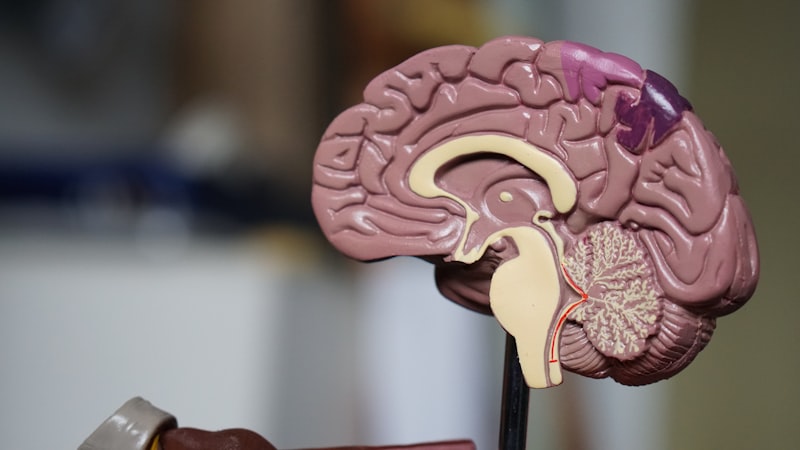
Phenotypes are typically categorized based on the biological level at which they are expressed and observed, encompassing morphological, physiological, biochemical, and behavioral traits. Morphological phenotypes refer to the physical, structural characteristics of an organism, such as body size, limb length, hair texture, bone density, or the specific shape of facial features. These are often the most immediately observable traits and are commonly used in clinical and anthropological studies. For example, the structure of the brain, including the volume of specific cortical regions, is a morphological phenotype highly relevant to psychological function, influencing areas like memory and emotional regulation.
Physiological phenotypes involve the functional and operational characteristics of the body’s systems. These include metabolic rates, hormone levels, blood pressure, immune system response efficiency, and respiratory capacity. In psychological research, physiological phenotypes often serve as objective markers for internal states. For instance, heart rate variability (HRV) or skin conductance levels can be used as physiological phenotypes reflecting stress, emotional arousal, or attentional focus. These functional phenotypes are highly sensitive to both genetic disposition and immediate environmental stressors, often fluctuating rapidly in response to context.
Finally, behavioral phenotypes are perhaps the most complex and relevant category in psychology. These encompass all observable actions and responses, ranging from simple reflexes to complex social behaviors, personality traits, and patterns of communication. Examples include levels of aggression, patterns of social affiliation, learning ability, or susceptibility to addiction. Behavioral phenotypes are usually the furthest removed from the direct action of genes, as they involve the integration of countless physiological and neurological processes modulated by learning and experience. The study of behavioral phenotypes often requires sophisticated ethological observation and standardized psychological testing to ensure reliable measurement and categorization.
Quantitative vs. Qualitative Traits
Phenotypic traits can be broadly divided into two major classes based on how they are expressed and inherited: qualitative and quantitative traits. Qualitative traits, also known as discontinuous traits, are those that fall into discrete categories, often determined by a single gene or a few genes with major effects (Mendelian inheritance). These traits are typically not influenced significantly by the environment, or if they are, the environmental impact does not blur the distinct categories. Examples include human ABO blood type (A, B, AB, or O), the presence or absence of certain genetic diseases, or the ability to roll one’s tongue. The phenotypic expression here is clear-cut, involving an “all or nothing” manifestation.
In contrast, quantitative traits, or continuous traits, exhibit a spectrum of variation within a population, often measured on a continuous scale. These traits are typically polygenic, meaning they are influenced by the additive effects of numerous genes, each contributing a small, incremental effect. Furthermore, quantitative traits are heavily influenced by environmental factors. Examples of quantitative phenotypes include height, weight, skin pigmentation, general intelligence (IQ), and most personality dimensions. The distribution of these traits in a large population often approximates a normal or bell-shaped curve, reflecting the multitude of genetic and environmental inputs.
The distinction between these two categories is vital for genetic analysis. Qualitative traits are analyzed using simple ratios and probabilities, whereas quantitative traits require sophisticated statistical methods, such as correlation analysis and variance partitioning (like twin studies), to estimate the heritability—the proportion of phenotypic variation in a population attributable to genetic differences. Most phenotypes relevant to complex human behavior and psychological health, such as susceptibility to anxiety disorders or overall cognitive function, fall squarely within the quantitative domain, making the determination of specific genetic pathways challenging due to the large number of interacting genes and environmental variables involved.
Phenotype in Behavioral Genetics and Psychology
The study of the phenotype is central to behavioral genetics, which aims to disentangle the genetic and environmental contributions to variations in behavior and psychological traits. Psychological phenotypes, as noted, are typically complex and quantitative. Key areas of investigation involve estimating the heritability of traits like intelligence, personality dimensions (e.g., the Big Five model), and psychopathology (e.g., schizophrenia, autism spectrum disorder). These studies often employ twin and adoption designs to compare the phenotypic similarity between individuals of varying degrees of genetic relatedness who share or do not share an environment. The resulting heritability estimates quantify how much of the observed phenotypic variance in a given population is due to genetic variance.
A significant challenge in psychological research is the precise definition and measurement of behavioral phenotypes. Unlike easily measurable morphological traits, behavioral traits are often latent constructs—theoretical entities that cannot be directly observed (e.g., shyness, motivation, creativity). Researchers must rely on proxies, such as standardized questionnaires, observational scales, or performance on cognitive tasks, to quantify these complex phenotypes. The reliability and validity of these measures directly impact the accuracy of genetic analyses. A poorly defined psychological phenotype may mask true genetic effects or lead to inflated estimates of environmental influence.
Furthermore, behavioral genetics explores mechanisms such as gene-environment interaction (GxE) and gene-environment correlation (rGE), which demonstrate how the environment and genes mutually influence the phenotype. GxE occurs when the effect of an environmental factor on a phenotype depends on the individual’s genotype (e.g., stress exposure only leading to depression in those with a specific risk allele). RGE describes how individuals’ genetic predispositions influence the environments they experience (e.g., a child genetically predisposed to extroversion is more likely to join clubs, thereby cultivating a more social phenotype). These interactions underscore that the psychological phenotype is the product of an ongoing, dynamic transaction, rather than a simple sum of independent genetic and environmental inputs.
Clinical Implications and Disease Phenotypes
In medicine, the concept of the disease phenotype is crucial for diagnosis, prognosis, and treatment selection. A disease phenotype is the specific set of observable signs, symptoms, biochemical markers, and pathological findings that characterize a particular illness. For simple genetic disorders, like cystic fibrosis, the genotype-phenotype correlation is often very high, meaning the presence of the genetic mutation reliably predicts a specific, narrow phenotype. However, for complex disorders, especially psychiatric conditions, the phenotype is highly heterogeneous.
For example, the diagnostic category of schizophrenia represents a broad phenotype characterized by symptoms such as hallucinations, delusions, and cognitive disorganization. Yet, two patients diagnosed with schizophrenia may have vastly different symptom profiles, disease trajectories, and underlying genetic risk factors. This phenotypic heterogeneity poses a major challenge to finding common causes and effective treatments. Consequently, clinical research often focuses on defining intermediate phenotypes, or endophenotypes, which are measurable components of a complex disease phenotype that are hypothesized to be closer to the underlying genetic mechanism.
Endophenotypes must meet specific criteria: they must be associated with the illness, heritable, stable over time, and present in non-affected family members at a higher rate than the general population. Examples of endophenotypes for schizophrenia include deficits in working memory, impaired eye-tracking movements, or specific neurophysiological responses like P300 amplitude reduction. By studying these more specific, quantifiable traits, researchers hope to simplify the complex disease phenotype, allowing for more precise linking of genetic variants to specific biological dysfunctions, which is essential for the development of personalized medicine approaches.
Epigenetics and the Dynamic Phenotype
The field of epigenetics has profoundly expanded the understanding of how the environment influences the phenotype without altering the underlying DNA sequence. Epigenetic mechanisms—such as DNA methylation and histone modification—control gene expression by determining whether a gene is turned “on” or “off.” These mechanisms are highly sensitive to environmental signals, including diet, stress, trauma, and maternal care, and they provide a direct, molecular link between external experience and phenotypic change.
The dynamic nature of the epigenetic landscape means that the phenotype is not only determined by lifetime exposures but can also be influenced by conditions experienced by previous generations, a concept known as transgenerational epigenetic inheritance. For instance, studies have shown that severe malnutrition experienced by pregnant women can induce epigenetic changes in their offspring that affect metabolic phenotypes later in life, potentially increasing the risk for obesity or diabetes. This highlights that the environment contributing to the phenotype can span multiple generations.
Epigenetic modifications are particularly important in developmental psychology and neuroscience because they help explain how early life experiences shape long-term behavioral and cognitive phenotypes. For example, variations in maternal care in early life have been linked to differential methylation patterns in genes related to stress response (like the glucocorticoid receptor gene), leading to permanent differences in anxiety levels and stress resilience—key behavioral phenotypes—in adulthood. Therefore, the phenotype is constantly being refined not just by the sequence of DNA, but by the regulatory tags placed upon that DNA in response to lived experience.
Measurement and Methodological Challenges
Accurate measurement is the cornerstone of phenotypic analysis, yet it presents significant methodological challenges, particularly for complex psychological traits. The primary difficulty lies in defining phenotypes with sufficient precision and objectivity. For a morphological trait like height, measurement is straightforward. For a behavioral trait like impulsivity, researchers must rely on composite scores from questionnaires, reaction time tasks, or behavioral observations, all of which introduce potential measurement error and subjectivity.
To mitigate these issues, researchers utilize standardized diagnostic criteria (like the DSM or ICD) and employ reliable psychometric instruments. However, even with standardization, the context of measurement can affect the outcome. A person’s performance on a cognitive task (a cognitive phenotype) may vary significantly based on their level of fatigue, motivation, or testing environment. This variability necessitates repeated measurements and the use of sophisticated statistical models to separate true phenotypic variance from measurement noise.
Furthermore, as genetic research moves toward identifying the specific molecular pathways underlying complex traits, there is a growing need for intermediate phenotypes that bridge the gap between genes and behavior. This involves the use of high-throughput technologies, such as neuroimaging (fMRI, EEG) and ‘-omics’ approaches (proteomics, metabolomics), to capture detailed physiological and biochemical phenotypes. The challenge here is data integration: synthesizing vast amounts of molecular, physiological, and behavioral data across different scales to construct a comprehensive model of the dynamic phenotype and its determination by genetic and environmental factors. The ultimate goal remains the precise, quantifiable definition of the phenotype, allowing for a robust understanding of the heritability and etiology of human traits and diseases.