Biological Age: Your Body’s True Inner Clock
Scientifically Reviewed · Dr. Marwa Abd-Alazim · September 1, 2026
Review Criteria & Clinical Standards
This content undergoes rigorous scientific peer-review and medical editorial standards at Arab Psychology Network to ensure clinical accuracy, validity, and compliance with evidence-based guidelines from leading psychological and healthcare authorities (APA / WHO).
Defining Physiological Age
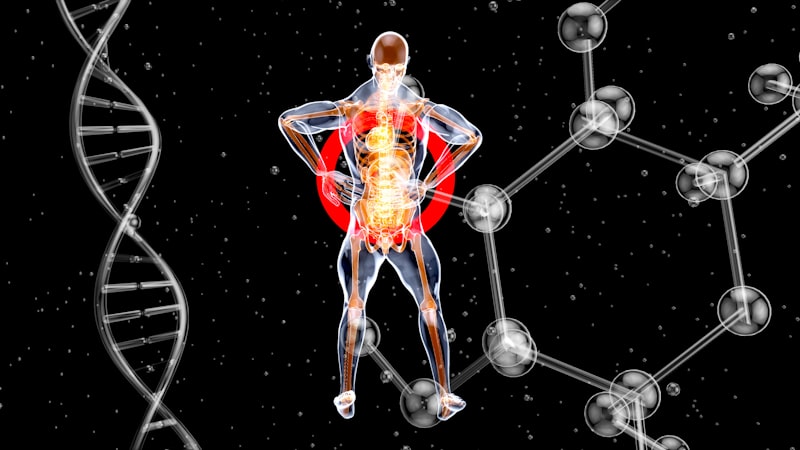
Physiological age, often termed biological age, represents a sophisticated assessment of an individual’s functional status relative to normative data for specific age groups. Unlike chronological age, which is simply the time elapsed since birth, physiological age is a dynamic metric that gauges the true degree of growth, maturation, or deterioration across multiple, interdependent body systems. This comprehensive measurement evaluates how well an individual’s organs and biological processes are functioning compared to the statistical average for their age cohort. When a clinician or researcher states, “Your physiological age is not up to par with where it should be,” they are indicating that the cumulative functional decline observed in the patient is accelerated, suggesting a biological state older or less robust than their actual years lived. This concept moves the focus of aging research beyond simple time passage toward the measurable biological reality of healthspan and functional capacity, providing a critical insight into the individual’s inherent resilience and potential longevity.
The core principle underpinning the determination of physiological age lies in the integration of numerous biomarkers reflecting the integrity and efficiency of various physiological systems, including cardiovascular, metabolic, immune, and neurocognitive functions. A lower physiological age relative to chronological age signifies a state of superior health and slower aging, implying that the organism is experiencing less functional decline and possesses greater resilience against age-related diseases and stressors. Conversely, a higher physiological age suggests accelerated aging, characterized by early onset or rapid progression of systemic dysfunction, placing the individual at heightened risk for morbidity and mortality. This detailed gauging requires sophisticated statistical models to weigh the contribution of diverse functional outputs, providing a nuanced and actionable estimate of an individual’s biological trajectory that often correlates more strongly with future health outcomes than chronological time alone.
Understanding physiological age necessitates recognizing that aging is not a uniform process; different organ systems within the same individual may age at varying rates due to genetic predispositions or localized environmental exposures. For instance, an individual might maintain excellent cardiovascular health but exhibit significant neurocognitive decline, leading to a complex mosaic of aging statuses. Therefore, the calculation of physiological age attempts to synthesize these disparate rates into a single, representative metric, offering a summary index of systemic biological health. This metric is crucial in personalized medicine, allowing interventions—be they pharmacological, dietary, or lifestyle-based—to be precisely targeted based on the identified areas of accelerated biological deterioration. It represents a paradigm shift from treating diseases associated with aging to actively managing the biological process of aging itself, aiming to compress the period of morbidity at the end of life and extend the overall healthspan.
The Disparity Between Ages
The distinction between chronological and physiological age is fundamental to modern gerontology and preventive medicine. Chronological age provides a fixed, linear timeline, whereas physiological age offers a tangible measure of biological entropy—the cumulative molecular damage, functional decline, and loss of systemic reserve accumulated over time. It is common for these two metrics to diverge significantly, highlighting why two individuals of the same chronological age can possess vastly different levels of health, vitality, and disease susceptibility. For example, a 70-year-old dedicated to lifelong physical activity and optimized nutrition might possess a physiological age of 55, indicating exceptional biological preservation and systemic integrity. Conversely, a sedentary 50-year-old with poorly managed chronic conditions, such as severe type 2 diabetes and chronic obstructive pulmonary disease, might exhibit the functional profile of a 75-year-old, underscoring the profound impact of genetics, environment, and personal behavior on the rate at which biological systems degrade.
This divergence is highly informative because chronological age often serves as a poor and misleading predictor of individual health risk, particularly in heterogeneous populations. Relying solely on chronological age for clinical decision-making can lead to inappropriate screening schedules, misjudgments regarding surgical resilience, and flawed assessments of recuperative capacity following illness or injury. The true value of physiological age lies in its ability to capture the profound heterogeneity of the aging process, reflecting the differential susceptibility to environmental and metabolic stressors and the inherent variability in cellular repair and maintenance mechanisms across individuals. Furthermore, the gap between the two ages is often used as a direct measure of successful intervention; therapeutic strategies that effectively slow or even partially reverse functional decline manifest as a reduced physiological age relative to the chronological benchmark, providing an objective and compelling measure of clinical success.
The interpretation of the age gap must also consider the context of population norms and statistical validation. Physiological age is determined by comparing an individual’s complex biomarker profile against large, longitudinal datasets derived from healthy populations across the entire lifespan. This comparison allows for the statistical quantification of deviance from the average aging trajectory. If an individual’s biological markers—such as lung capacity, cardiac output efficiency, or sophisticated epigenetic markers—cluster statistically with those typically observed in a group significantly younger, their physiological age is adjusted downward. Conversely, evidence of rapid cellular deterioration or poor functional output shifts the estimate upward. This rigorous statistical modeling ensures that the assessment of accelerated or decelerated aging is objective, standardized, and reflective of the individual’s true biological vitality and capacity for systemic resilience.
Cellular and Molecular Basis
The mechanistic foundation for the calculation of physiological age is deeply rooted in the measurable accumulation of damage dictated by the established molecular hallmarks of aging. These hallmarks—which encompass genomic instability, progressive telomere attrition, detrimental epigenetic alterations, loss of proteostasis (impaired protein folding and degradation), deregulated nutrient sensing pathways, severe mitochondrial dysfunction, accumulation of cellular senescence, exhaustion of regenerative stem cell pools, and altered intercellular communication via inflammatory signaling—do not operate in isolation but interact synergistically to drive systemic functional decline. Epigenetic clocks, particularly those leveraging changes in DNA methylation patterns (CpG sites) across the genome, are currently among the most precise methods for estimating physiological age. These methylation patterns, while highly correlated with chronological time, are also acutely sensitive to environmental stressors, chronic inflammation, and disease states, meaning they can accurately reflect the deviations caused by accelerated or decelerated biological aging processes far better than simple physical markers.
Mitochondrial function is another paramount determinant of physiological age, as these organelles are central to cellular energy production (ATP synthesis) and the critical regulation of intracellular oxidative stress. Declining mitochondrial efficiency, often manifesting as impaired bioenergetics and reduced quality control, leads to reduced cellular energy output and a substantially increased production of reactive oxygen species (ROS). This contributes significantly to the overall burden of molecular damage, driving inflammation and cellular dysfunction. A high calculated physiological age frequently correlates with significant mitochondrial impairment, particularly in high-energy-demand tissues like the brain (linked to neurodegeneration), the heart (linked to cardiovascular failure), and skeletal muscle (linked to sarcopenia). Furthermore, the accumulation of senescent cells, which are cells that have permanently exited the cell cycle but remain metabolically active, contributes profoundly to chronic low-grade, systemic inflammation, a process termed ‘inflammaging,’ which acts as a powerful accelerator of biological decline and physiological aging.
The complex interplay between genetic predisposition and environmental exposure critically modulates the rate at which these molecular deficits accumulate. While an individual’s genetic makeup might establish a baseline potential for exceptional longevity, environmental factors, particularly chronic lifestyle choices, act as powerful accelerators or decelerators of the biological aging clock. For instance, chronic psychological stress leads to sustained overactivation of the hypothalamic-pituitary-adrenal (HPA) axis, resulting in chronically elevated cortisol levels that can accelerate telomere shortening, impair DNA repair mechanisms, and suppress immune function, all factors that contribute directly to an elevated physiological age. Conversely, sustained practices such as targeted caloric restriction, intermittent fasting, or regular high-intensity exercise can significantly improve proteostasis, enhance mitochondrial biogenesis, and promote cellular autophagy, effectively mitigating molecular damage and resulting in a younger, more resilient biological profile. The measurable impact of these intrinsic and extrinsic factors on the molecular machinery of the cell forms the essential biological input for sophisticated physiological age models and informs the design of targeted anti-aging interventions.
Biomarkers and Assessment Tools
The accurate and reliable determination of physiological age necessitates the selection and integration of robust, validated biomarkers that reliably reflect functional status across multiple, essential physiological domains. These biomarkers must meet stringent scientific criteria: they must be objectively measurable, yield reproducible results, be sensitive to therapeutic interventions, and, crucially, be strongly predictive of future morbidity or mortality, capturing the essence of biological decline. Traditional clinical biomarkers often incorporated into physiological age models include metabolic parameters (e.g., fasting glucose, HbA1c, comprehensive lipid profiles, insulin sensitivity indices), markers of systemic inflammation (e.g., high-sensitivity C-reactive protein, Interleukin-6, TNF-alpha), and key hematological profiles (e.g., lymphocyte-to-neutrophil ratio, red blood cell distribution width, or RDW). However, the most comprehensive models integrate these laboratory values with objective physical performance metrics, such as maximum grip strength, standardized gait speed (a powerful predictor of frailty), and pulmonary function tests like forced expiratory volume, alongside sophisticated molecular readouts like telomere length or DNA methylation status.
Advanced computational and assessment tools have fundamentally revolutionized the calculation of physiological age, moving beyond simple linear regression. In addition to the aforementioned epigenetic clocks, researchers are increasingly utilizing transcriptomic and proteomic signatures, analyzing vast patterns of gene expression or protein abundance that are uniquely characteristic of specific biological ages and disease states. For example, machine learning and artificial intelligence algorithms are essential for processing the thousands of data points generated by multi-omic analyses, identifying subtle, non-linear patterns in blood chemistry, urinary metabolites, or complex medical imaging data that correlate with functional decline far more accurately than reliance on any single biomarker. These sophisticated algorithms typically yield a “Biological Age Index” or a similar composite score, which serves as the quantitative and statistically validated estimate of physiological age. The robustness and predictive power of these tools are constantly refined as large-scale, longitudinal studies provide richer datasets linking specific molecular profiles to long-term health outcomes.
For practical clinical application, the feasibility and cost-effectiveness of measurement are paramount. While highly detailed molecular assessments are invaluable in research settings, clinically useful tools often rely on easily accessible and routinely collected laboratory data. Examples include the popular Phenotypic Age calculators, which incorporate readily available clinical measurements such as serum creatinine, albumin levels, fasting glucose, and RDW. These calculators offer a cost-effective, rapid, and reasonably accurate approximation of physiological age that can be readily integrated into routine annual physical examinations. Regardless of the complexity of the underlying method, the ultimate goal of these diverse assessment tools remains consistent: to provide a measurable, individualized metric of the aging process that can be used to motivate health-positive lifestyle changes, predict individual vulnerability to systemic stressors, and objectively track the efficacy of therapeutic interventions aimed at slowing biological decline and extending healthspan.
Environmental and Lifestyle Determinants
Physiological age is profoundly sensitive to external influences, positioning lifestyle choices and environmental exposures as the most significant and modifiable determinants of the aging rate. Nutritional habits play a crucial and continuous role; diets characterized by high glycemic load, excessive consumption of refined sugars, processed foods, and unhealthy saturated or trans fats promote chronic systemic inflammation, induce metabolic dysfunction, and heighten oxidative stress, thereby accelerating biological aging and elevating physiological age. Conversely, dietary patterns characterized by high consumption of whole foods, fiber, antioxidants, and healthy unsaturated fats—such as the widely studied Mediterranean or DASH diets—are strongly associated with reduced inflammatory markers, improved cellular signaling pathways, and robust telomere maintenance, leading to a significantly younger biological profile. Specific nutritional strategies, such as intermittent fasting or structured time-restricted eating, have been shown to powerfully enhance cellular recycling processes like autophagy, contributing directly to biological rejuvenation and a reduced physiological age.
Physical activity is arguably the most potent non-pharmacological moderator of physiological age. Regular, structured engagement in both aerobic (cardio) and resistance (strength) exercise improves cardiovascular fitness, effectively maintains critical muscle mass (combating sarcopenia), enhances peripheral and central insulin sensitivity, and significantly reduces the accumulation of detrimental visceral fat, all of which contribute profoundly and positively to measurable biological metrics. Exercise also serves as a powerful buffer against psychological stress and dramatically improves sleep quality, which are indirect yet highly significant factors in decelerating the cellular aging clock. Conversely, chronic sedentary behavior is universally recognized as a major independent accelerator of physiological aging, substantially increasing the long-term risk of cardiovascular disease, metabolic syndrome, and cognitive decline. The protective, age-mitigating effects of exercise are often dose-dependent, meaning that higher frequency, intensity, and duration often yield greater biological benefits, helping individuals maintain a physiological age significantly below their chronological counterpart.
Beyond optimized diet and rigorous exercise, environmental stressors and psychosocial factors exert measurable and sustained pressure on the rate of biological aging. Chronic exposure to environmental pollutants, such as fine particulate matter in highly urbanized air or persistent organic pollutants, introduces significant oxidative stress and systemic inflammation, directly contributing to accelerated physiological deterioration, particularly in pulmonary and cardiovascular systems. Furthermore, psychosocial factors like chronic psychological stress (e.g., job strain, caregiver burden), social isolation, and persistent poor sleep hygiene have been robustly linked to adverse epigenetic changes, accelerated telomere shortening, and immune dysregulation. Adequate, high-quality sleep, for instance, is absolutely essential for critical restorative processes, including efficient DNA damage repair, metabolic waste clearance (glymphatic system), and hormonal regulation. Individuals suffering from chronic sleep deprivation often exhibit measurably elevated inflammatory markers and significantly higher physiological ages, demonstrating the crucial and often underestimated link between mental well-being, environmental quality, and the intrinsic biological rate of aging.
Applications in Healthspan and Longevity
The concept of physiological age holds transformative potential for modern public health initiatives and clinical longevity strategies. By precisely quantifying the gap between biological and chronological age, clinicians gain an unparalleled ability to identify individuals at exceptionally high risk for impending age-related chronic diseases—such as severe type 2 diabetes, debilitating cardiovascular disease, complex metabolic syndrome, and various forms of dementia—often years or even decades before overt symptoms become clinically apparent. This predictive capability allows for truly preemptive and personalized medical interventions. Instead of waiting for a symptomatic disease endpoint to treat, interventions can be strategically focused on decelerating the underlying biological aging process itself. This fundamental shift refocuses the goal of medicine from merely extending life (lifespan) to enhancing the quality and functional capacity of those years lived free of chronic disease (healthspan).
In clinical practice, physiological age serves as an invaluable, objective outcome measure for assessing the true effectiveness of various anti-aging therapies, pharmacological agents, and complex lifestyle modifications. For example, a patient initiating a rigorous personalized exercise regimen, adopting a major dietary change, or starting a new medication aimed at improving metabolic or cardiovascular health can have their physiological age re-evaluated after a predefined period, such as six to twelve months. If the intervention proves successful, the subsequent physiological age calculation should demonstrate a measurable reduction or stabilization of the biological clock, providing concrete, objective evidence of systemic improvement that might not yet be fully apparent in traditional, less sensitive clinical markers like blood pressure or cholesterol alone. This objective and measurable feedback mechanism can significantly enhance long-term patient compliance and intrinsic motivation, as the often intangible goal of “living longer” is replaced by the measurable, personalized achievement of “becoming biologically younger.”
Furthermore, physiological age assessments are increasingly demonstrating relevance in critical areas such as organ transplantation suitability and comprehensive geriatric assessment. When evaluating potential organ donors, physiological age offers a far more accurate metric of organ viability, functional reserve, and long-term performance than relying solely on the donor’s chronological age, ensuring that precious organs are allocated based on robust biological quality rather not merely the years lived. Similarly, in geriatric medicine, accurately understanding a patient’s physiological resilience and functional reserve is absolutely critical for determining their suitability for major elective surgery, estimating the precise risk of severe post-operative complications, and planning the required intensity and duration of rehabilitation. A patient with a low physiological age, despite advanced chronological years, is often deemed a much safer candidate for aggressive, curative treatment compared to a younger patient whose biological systems are significantly impaired, underscoring the decisive shift toward functional and biological assessments in high-stakes clinical scenarios.
Limitations and Emerging Research
Despite its immense utility and growing sophistication, the assessment of physiological age is not without significant limitations and ongoing scientific challenges. A primary limitation lies in the current lack of a universally accepted, standardized, and fully validated method for calculation. Different research groups utilize varying panels of biomarkers, employ diverse statistical models (e.g., principal component analysis, machine learning), and assign different weighting algorithms, leading to potentially divergent physiological age estimates for the same individual depending on the chosen methodology (e.g., whether the estimate is based predominantly on phenotypic markers, highly precise epigenetic patterns, or solely on telomere dynamics). While advanced epigenetic clocks offer exceptional precision, their high cost, complexity, and reliance on specialized laboratory infrastructure currently limit their widespread clinical accessibility. Developing a consensus “Gold Standard” physiological age metric that is both highly accurate, comprehensive, and widely practical for routine clinical integration remains a major, ongoing goal for future research efforts in gerontology.
Current research is actively focused on overcoming these limitations by exploring novel, highly predictive biomarkers and integrating multi-omic data—including genomics, metabolomics (analysis of small molecule metabolites), and the increasingly studied microbiome—to create even more comprehensive and biologically grounded models. For example, analyzing the composition, diversity, and functional output of the gut microbiome offers profound potential insights into systemic inflammation, immune function, and metabolic health, all of which are strongly and causally tied to the rate of biological aging. Furthermore, emerging research is shifting focus from a static measurement of age toward the dynamic concept of “pace of aging.” Longitudinal studies are tracking the rate of change in physiological age over time (e.g., quantifying how many biological years an individual accrues per chronological year lived) to better understand the true velocity of their aging process, allowing for significantly earlier and more targeted intervention long before significant, irreversible biological deterioration occurs.
Finally, addressing the complex ethical and societal implications inherent in physiological age determination is crucial for responsible implementation. While personalized aging metrics offer powerful scientific tools for health optimization and disease prevention, they also raise serious concerns regarding potential discrimination in areas like health and life insurance, as well as employment, where individuals with a perceived higher biological age might face disadvantageous treatment or increased premiums. As these assessment tools become progressively more accurate, accessible, and integrated into healthcare databases, careful consideration must be given to establishing robust regulatory and ethical frameworks that ensure these powerful metrics are used exclusively to promote public health, optimize individual well-being, and prevent disease, rather than being exploited to create new forms of biological stratification or societal inequity. The ultimate success and acceptance of physiological age as a standard clinical concept depend not only on scientific accuracy but also fundamentally on responsible, ethical implementation within the broader societal ecosystem.