Tag: body systems


FEED-FORWARD

Introduction to Feed-Forward Systems and Prediction The concept of Feed-Forward refers fundamentally to anticipatory control and predictive modeling, representing a crucial mechanism across biology, psychology, and complex systems engineering. Unlike reactive control mechanisms, which rely on error correction after a deviation has occurred, feed-forward systems utilize incoming data or established internal models to prepare for […]

Read More

INTERPERSONAL ATTRACTION

Introduction and Definition Interpersonal attraction, a cornerstone concept within social psychology, refers to the positive feelings or desires that motivate individuals to seek the company of others, ranging from simple liking and admiration to intense emotional connection and romantic love. It is not merely a cognitive construct but a deeply integrated biopsychosocial process that serves […]

Read More

PHYSIOLOGICAL AGE

Defining Physiological Age Physiological age, often termed biological age, represents a sophisticated assessment of an individual’s functional status relative to normative data for specific age groups. Unlike chronological age, which is simply the time elapsed since birth, physiological age is a dynamic metric that gauges the true degree of growth, maturation, or deterioration across multiple, […]

Read More

RESPIRATORY TYPE

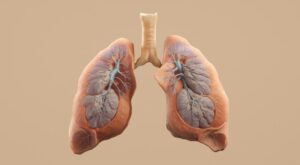
The Respiratory Type in Constitutional Psychology The Core Definition of the Respiratory Type The Respiratory Type, within the framework of historical Constitutional psychology, refers to a specific human constitution characterized by the overriding dominance and structural prominence of the circulatory system and the respiratory apparatus over the other major physiological systems of the body, such […]

Read More

SPHINCTER

The Sphincter: Psychophysiology, Development, and Clinical Implications The Core Definition: Anatomy and Psychophysiological Control The sphincter is fundamentally defined as a circular muscle structure found ubiquitously throughout the body, primarily responsible for regulating the passage of substances through various orifices and tracts. Anatomically, these muscles are crucial components of the gastrointestinal, urinary, and reproductive systems, […]

Read More