Respiratory Type: Unlock Your Physiological Potential
Scientifically Reviewed · Dr. Marwa Abd-Alazim · October 24, 2026
Review Criteria & Clinical Standards
This content undergoes rigorous scientific peer-review and medical editorial standards at Arab Psychology Network to ensure clinical accuracy, validity, and compliance with evidence-based guidelines from leading psychological and healthcare authorities (APA / WHO).
The Core Definition of the Respiratory Type
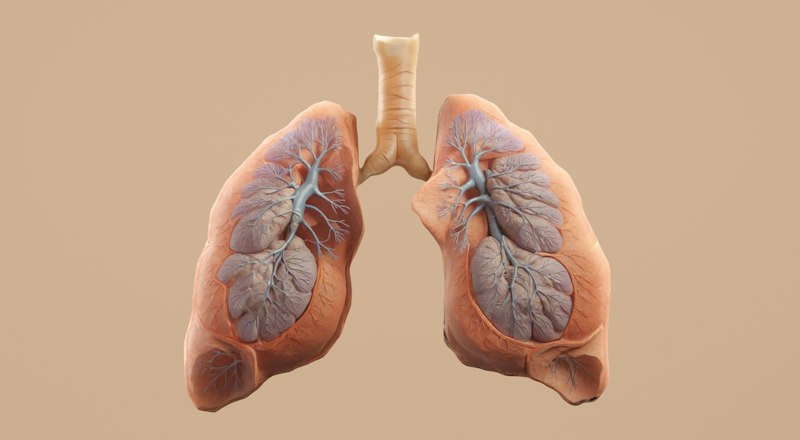
The Respiratory Type, within the framework of historical Constitutional psychology, refers to a specific human constitution characterized by the overriding dominance and structural prominence of the circulatory system and the respiratory apparatus over the other major physiological systems of the body, such as the digestive, muscular, or nervous systems. This dominance is not merely functional but is often reflected in specific physical traits, leading to a recognized pattern of morphology. Essentially, the Respiratory Type posits that an individual’s physiological equilibrium is heavily weighted toward efficient oxygen processing and distribution, shaping not only their physical appearance but also influencing their inherent vitality and behavioral tendencies. This concept is foundational to understanding older systems of human classification that sought to link physical structure directly with psychological characteristics.
The core principle behind this classification system is the idea of systemic hypertrophy or dominance. In the case of the Respiratory Type, the lungs, thorax, and heart are considered particularly well-developed, resulting in a physical presentation often described as broad-chested and robust, capable of high oxygen consumption and sustained, energetic output. These individuals are theoretically predisposed to high levels of activity and perhaps, conversely, specific vulnerabilities related to these dominant systems. The definition distinguishes this type sharply from classifications defined by the dominance of other organ systems, such as the Digestive Type (focused on assimilation and storage) or the Muscular Type (focused on kinetic power).
It is crucial to understand that classifying someone as a Respiratory Type is a holistic endeavor, synthesizing anatomical observation with presumed physiological efficiency. This typology suggests that the functional superiority of the respiratory and circulatory systems drives the overall metabolic rate and energy profile of the individual. Consequently, these types are often viewed as possessing a distinct energy reserve and a potential for sustained alertness, which historical typologists then correlated with specific aspects of temperament and character, linking the physical infrastructure directly to personality traits and psychological dispositions.
Historical Foundations: The Rostan Classification System
The concept of the Respiratory Type is most prominently associated with the 19th-century French physician and physiologist, Léon Rostan (1774–1866). Rostan was a key figure in the development of constitutional medicine, which sought to classify human beings based on inherent physical and physiological structures, believing these constitutions dictated susceptibility to disease and psychological makeup. Rostan’s classifications, often referred to as Rostan Types or constitutional types, aimed to move beyond the ancient humoral theories while still maintaining a systematic approach to classifying the human body based on dominant organ systems. His work paved the way for later, more formalized systems of Somatotype analysis, such as those developed by Kretschmer and Sheldon.
Rostan’s system typically recognized several fundamental constitutions, including the Reproductive Type, the Digestive Type, the Muscular Type, and crucially, the Respiratory Type. The historical context of this development lay in the burgeoning scientific interest of the 19th century to standardize medical diagnosis and prognosis. By identifying a patient’s core constitutional type, physicians believed they could predict potential health issues and tailor treatments more effectively. The Respiratory Type was theorized to emerge when the organs responsible for life’s vital exchange—the intake of oxygen and distribution of nutrients via the blood—showed an inherent superiority in development and function compared to, for instance, the digestive organs responsible for nutrient breakdown.
The origin of this idea was rooted in detailed anatomical observation and clinical correlation. Physicians noted that certain body frames seemed more prone to respiratory illnesses (or, conversely, highly resistant to them due to strong lung capacity) and exhibited a particular energy profile. Léon Rostan formalized these observations, providing a systematic structure that allowed for consistent categorization. His methodology involved careful measurements and an assessment of overall systemic balance, placing the dominance of the lungs and the circulatory system as the defining criteria for this specific constitution, thereby solidifying the Respiratory Type as a recognized, though now historically situated, concept within medical psychology.
Physiological Characteristics and Temperamental Correlates
Individuals classified as the Respiratory Type often exhibit specific morphological traits that reflect the dominance of their vital systems. Physically, they are commonly described as having a large, deep, and well-developed chest cavity, providing ample space for large lungs and a powerful heart. Their stature might be moderate to tall, and the overall impression is one of inherent vigor and readiness for physical exertion. The shoulders are typically broad, and the neck might be relatively long, enhancing the efficiency of the airways. The skin complexion is often perceived as ruddy or bright, reflecting efficient oxygenation and active peripheral circulation, which is symptomatic of a dominant circulatory system.
Historically, these physical characteristics were correlated with specific psychological and behavioral tendencies, forming the associated temperament. The Respiratory Type was often linked to an energetic, dynamic, and outgoing personality. Due to their robust physiological foundation, these individuals were believed to possess high levels of endurance, enthusiasm, and a tendency towards quick, decisive action. They were frequently described as intellectually alert, passionate, and highly communicative, reflecting the efficiency with which their vital systems supported intense mental and physical effort. This combination of physical robustness and mental acuity made the Respiratory Type historically associated with leadership roles and professions requiring sustained energy and quick thinking.
Furthermore, constitutionalists hypothesized that the dynamic physiological state of the Respiratory Type might predispose them to certain psychological vulnerabilities, such as impatience or restlessness, stemming from their high metabolic rate and continuous need for activity. While this system is considered outdated by modern scientific standards, it provides valuable insight into the historical attempt to create a unified theory of body and mind. The underlying assumption remains that the functional capacity of the respiratory and circulatory systems fundamentally shapes an individual’s energy expenditure patterns and, consequently, their psychological drive and emotional reactivity.
A Practical Illustration of the Constitutional Model
To illustrate the application of the Respiratory Type concept, consider a real-world scenario involving two colleagues in a demanding professional environment—one exhibiting traits of the Respiratory Type and the other, perhaps, the Digestive Type. Imagine a high-stakes, long-term project requiring both intense initial effort and sustained, high-energy engagement over several months. The individual categorized as the Respiratory Type, whom we shall call “Elias,” is noted for his broad chest, vibrant energy, and tendency to speak quickly and animatedly. He thrives on immediate challenges and possesses remarkable stamina for long working hours that involve active presentation and communication.
The application of the psychological principle manifests in Elias’s approach to the project. The theoretical dominance of his respiratory and circulatory systems translates into a high kinetic energy profile. This constitutional vigor allows him to maintain peak performance during stressful periods, recovering quickly from fatigue due to efficient oxygen uptake. He is the one who initiates brainstorming sessions, maintains the team’s morale through energetic communication, and volunteers for tasks requiring immediate, sustained physical presence or public speaking.
The step-by-step manifestation of the Respiratory Type in this example can be broken down as follows:
-
Initial Assessment: Elias’s physical constitution (broad thorax, high vitality) aligns with the Respiratory Type, suggesting a predisposition for high energy and stamina.
-
Energy Output: When faced with the demanding project schedule, Elias exhibits superior endurance compared to colleagues whose energy profiles might be slower or more focused on cerebral rumination (e.g., the Nervous Type). He is consistently ready for action.
-
Behavioral Correlates: His psychological temperament is reflected in his outgoing, decisive communication style and his preference for tasks that involve dynamic interaction, which constitutional theory links directly to his underlying physiological efficiency.
-
Stress Response: While he might be prone to impatience if progress slows, his dominant vital systems enable a quick physiological recovery from stress, ensuring he remains a reliable source of energetic input throughout the project’s duration.
This illustration underscores how historical Constitutional psychology attempted to provide a predictive framework for behavior and role suitability based solely on observable physical structure and presumed systemic dominance.
Significance and Enduring Impact on Psychological Study
The significance of the Respiratory Type and the broader Rostan classification system lies primarily in its historical contribution to the field of differential psychology. It represents an early, systematic attempt to quantify human variability and establish a scientific link between the physical body and psychological functioning. While modern psychology and biology have largely abandoned strict constitutional typologies based on dominant organ systems in favor of genetic and neuropsychological models, these historical frameworks were crucial in establishing the precedent that physical differences correlate with observable behavioral and health outcomes.
The concept’s impact is perhaps most visible as a precursor to modern Somatotype theories, such as William Sheldon’s classification of Ectomorphs, Mesomorphs, and Endomorphs. Sheldon’s system, though criticized, refined the methodology of linking body structure to temperament, borrowing the underlying philosophical premise established by earlier works like those of Léon Rostan. The enduring importance, therefore, is methodological: these typologies emphasized the need for comprehensive observation and classification, moving away from purely speculative theories of character.
Today, while no therapist or educator uses “Respiratory Type” for formal diagnosis, the underlying principle—that physiological vitality affects psychological state—remains highly relevant. Concepts related to fitness, cardiovascular health, and respiratory function are known to profoundly influence cognitive abilities, mood regulation, and energy levels. The historical idea of the Respiratory Type thus serves as a powerful reminder that the integration of the biological and psychological realms is essential. In applied settings, like sports psychology or general wellness counseling, understanding an individual’s inherent physical disposition and energy capacity (even without adhering to the outdated constitutional categories) is vital for developing effective, personalized strategies for performance and mental health.
Connections to Broader Typologies and Related Concepts
The Respiratory Type belongs firmly within the subfield of **Constitutional Psychology**, which is itself a branch of differential psychology concerned with individual differences. This subfield aims to explain variations in personality, behavior, and health based on stable, inherent physical characteristics. As mentioned, the Rostan system forms a clear lineage connecting ancient humoral theories to 20th-century somatotyping.
Specifically, the Respiratory Type is conceptually linked to several key psychological terms and theories:
-
Sheldon’s Mesomorphy: The robust, broad-chested physicality associated with the Respiratory Type bears a strong resemblance to Sheldon’s Mesomorph body type. Mesomorphs were characterized by muscular dominance and a square, strong frame, often correlating with a somatotonic temperament (assertive, energetic, risk-taking). While the Rostan model focuses on internal organ systems (lungs/heart) and Sheldon focuses on muscle/bone structure, the resulting behavioral and physical profiles share significant overlap in terms of vitality and assertiveness.
-
Galenic Humoral Theory: Although Rostan sought to modernize classification, the Respiratory Type shares traits with the historical Sanguine temperament. The Sanguine type was associated with blood dominance (reflecting the importance of the circulatory system) and was described as cheerful, active, and impulsive—qualities strongly attributed to the energetic Respiratory Type.
-
Kretschmer’s Pyknic Type: To a lesser extent, the Respiratory Type, particularly if stocky, might overlap with Kretschmer’s Pyknic type, though the Pyknic type is more strongly characterized by roundedness and potential vulnerability to manic-depressive illness. The Respiratory Type is generally defined by structural strength and efficiency in vital exchange, separating it from the purely visceral focus of the Pyknic definition.
Ultimately, the study of the Respiratory Type provides a historical anchor for understanding how psychology sought to integrate morphology into its theoretical framework. It demonstrates the persistent human interest in linking the observable, physical self with the hidden, internal workings of personality and behavior, placing it firmly within the context of early biological and Constitutional psychology studies.