Tag: body constitution


PYKNIC TYPE

Introduction and Definition of the Pyknic Type The concept of the Pyknic type represents a specific constitutional designation within the historical framework of psychological and psychiatric typology, most notably articulated by the German psychiatrist Ernst Kretschmer in the 1920s. Derived from the Greek word meaning “thick,” the Pyknic physique is characterized fundamentally by a short, […]

Read More

PHYSIQUE TYPE

The Concept of Physique Type and Constitutional Psychology The term physique type refers fundamentally to the basic physical anatomy, construction, and overall morphological structure of an individual, particularly when assessed within the historical framework of constitutional psychology. This field, prominent in the mid-20th century, sought to establish definitive correlations between inherent physical structure, known as […]

Read More

ASTHENIC TYPE

Definition and Core Characteristics The concept of the Asthenic Type, also frequently referred to as the Leptosome Type, originates primarily from early 20th-century attempts in constitutional psychology to classify human personality and predisposition based on observable physical structure. This typology posits a direct, albeit scientifically disputed, link between an individual’s somatic build and their psychological […]

Read More

ROSTAN TYPES

Introduction to Rostan Types and Constitutional Psychology The concept of Rostan Types represents a significant, though often historical, contribution to the field of constitutional psychology and somatotyping. This classification system endeavors to categorize human body types, not primarily through external measurements or purely aesthetic considerations, but through an analysis of the relative development and functional […]

Read More

RESPIRATORY TYPE

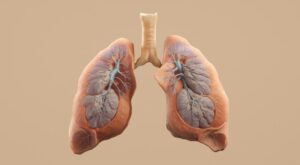
The Respiratory Type in Constitutional Psychology The Core Definition of the Respiratory Type The Respiratory Type, within the framework of historical Constitutional psychology, refers to a specific human constitution characterized by the overriding dominance and structural prominence of the circulatory system and the respiratory apparatus over the other major physiological systems of the body, such […]

Read More