Constitutional Psychology: Decoding Your Unique Body Type
Scientifically Reviewed · Dr. Marwa Abd-Alazim · August 22, 2026
Review Criteria & Clinical Standards
This content undergoes rigorous scientific peer-review and medical editorial standards at Arab Psychology Network to ensure clinical accuracy, validity, and compliance with evidence-based guidelines from leading psychological and healthcare authorities (APA / WHO).
Introduction to Rostan Types and Constitutional Psychology
The concept of Rostan Types represents a significant, though often historical, contribution to the field of constitutional psychology and somatotyping. This classification system endeavors to categorize human body types, not primarily through external measurements or purely aesthetic considerations, but through an analysis of the relative development and functional intensity of the inner makeup of the body—specifically, the major physiological systems and visceral organs. Unlike later, more empirically driven systems like those proposed by Sheldon or Kretschmer, the Rostan framework focuses heavily on the internal, hidden architecture, suggesting that the dominance of one physiological system over others dictates both physical morphology and, crucially, underlying temperament and psychological disposition. This theoretical approach sought to bridge the gap between ancient humoral theories and emerging modern biological science, offering a systematic way to link observable external traits with hypothesized internal biological realities. The goal was to establish a comprehensive framework where physical constitution was inseparable from psychological destiny, setting the stage for future explorations into the psychosomatic unity of the individual.
Constitutional psychology, as a broader discipline, operates on the foundational premise that the individual’s physical structure (soma) is deeply and causally related to their psychological functioning (psyche). Rostan Types fall squarely within this tradition, proposing that individuals can be grouped into distinct categories based on which internal apparatus—such as the nervous system, the digestive tract, or the muscular system—exerts the strongest biological influence. This focus on internal facets distinguishes it within the history of typology, moving beyond simple descriptions of physique to hypothesize about metabolic and systemic efficiencies. The enduring value of examining Rostan’s framework lies not necessarily in its scientific accuracy according to contemporary standards, but in its influence on the trajectory of somatotyping, emphasizing the need to look beneath the surface to understand the total integrated biological personality. This emphasis on internal dominance is the defining characteristic that separates Rostan’s work from purely descriptive morphological systems.
The application of this model extends beyond mere academic classification, having historically informed early attempts at understanding predisposition to certain ailments, vocational suitability, and even criminal tendencies, though such applications are viewed skeptically today. The inherent assumption is that a strong, dominant system confers characteristic strengths but also specific vulnerabilities. For instance, an individual dominated by a highly developed digestive system might possess robustness and earthiness, yet perhaps lack the refined sensitivity of a type dominated by the nervous system. Understanding these systemic imbalances, according to Rostan proponents, offered a key to understanding the entirety of the human organism. The five core types identified within this system—the cerebral, digestive, muscular, reproductive, and respiratory types—provide a detailed mapping of these hypothesized internal configurations, allowing for a multifaceted analysis of human variation.
Historical Precursors: Galenic Humoral Theory
While the specific systematic organization known as Rostan Types developed in a later historical context, the conceptual lineage traces deeply back to classical antiquity, particularly through the teachings of the Roman physician Galen. The original content notes that Galen first posited the existence of these types, a statement that requires careful historical qualification. Galen, building upon the work of Hippocrates, solidified the theory of the Four Humors—blood, phlegm, yellow bile, and black bile—which corresponded directly to four temperaments (sanguine, phlegmatic, choleric, and melancholic). Galen’s monumental contribution was establishing the foundational principle that bodily composition (the balance of humors) dictates personality and disease susceptibility. This was the first systematic linkage of physical makeup to psychological state, a concept fundamental to all subsequent constitutional typologies, including Rostan’s.
Galen’s framework posited that health was a state of humoral equilibrium, and personality types emerged from a permanent, slight imbalance favoring one humor. For example, an excess of blood led to the optimistic and robust sanguine type. Although Galen did not categorize individuals based on the dominance of the nervous system or the digestive tract in the manner of Rostan, the core intellectual leap—that inner biological forces structure the external persona—is unequivocally Galenic. Rostan’s later system can be seen as a modernization and reinterpretation of this ancient belief, replacing the abstract humors with tangible, observable (via dissection or physiology) organ systems. Thus, the link to Galen is conceptual, recognizing him as the progenitor of constitutional thought, rather than the direct architect of the five specific Rostan categories.
The transition from Galenic humors to Rostan’s physiological systems reflects the broader scientific shift that occurred between the classical era and the rise of modern anatomy and physiology. Rostan and his contemporaries sought to replace metaphysical or fluid-based explanations with classifications rooted in physical structure and function. However, the basic methodology remained consistent: identify the dominant internal force and use it to predict the individual’s overall character. This reliance on a single, dominant factor for comprehensive personality description is a hallmark shared by both the ancient humoral theories and the Rostan typology, illustrating a powerful, enduring drive in human thought to simplify complex biological variation into discrete, manageable categories. This historical context is vital for understanding why the Rostan system was developed and how it attempted to integrate classical thought with contemporary anatomical knowledge.
The Core Principles of Rostan’s Classification
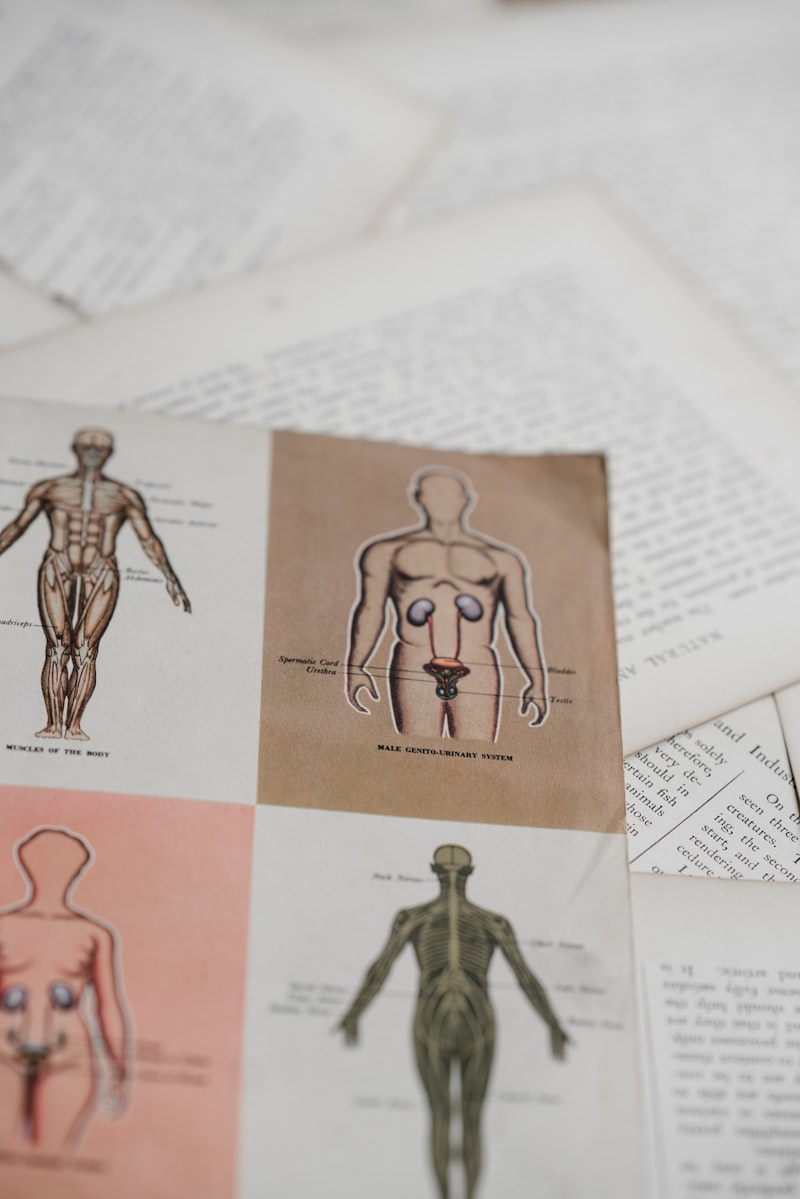
The Rostan classification system is fundamentally organized around the relative hypertrophy or functional superiority of five key internal apparatuses or systems. The central principle is that the human body’s resources are finite, and thus, the excessive development or intense functional priority given to one system necessarily reduces the dominance of others. This leads to a distinct bodily configuration and corresponding psychological profile. The key systems identified are the nervous system (associated with the cerebral type), the digestive and metabolic system (digestive type), the musculoskeletal framework (muscular type), the respiratory and circulatory capacity (respiratory type), and the endocrine and reproductive organs (reproductive type). The type designation is not based on the mere presence of these organs, but on their comparative size, efficiency, and influence on the total organism’s metabolism and energy distribution.
A second core principle involves the concept of systemic integration and energy allocation. Individuals exhibiting a Rostan Type are hypothesized to allocate disproportionate energy toward maintaining and operating their dominant system. For example, a cerebral type demands significant metabolic resources for brain function, potentially leading to a more slender physique and less robust visceral development. Conversely, a digestive type allocates energy toward maximizing nutrient absorption and storage, often resulting in a sturdier, more voluminous torso. This differential energy budgeting is seen as the mechanism by which the internal composition shapes the external form and limits the psychological strengths and weaknesses of the individual. The physical manifestation, therefore, is merely the outward sign of an internal physiological hierarchy.
The practical application of Rostan’s principles requires a deep understanding of internal morphology, necessitating a more rigorous, though ultimately subjective, assessment than simply measuring height and weight. The classification relies on observing external signs that are interpreted as proxies for internal dominance. For instance, facial features, skin texture, body fat distribution, and chest capacity are all evaluated as indicators of underlying systemic primacy. The aim is to move beyond mere anthropometry into a form of biological assessment that attempts to map fundamental physiological drives onto personality. The resulting framework, while lacking empirical precision by modern standards, provides a rich, descriptive model for understanding human variation based on hypothesized internal biological realities.
The Cerebral Type and Nervous System Dominance
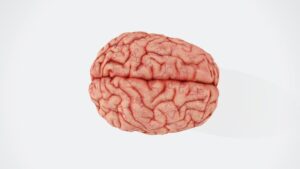
The cerebral type, according to the Rostan classification, is defined by the dominance and functional superiority of the nervous system and associated sensory apparatus. This type is characterized by a high degree of cortical activity and sensitivity, suggesting that the primary energy expenditure of the organism is channeled toward intellectual processing, perception, and reaction speed. Physically, the cerebral type is often described as having a proportionally large head and cranium relative to the rest of the body, indicating a highly developed central nervous system. The physique is typically delicate, slender, and often fragile, lacking the robustness or substantial mass of the digestive or muscular types. Limbs may be long and fine, and overall somatic development tends to be less pronounced, reflecting the prioritization of neurological over muscular or visceral growth.
Psychologically, the dominance of the nervous system translates into traits such as intense sensitivity, intellectual acuity, and a tendency towards introspection and abstraction. These individuals are often quick-witted, highly observant, and possess strong powers of concentration. However, this heightened sensitivity comes with corresponding vulnerabilities: the cerebral type may be prone to nervous exhaustion, anxiety, and a certain detachment from physical reality due to over-engagement with internal thought processes. Their metabolic rate may be described as high, often leading to difficulty in gaining weight, a physical manifestation of their continuous neurological energy consumption. Their reactions are typically swift and precise, driven by finely tuned sensory input rather than brute physical force.
In social and professional contexts, the cerebral type is theorized to excel in roles demanding mental dexterity, theoretical reasoning, and detailed analysis. They thrive in environments that reward intellectual effort and complex problem-solving. Conversely, they may struggle in situations requiring sustained physical endurance, emotional stoicism, or purely pragmatic, hands-on engagement. The defining characteristic remains the delicate balance between their powerful intellectual capacity and their physical fragility, a trade-off inherent in the dominance of the neural structure over the more resilient somatic systems. This type highlights the Rostan belief that internal functional priorities fundamentally shape the individual’s interaction with the world.
The Digestive Type and Visceral Characteristics
The digestive type is predicated on the supremacy of the visceral apparatus—the digestive, assimilative, and storage systems. This type is characterized by a highly efficient metabolic system geared toward maximizing the intake, processing, and retention of nutrients. Physically, the defining trait is the prominence of the torso, particularly the abdominal region, which appears large, deep, and voluminous relative to the limbs and head. The overall build is often robust, stocky, and characterized by substantial flesh and a tendency toward plumpness or corpulence, reflecting the efficiency of their fat-storage mechanisms. The limbs may appear relatively short and thick, and the neck tends to be short and solid, anchoring a powerful, centralized frame focused on visceral function.
Temperamentally, the dominance of the digestive system is associated with a grounded, earthy disposition. These individuals are often described as practical, hedonistic, and strongly rooted in physical comforts and sensory experiences. They possess a robust vitality, are typically good-natured, and exhibit a steady, enduring temperament, sometimes bordering on lethargy when compared to the high-strung cerebral or respiratory types. Their psychological focus is often outward, centered on immediate realities, sustenance, and material well-being. They generally exhibit slow, deliberate movements and reactions, prioritizing comfort and steady accumulation over rapid change or intense intellectual effort.
The strengths of the digestive type lie in their endurance, resilience, and capacity for sustained, repetitive effort, particularly in environments related to production and consumption. However, their reliance on visceral comfort can lead to a resistance to intellectual abstraction, a tendency toward inertia, and an overemphasis on material possessions. Historically, this type is often associated with the ancient sanguine or phlegmatic temperaments, reflecting their full-bodied, often cheerful, and sometimes placid demeanor. The digestive type serves as the antithesis of the cerebral type in the Rostan schema, representing the triumph of the visceral, material self over the abstract, neurological self.
The Muscular Type and Structural Dominance
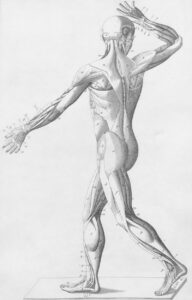
The muscular type is defined by the superior development of the musculoskeletal system, including the striated muscles, the skeletal framework, and the connective tissues that provide strength and kinetic capability. The functional priority of this type is physical action, exertion, and the capacity to impose force upon the external environment. Physically, the muscular type exhibits a square, athletic, and powerful build. The shoulders are broad, the hips are narrow, and the entire body structure is dense and angular. The muscles are well-defined, even when at rest, and the overall impression is one of kinetic potential and physical hardness. The face often appears square or rugged, and the features are typically strong and well-chiseled, reflecting the structural integrity that dominates the physique.
Psychologically, the dominance of the motor system translates into traits associated with action, decisiveness, and robustness. These individuals are typically energetic, assertive, and possess a strong will. They are often extroverted and enjoy competition, embodying a practical, results-oriented mindset. Their intelligence is frequently expressed kinesthetically or through mechanical aptitude rather than purely abstract thought. They rely on direct physical engagement to solve problems and tend to be less tolerant of ambiguity or protracted deliberation, preferring clear, decisive outcomes achieved through effort.
The primary psychological mechanism of the muscular type is control and assertion. While they possess immense stamina and physical courage, their weaknesses often lie in a potential lack of intellectual flexibility or emotional subtlety. They can be prone to impatience and may sometimes override complex social situations with sheer force of personality or physical presence. In the Rostan system, this type represents the ideal of physical efficacy, demonstrating how the prioritization of the motor apparatus shapes both the appearance and the active temperament of the individual, directing their energy outward into measurable physical accomplishments.
The Reproductive Type and Endocrine Influence
The reproductive type focuses on the powerful influence of the endocrine system, particularly the organs associated with sexual and reproductive functions, and the hormones that regulate secondary sexual characteristics and maturation. Although not always explicitly distinct in gross morphology, this type is characterized by a high degree of hormonal activity that shapes overall development and temperament. When pronounced, the physique tends toward pronounced sexual dimorphism: females exhibit strongly developed hips and breasts, and males may display marked features associated with high testosterone levels, though the exact physical manifestation can be variable and often involves a unique blend of traits from other categories, skewed by hormonal force. The key characteristic is the intensity and early maturation of the sexual functions.
Temperamentally, the reproductive type is associated with heightened emotionality, passion, and intense interpersonal drives. These individuals are often charismatic, highly engaging, and possess a strong capacity for emotional connection and display. Their energy is frequently directed toward relationships, social influence, and the pursuit of connection or progeny. They may possess a dramatic flair and exhibit mood fluctuations tied to hormonal cycles, demonstrating a deep integration of their emotional life with their endocrine state. This type is generally seen as highly vital and strongly motivated by primal drives.
The vulnerabilities of the reproductive type often involve instability and impulsivity, particularly when emotional or relational conflicts arise. Their intense focus on interpersonal dynamics can sometimes overshadow rational or pragmatic concerns. Within the Rostan framework, the reproductive type emphasizes that deep biological drivers, often unseen, can exert a controlling influence over the external presentation and behavioral patterns, demonstrating that not all constitutional factors are purely somatic or structural, but can be functional and hormonal in nature.
The Respiratory Type and Vital Capacity
The respiratory type is defined by the superior development of the respiratory and circulatory systems, emphasizing large lung capacity, efficient gaseous exchange, and a vigorous circulatory flow. This type prioritizes vital capacity and the efficient mobilization of oxygen, suggesting a high baseline level of physical energy and rapid physiological response. Physically, the respiratory type is often characterized by a prominent, deep chest and a long neck, reflecting the large volume required for enhanced lung function. The overall build tends to be slender or lightly muscular, often appearing streamlined or dynamic, optimized for aerobic efficiency rather than sheer brute strength or visceral mass.
Psychologically, the dominance of the respiratory system correlates with high energy, enthusiasm, and a restless, dynamic temperament. These individuals are often characterized by quick, shallow breaths, rapid movements, and a tendency toward optimism and restlessness. They possess a high degree of endurance for activities requiring sustained aerobic effort. They are often socially engaging and exhibit a lively, sometimes impatient, disposition, reflecting the constant internal flow and oxygenation. Their responses are immediate and energetic, driven by their ready supply of metabolic fuel.
The primary strength of the respiratory type is their boundless energy and quick recuperative powers. However, they may be prone to a lack of persistence in activities that are slow or tedious, preferring continuous movement and novelty. They may also suffer from emotional volatility due to their heightened physiological responsiveness. The respiratory type completes the Rostan pentad by highlighting how the systems responsible for immediate energy mobilization—the lungs and heart—can fundamentally shape personality, yielding an individual optimized for dynamic engagement and continuous activity.
Critical Evaluation and Legacy in Modern Typology
While the Rostan classification provides a highly detailed and internally consistent framework for linking internal anatomy to temperament, its legacy is primarily historical within modern psychology and biology. The system arose during a period when constitutional theories were highly influential, seeking universal biological explanations for human variation. However, the Rostan approach suffers from several critical limitations that preclude its acceptance in contemporary science. Foremost among these is the lack of objective, standardized measurement techniques; the determination of which internal system is “dominant” often relied on subjective interpretation of external proxies rather than verifiable physiological data. Furthermore, the theory tends toward deterministic monism, attributing the entirety of a complex personality to the single superiority of one organ system, failing to account adequately for the multifaceted influence of genetics, environment, learning, and cultural factors.
Modern somatotyping, following the statistical methodologies introduced by Sheldon (endomorphy, mesomorphy, ectomorphy), moved toward continuous scales rather than discrete categories, acknowledging that most individuals are complex blends of traits. Rostan’s five distinct types struggle to account for the vast majority of people who exhibit balanced or mixed constitutions. Contemporary biological psychology emphasizes molecular, genetic, and neurochemical explanations for temperament, rendering classifications based on gross anatomical dominance largely obsolete. Research now focuses on gene-environment interactions, brain structure function, and neurotransmitter profiles, providing far more granular and empirically supported explanations for individual differences.
Despite its limitations, the Rostan system holds historical importance as a crucial transitional theory. It successfully moved the constitutional discussion away from purely abstract humoral concepts toward a focus on tangible physiological systems—the nervous, muscular, and visceral structures. It influenced later typologists, including those who sought to correlate physique with vulnerability to mental illness or specific personality disorders. The Rostan Types remain valuable today as a cultural artifact of early attempts to systematically map the body-mind relationship, providing a rich, descriptive language for understanding constitutional differences, even if the underlying physiological causality is no longer accepted as scientifically accurate. The system represents a powerful, historical effort to impose biological order on the complexity of human life.
- See also:
- The cerebral type, characterized by nervous system dominance.
- The digestive type, characterized by visceral and metabolic dominance.
- The muscular type, characterized by musculoskeletal dominance.
- The reproductive type, characterized by endocrine and hormonal dominance.
- The respiratory type, characterized by circulatory and pulmonary dominance.