Physiological Factors: The Biology Driving Your Mind
Scientifically Reviewed · Dr. Marwa Abd-Alazim · August 31, 2026
Review Criteria & Clinical Standards
This content undergoes rigorous scientific peer-review and medical editorial standards at Arab Psychology Network to ensure clinical accuracy, validity, and compliance with evidence-based guidelines from leading psychological and healthcare authorities (APA / WHO).
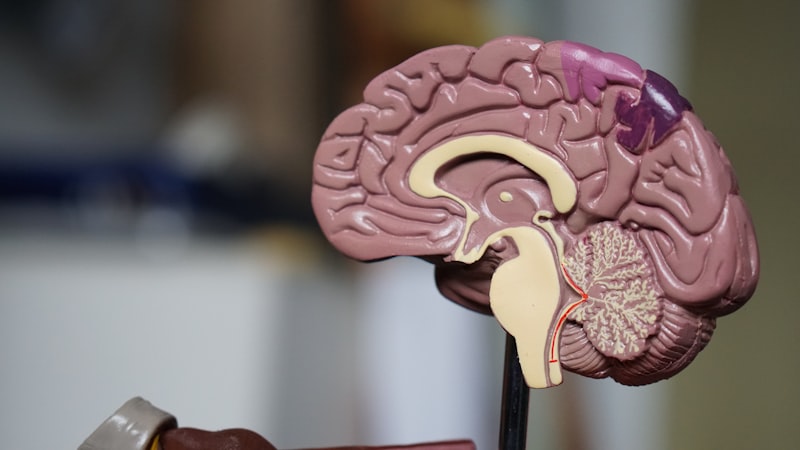
The concept of physiological factors encompasses the intrinsic physical and chemical mechanisms that govern the actions, reactions, and overall state of a living organism and its constituent parts. These factors represent the fundamental biological infrastructure—including molecular activity, cellular processes, organ system functions, and systemic integration—that underpins all psychological phenomena, from basic reflexes to complex cognitive operations. In the context of psychology, understanding these physiological underpinnings is crucial because they provide the necessary context for translating environmental stimuli into internal experience and subsequent behavioral output. The classical understanding posits that the physical and chemical procedures engaged in these acts are not merely accompanying events but are, in fact, the essential machinery determining the nature and scope of the organism’s interaction with the world.
As the foundational science connecting the physical body to the mind, physiological psychology rigorously explores how these internal mechanisms dictate psychological events. The field emphasizes the powerful realization, often captured in the quoted sentiment, that the internal biological state—the physiological factors surrounding an event—can wield a more significant influence on the ultimate outcome, interpretation, or behavioral response than the external event itself. This perspective shifts the focus from purely observable behavior to the complex, often hidden, biological processes that modulate perception, emotion, memory, and decision-making, acknowledging the organism as an integrated, dynamic system perpetually adjusting its internal chemistry and physics to maintain life and respond effectively to challenges.
Definition and Scope of Physiological Factors
Physiological factors are defined broadly as any biological variable capable of influencing or determining behavioral or mental states. This includes, but is not limited to, the activity of the nervous system, the secretion and action of hormones by the endocrine system, the metabolic rate, cardiac function, and the intricate dynamics of the immune response. These diverse mechanisms operate in a highly synchronized manner, constantly exchanging information and regulatory signals to ensure the organism’s survival and adaptation. The scope is inherently microscopic, dealing with neurotransmitter kinetics and genetic expression, yet also macroscopic, concerning itself with observable motor responses and complex patterns of social behavior, thereby bridging the gap between molecular biology and high-level behavioral science.
Crucially, the study of these factors moves beyond simple correlational observation, aiming instead to establish causal links between specific physiological states and psychological outcomes. For instance, identifying a deficiency in a particular neurotransmitter, such as serotonin, is not merely noted as a concurrent finding in depression; rather, it is investigated as a potential contributing mechanism that alters mood regulation and cognitive processing. This rigorous approach relies heavily on experimental manipulation, often involving pharmacological intervention or targeted physiological stimulation, to isolate the precise biological variables responsible for observed changes in behavior. Therefore, physiological factors serve as the ultimate biological constraint and determinant of the psychological landscape, setting the boundaries within which learning, perception, and personality can develop.
The primary challenge in studying physiological factors lies in their inherent interconnectedness; no single factor operates in isolation. A change in blood glucose levels, a seemingly simple metabolic factor, triggers hormonal releases (insulin, glucagon), which influence neural activity (affecting concentration and mood), which subsequently impacts behavioral decisions (such as seeking food or exhibiting irritability). This intricate web necessitates a systemic approach, utilizing advanced imaging and biochemical analysis techniques to track multiple variables simultaneously. The definition of physiological factors thus expands to include the dynamic interactions between these systems, recognizing that psychological health represents the successful, integrated functioning of the physical body.
The Interplay of Biology and Behavior
The transformation of internal physical and chemical procedures into external, observable acts is the central theme in the interplay between biology and behavior. Every thought, sensation, and movement begins as an electrochemical event within the nervous system. For example, the recognition of a threat initiates a cascading physiological response: the rapid depolarization of neurons in the amygdala, signaling danger; the immediate release of catecholamines (epinephrine and norepinephrine) from the adrenal medulla, preparing the body for action; and the redirection of blood flow from non-essential systems (like digestion) to skeletal muscles. This orchestrated series of events, entirely physiological, manifests externally as the flight or fight response, demonstrating how physical chemistry directly translates into behavioral choice.
Furthermore, behavioral acts are not unidirectional outputs of physiological states; they feed back into and modify those states. When an individual engages in rigorous exercise, the behavioral act triggers significant physiological changes, including increased endorphin release (affecting mood), altered muscle chemistry (leading to fatigue and repair cycles), and long-term neuroplastic changes (improving stress resilience). This reciprocal loop highlights the dynamic relationship: behavior is both a product of the internal physiological milieu and a powerful modulator of it. This principle is fundamental to therapeutic interventions, where behavioral changes, such as implementing consistent sleep hygiene or initiating mindfulness practices, are utilized specifically to induce positive, measurable physiological shifts, such as reduced cortisol levels or improved heart rate variability.
Understanding this interplay necessitates a deep appreciation of molecular signaling pathways. Genes, the blueprints for physiological processes, are constantly being expressed or suppressed in response to both internal and external cues. Environmental factors, such as diet, exposure to toxins, or chronic social stress, can lead to epigenetic modifications—changes in gene expression without altering the underlying DNA sequence. These modifications profoundly influence the synthesis of proteins, receptors, and enzymes critical for neural function, thereby linking immediate environmental experience to long-term physiological vulnerability and subsequent behavioral traits, such as propensity for risk-taking or resilience to trauma.
Key Biological Systems Involved
Three principal biological systems bear the primary responsibility for mediating physiological factors relevant to psychology: the Nervous System, the Endocrine System, and the Immune System. The Nervous System, comprising the Central Nervous System (CNS) and the Peripheral Nervous System (PNS), acts as the rapid communication and control center. The CNS processes information, integrates sensory input, and initiates motor commands, while the Autonomic Nervous System (part of the PNS) governs involuntary bodily functions critical for emotional regulation, such as respiration, heart rate, and visceral sensations. Dysregulation within the limbic system, for example, which includes structures like the hippocampus and amygdala, is directly implicated in disorders of memory, fear, and emotional processing.
The Endocrine System provides the slower, long-term regulatory control via the secretion of hormones into the bloodstream. Hormones act as chemical messengers that affect target cells throughout the body and brain. The hypothalamic-pituitary-adrenal (HPA) axis, the master regulator of the stress response, involves a complex cascade of hormones (CRH, ACTH, and cortisol) that dictate the organism’s physiological response to prolonged stress. Imbalances in thyroid hormones can severely impact mood and cognitive speed, while fluctuations in sex hormones (estrogen and testosterone) are known modulators of aggression, libido, and affective stability. The intimate functional relationship between the nervous system (neurotransmitters) and the endocrine system (hormones) means that psychological states are often the direct result of neuroendocrine equilibrium or disruption.
Increasing research emphasizes the critical role of the Immune System—the body’s defense network—as a potent physiological factor influencing behavior. The field of psychoneuroimmunology investigates the bidirectional communication pathways between the brain and the immune system. Inflammatory cytokines, signaling molecules released by immune cells, can cross the blood-brain barrier and directly influence brain function, leading to behavioral changes often referred to as “sickness behavior,” characterized by lethargy, social withdrawal, and anhedonia. Chronic psychological stress can suppress immune function, making the individual vulnerable to illness, while chronic inflammation has been linked to the pathology of major depressive disorder, indicating that physiological factors related to systemic health are inseparable from mental health.
Homeostasis and Regulatory Mechanisms
A core principle underlying the influence of physiological factors is the maintenance of homeostasis, the organism’s ability to maintain stable internal conditions necessary for survival despite changes in the external environment. Homeostasis involves sophisticated feedback loops that continuously monitor variables such as body temperature, blood pH, glucose levels, and oxygen saturation. When a variable deviates from its set point, regulatory mechanisms are immediately engaged to return the system to equilibrium. Psychological well-being is often intrinsically tied to successful physiological regulation; disruptions to vital homeostatic processes invariably manifest as psychological distress or impaired function.
Related to homeostasis is the concept of allostasis, which refers to the process of achieving stability through physiological change. Unlike the static set points of homeostasis, allostasis involves predictive changes and dynamic adjustments made by the organism to cope with anticipated or ongoing environmental demands, especially chronic stress. When the body is forced to maintain high levels of physiological activity (e.g., elevated heart rate and cortisol production) over extended periods to manage stress, this leads to an “allostatic load.” A high allostatic load signifies cumulative wear and tear on the body, contributing to physical disease and psychological conditions like chronic anxiety and burnout, clearly illustrating how sustained physiological imbalance translates into psychopathology.
Regulatory mechanisms are controlled primarily by the autonomic nervous system (ANS), divided into the sympathetic nervous system (SNS), responsible for arousal and energy mobilization, and the parasympathetic nervous system (PNS), responsible for rest and energy conservation. The balance between SNS activation and PNS withdrawal is a key physiological measure of resilience and emotional regulation. Individuals with poor capacity for PNS activation, often measured through reduced heart rate variability (HRV), demonstrate impaired ability to recover rapidly from stressors, indicating a physiological rigidity that limits behavioral flexibility and increases vulnerability to mood and anxiety disorders. Thus, the efficiency of these deep regulatory mechanisms is a fundamental physiological factor determining the quality of psychological experience.
Physiological Factors in Stress and Adaptation
The organism’s response to stress is perhaps the clearest domain where physiological factors dominate psychological outcomes. Stressors, whether physical (injury, illness) or psychological (social conflict, perceived threat), activate the aforementioned HPA axis and the Sympathomedullary Pathway (SAM). The rapid SAM response provides immediate energy bursts via adrenaline, while the slower HPA axis response involves cortisol, which mobilizes glucose and suppresses non-essential functions like digestion and inflammation. These physiological adaptations are highly beneficial in acute situations, allowing for survival and immediate defensive action.
However, when stress becomes chronic, the continuous activation of these physiological systems leads to maladaptation. Prolonged exposure to high levels of cortisol, a major physiological factor in chronic stress, begins to damage brain structures, particularly the hippocampus, leading to impaired memory function and difficulty regulating emotional responses. Furthermore, chronic stress alters the sensitivity of cortisol receptors, creating a state of hormonal resistance that paradoxically allows inflammatory processes to continue unchecked. This vicious cycle—where stress damages neural structure and impairs the ability to shut down the stress response—is a prime example of how physiological factors shift from being adaptive mechanisms to pathological drivers of mental illness.
Adaptation involves the organism’s capacity to return to baseline following a stressor. This capacity is highly individualized and depends significantly on genetic predisposition, early life experiences (which physiologically calibrate the stress response system), and current health status. Poor adaptation, or resilience failure, is defined by a prolonged physiological state of hyperarousal or hypoarousal, leading to conditions such as Post-Traumatic Stress Disorder (PTSD) or chronic fatigue. In PTSD, the physiological system remains locked in a state of threat assessment, characterized by exaggerated startle responses and high baseline sympathetic tone, demonstrating that the trauma is physically encoded and maintained through persistent physiological dysregulation.
Genetic Predisposition and Environmental Interaction
Physiological factors are intrinsically linked to an individual’s genetic makeup, yet genetics rarely act in isolation. Instead, genetic predisposition refers to the inherent biological leanings provided by one’s genotype, which influences the efficiency of neurotransmitter uptake, the density of hormonal receptors, and the baseline activity of the autonomic nervous system. Specific gene polymorphisms, such as variations in genes coding for serotonin transporters, have been studied extensively for their potential role in conferring vulnerability to depression or anxiety. However, the manifestation of this vulnerability is almost always conditional upon interaction with the environment.
The modern understanding emphasizes epigenetics, the mechanism by which environmental input modifies the expression of existing genes without changing the underlying DNA sequence. Physiological factors such as maternal care during infancy, nutritional status, and exposure to early life trauma create chemical markers on the DNA (like methylation) that determine whether certain genes are turned “on” or “off.” For example, high levels of early life stress can lead to the methylation of glucocorticoid receptor genes in the hippocampus, resulting in fewer cortisol receptors. Physiologically, this means the brain becomes less effective at signaling the HPA axis to shut down after a stressful event, leading to a lifelong physiological tendency toward hypercortisolemia and stress vulnerability.
This dynamic interplay means that physiological factors are never static; they are continuously shaped by the organism’s experience. The concept of gene-environment correlation suggests that physiological predispositions can also influence the environments an individual seeks out or responds to. For instance, an individual genetically predisposed to high novelty-seeking behavior (a physiological factor related to dopamine system activity) may actively choose environments that expose them to higher risk, further reinforcing specific physiological and behavioral patterns. Therefore, the physiological factors that influence psychological outcomes are best viewed as a continually evolving product of inherent biological architecture filtered through lived experience.
Measurement and Assessment Techniques
To rigorously study physiological factors, researchers and clinicians rely on a sophisticated array of measurement and assessment techniques that quantify biological activity. These techniques are broadly categorized into neurophysiological, biochemical, and psychophysiological methods. Neurophysiological measurements include Electroencephalography (EEG), which measures electrical activity in the brain through scalp electrodes, providing high temporal resolution for studying cognitive processing and sleep states. Functional Magnetic Resonance Imaging (fMRI) measures changes in blood flow associated with neural activity, offering high spatial resolution to localize brain regions involved in specific emotional or cognitive tasks, such as fear conditioning or moral judgment.
Biochemical assays are essential for quantifying the chemical components of physiological factors. These involve analyzing biological fluids (blood, saliva, urine, cerebrospinal fluid) for levels of hormones (e.g., cortisol, testosterone), neurotransmitter metabolites, and inflammatory markers (cytokines). Salivary cortisol measurement, for instance, is a non-invasive and highly reliable method for assessing HPA axis activity and chronic stress exposure. Genetic testing allows for the identification of specific polymorphisms that confer physiological vulnerability or resilience to certain psychological stressors, informing personalized treatment approaches.
Psychophysiological methods focus on peripheral physiological variables that reflect psychological states, providing real-time data on autonomic nervous system activity. Key measures include Heart Rate Variability (HRV), which assesses the variability in the time interval between heartbeats and serves as a proxy for parasympathetic tone and emotional regulation capacity; electrodermal activity (EDA) or skin conductance, which reflects sympathetic arousal related to anxiety or attention; and electromyography (EMG), which measures muscle tension, often used to quantify startle responses or facial expressions of emotion. The simultaneous use of these multiple modalities provides a comprehensive picture of the physiological state underlying a given psychological event.
Clinical Significance and Applications
The understanding of physiological factors is indispensable in clinical psychology and psychiatry, providing biological targets for therapeutic intervention and informing diagnostic criteria. Many major psychological disorders are now understood through the lens of physiological dysregulation. Major Depressive Disorder, for example, often correlates with physiological findings such as reduced monoamine neurotransmission (serotonin, norepinephrine, dopamine), chronic HPA axis hyperactivity, and elevated systemic inflammation, shifting the treatment paradigm toward pharmacological agents that modulate these physiological imbalances.
In Anxiety Disorders, particularly Panic Disorder, the primary physiological factors involve a hypersensitive autonomic nervous system and a potential defect in the mechanisms that govern the perception of internal bodily states (interoception). Treatments often combine cognitive restructuring with techniques aimed at physiological recalibration, such as biofeedback and controlled breathing exercises, which aim to increase the patient’s capacity for parasympathetic activation and reduce chronic sympathetic arousal. For Schizophrenia, physiological research points toward structural brain anomalies, genetic vulnerabilities affecting neural connectivity, and complex dopaminergic dysregulation, guiding the development of antipsychotic medications targeting these specific physiological pathways.
Furthermore, physiological factors are crucial in preventative medicine. By identifying individuals with high physiological risk profiles—such as chronically elevated cortisol, low HRV, or specific genetic risk factors—interventions can be implemented before the full manifestation of a psychological disorder. This focus on the physiological state allows for a move away from purely symptom-based diagnosis toward a more mechanistic, biologically informed approach to promoting mental health and treating psychopathology, underscoring the profound clinical significance of these intrinsic bodily processes.
Conclusion: Holistic View of the Organism
Physiological factors represent the essential biological reality upon which all psychological phenomena are built. They encompass the totality of physical and chemical procedures—from the firing of a single neuron to the systemic regulation of stress hormones—that enable a living organism to act, perceive, and adapt. The evidence overwhelmingly supports the initial assertion: the physiological factors surrounding events frequently determine the outcome more powerfully than the events themselves, because the organism’s internal capacity to process and respond to stimuli is fundamentally constrained by its biological state.
The advanced study of these factors demands an integrated, holistic view, recognizing the continuous, bidirectional communication between the nervous, endocrine, and immune systems. Successful psychological function is predicated on physiological integrity and the capacity for dynamic regulation (allostasis and homeostasis). Future research will continue to refine the understanding of how genetic blueprints are interpreted through epigenetic mechanisms, how environmental stress physically remodels the brain, and how precise physiological measurements can predict and inform personalized therapeutic interventions, ensuring that the biological basis remains central to the comprehensive understanding of human behavior.