Poetry Therapy: Healing Minds Through Verses
Scientifically Reviewed · Dr. Marwa Abd-Alazim · August 23, 2026
Review Criteria & Clinical Standards
This content undergoes rigorous scientific peer-review and medical editorial standards at Arab Psychology Network to ensure clinical accuracy, validity, and compliance with evidence-based guidelines from leading psychological and healthcare authorities (APA / WHO).
Definition and Scope of Poetry Therapy
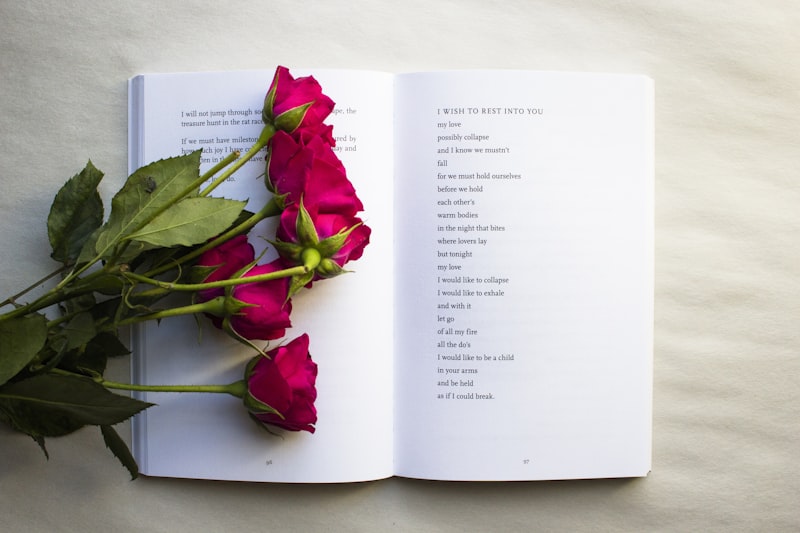
Poetry Therapy is recognized as a specialized form of bibliotherapy, which systematically applies the reading, writing, or recitation of poetry and other forms of literature to foster emotional expression, facilitate psychological healing, and promote personal growth. This therapeutic modality operates under the fundamental premise that the concentrated language, rhythm, and symbolic structure inherent in poetry provide a unique medium for accessing, processing, and integrating complex emotional material. Unlike standard talk therapy, Poetry Therapy utilizes the creative distance provided by metaphor and narrative, allowing clients to explore difficult feelings and experiences without immediately confronting them directly, thereby reducing psychological resistance and increasing engagement. This practice is deeply rooted in the understanding that poetic expression is a universal human activity crucial for meaning-making and emotional regulation, offering profound opportunities for insight into one’s own identity and behavioral patterns.
The core objective of Poetry Therapy is multifaceted, encompassing emotional catharsis, the development of self-awareness, and the enhancement of coping mechanisms. By engaging with carefully selected poetic works, clients often discover a sense of universality—the realization that their private suffering or unique experience is shared by others, including the poet, which significantly diminishes feelings of isolation. Conversely, the act of writing poetry, whether structured or free-form, serves as a powerful expressive outlet, transforming amorphous feelings into concrete, manageable language. This process often leads to what clinicians term “therapeutic distance,” where the client can safely observe their own emotional landscape reflected in the text they read or write, facilitating objective analysis and cognitive restructuring, which are vital components for sustained psychological well-being and therapeutic success.
While Poetry Therapy is the standard and most widely accepted professional term, this discipline is also frequently referred to in certain academic and clinical circles as psychopoetry. This alternative terminology emphasizes the fusion of psychological principles and poetic application, highlighting its distinct status as both an artistic and a scientific endeavor within the mental health field. Regardless of the nomenclature employed, the practice strictly requires trained facilitators—often licensed therapists or counselors who have received additional specialized certification in the therapeutic application of literature—to guide clients through the often intense emotional responses evoked by poetic material, ensuring the process remains safe, ethical, and clinically effective within the therapeutic framework established for the individual or group.
Historical Context and Evolution
The therapeutic application of literature is not a modern invention; its roots stretch back to antiquity, particularly in the Hellenic tradition where the value of tragic drama and poetic recitation was recognized for its capacity to induce catharsis—a purification or cleansing of the emotions—in the audience. Ancient libraries were often viewed as sacred spaces for the mind, and the reading of texts was considered a form of spiritual and mental hygiene. In the modern era, the formal recognition of bibliotherapy, and subsequently Poetry Therapy, began to crystallize during the early 20th century, particularly in institutional settings. Psychiatrists and nurses observed the profound positive impact that reading materials, ranging from classic literature to light verse, had on hospitalized patients, especially those recovering from trauma or suffering from mental illness. This anecdotal evidence laid the groundwork for the more systematic, professional integration of poetry into clinical practice.
Following World War II, the need for effective rehabilitation techniques for returning soldiers dealing with severe psychological trauma spurred increased experimentation with expressive arts therapies. It was during this period that key figures, such as psychiatrist Dr. Jack J. Leedy, began to formalize the practice, moving it beyond mere recreational reading into a structured therapeutic intervention. Leedy, often cited as a founding figure in American Poetry Therapy, championed the idea that poetry’s concentrated language could reach patients who were resistant to traditional verbal therapies, or whose traumatic experiences defied easy prose description. This push toward formalization necessitated the development of specific methodologies for selecting appropriate poems, crafting effective writing prompts, and ethically processing client responses, distinguishing it clearly from informal reading groups.
The professionalization of the field gained significant momentum in the latter half of the 20th century with the establishment of dedicated professional bodies. In the United States, the formation of the National Association for Poetry Therapy (NAPT) in the 1980s marked a critical milestone. This organization provided the necessary structure for setting ethical guidelines, defining core competencies, and implementing rigorous training and credentialing programs. This institutionalization ensured that practitioners were not just lovers of literature, but highly skilled mental health professionals capable of integrating literary analysis with psychological theory. The evolution has seen Poetry Therapy transition from an ancillary activity in hospitals to a recognized, evidence-based modality practiced across diverse settings, reflecting a growing appreciation for the non-linear, symbolic power of language in healing processes.
Theoretical Foundations
Poetry Therapy draws robustly from several major schools of psychological thought, integrating their principles to explain the mechanism by which poetry facilitates change. The Psychodynamic perspective finds particular resonance within this modality, emphasizing how poetic metaphor acts as a safe container for unconscious material. A client may be unable to articulate a deeply buried conflict in literal terms, but a poem—either read or written—can express the conflict symbolically. This process of projection allows the therapist and client to work with the material without triggering the ego defenses that often block insight in traditional therapy. The rhythm and sound of poetry further contribute to its psychodynamic power, potentially accessing deep memory structures and pre-verbal emotional states in a way that standard narrative language cannot.
From a Humanistic and Existential perspective, Poetry Therapy aligns perfectly with the focus on self-actualization, meaning-making, and the search for authentic selfhood. Poetry, by its very nature, demands a deep engagement with fundamental human concerns: love, loss, mortality, and identity. The expressive component encourages the client to discover and assert their unique voice, validating their subjective experience. Reading poetry that tackles existential themes helps clients confront life’s inherent ambiguities and limitations, transforming anxiety into acceptance and motivating them toward greater personal responsibility and fulfillment. Furthermore, the Humanistic focus on empathy is amplified when a client feels deeply understood by the emotion captured in a poem written by a stranger decades or centuries prior.
The application of Poetry Therapy also incorporates elements of Cognitive Behavioral Therapy (CBT), particularly in its capacity to challenge and reframe maladaptive thought patterns. Writing structured poems, such as haikus or defined verse forms, can impose discipline on chaotic thinking, helping clients organize their emotional responses into coherent narratives. Therapeutic writing prompts are often designed to target specific cognitive distortions; for instance, a prompt might require a client to write from the perspective of their younger self or their future self, providing necessary distance and allowing them to critically evaluate their current beliefs and assumptions. This structured approach leverages the linguistic precision of poetry to facilitate cognitive restructuring, making seemingly intractable problems feel more manageable and open to resolution.
Core Mechanisms of Action
One of the primary mechanisms through which Poetry Therapy operates is the strategic use of metaphor and symbolism. Human experience is often too overwhelming or nuanced to capture through literal description, especially in the context of trauma or complex grief. Poetry provides a linguistic shortcut, allowing a complex emotional landscape to be condensed into a potent image or phrase. When a client encounters a metaphor that accurately mirrors their internal state, a sudden flash of insight, known as the “Aha!” moment, often occurs. This symbolic language bypasses the critical, analytical parts of the brain that might otherwise resist painful truths, allowing the emotional core of the experience to surface safely and be processed within the therapeutic alliance.
Another powerful mechanism is the concept of aesthetic distance, often achieved through the receptive modality (reading). When a person reads a poem about loss, they are engaging with someone else’s representation of that emotion, not their own immediate, raw pain. This distance creates a buffer zone, preventing the client from becoming overwhelmed, while still allowing them to feel and examine the emotion vicariously. This psychological safety is crucial, particularly for individuals dealing with acute anxiety or post-traumatic stress, as it permits gradual exposure to difficult feelings. Over time, as the client internalizes the emotional content safely, this aesthetic distance can be reduced, leading to direct emotional integration and resolution.
Finally, the physical and auditory elements of poetry—rhythm, sound, and structure—provide a unique somatic mechanism for healing. Rhythm, meter, and rhyme schemes have been shown to have a regulatory effect on the nervous system, akin to the effect of music. Reading poetry aloud or listening to it recited can be calming and grounding, helping to stabilize mood and reduce physiological arousal often associated with stress and anxiety. Furthermore, the act of structuring one’s own chaotic experience into a formalized poetic form imposes internal order, fostering a sense of control over feelings that might otherwise feel overwhelming. This combination of cognitive structuring and rhythmic regulation enhances the client’s capacity for emotional self-management and resilience.
Techniques and Modalities
Poetry Therapy encompasses two major modalities: the receptive modality (reading and analyzing existing poetry) and the expressive modality (writing original poetry). In the receptive modality, the therapist meticulously selects published poems based on clinical relevance, ensuring the themes, tone, and language are appropriate for the client’s current therapeutic goals and level of psychological readiness. The technique involves reading the poem aloud, followed by a structured discussion focusing not on literary criticism, but on the client’s personal response: What lines resonated? What memories were evoked? How does the poet’s experience parallel or contrast with the client’s own? The careful selection process prevents the introduction of material that might trigger unresolved trauma while maximizing the potential for empathy and insight generation.
The expressive modality involves guiding clients through the creation of their own poetic works, utilizing a variety of prompts designed to explore specific themes or emotional states. Techniques can range from writing free verse, which prioritizes raw emotional flow, to structured forms like haikus or villanelles, which provide containment for intense feelings. A highly effective technique is the use of “unmailed letters” or “dialogue poems,” where the client writes a poem addressing a significant person, event, or even a part of themselves, facilitating emotional closure or deeper understanding of internal conflicts. The emphasis in the expressive modality is always on the therapeutic process and the emotional truth conveyed, rather than on literary quality, reinforcing that the client’s voice and experience are the ultimate subject matter.
Poetry Therapy is effectively delivered in both individual and group settings. In group therapy, the shared experience of responding to a poem or sharing one’s own written work fosters powerful bonds of universality and mutual validation. The group acts as a mirror, offering diverse perspectives on the poetic content, which broadens the individual client’s understanding of their own situation. The facilitator’s role is crucial in managing the group dynamics, ensuring that feedback remains supportive, therapeutic, and focused on emotional processing rather than superficial critique. Whether individual or group, the session typically culminates in a synthesis phase, where the client works with the therapist to connect the insights gained from the poetry back to concrete life issues and actionable steps for change, solidifying the therapeutic benefit.
Applications and Client Populations
The versatility of Poetry Therapy allows its application across a broad spectrum of clinical and non-clinical populations and settings. Clinically, it is frequently employed in treating mood disorders, including major depression and generalized anxiety disorder, as it provides a non-threatening means of externalizing and examining overwhelming emotional states. For individuals struggling with addiction, expressive poetry writing can be a vital tool for exploring the root causes of dependency and constructing a narrative of recovery and future resilience. Furthermore, in trauma centers and specialized units, the use of symbolic language is often preferred, as victims of trauma may find direct narrative recall too destabilizing; poetry allows them to communicate the essence of their pain through metaphor without re-experiencing the event directly.
Beyond traditional psychiatric settings, Poetry Therapy has demonstrated efficacy in managing complex life transitions and specific psychological challenges. It is highly beneficial in grief and bereavement counseling, where poems can articulate the profound sense of loss and confusion inherent in mourning, validating the client’s pain while guiding them toward acceptance. In geriatric care, poetry can be used to stimulate memory, facilitate life review, and address existential loneliness. For adolescents, the modality provides a creative, developmentally appropriate outlet for navigating identity formation, peer pressure, and intense emotional volatility, often appealing to those who resist more conventional talk therapy approaches.
Increasingly, Poetry Therapy is being utilized in non-clinical, psychoeducational contexts, such as corporate wellness programs, educational settings, and community outreach initiatives. In these environments, the focus shifts slightly from deep psychopathology to enhancing communication skills, fostering creativity, and promoting emotional intelligence. For example, in professional development workshops, writing poems about workplace challenges can unlock collaborative solutions and improve team cohesion by allowing participants to empathize more deeply with their colleagues’ perspectives. These diverse applications underscore the modality’s strength: its capacity to meet clients wherever they are on the spectrum of psychological need, using the timeless power of poetic language.
Global Prevalence and Cultural Differences
A notable observation in the professional landscape is the variance in the adoption and integration of this modality across different regions. Historically, Poetry Therapy has been observed to be more common in Europe than it is in the U.S. This disparity is often attributed to cultural factors, differing healthcare funding structures, and the historical value placed on the humanities within European medical and educational systems. In countries like the UK and Germany, the integration of arts and humanities into public health initiatives is often more established, leading to greater acceptance and funding for expressive therapies within mainstream healthcare and community settings.
In the United States, while the field is highly professionalized with robust credentialing bodies, its integration is often limited to specialized private practices, academic centers, or specific institutional programs, rather than being universally covered or promoted within managed care systems. The emphasis on quantitative, measurable outcomes in American healthcare sometimes presents a challenge for expressive therapies, which often yield profound, yet highly qualitative, results. Nevertheless, the practice is steadily growing in visibility, driven by increased research and the advocacy of organizations dedicated to expanding access to the arts in medicine.
Furthermore, cultural contexts significantly influence the selection and creation of poetic material. Poetry Therapy practiced in non-Western cultures often integrates indigenous poetic forms, oral traditions, and culturally specific narrative styles, ensuring that the therapeutic material resonates deeply with the client’s worldview and language. For example, the use of haiku in Asian contexts or specific storytelling formats in African and Indigenous communities harnesses inherent cultural strengths for healing. This global adaptation demonstrates the universality of the need for poetic expression while emphasizing the crucial role of cultural competence in effective therapeutic practice, necessitating that practitioners be adept at working with diverse literary and linguistic traditions.
Efficacy and Research Findings
Research into the efficacy of Poetry Therapy, like much of the expressive arts therapies, presents unique methodological challenges due to the highly personalized and subjective nature of the intervention. While randomized controlled trials (RCTs) are difficult to execute with high fidelity, a growing body of qualitative, mixed-methods, and single-case study research strongly supports the clinical benefits of the modality. Studies frequently report significant positive outcomes in areas such as reduced emotional distress, improvement in self-esteem, enhanced interpersonal skills, and a measurable decrease in symptoms associated with anxiety and depression.
Key findings often highlight the therapeutic impact of the expressive process itself. Research shows that clients who engage in structured poetic writing demonstrate superior abilities in affect regulation compared to control groups. The ability to articulate complex feelings symbolically provides a sense of mastery and intellectual control over otherwise overwhelming emotions. Furthermore, evidence suggests that Poetry Therapy is particularly effective in palliative care and with chronic illness populations, helping individuals manage pain, confront mortality, and find meaning amidst suffering, thereby improving their overall quality of life and spiritual well-being.
Current research is also exploring the neurobiological correlates of engaging with poetry. Neuroimaging studies are beginning to map how the brain processes metaphorical language and rhythm, suggesting that poetry activates areas associated with both emotion (limbic system) and complex linguistic processing, potentially facilitating new neural pathways for emotional integration. Future directions in the field are focused on developing more standardized assessment tools that can reliably quantify the subjective experiences of insight and catharsis, further strengthening the empirical foundation of Poetry Therapy and ensuring its broader acceptance within evidence-based mental healthcare systems.