Sport Injury Psychology: Mindset for a Faster Recovery
Scientifically Reviewed · Dr. Marwa Abd-Alazim · August 23, 2026
Review Criteria & Clinical Standards
This content undergoes rigorous scientific peer-review and medical editorial standards at Arab Psychology Network to ensure clinical accuracy, validity, and compliance with evidence-based guidelines from leading psychological and healthcare authorities (APA / WHO).
Definition and Scope of Sport Injury
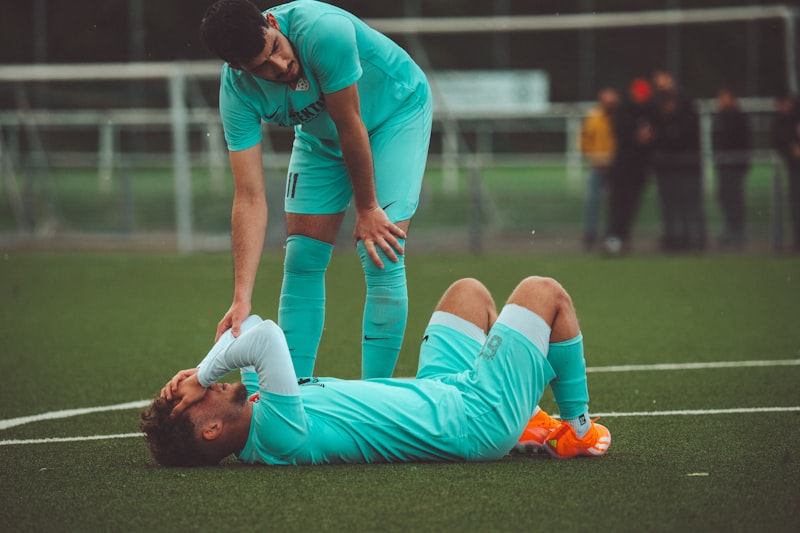
A sport injury is formally defined as any physical trauma or damage sustained to the body resulting directly from participation in athletic activities, competitive sports, or structured physical exercise. This broad definition encompasses a vast spectrum of conditions, ranging from acute, sudden-onset events—such as fractures, ligament tears, or muscle strains occurring during a soccer match, as exemplified by the case “Joe had a sport injury from playing soccer”—to chronic, overuse syndromes that develop gradually over time, often due to repetitive motion or improper training techniques. The significance of sport injury extends far beyond the immediate physical pain and disability; it profoundly impacts the athlete’s psychological well-being, potentially disrupting identity, career trajectory, and overall quality of life. Understanding the scope requires examining not only the biomechanical forces involved but also the complex interplay of intrinsic risk factors, including an athlete’s physiological makeup, previous injury history, and crucially, their mental and emotional state prior to the injurious event.
While injuries are often viewed strictly through a biomedical lens, modern sports medicine acknowledges the critical role of psychological variables in both the etiology and recovery process. The physical manifestation of injury—be it a torn anterior cruciate ligament or a stress fracture—is frequently exacerbated by underlying psychological stressors, such as high competitive pressure, low social support, or maladaptive coping mechanisms. Consequently, the study of sport injury within psychology focuses heavily on identifying those athletes most susceptible to injury, understanding their immediate emotional and cognitive responses post-trauma, and developing interventions that optimize psychological readiness for return to play. This interdisciplinary approach emphasizes that optimal athletic health requires attention to the athlete’s mind just as much as their body, recognizing that mental fatigue, distraction, or excessive anxiety can fundamentally alter motor control and risk perception, thereby increasing the likelihood of an accident occurring during high-intensity performance situations.
Classification of Sport Injuries
Sport injuries are typically classified based on two primary criteria: the mechanism of onset and the severity or type of tissue damage sustained. Based on mechanism, injuries fall into two major categories: acute injuries and chronic overuse injuries. Acute injuries are characterized by a sudden, identifiable traumatic event, such as a tackle resulting in a sprain, dislocation, or fracture. These injuries generally involve a clear moment of failure within a specific tissue structure, often requiring immediate medical attention and clearly delineating the moment the athlete transitions from healthy participation to injured status. Conversely, chronic injuries, often termed overuse syndromes, result from repetitive microtrauma where the body’s ability to repair tissue is outpaced by the demands placed upon it. Examples include Achilles tendinopathy, stress fractures, or various forms of bursitis, which often present diagnostic challenges because their onset is insidious and linked closely to training load management and recovery protocols rather than a single catastrophic event.
Further classification details the specific structures affected, which is critical for prognosis and treatment planning. The most common types of tissue damage encountered in athletic populations include musculoskeletal injuries involving muscle strains, ligamentous sprains (classified by severity grades I, II, or III), and skeletal damage like fractures. Additionally, concussions and other forms of traumatic brain injury (TBI) have gained significant clinical and ethical focus, particularly in contact sports, due to their long-term neurological implications. The psychological impact varies considerably based on this classification; acute, severe injuries often trigger immediate trauma and grief, while chronic injuries frequently lead to frustration, burnout, and adherence issues related to lengthy, monotonous rehabilitation programs. Effective management requires tailored psychological support that addresses the specific emotional demands inherent in the injury type, ensuring the athlete remains motivated and psychologically engaged throughout the recovery continuum, irrespective of whether the injury was sudden or gradual in its presentation.
Psychological Factors in Injury Susceptibility
The notion that psychological factors can predispose an athlete to injury is supported by extensive research, primarily synthesized within theoretical frameworks like the Stress-Injury Model. Athletes exhibiting certain personality characteristics or coping deficiencies demonstrate statistically higher rates of injury compared to their peers. Key vulnerability factors include high levels of trait anxiety, which is a predisposition to perceive situations as threatening, leading to chronic physiological arousal and muscle tension that can compromise movement efficiency and reaction time. Similarly, athletes who display perfectionistic tendencies, particularly those focused on excessive self-criticism, often place unsustainable pressure on themselves, leading to chronic overtraining and failure to heed early warning signs of physical fatigue or minor pain, thereby accelerating the likelihood of an overuse injury.
Furthermore, psychological skills training deficiencies represent another significant risk factor. Athletes who lack effective stress management techniques, such as centring, relaxation, or effective cognitive restructuring, are poorly equipped to handle the inevitable pressures of competition, travel, and academic demands. When these acute situational stressors accumulate—often referred to as the negative life stress load—they can trigger a cascade of physiological and attentional deficits. Physiologically, heightened stress releases cortisol and adrenaline, contributing to muscle stiffness and reducing flexibility. Attentively, high anxiety leads to narrowing of the visual field, distraction, and reduced processing capacity, meaning the athlete is less likely to notice environmental cues or make timely protective adjustments during rapid, complex movements, directly increasing the probability of error and subsequent physical injury. Therefore, psychological readiness is increasingly viewed as a prerequisite for safe and effective high-level participation.
The Stress-Injury Model
The widely accepted Stress-Injury Model, initially proposed by Andersen and Williams (1988), provides a comprehensive conceptual framework illustrating how the interaction between psychological variables and environmental stress leads to increased injury risk. This model posits that an athlete’s inherent personality characteristics (e.g., hardiness, coping styles, anxiety levels) interact with potentially stressful athletic situations. When the athlete perceives a high level of negative life stress—stemming from sources outside of sport, such as relationship issues, academic pressures, or financial difficulties—their cognitive appraisal of this stress becomes a pivotal determinant of subsequent risk. If the athlete appraises the stressor as overwhelming or uncontrollable, it initiates a negative stress response characterized by increased muscle tension, generalized fatigue, and, critically, attentional disruption, including reduced peripheral awareness and increased distractibility during performance.
This negative physiological and attentional response is mediated or exacerbated by the athlete’s available coping resources and history of psychological skills use, such as relaxation techniques or imagery practice. Athletes with poor coping skills or limited social support are more likely to progress rapidly through the model’s stages toward injury. The final phase involves the actual physical manifestation of injury, which is rendered more likely due to the combined effect of heightened neuromuscular tension and a failure to effectively process critical environmental and performance-related information. The model is particularly useful for injury prevention specialists as it highlights specific intervention points: strategies should focus not only on reducing external stressors but primarily on enhancing the athlete’s internal psychological resources and modifying their cognitive appraisal processes to view challenges as manageable rather than threatening.
Psychological Responses to Injury
Once a sport injury occurs, the athlete experiences a complex and often intense psychological reaction that mirrors the stages of grief, particularly when the injury is severe or career-threatening. The initial response often involves shock and denial, where the athlete struggles to accept the reality and implications of the injury, frequently followed by anger and frustration directed towards themselves, opponents, coaches, or medical staff. This emotional turmoil arises from the sudden loss of identity, routine, and competitive participation, leading to significant emotional distress. Injuries force athletes to confront vulnerability, potentially undermining their previously strong sense of self-efficacy and competence, which were often tied directly to their physical performance capabilities. Failure to effectively manage these acute emotional responses can impede the early phases of physical healing and complicate communication with rehabilitation professionals.
As the recovery process lengthens, athletes frequently enter a period marked by depression and despair, particularly when faced with setbacks, pain, or the realization of the arduous path ahead. The loss of social connection with teammates and the shift from an active, high-status role to a passive, patient role can trigger feelings of isolation and hopelessness. Psychologists must diligently monitor for clinical signs of depression, anxiety disorders, and the potential development of eating disorders or substance abuse, which can emerge as maladaptive coping strategies during periods of prolonged inactivity. A key psychological challenge during this phase is managing the fear of re-injury (kinesiophobia), which can lead to guarded movement patterns, premature withdrawal from activities, or a failure to exert necessary effort during physical therapy, ultimately compromising the quality of the return to play.
Rehabilitation and Adherence Challenges
Successful recovery from a sport injury is fundamentally dependent upon the athlete’s strict adherence to the prescribed rehabilitation protocol, a process fraught with psychological difficulties. Rehabilitation is often perceived as monotonous, painful, and slow, demanding high levels of self-discipline and motivation, which naturally fluctuate over time. Adherence challenges arise from several sources, including lack of immediate positive feedback, pain management issues, and the perceived irrelevance of certain exercises when the athlete is focused only on the final outcome of returning to competition. Non-adherence can range from simply skipping sessions to performing exercises incorrectly or prematurely attempting activities outside the therapist’s scope, all of which substantially increase the risk of delayed recovery or re-injury.
To optimize adherence, psychological interventions focus on enhancing the athlete’s sense of personal control and self-efficacy throughout the process. Strategies include setting short-term, measurable, and achievable goals that provide incremental successes; utilizing cognitive techniques such as positive self-talk and imagery to visualize successful healing and performance; and incorporating social support structures, such as peer mentoring or family involvement. Furthermore, the relationship between the athlete and the rehabilitation specialist is paramount; clear, empathetic communication regarding expectations, pain thresholds, and the timeline for recovery helps mitigate frustration and fosters trust, transforming the passive patient into an active, collaborative participant in their own healing journey. Addressing the emotional barriers—such as frustration or fear—is as critical to physical recovery as the strength training itself.
Prevention Strategies (Physical and Mental)
Effective injury prevention programs are inherently holistic, integrating both physical conditioning protocols and targeted psychological skills training designed to reduce susceptibility factors identified in the Stress-Injury Model. Physically, prevention focuses on optimal conditioning, including appropriate strength and flexibility balances, proper technique instruction, and strict adherence to volume and intensity control to avoid overtraining syndromes. However, the psychological component ensures that the athlete possesses the mental resilience necessary to navigate competitive demands safely. This includes teaching athletes coping skills to manage daily stress, enabling them to recognize when stress levels are negatively impacting attention and performance, and providing tools to regulate physiological arousal before it manifests as detrimental muscle tension.
Psychological prevention strategies often utilize proactive educational workshops focusing on topics such as effective goal setting (distinguishing between outcome goals and process goals), enhancing concentration through attentional focus exercises, and using relaxation techniques like progressive muscle relaxation or meditation to achieve optimal arousal states before competition. Furthermore, creating a supportive team environment where athletes feel comfortable reporting minor aches, fatigue, or psychological distress without fear of reprisal or benching is crucial. Coaches and support staff must be trained to recognize early behavioral indicators of excessive stress or burnout, such as sudden drops in performance, withdrawal from social interaction, or increased irritability, enabling early intervention before these psychological states translate into physical vulnerability and subsequent injury. A comprehensive psychological profile assessment can help identify high-risk individuals who might benefit most from intensive, tailored mental training programs.