Postlingual Deafness: Adapting to Life After Sound Loss
Scientifically Reviewed · Dr. Marwa Abd-Alazim · September 10, 2026
Review Criteria & Clinical Standards
This content undergoes rigorous scientific peer-review and medical editorial standards at Arab Psychology Network to ensure clinical accuracy, validity, and compliance with evidence-based guidelines from leading psychological and healthcare authorities (APA / WHO).
Introduction to Postlingual Deafness
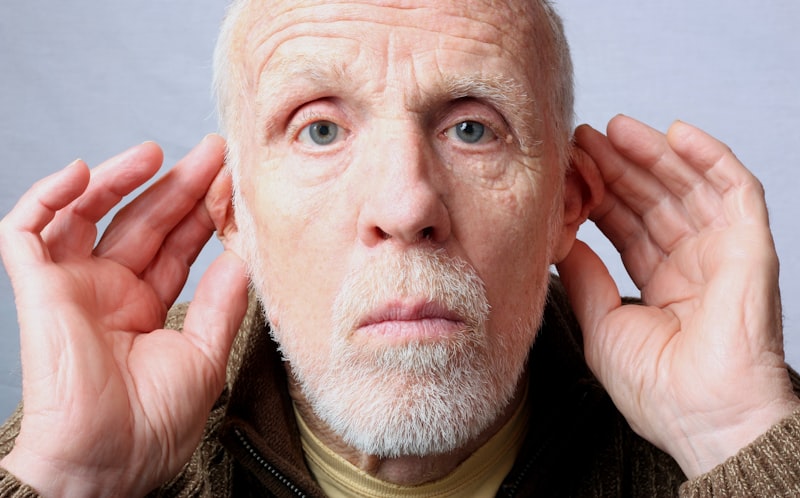
The term postlingually deafened refers specifically to individuals who experience significant and profound hearing loss subsequent to the successful acquisition of a primary spoken language. This classification is fundamentally important in audiology and psychology, as it signifies that the neurocognitive apparatus necessary for language processing, speech articulation, and auditory memory was fully developed and established prior to the onset of hearing impairment. Unlike those classified as prelingually deafened—where hearing loss occurs before the critical period of language acquisition—the postlingually deafened individual possesses a complete linguistic foundation, relying on established internal models of sound, grammar, and vocabulary. This preserved linguistic competency profoundly influences their subsequent communication challenges, rehabilitation potential, and methods of adaptation to a life without sound, setting their experiences distinctly apart from those dealing with congenital or early childhood deafness.
The crucial benchmark for this classification is the timing of the hearing loss relative to the achievement of functional linguistic competence, generally occurring after the age of three to five years, though the specific age is less important than the demonstrated fluency. This competence encompasses the ability to use complex syntax, understand abstract concepts, and maintain nuanced conversational fluency. When deafness strikes after this developmental milestone, the individual retains the mental framework of spoken language, which serves as both a significant advantage and a unique challenge. While they are spared the necessity of learning language structure from its foundation, they must contend with the deterioration or complete loss of the auditory input that sustains and reinforces that knowledge, leading to specific issues surrounding speech maintenance and the management of residual auditory memories.
Furthermore, the experience of postlingual deafness is frequently accompanied by a profound sense of loss and psychological disruption, as the individual transitions abruptly or progressively from full integration within the hearing world to one characterized by silence and communication barriers. This transition necessitates significant emotional and psychological adjustment, requiring the relearning of social interaction cues and the modification of deeply ingrained communication habits. The initial emotional impact often includes intense grief, feelings of isolation, and shifts in self-identity, demanding comprehensive psychological support alongside audiological intervention. The memory of sound, though potentially fading over time, remains a powerful cognitive reference point, influencing their perception of technologies like cochlear implants and shaping their interactions within both the hearing and Deaf communities.
Defining the Linguistic Threshold
The precise definition of postlingual deafness relies entirely upon the establishment of the linguistic threshold, which is the point at which an individual has successfully developed the neural pathways and cognitive models essential for fluent, meaningful language usage. Although this threshold is often approximated chronologically as occurring after age five or six, the true determinant is functional: the demonstrated ability to produce complex, grammatically correct sentences, maintain a robust vocabulary, and effectively utilize language for abstract reasoning and discourse. If profound deafness ensues subsequent to this specific developmental stage, the primary language is considered “locked in,” meaning that despite the immediate inability to hear and monitor one’s own vocal production, the underlying linguistic system remains intact, accessible, and highly organized. This preservation of the central language system is the key factor differentiating postlingual individuals from those who must attempt to acquire language without prior auditory input.
Accurate determination of this threshold holds significant implications for prognosis, especially concerning the maintenance of articulatory skills and the potential success of auditory rehabilitation interventions. Where language is acquired prelingually, the brain exhibits high plasticity, enabling rapid reorganization that favors visual or tactile modalities; conversely, the brain of a postlingually deafened person has already optimized itself for auditory processing. The subsequent sensory deprivation necessitates neural reorganization, but the previously established linguistic framework provides a strong resistance against immediate decay. Therefore, while the age of onset provides a rough guide, clinical assessment must prioritize the level of linguistic fluency and structural complexity achieved just prior to the hearing loss event. For example, an exceptionally articulate child deafened at four might still be functionally classified as postlingual, whereas a child with significant pre-existing developmental delays deafened at five might functionally fall closer to the perilingual category.
The intact nature of the linguistic map in this population has specific consequences for cognitive function, including memory and the nature of the internal monologue. Individuals maintain an inner voice that utilizes the specific sounds, prosody, and structures of the language they learned, which facilitates proficient reading, writing, and complex cognitive processing. This internal linguistic continuity is a major cognitive asset, enabling seamless engagement with written language and maintaining high-level cognitive function without the immediate requirement for visual language adaptation. However, this reliance on an internal auditory model also means that when external speech production inevitably begins to degrade—a common outcome resulting from the lack of auditory feedback—the pronounced disparity between the individual’s internally perfect voice and their externally distorted output can cause considerable frustration and communication difficulty, requiring specialized speech therapy focused on kinesthetic feedback and visual monitoring techniques.
Etiology and Common Causes
The causes leading to postlingual deafness are diverse, encompassing a range of acquired medical conditions that damage the sensitive structures of the cochlea or the auditory nerve after the period of language mastery. One of the most frequently observed etiologies is sudden sensorineural hearing loss (SSNHL), which may result from acute viral infections, autoimmune processes, or localized vascular incidents, often leading to rapid, sometimes unilateral, and frequently profound loss. Additionally, ototoxicity represents another significant contributor, where exposure to specific pharmaceutical agents, such particularly potent antibiotics or certain chemotherapy drugs, causes irreversible damage to the delicate hair cells within the inner ear. Depending on the dose, duration of exposure, and individual sensitivity, these chemical insults can result in either a gradual, progressive decline culminating in functional deafness, or an acute, immediate loss.
A substantial category of postlingual etiology involves progressive conditions that erode hearing function over time. Conditions such as Ménière’s disease, which is characterized by fluctuating pressure and fluid buildup within the inner ear, can lead to years of episodic vertigo and tinnitus before resulting in profound, irreversible hearing loss. Furthermore, presbycusis, or age-related hearing loss, while generally characterized by a slow, bilateral decline in high frequencies, can progress to a degree of functional deafness in elderly individuals where conventional amplification devices provide insufficient clarity for effective speech comprehension, especially when attempting to communicate in challenging acoustic environments. Chronic middle ear disease, if complicated by severe secondary infections or cholesteatoma, can also extend damage to the inner ear structures, resulting in a profound mixed or sensorineural component.
Less common but highly relevant causes include significant traumatic brain injuries (TBI), particularly those involving fractures of the temporal bone which can directly impact the cochlea or transect the auditory nerve, and the development of acoustic neuromas (vestibular schwannomas). Acoustic neuromas are benign tumors originating on the eighth cranial nerve, typically causing unilateral hearing loss and balance issues; though these tumors are manageable, their surgical removal sometimes necessitates the complete loss of any remaining residual hearing in the affected ear. Due to the wide variety of underlying causes, the diagnosis of postlingual deafness requires a meticulous medical and audiological assessment to pinpoint the exact location and extent of the pathology, which is crucial for determining the most appropriate management strategy, ranging from medical interventions to candidacy for advanced auditory prostheses.
Impact on Speech and Auditory Memory
The central impact of postlingual deafness on communicative ability manifests primarily in the challenges related to the maintenance of speech production and the unique status of auditory memory. Although the individual retains the cognitive capacity to speak and possesses full linguistic intent, the absence of auditory feedback—the crucial ability to monitor one’s own vocal output—inevitably leads to a gradual, progressive deterioration of speech quality, a phenomenon often described as dysarthria or speech degradation. Without this constant self-monitoring loop, individuals frequently lose precise control over essential speech parameters such as pitch modulation, vocal intensity (often becoming too loud or too soft), and the accurate timing of articulation. Vowel sounds tend to become acoustically centralized or distorted, and the natural rhythmic and inflectional patterns of speech (prosody) may flatten, resulting in speech that sounds monotonic, strained, or overly nasal. The rate and severity of this degradation vary considerably, influenced by the age of onset, the extent of the loss, and the consistent intensity of dedicated speech therapy intervention.
Auditory memory, which encompasses the brain’s repository for specific sounds, environmental noise, and music, is also uniquely affected in this population. Unlike those who are prelingually deafened and never fully establish these memories, postlingually deafened individuals retain them, yet these memories become increasingly abstract, divorced from current sensory reality, and sometimes inaccessible as the neural link to external auditory experience is severed. The retention of sound memory acts as a dual-edged sword: it provides a powerful cognitive reference point for language and musical appreciation, often serving as a strong motivator for seeking technological restoration of hearing, such as through cochlear implantation. Conversely, the recall of a lost sensory dimension can significantly contribute to feelings of isolation and profound nostalgia. The internal experience of hearing is sustained through memory, significantly influencing reading comprehension and writing style, while external acoustic events become largely visually or physically interpreted mysteries.
Furthermore, the loss of hearing severely compromises the ability to process crucial environmental sounds, leading to significant deficits in situational awareness and personal safety. Sounds that provide vital information—such as the ring of a phone, the blast of a siren, the sounding of an alarm, or the subtle approach of a vehicle—are entirely missed, necessitating an intense reliance on visual cues and the deployment of specialized alerting technologies. This fundamental sensory shift demands a substantial and continuous reallocation of cognitive resources toward intensive visual processing and lip-reading, which results in profound cognitive drain. The persistent, high-level effort required merely to maintain adequate communication, commonly termed listening fatigue, represents a major daily challenge for the postlingually deafened, often resulting in reduced participation in social settings and professional activities, thereby limiting overall quality of life.
Cochlear Implantation and Rehabilitation
For a significant majority of individuals who are postlingually deafened, the most effective pathway toward auditory rehabilitation is the utilization of the cochlear implant (CI). This technology is particularly successful within this demographic because the auditory nerve fibers and the central auditory processing centers, having been fully utilized and stimulated throughout the period of functional hearing, remain highly organized, receptive, and structurally intact for electrical stimulation. Crucially, unlike prelingually deafened recipients, postlingual adults and children are not tasked with developing language from the new sensory input; their primary task is merely to re-map the complex electrical signals generated by the implant onto their pre-existing, robust, and mature linguistic structures in the brain. This advantage typically translates into significantly accelerated rehabilitation periods and generally results in superior outcomes regarding speech understanding and auditory performance when compared to those deafened earlier in life.
The rehabilitation process following surgical implantation is inherently systematic and demands an intensive commitment, requiring the expertise of a comprehensive professional team that includes specialized audiologists, speech-language pathologists, and often psychological counselors. Post-activation auditory training focuses meticulously on conditioning the brain to accurately interpret the novel, synthetic sound signals produced by the implant. Initially, sounds are often perceived as mechanical, robotic, or distorted, but the brain demonstrates remarkable adaptability, gradually learning to recognize speech patterns, identify phonemes, and differentiate environmental sounds. This training often involves structured, explicit listening exercises, progressing through stages of sound detection, discrimination, identification, and ultimately, comprehension, moving from simple, isolated phonemes to complex, conversational speech within acoustically challenging, noisy environments. The ultimate success of this focused rehabilitation is strongly correlated with two primary factors: the duration of deafness prior to implantation (known as the duration of auditory deprivation) and the individual’s dedication to the prescribed training and practice regimen.
Furthermore, the history of conventional hearing aid use prior to the onset of profound loss is a critical antecedent consideration. Many postlingually deafened individuals experience a transitional phase where traditional amplification is employed. When the hearing loss progresses to a point where hearing aids offer only marginal or insufficient benefit—a stage clinically defined by the inability to clearly understand speech even with maximal amplification—candidacy for cochlear implantation is then formally explored. The decision to proceed with implantation is profoundly personal, requiring a careful balance between the powerful potential for restored auditory function and the inherent risks of surgery, alongside the requirement for intensive, long-term commitment to rehabilitation and mapping sessions. Psychological support is an essential component, assisting the individual in managing realistic expectations and adapting to the unique quality of implant-mediated sound and the necessary ongoing communication adjustments.
Psychosocial and Emotional Adaptation
The onset of postlingual deafness frequently precipitates a profound psychosocial crisis, forcing the affected individual to rapidly and drastically redefine their relationship with their immediate environment, their established social networks, and their personal self-identity. The nature of the loss transcends the merely sensory; it represents a fundamental severance from the primary modality of social engagement and information exchange that they have relied upon throughout their lives. The typical emotional response often mirrors the established stages of grieving, commonly involving an initial period of shock, followed by phases of denial, intense anger, bargaining, and ultimately, a degree of acceptance. The initial shock can be overwhelming, particularly in cases of sudden hearing loss, often leading to a period of denial where the individual resists using assistive devices or adapting communication strategies, clinging desperately to their pre-existing hearing identity.
Pervasive social isolation is perhaps the most difficult long-term consequence. Frequent communication breakdowns inevitably lead to mutual frustration, affecting both the deafened individual and their conversational partners, often resulting in a severe tendency to withdraw from acoustically challenging social settings such as busy restaurants, large professional meetings, or lively family gatherings. This self-imposed reduction in social participation can significantly contribute to the development of clinical depression and heightened anxiety disorders. Moreover, identity shifts are commonplace; the individual may experience feelings of being marginalized or perpetually “in-between,” no longer fully integrated into the hearing world but also lacking the cultural grounding of the Deaf community, especially if they acquire deafness later in adulthood and do not adopt sign language. The continuous struggle to manage communication accessibility in public and professional spheres becomes a relentless source of chronic stress.
Effective long-term adaptation necessitates the mobilization of robust, multi-faceted support systems, including mandatory family education, participation in peer support groups, and professional psychological counseling. Strategies aimed at building emotional resilience focus on the acceptance of the disability, the dedicated development of compensatory communication skills (such as highly refined lip-reading or assertive technology utilization), and the proactive advocacy for necessary accommodations in all life settings. Learning to communicate assertively about their specific communication needs and diligently educating others on effective communication techniques are vital foundational steps toward regaining social confidence and mitigating the debilitating burden of constant misunderstanding. The successful psychosocial outcome is heavily dependent upon the individual’s pre-existing emotional coping mechanisms and the consistency and quality of external support received throughout the entire transition period.
Communication Strategies and Support Systems
Successful reintegration and effective participation in society for the postlingually deafened individual depend critically upon the strategic adoption of multiple communication modalities and the proactive utilization of comprehensive support systems. Given that residual hearing is often minimal or entirely absent, the reliance on auditory input must fundamentally shift toward visual and technological aids. Lip-reading (or speech reading) rapidly becomes a primary, essential skill, enabling the individual to extract conversational meaning from the visual dynamics of mouth movements, accompanying facial expressions, and relevant body language. While rarely providing perfect accuracy, lip-reading, when intelligently combined with contextual clues and linguistic prediction based on their vast stored language knowledge, forms the crucial bedrock of effective face-to-face interaction.
Technological support is equally indispensable in bridging communication gaps. Beyond the immediate use of cochlear implants or powerful advanced hearing aids, various specialized assistive listening devices (ALDs) are routinely employed, including FM systems, induction loop systems, and remote microphones that transmit the sound signal directly to the hearing device, effectively mitigating the negative effects of distance and excessive background noise. For long-distance communication and telephonic interaction, text-based methods (e.g., instant messaging, email, relay services) are essential, frequently supplemented by modern video relay services (VRS) or real-time captioning applications that convert spoken dialogue into readable text with minimal latency. These technological supports fundamentally transform accessibility, particularly within demanding professional and educational environments, ensuring continued participation in meetings, lectures, and daily life.
The required support systems must be holistic and tailored to the individual’s environment. Family members and close associates require specific training on how to communicate effectively, including speaking clearly, maintaining direct eye contact, avoiding covering the mouth, and ensuring the individual’s attention is secured before initiating conversation. Furthermore, organizational support, often provided through vocational rehabilitation services or specialized disability advocacy groups, is crucial for navigating legal rights, securing essential workplace accommodations, and accessing funding for necessary technology. The overarching goal of these diversified communication strategies is to establish a robust, multi-modal environment where the individual can fluidly utilize their preserved linguistic knowledge through whichever sensory channel—be it written text, visual speech, or electrically stimulated hearing—is most effective and reliable at any given moment.
The Role of Sign Language Acquisition
While many individuals who are postlingually deafened initially focus their efforts and resources on spoken language rehabilitation and cutting-edge technological solutions, the potential role of sign language acquisition warrants serious consideration, particularly in instances where auditory rehabilitation outcomes prove suboptimal or when the individual seeks deep cultural affiliation. Acquiring a recognized sign language, such as American Sign Language (ASL), provides a robust, fully visually based linguistic alternative that operates completely independently of residual auditory function. For individuals who experience chronic, debilitating listening fatigue or those who find lip-reading unreliable in critical situations, sign language offers a complete, unambiguous communication channel, significantly enhancing conversational ease, speed, and reducing communication-related stress.
However, the decision to learn sign language later in life presents its own unique set of challenges. Unlike prelingually deaf children who acquire sign language naturally during their critical language development period, postlingual adults learn it as a foreign or second language (L2), often finding the acquisition of complex spatial grammar, visual syntax, and visual-manual dexterity demanding. Despite these inherent difficulties, the long-term psychosocial benefits often substantially outweigh the initial hurdles, particularly regarding genuine social inclusion. The mastery of sign language can facilitate meaningful interaction with the culturally Deaf community, offering a profound sense of belonging and cultural identity that may be unattainable when relying solely on technologies designed to artificially restore function within the hearing world.
Furthermore, sign language is increasingly recognized as an invaluable supplementary tool to spoken communication, especially in high-demand situations where visual attention is split, or in environments that are too noisy or poorly lit for effective speech reading. Clinicians and educators are increasingly advocating for a bimodal-bilingual approach—where the individual strategically utilizes spoken language (often mediated via a CI) alongside a sign language—as this maximizes communication flexibility, enhances cognitive engagement, and provides a reliable backup system. Integrating sign language into the communication repertoire is therefore not viewed as an admission of failure in auditory rehabilitation, but rather as a proactive and empowering step toward achieving true comprehensive communication competence and dramatically enhancing overall quality of life and autonomy.
Distinction from Prelingual and Perilingual Deafness
The rigorous categorization of hearing loss based on the precise timing of onset is a cornerstone of audiology and language pathology, primarily serving to differentiate postlingual deafness from the related classifications of prelingual and perilingual forms. Prelingual deafness refers specifically to hearing loss that occurs before the successful initiation of spoken language acquisition, typically defined as occurring prior to the age of two, necessitating that language development proceed primarily via non-auditory means, such as visual language (sign language) or intensive auditory-verbal therapy designed to maximize residual hearing. The fundamental difference lies in the complete absence of a fully established auditory linguistic map in the prelingually deafened individual, which presents profound challenges in speech development and often requires lifelong, specialized intervention to achieve functional fluency in either spoken or written language.
Perilingual deafness occupies the complex intermediate ground, referring to hearing loss that manifests during the critical period of intense language acquisition, generally spanning the ages between two and five years. In this group, language development is initiated auditorily but is severely interrupted before full fluency or linguistic mastery is achieved. These individuals consequently struggle with incomplete, fragmented, or distorted linguistic models, frequently exhibiting characteristics that overlap both prelingual (e.g., significant difficulty with articulation, voice quality, and prosody) and postlingual (e.g., retention of some vocabulary, basic syntactic structures) populations. Intervention strategies for perilingually deafened individuals must therefore address the dual challenge of language acquisition deficits and severe sensory loss simultaneously, often requiring a highly integrated and intensive therapeutic approach.
In sharp contrast, the preservation of a complete, mature linguistic structure in postlingual deafness fundamentally simplifies the rehabilitation objective: the core focus shifts entirely to restoring or effectively substituting sensory input, rather than the arduous task of teaching the foundational elements of language itself. This clear distinction profoundly influences clinical treatment planning, educational placement decisions, and prognostic expectations. For instance, postlingually deafened children, even after receiving cochlear implants, typically maintain age-appropriate reading comprehension and writing skills because their foundational language concepts are already fully intact, a significant advantage over their prelingual counterparts who must simultaneously master literacy and the very language upon which literacy is based.
Long-Term Outcomes and Quality of Life
The long-term outcomes for individuals who are postlingually deafened are generally considered favorable when compared to those with an earlier onset of deafness, a benefit largely attributable to their preserved linguistic capital and their cognitive maturity at the time of hearing loss. Their existing ability to read fluently, write complex text, and utilize advanced thought processes based on their internalized spoken language framework provides considerable advantages in achieving educational goals and maintaining successful professional careers. Furthermore, the consistently high success rates documented for cochlear implantation within this specific population offer a powerful potential for returning to functional auditory communication, which dramatically enhances social interaction capabilities and significantly reduces the daily necessity of relying solely on demanding visual communication methods.
However, the achieved quality of life remains strongly influenced by the effectiveness of individual adaptation strategies and the ongoing management of associated secondary conditions. Persistent, chronic tinnitus, a frequent and often severe accompaniment to sensorineural hearing loss, can be a major source of chronic stress, anxiety, and severe sleep disturbance, requiring specialized management. Furthermore, the lifelong burden of communication effort and the continuous necessity for technological support—which includes the ongoing costs of device maintenance, regular mapping adjustments, and funding for inevitable device upgrades—constitute significant, enduring challenges. Successful long-term psychological adjustment is often marked by the individual’s capacity to integrate their deafness into a broader, accepted self-identity rather than perpetually viewing it as an external deficit to be relentlessly overcome.
Ultimately, achieving and maintaining a high quality of life for the postlingually deafened involves the collaborative effort of fostering an environment characterized by acceptance, accessibility, and proactive support. This necessitates the consistent and appropriate use of amplification or implantation technology, dedicated and proactive engagement in advanced communication training, and the deliberate cultivation of strong social connections. These connections may be maintained within the hearing world through the effective use of assistive technologies or actively sought within the vibrant Deaf community through the adoption of sign language. The overarching goal of clinical and social intervention is not simply the technical restoration of hearing, but rather the assurance of full, meaningful participation in life, leveraging their unique and preserved linguistic capabilities to maintain professional engagement, social vitality, and enduring emotional well-being.