Postnatal Auditory Loss: Navigating the Silent Transition
Scientifically Reviewed · Dr. Marwa Abd-Alazim · August 20, 2026
Review Criteria & Clinical Standards
This content undergoes rigorous scientific peer-review and medical editorial standards at Arab Psychology Network to ensure clinical accuracy, validity, and compliance with evidence-based guidelines from leading psychological and healthcare authorities (APA / WHO).
Core Definition and Mechanism
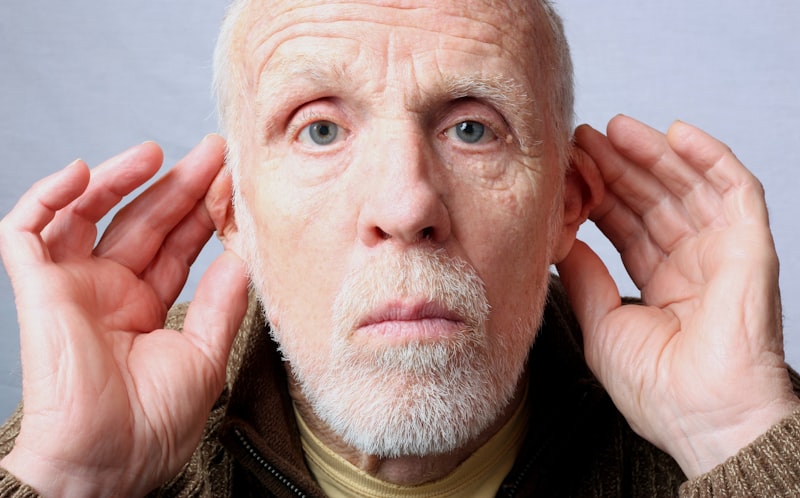
The term Postnatal Sensorineural Lesions refers to any form of hearing impairment or damage to the auditory system that is acquired after birth. This condition contrasts sharply with congenital hearing loss, which is present at the time of birth. Essentially, a postnatal lesion indicates damage to the delicate structures of the inner ear, most commonly the cochlea, or to the neural pathway leading from the inner ear to the brain, specifically the auditory nerve (Cranial Nerve VIII). The resulting condition is known as Sensorineural hearing loss (SNHL), characterized by a diminished ability to hear faint sounds and, critically, difficulty in distinguishing speech clarity, even when the volume is adequate.
The fundamental mechanism behind postnatal SNHL involves the malfunction or death of the hair cells within the cochlea. These outer and inner hair cells are highly specialized sensory receptors responsible for converting mechanical vibrations—sound waves transmitted through the middle ear—into electrical signals. Once these cells are damaged by external factors, such as intense noise or certain toxins, they typically cannot regenerate, leading to permanent damage. When the lesion affects the auditory nerve itself, the transmission of these electrical signals to the brain is compromised, resulting in distorted or incomplete auditory information, regardless of the health of the cochlea.
Understanding the “postnatal” aspect is critical for classification and treatment. Because the auditory system was functional and intact at birth, the loss is attributed entirely to environmental factors, illnesses, or the natural processes of aging. This differentiation guides clinicians in seeking an acquired cause, which can sometimes be preventable or, in rare cases (especially with sudden hearing loss), treatable if addressed immediately. The severity of the resulting hearing loss is directly correlated with the extent of damage to these sensitive sensory and neural components.
Etiology: Causes of Acquired SNHL
The causes of postnatal sensorineural lesions are diverse and generally categorized into infectious, traumatic, toxic, and metabolic origins. One of the most common causes worldwide is noise exposure, particularly chronic exposure to high-decibel sounds in occupational settings or recreational environments. This acoustic trauma physically stresses and eventually destroys the hair cells, leading to noise-induced hearing loss. The degree of loss often correlates with both the intensity and duration of the exposure, and this damage accumulates silently over time, frequently manifesting as permanent high-frequency hearing loss.
Infectious agents also play a significant role. Viral infections that affect the entire system can sometimes invade the inner ear structures or the auditory nerve sheath. Historically, common childhood illnesses such as measles, mumps, and scarlet fever were major contributors to profound SNHL before the widespread availability of vaccines. Even today, less common viruses like cytomegalovirus (CMV, when acquired postnatally) or bacterial infections like meningitis can cause acute and often sudden hearing loss by creating inflammation and damage within the tiny fluid-filled compartments of the cochlea, disrupting homeostasis and damaging the sensory cells.
Another serious category is ototoxicity, which refers to drug poisoning that damages the structures of the ear. Certain classes of medications, including some powerful antibiotics (like aminoglycosides) and chemotherapy agents (like cisplatin), are known to be ototoxic. When these drugs are administered, especially at high doses or over extended periods, they can selectively accumulate in the inner ear fluids, leading to irreversible hair cell death. Finally, the slow, insidious process of elder age, known medically as Presbycusis, represents the most prevalent non-pathological cause of postnatal SNHL, resulting from the cumulative wear and tear on the auditory system over a lifetime.
Historical Understanding and Classification
The historical classification of hearing deficits evolved significantly with advancements in medical science and technology. For centuries, hearing loss was viewed as a singular affliction, often lumped together without differentiating between conductive issues (problems with sound transmission in the outer/middle ear) and sensorineural issues. The true distinction began to emerge in the late 19th and early 20th centuries, facilitated by researchers who developed rudimentary hearing tests, such as the Rinne and Weber tuning fork tests. These basic diagnostic tools provided the first clinical methods for distinguishing bone conduction (which bypasses the outer/middle ear) from air conduction, thereby isolating the inner ear as the site of damage in SNHL cases.
The modern understanding of postnatal SNHL was solidified following World War II, driven largely by the need to address high rates of noise-induced hearing loss among military personnel. This era saw the development of sophisticated audiometry, allowing researchers to plot hearing thresholds across a range of frequencies, providing a detailed map of the lesion site within the cochlea. Key figures in audiology and otolaryngology formalized the terminology and etiology, meticulously documenting the effects of specific traumas and infectious diseases on inner ear morphology.
This historical progression allowed the field to move beyond simple observation to targeted intervention. The realization that certain illnesses or environmental exposures (like trauma or drug use) caused permanent inner ear damage led directly to preventative public health measures, such as industrial noise regulations and monitoring programs for patients receiving ototoxic medications. This historical context emphasizes that postnatal SNHL is not a static condition but a consequence of interaction between a genetically predisposed individual and their changing environment.
A Practical Example: Acute Acoustic Trauma
To illustrate the destructive mechanism of a postnatal sensorineural lesion, consider the real-world scenario of an individual, Sarah, attending a very loud rock concert without adequate hearing protection. A sudden, extremely loud spike in sound intensity—such as an unexpected feedback squeal or an explosion near the stage—constitutes an acute acoustic trauma, causing immediate damage. Even a single, overwhelming noise event can instantly create a significant, permanent postnatal lesion in the cochlea.
The process follows a distinct step-by-step mechanism of damage and subsequent SNHL:
-
Initial Overstimulation: The sound wave entering Sarah’s ear exceeds safe limits (e.g., above 120 dB). This intense pressure causes the basilar membrane within the cochlea to vibrate violently and excessively.
-
Mechanical and Metabolic Stress: The extreme movement places immense mechanical stress on the delicate stereocilia (the “hairs”) atop the sensory hair cells. This stress causes the stereocilia to become bent, sheared, or potentially detached from the hair cell body, resulting in immediate, temporary loss known as a temporary threshold shift (TTS).
-
Permanent Lesion Formation: If the trauma is severe enough, the damage to the hair cells is irreversible. The hair cells undergo metabolic exhaustion and structural disintegration, often leading to cell death via apoptosis or necrosis. This cell loss constitutes the permanent postnatal sensorineural lesion.
-
Symptom Manifestation: Sarah immediately notices ringing in her ears (tinnitus) and a muffled quality to sounds. An audiogram taken weeks later would show a characteristic “notch” of hearing loss, typically around 4000 Hz, confirming permanent, acquired SNHL due to acoustic trauma.
Clinical Presentation and Diagnosis
The clinical presentation of postnatal SNHL varies widely depending on the severity and location of the lesion, but common symptoms include a perceived reduction in loudness and a significant decrease in clarity, particularly in noisy environments. Patients frequently report that they can “hear” sounds but struggle to “understand” speech, a phenomenon known as poor speech discrimination. Another highly common symptom associated with inner ear damage is tinnitus—the perception of ringing, buzzing, or hissing sounds when no external noise is present. Furthermore, some forms of SNHL, especially those related to inner ear fluid disturbances or viral infections, may be accompanied by vertigo or balance issues, indicating damage to the adjacent vestibular system.
Diagnosis relies primarily on pure-tone audiometry, which is the gold standard for measuring hearing sensitivity. This test determines the softest sounds (thresholds) a patient can hear across various frequencies for both air conduction (testing the entire auditory system) and bone conduction (testing the cochlea directly). In postnatal SNHL, air and bone conduction thresholds will be abnormal and closely matched, confirming that the problem lies within the sensorineural structures. Additional diagnostic tests include speech audiometry, which quantifies the patient’s ability to understand spoken words at various intensities, providing crucial information about the functional impact of the lesion.
Early and accurate diagnosis is essential, particularly in cases of sudden SNHL (SSNHL), where the loss occurs rapidly, often due to vascular or viral causes. While chronic, progressive losses like Presbycusis are managed over time, SSNHL is considered a medical emergency because immediate treatment with corticosteroids can sometimes recover some hearing function if administered within the first few days of onset, highlighting the importance of timely clinical intervention.
Significance in Audiology and Public Health
Postnatal SNHL holds profound significance for both the field of audiology and broader public health initiatives. In audiology, the study of acquired lesions drives technological innovation. Because SNHL is often irreversible, research focuses intensely on maximizing residual hearing through sophisticated hearing aid technology and restoring hearing function entirely through advanced surgical interventions like the cochlear implant. The development and refinement of these devices are directly fueled by understanding the precise pathological mechanisms of hair cell and nerve damage caused by postnatal factors.
From a public health standpoint, postnatal SNHL represents a massive global burden. The primary preventable cause, noise-induced hearing loss (NIHL), necessitates extensive public education campaigns, stricter regulatory standards in occupational environments, and the promotion of hearing protection use in recreational settings. Furthermore, understanding the ototoxicity of medications allows pharmaceutical research to develop safer drug alternatives and mandates monitoring protocols for patients receiving life-saving but potentially damaging treatments, ensuring that hearing loss is not an inevitable side effect of necessary medical care.
The impact extends into quality of life and socioeconomic outcomes. Untreated SNHL can lead to social isolation, depression, cognitive decline, and reduced earning potential. Therefore, the identification and management of these postnatal lesions are crucial for maintaining cognitive function and social engagement throughout the lifespan. The push for universal newborn hearing screening programs, while primarily targeting congenital loss, also serves to establish a baseline against which future, postnatal losses can be accurately measured and tracked.
Connections to Other Hearing Disorders
Postnatal Sensorineural Lesions are intricately connected to, and must be differentiated from, several other auditory disorders. The most immediate relationship is its contrast with conductive hearing loss (CHL). While SNHL involves problems with sensory reception or neural transmission, CHL involves mechanical failure in the outer or middle ear (e.g., earwax blockage, fluid behind the eardrum, or ossicular chain damage). When both types of damage occur simultaneously, the condition is termed mixed hearing loss, meaning the individual has both a postnatal sensorineural component and a conductive component contributing to their overall deficit.
Another important connection is to Central Auditory Processing Disorder (CAPD). While SNHL is an impairment of the peripheral auditory system (the ear and auditory nerve), CAPD involves difficulty processing or interpreting auditory information once it reaches the brain, even if the peripheral hearing is normal. However, profound SNHL can sometimes lead to secondary CAPD-like symptoms because the brain receives incomplete or degraded input over a long period, affecting its ability to efficiently process sound.
Finally, SNHL is closely linked to tinnitus and hyperacusis (oversensitivity to everyday sounds). These accompanying symptoms are often results of the brain’s attempt to compensate for the lack of normal auditory input caused by the sensorineural lesion. The damage to the hair cells results in a reorganization of the central auditory pathways, which manifests clinically as the perception of phantom sounds (tinnitus) or an exaggerated response to noise (hyperacusis), highlighting that a lesion in the inner ear has profound secondary effects on the central nervous system.



