Preoccupation: Why Your Mind Gets Stuck on Loop
Scientifically Reviewed · Dr. Marwa Abd-Alazim · August 23, 2026
Review Criteria & Clinical Standards
This content undergoes rigorous scientific peer-review and medical editorial standards at Arab Psychology Network to ensure clinical accuracy, validity, and compliance with evidence-based guidelines from leading psychological and healthcare authorities (APA / WHO).
Introduction and Definition of Preoccupation
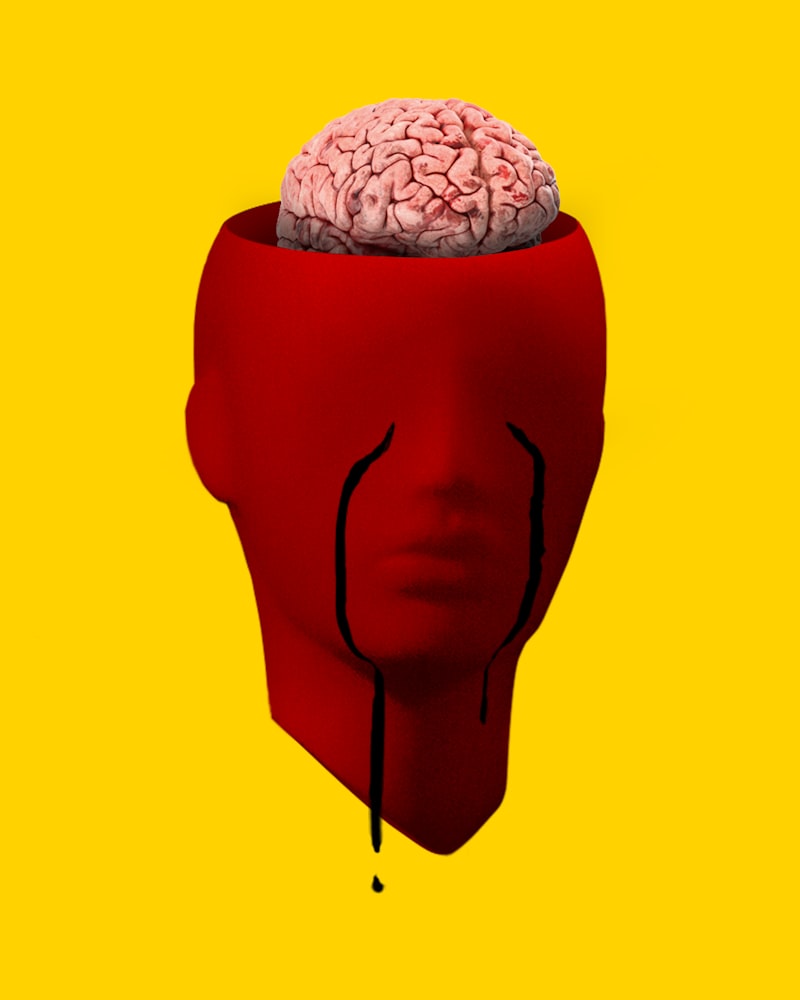
The term preoccupation, derived from the Latin praeoccupare, signifying to seize or take possession beforehand, refers in psychology to a state of profound mental absorption wherein an individual’s attention is overwhelmingly focused on a specific thought, idea, object, or internal experience, often to the exclusion of external reality or competing stimuli. This intense focus creates an internal psychological landscape that demands significant cognitive resources, diverting them away from immediate environmental demands or social interaction. Fundamentally, preoccupation is characterized by a persistent and involuntary centering of consciousness upon a singular theme, whether that theme is intellectual, emotional, or based on sensory input. While mild forms of preoccupation are commonplace and often benign—such as intense concentration during creative work or deep contemplation of a problem—the concept spans a vast clinical and experiential spectrum, ranging from temporary absent-mindedness to profound psychological withdrawal observed in severe psychopathology. The degree to which this mental state interferes with adaptive functioning is the primary differentiator between normal engagement and pathological fixation.
Psychologically, preoccupation represents a narrowing of the field of awareness, often coupled with an increase in self-absorption, where the subject directs attention primarily inward, focusing upon the self, internal states, memories, or anticipatory fears. This inward orientation can be productive when utilized for complex problem-solving or self-reflection, yet it becomes problematic when the content of the focus is repetitive, intrusive, or distressing, leading to rumination or obsessive thought patterns. The central feature of preoccupation is the difficulty in shifting attention; the individual feels mentally “seized” by the thought, rendering them relatively impervious to external attempts to break the fixation. This state is frequently referenced in clinical language as being preoccupied with thought, indicating that the thought process itself, rather than external events, dictates the individual’s immediate reality and behavior.
Understanding preoccupation requires recognizing its dual nature: it is both a cognitive process (the mechanism of focused attention) and an emotional state (the valence or intensity attached to the object of focus). When the object of preoccupation carries significant emotional weight—such as guilt, fear, or desire—the intensity of the state increases, making disengagement exponentially more challenging. This high level of emotional investment ensures that the thought maintains priority within the cognitive hierarchy, overriding the brain’s executive functions designed to manage task switching and environmental monitoring. Therefore, the study of preoccupation bridges cognitive psychology, which examines attention and executive control, and psychopathology, which analyzes how prolonged or maladaptive fixation contributes to various mental health disorders.
The Spectrum of Preoccupation: Benign Absorption to Pathological Fixation
The psychological spectrum of preoccupation ranges widely, moving from transient, everyday experiences of deep focus to debilitating, persistent fixations that compromise daily life. At the mild end of the spectrum lies simple absorption or temporary absent-mindedness, where an individual is momentarily lost in thought, perhaps daydreaming or intensively focused on a non-critical task, temporarily forgetting environmental surroundings or scheduled obligations. This level of preoccupation is generally reversible with minimal external stimulation and carries no inherent negative connotation, often being associated with creativity or deep learning. As the intensity and persistence of the focus increase, however, the state transitions into patterns that may require clinical attention.
The intermediate levels of preoccupation include excessive worry, rumination, and mild forms of obsession. Rumination, common in depressive and anxious states, involves repetitive and passive focus on distress, causes, and consequences of negative mood or past events, without leading to active problem-solving. While the individual remains anchored in external reality, the internal monologue consumes disproportionate mental energy. Obsession, particularly in the context of Obsessive-Compulsive Disorder (OCD), involves recurrent and persistent thoughts, impulses, or images that are experienced as intrusive and inappropriate, causing marked anxiety or distress. Unlike simple rumination, the content of obsessive preoccupation is often ego-dystonic—the individual recognizes the thoughts as irrational or undesirable, yet they remain irresistibly fixed.
At the extreme end, pathological fixation involves a profound withdrawal from exterior reality, where the self-absorption becomes so complete that the individual excludes external sensory input and directs attention solely inward upon the self and internal experiences. This is the realm of severe psychopathology, where the preoccupation fundamentally alters the perception of reality and impairs the capacity for social or occupational functioning. The shift from intermediate to extreme preoccupation is often marked by a loss of insight, where the individual ceases to recognize the intrusive nature of the thoughts or the disjunction between their internal state and shared reality. This extreme self-referential focus is a critical component in the diagnostic criteria for severe mental illnesses.
The progression along this spectrum can be summarized by the following criteria:
- Transient Absorption: Voluntary or easily redirected focus; minimal impact on major life areas.
- Maladaptive Rumination: Persistent, involuntary focus on negative content; significant emotional distress; partial interference with functioning.
- Obsessive Fixation: Intrusive, ego-dystonic thoughts; high anxiety; moderate to severe functional impairment.
- Psychotic Withdrawal: Complete direction of attention inward; exclusion of external reality; profound functional impairment and potential loss of reality testing.
Cognitive Mechanisms of Attentional Tunneling
The cognitive underpinnings of preoccupation primarily involve the failure of executive control mechanisms to efficiently allocate attentional resources and inhibit irrelevant internal stimuli. The phenomenon of attentional tunneling occurs when the brain assigns excessive salience to a particular internal stimulus, essentially prioritizing that thought above all others. This high salience signal bypasses normal inhibitory filtering, allowing the thought to cycle repeatedly in working memory. The neurobiological process often involves hyperactivation in circuits associated with self-referential processing—such as the Default Mode Network (DMN)—and a functional disconnect or reduced regulatory capacity from the prefrontal cortex, which is responsible for cognitive flexibility and shifting focus. When the DMN is overly active and focused on internal narrative (especially negative or fearful content), the capacity to engage with the external world diminishes proportionally.
Furthermore, the mechanism of preoccupation is strongly linked to cognitive biases, particularly confirmation bias and catastrophic thinking. Once a theme takes hold—for instance, a worry about health or a past mistake—the individual’s cognitive processing becomes biased toward seeking and retaining information that confirms the preoccupation, while disregarding contradictory evidence. This self-reinforcing loop makes the thought exceptionally resistant to extinction. The mind, in its attempt to achieve cognitive closure or resolve uncertainty related to the preoccupying thought, inadvertently strengthens the neural pathways associated with that thought, making it more likely to resurface and dominate awareness. This process explains why efforts to consciously suppress a preoccupying thought often paradoxically increase its frequency and intensity, a psychological phenomenon known as the ironic process theory or the “white bear problem.”
In severe cases, the sustained inward direction of attention can lead to a state of cognitive depletion. Maintaining intense internal focus requires significant metabolic resources. When these resources are continuously directed toward non-productive rumination or fixation, the individual experiences reduced capacity for other executive functions, such as planning, decision-making, and emotional regulation. This depletion creates a vicious cycle: the reduced executive capacity makes it harder to break free from the preoccupation, leading to increased mental fatigue and heightened susceptibility to the intrusive thoughts. Thus, chronic preoccupation is not merely an absence of external focus, but an active, energy-intensive internal labor that undermines overall psychological resilience.
Preoccupation in Clinical Contexts: Anxiety, OCD, and Depression
Preoccupation serves as a core diagnostic or descriptive feature across a wide array of mental health disorders, fundamentally structuring the internal experience of conditions ranging from anxiety disorders to mood disorders. In Generalized Anxiety Disorder (GAD), the primary manifestation of preoccupation is chronic, uncontrollable worry—a future-oriented cognitive state involving persistent apprehension about numerous domains (e.g., health, finances, safety). This worry is pervasive and difficult to turn off, consuming the individual’s attention and frequently leading to physical symptoms of tension and restlessness. The preoccupation here is not necessarily self-focused in the sense of ego-absorption, but rather focused on the potential negative outcomes lurking in the external environment, filtered through a lens of excessive personal responsibility or vulnerability.
In contrast, Major Depressive Disorder (MDD) is strongly characterized by pervasive rumination, which is a preoccupation focused predominantly on past events or current negative self-referential content. Depressive preoccupation often centers on themes of loss, failure, inadequacy, and hopelessness, driving a cycle of negative affect that hinders motivation and problem-solving. This self-focus distinguishes it sharply from the external focus of GAD worry. Furthermore, in Obsessive-Compulsive Disorder (OCD), preoccupation takes the specific form of obsessions—intrusive, unwanted thoughts, images, or urges that compel the individual toward ritualistic mental or behavioral acts (compulsions) designed to neutralize the distress caused by the obsession. The content of the preoccupation (e.g., contamination, symmetry, harm) is highly specific and often recognized by the sufferer as irrational, yet it remains intensely demanding of their attention.
The differences in the content and temporal focus of preoccupation are crucial for differential diagnosis and treatment planning:
- Generalized Anxiety Disorder: Future-oriented, focused on external dangers and potential negative outcomes.
- Major Depressive Disorder: Past-oriented, focused on self-blame, loss, and the nature of negative affect.
- Obsessive-Compulsive Disorder: Immediate and specific, focused on contamination, symmetry, or harm, driving neutralizing behaviors.
- Body Dysmorphic Disorder (BDD): Preoccupation focused intensely on a perceived flaw in physical appearance, leading to repetitive checking or avoidance behaviors.
In all these clinical contexts, the common thread is the failure of voluntary attentional control, leading to significant functional impairment. The level of cognitive interference caused by the persistent preoccupation undermines occupational performance, strains interpersonal relationships, and diminishes overall quality of life by reducing the individual’s capacity to derive pleasure from non-preoccupying activities (anhedonia). Effective clinical interventions must therefore target the cognitive processes that maintain the fixation, aiming to restore attentional flexibility and reduce the emotional valence attached to the preoccupying content.
Extreme Withdrawal and Psychotic States
The most severe manifestation of preoccupation involves a pathological state of complete inward direction, often seen in the context of psychotic disorders, particularly schizophrenia. In these extreme cases, the individual’s preoccupation is so intense that it leads to a fundamental exclusion of exterior reality, known as autism in its classic, non-developmental sense—a self-centered mental life where thought is dominated by internal processes, fantasies, or delusions, rather than objective, consensus reality. This profound self-absorption results in social isolation, withdrawal, and a marked reduction in responsiveness to environmental cues, social overtures, or emotional stimuli. The boundary between the self and the external world becomes blurred or entirely dissolved, as the internal world takes precedence.
This severe, clinical preoccupation often manifests as the foundation for disorganized thinking and delusional beliefs. For instance, the individual may be intensely preoccupied with an idiosyncratic belief (a delusion of persecution or grandeur), dedicating all cognitive resources to exploring, justifying, and protecting this internal construct, rendering them inaccessible to logical counter-argumentation. The thought content itself becomes the primary reality, leading to behaviors that appear bizarre or inappropriate to external observers who operate within shared reality parameters. This extreme withdrawal effectively removes the self from the exterior social and physical environment, directing the self entirely inward upon the contents of the mind.
The distinction between non-pathological rumination and psychotic preoccupation is critical. In non-psychotic preoccupation, the individual typically maintains insight, recognizing that their thoughts are excessive or intrusive, even if they cannot stop them. In psychotic withdrawal, insight is often compromised or entirely absent. The preoccupying thought or internal experience is accepted as absolute reality, leading to a profound inability to engage in reality testing. This state necessitates intensive psychiatric intervention, as the deep inward focus prevents the individual from processing and integrating external information necessary for adaptive functioning and safety. The severity of this withdrawal signals a breakdown in the fundamental psychological mechanism designed to balance internal processing with external engagement.
Behavioral Manifestations and Social Impact
The internal state of preoccupation inevitably produces observable behavioral and social consequences. Behaviorally, preoccupation often manifests as a reduction in environmental monitoring, leading to episodes of absent-mindedness, clumsiness, or failure to execute routine tasks. An individual lost in thought may overlook social cues, fail to respond to their name, or exhibit poor attention to physical safety (e.g., walking into traffic). In cases where the preoccupation centers on a specific object or repetitive activity, the behavior may become fixated or rigid. For instance, the original example referencing a child’s preoccupation with their own feces illustrates a severe, ritualistic fixation on an inappropriate object, signaling a potentially serious failure in developmental inhibition and reality engagement.
Socially, chronic preoccupation leads to significant interpersonal strain. Since the individual’s primary focus is internal, they may appear detached, aloof, or uncaring during interactions. The inability to adequately process external social information—such as shifts in tone, non-verbal communication, or conversational turns—impairs the reciprocal nature of communication. This emotional and cognitive withdrawal can lead partners, family members, and colleagues to feel ignored or invalidated, resulting in increasing social isolation and loneliness, which in turn can exacerbate the underlying psychological condition driving the preoccupation. The lack of responsiveness acts as a barrier, preventing external corrective feedback or emotional support from penetrating the individual’s internal wall of fixation.
In professional or academic settings, preoccupation drastically reduces efficiency and productivity. While intense focus can be beneficial, the maladaptive forms of preoccupation—rumination, worry, or obsession—divert cognitive energy away from the task at hand. This leads to difficulties in concentration, frequent errors, and an inability to prioritize tasks effectively. Furthermore, the repetitive nature of pathological preoccupation prevents the necessary cognitive flexibility required for creative problem-solving and adaptation to novel situations. The behavioral output is characterized by inconsistency and reduced reliability, demonstrating the extensive reach of the internal mental state into the realm of observable action.
Developmental Considerations of Fixation
The nature and content of preoccupation shift significantly across the lifespan, reflecting changes in cognitive capacity, emotional development, and external demands. In early childhood, preoccupation often manifests as intense, focused engagement in play or ritualistic behaviors. A young child may exhibit a temporary yet consuming fixation on a specific toy, pattern, or sensory input. This type of focus, when flexible and context-appropriate, is essential for developing mastery and cognitive schema. However, undue rigidity or fixation on highly inappropriate or non-functional objects (as suggested by the clinical example) can signal underlying developmental concerns, such as sensory processing difficulties or, in severe cases, features related to Autism Spectrum Disorder (ASD), where intense, restricted interests are a hallmark feature.
During adolescence, the content of preoccupation frequently shifts from objects to abstract concepts, self-identity, and social standing. The adolescent is often intensely preoccupied with self-evaluation, peer perception, and defining their future role, leading to periods of intense self-consciousness and heightened emotional sensitivity. This normative self-focus can become maladaptive when it escalates into excessive social anxiety or persistent body image concerns, driving behaviors like avoidance or disordered eating. The capacity for abstract rumination develops fully during this period, meaning that the potential for sustained, non-productive internal dialogue significantly increases.
In adulthood, preoccupation often centers on major life stressors, health concerns, career achievements, and relational dynamics. While benign preoccupation might involve deep engagement in a hobby or profession, pathological forms manifest as chronic worry about financial security (GAD), prolonged grief, or obsessive focus on past professional failures (MDD rumination). Late adulthood may introduce preoccupations related to physical decline, mortality, and legacy. Therefore, while the cognitive mechanism of fixation remains constant across the lifespan, the *theme* of the preoccupation is invariably tied to the dominant developmental tasks and psychosocial concerns relevant to that age cohort.
Therapeutic and Management Approaches
Treating maladaptive preoccupation requires a multi-faceted approach targeting both the content of the thoughts and the underlying cognitive mechanisms maintaining the fixation. The predominant evidence-based intervention is Cognitive Behavioral Therapy (CBT), which focuses on identifying the specific beliefs and biases (e.g., catastrophizing, perfectionism) that give rise to and sustain the preoccupation. Cognitive restructuring techniques are employed to challenge the validity of the intrusive thoughts and gradually reduce their assigned salience and emotional weight. For instance, in GAD, CBT aims to replace worry cycles with concrete problem-solving strategies, thereby shifting the individual from passive rumination to active engagement.
A second critical approach involves Mindfulness-Based Interventions (MBI). Mindfulness techniques teach the individual to observe their preoccupying thoughts without judgment or immediate engagement, a process known as decentering. By cultivating metacognitive awareness—the ability to recognize a thought as merely a mental event rather than an absolute truth—MBIs weaken the grip of the fixation. Instead of trying to suppress the thought (which often backfires), the individual learns to allow the thought to pass without allocating precious attentional resources to it, thereby restoring attentional flexibility and reducing the automaticity of the preoccupation cycle.
For severe or psychotic forms of preoccupation, pharmacological intervention is often necessary alongside psychotherapeutic support. Medications, particularly antipsychotics and certain mood stabilizers, can help dampen the intensity and frequency of intrusive thoughts and stabilize mood, making the individual more accessible to reality testing and therapeutic engagement. Furthermore, Exposure and Response Prevention (ERP), a specialized CBT technique, is highly effective for obsessional preoccupations found in OCD, training the individual to tolerate the anxiety generated by the intrusive thought without resorting to neutralizing rituals. Regardless of the specific therapeutic modality, the overarching goal remains the same: to reduce the pathological narrowing of attention and re-establish a healthy balance between internal reflection and external engagement.