Prion Neurobiology: When Proteins Rewrite the Mind
Scientifically Reviewed · Dr. Marwa Abd-Alazim · September 30, 2026
Review Criteria & Clinical Standards
This content undergoes rigorous scientific peer-review and medical editorial standards at Arab Psychology Network to ensure clinical accuracy, validity, and compliance with evidence-based guidelines from leading psychological and healthcare authorities (APA / WHO).
The Conceptual Framework and Definition of the Prion
The term prion refers to a unique class of proteinaceous infectious particles that are composed entirely of protein material, lacking the nucleic acids—DNA or RNA—that characterize all other known infectious agents such as viruses, bacteria, fungi, and parasites. In the field of neurobiology and psychology, a prion is understood as a misfolded protein that has the extraordinary ability to transmit its misfolded shape onto normal variants of the same protein. This process leads to a cascade of protein aggregation within the central nervous system, resulting in severe and invariably fatal neurodegenerative conditions. The discovery of prions challenged the fundamental dogmas of biology, as it demonstrated that biological information could be transmitted and replicated through structural conformation rather than genetic sequencing.
At the molecular level, the prion protein (PrP) exists in two primary forms: the normal cellular protein, designated as PrPc, and the infectious, misfolded isoform, designated as PrPSc (named after scrapie, the first prion disease identified). The PrPc protein is a regular component of cell membranes in many tissues, with its highest concentrations found in the brain; although its exact physiological function remains a subject of ongoing research, it is believed to play roles in cell signaling, copper transport, and neuroprotection. However, when PrPc undergoes a conformational change—transitioning from a structure dominated by alpha-helices to one dominated by beta-pleated sheets—it becomes the pathological PrPSc. This altered structure is highly resistant to proteases, heat, and chemical disinfectants, making it exceptionally difficult for the body to degrade or for medical professionals to neutralize.
The mechanism by which prions “infect” a host is fundamentally different from traditional pathogens. Instead of replicating through cellular division or viral assembly, a prion acts as a template. When an infectious PrPSc molecule encounters a healthy PrPc molecule, it induces the healthy protein to refold into the diseased state. This creates a chain reaction where the accumulation of misfolded proteins leads to the formation of amyloid plaques and fibrils. In the context of psychology and neurology, this accumulation is catastrophic, as it triggers apoptosis (programmed cell death) and creates microscopic holes in the brain tissue. This gives the brain a sponge-like appearance under a microscope, a hallmark of the group of diseases known as Transmissible Spongiform Encephalopathies (TSEs).
Historical Context and the Evolution of the Prion Hypothesis
The history of prion research is marked by significant scientific controversy and eventual paradigm shifts. For much of the 20th century, the agents responsible for diseases like scrapie in sheep and Kuru in humans were referred to as “slow viruses” because of their long incubation periods and infectious nature. However, researchers were consistently baffled by the fact that these agents were resistant to ultraviolet radiation and ionizing radiation, treatments that typically destroy nucleic acids. This suggested that the infectious agent did not contain DNA or RNA, a notion that was initially met with extreme skepticism by the scientific community, as it contradicted the central tenet of molecular biology.
In 1982, Stanley B. Prusiner, a neurologist and biochemist, successfully isolated the infectious agent and proposed the “prion” hypothesis. Prusiner’s work suggested that a single protein was the sole component of the infectious agent. Despite facing years of intense criticism, his theory was eventually validated by experimental evidence showing that purified proteins could indeed transmit disease to healthy animals. Prusiner was awarded the Nobel Prize in Physiology or Medicine in 1997 for his discovery. His work not only explained the cause of rare diseases but also opened new avenues for understanding more common neurodegenerative disorders, such as Alzheimer’s and Parkinson’s diseases, which are now often referred to as prion-like because they also involve the spreading of misfolded proteins.
The realization that a mutation in a normal cell protein could take on the characteristics of an infectious agent fundamentally changed how we view neurological diseases. It bridged the gap between genetic diseases and infectious diseases. For example, some prion diseases are inherited through germline mutations in the PRNP gene, which encodes the prion protein, while others are acquired through contaminated food or medical procedures. This dual nature—being both a genetic and a transmissible agent—makes prions a unique phenomenon in the biological sciences. The public’s awareness of prions peaked during the 1990s with the outbreak of Bovine Spongiform Encephalopathy (BSE), or “mad cow disease,” which demonstrated the potential for these agents to cross species barriers and impact human health on a global scale.
Molecular Mechanisms of Protein Misfolding and Propagation
The transition from the harmless PrPc to the pathological PrPSc is the defining event in prion pathogenesis. This transition is characterized by a dramatic change in the protein’s tertiary structure. While PrPc is soluble and easily broken down by enzymes called proteases, the PrPSc isoform is insoluble and protease-resistant. This resistance allows the misfolded proteins to aggregate into large, stable clusters known as oligomers and eventually into amyloid fibers. These fibers are toxic to neurons, disrupting cellular homeostasis and leading to the widespread neurodegeneration observed in the clinical stages of the disease.
The propagation of prions follows a model known as nucleated polymerization. In this model, the initial formation of a “seed” or “nucleus” of PrPSc is a rare and slow event, which explains the long incubation periods associated with these diseases—often spanning years or even decades. Once a seed is formed, however, the recruitment of PrPc molecules becomes rapid. The seed acts as a scaffold that forces the healthy proteins to adopt the pathological conformation. As these aggregates grow, they eventually break apart, creating new seeds that can spread to other parts of the brain, effectively “infecting” the entire organ through a self-sustaining cycle of misfolding and fragmentation.
The biological impact of this propagation is devastating to the neuronal architecture. The accumulation of PrPSc within the lysosomes and extracellular space of neurons triggers oxidative stress and inflammatory responses from microglia and astrocytes. This neuroinflammation, combined with the loss of the functional PrPc protein, leads to the rapid degradation of synaptic connections and the eventual death of the neuron. Because the body does not recognize the misfolded protein as a foreign invader—since it is essentially a version of a native protein—there is no immune response or antibody production, allowing the prion to spread unchecked through the nervous system.
Classifications of Prion Diseases in Animals and Humans
Prion diseases are categorized under the umbrella of Transmissible Spongiform Encephalopathies (TSEs). These diseases affect a variety of species, and while they share the same underlying mechanism of protein misfolding, they present with different clinical symptoms and transmission patterns. In animals, the most well-known TSEs include:
- Scrapie: A disease of sheep and goats characterized by intense itching (causing the animals to “scrape” off their wool) and neurological decline.
- Bovine Spongiform Encephalopathy (BSE): Also known as “mad cow disease,” which affects cattle and was linked to the consumption of contaminated meat-and-bone meal.
- Chronic Wasting Disease (CWD): A highly contagious prion disease affecting deer, elk, and moose, primarily in North America.
- Feline Spongiform Encephalopathy: Affecting domestic and wild cats, often linked to contaminated commercial cat food.
In humans, prion diseases are classified based on their etiology: sporadic, genetic, or acquired. The most common form is Sporadic Creutzfeldt-Jakob Disease (sCJD), which accounts for approximately 85% of all human cases. It occurs spontaneously, usually in older adults, without any known environmental trigger or genetic mutation. The sudden appearance of the disease suggests that a random stochastic event causes the first protein to misfold, which then triggers the lethal cascade. Despite its rarity, sCJD is a focus of intense psychological and neurological study due to its rapid progression and profound impact on cognitive function.
Genetic or familial prion diseases result from mutations in the PRNP gene. These include Familial Creutzfeldt-Jakob Disease (fCJD), Gerstmann-Sträussler-Scheinker syndrome (GSS), and Fatal Familial Insomnia (FFI). GSS is typically characterized by slowly progressive ataxia and cognitive decline, while FFI is a haunting disorder where the patient loses the ability to sleep, leading to total mental and physical exhaustion and death within months. Acquired forms include Kuru, once prevalent among the Fore people of Papua New Guinea due to ritualistic cannibalism, and variant CJD (vCJD), which is the human form of mad cow disease acquired by eating contaminated beef products.
The Pathophysiology of Spongiform Change and Brain Atrophy
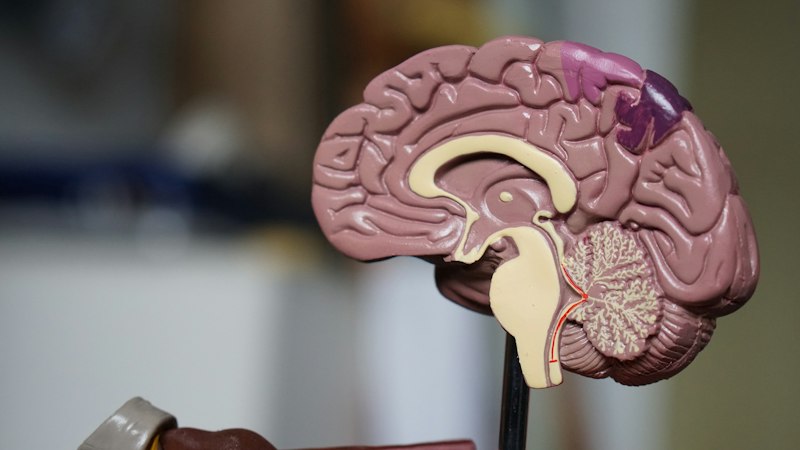
The term “spongiform” refers to the literal appearance of the brain tissue in a patient suffering from a prion disease. Under microscopic examination, the gray matter of the brain appears riddled with small, clear vacuoles, making it look like a kitchen sponge. This vacuolation is caused by the death of neurons and the subsequent clearing of the dead cells, leaving empty spaces behind. The process of spongiosis is often accompanied by gliosis, which is a proliferation of support cells (astrocytes) in response to the neuronal damage. This transformation of the brain’s physical structure is the direct cause of the profound psychological and physical symptoms experienced by the patient.
As the disease progresses, brain atrophy becomes widespread. Unlike the localized atrophy seen in the early stages of Alzheimer’s, prion-related atrophy can be rapid and global. The cerebral cortex, thalamus, and cerebellum are frequently the most affected regions. The destruction of the thalamus is particularly prominent in cases of Fatal Familial Insomnia, as this region acts as the brain’s “switchboard” for sensory information and sleep regulation. The loss of neurons in the cerebellum leads to ataxia, or the loss of muscle coordination, which is a common early sign of many prion disorders.
Another pathological hallmark is the formation of amyloid plaques. These are dense, insoluble deposits of PrPSc that accumulate in the extracellular space. While not present in every case of prion disease, these plaques are a defining feature of vCJD and GSS. The presence of these plaques interferes with normal cellular communication and triggers further neurotoxicity. The combination of vacuolation, neuronal loss, and plaque formation creates a toxic environment that the brain cannot repair, leading to a steady and irreversible decline in all neurological functions.
Clinical Presentation and Neuropsychological Symptoms
The clinical manifestation of prion diseases is characterized by its rapidly progressive nature. While diseases like Alzheimer’s may span a decade, many prion diseases, particularly sCJD, lead to death within six months to a year of the first symptoms. Psychologically, the early stages often present as mood disorders, including depression, anxiety, and social withdrawal. Patients may also experience personality changes and irritability, which can lead to initial misdiagnoses of psychiatric conditions before the neurological symptoms become more apparent.
As the disease advances, cognitive impairment becomes the dominant feature. This includes severe dementia, memory loss, and a decline in executive function. Patients often suffer from visual disturbances, including hallucinations and cortical blindness, as the occipital lobes are affected. One of the most striking physical signs is myoclonus—involuntary, jerky muscle contractions that can be triggered by sudden noises or touch. This symptom is a key diagnostic indicator for Creutzfeldt-Jakob Disease and reflects the profound irritability of the central nervous system.
In the final stages, the patient typically enters a state of akinetic mutism, where they are unable to speak or move despite appearing to be awake. The loss of motor control leads to dysphagia (difficulty swallowing), which often results in aspiration pneumonia, the most common cause of death for those with prion diseases. The psychological burden on families is immense, as they must witness a loved one’s rapid transition from a healthy individual to a state of total cognitive and physical dependency in a matter of weeks.
Diagnostic Challenges and Modern Detection Methods
Diagnosing a prion disease is notoriously difficult, particularly in the early stages when symptoms overlap with more common neurodegenerative or psychiatric disorders. Historically, a definitive diagnosis could only be made through a brain biopsy or a post-mortem examination. However, because prions are highly infectious and resistant to standard sterilization, brain biopsies are avoided whenever possible to prevent the contamination of surgical equipment and the risk of iatrogenic transmission (transmission through medical procedures).
In recent years, diagnostic capabilities have improved significantly. Magnetic Resonance Imaging (MRI), specifically diffusion-weighted imaging (DWI), has become a vital tool, as it can detect characteristic patterns of high signal intensity in the basal ganglia and cerebral cortex. Another important test is the analysis of cerebrospinal fluid (CSF). The presence of the 14-3-3 protein was long used as a marker for neuronal death, but it is not specific to prion diseases. A newer and more accurate test is the Real-Time Quaking-Induced Conversion (RT-QuIC) assay. This technology allows scientists to detect even minute amounts of misfolded prions in CSF or nasal swabs by magnifying the misfolding process in a laboratory setting.
Despite these advancements, there is no cure for any known prion disease. Treatment is entirely palliative, focused on managing symptoms and ensuring the patient’s comfort. Benzodiazepines may be used to treat myoclonus, and antipsychotics can help manage hallucinations and agitation. The lack of an effective treatment is largely due to the difficulty of crossing the blood-brain barrier and the challenge of targeting a protein that is so similar to the body’s own healthy proteins without causing significant side effects. Research into antisense oligonucleotides (ASOs), which aim to reduce the production of the normal PrPc protein, represents one of the most promising avenues for future therapy.
Epidemiology and Public Health Implications
The epidemiological study of prions is essential for preventing outbreaks and protecting the food supply. The most significant public health crisis involving prions was the BSE epidemic in the United Kingdom during the late 20th century. This event led to the implementation of strict regulations regarding the rendering of animal carcasses and the removal of “high-risk” tissues, such as the brain and spinal cord, from the human food chain. The emergence of variant CJD in humans who had consumed BSE-infected beef proved that prions could cross the species barrier, a discovery that had profound implications for global trade and food safety.
Another area of concern is iatrogenic transmission, which occurs when prions are accidentally transferred during medical or surgical procedures. Cases have been documented involving contaminated human growth hormone derived from cadaveric pituitary glands, dura mater grafts, and corneal transplants. Because prions bind strongly to metal surfaces and survive standard autoclaving (steam sterilization), specialized cleaning protocols using high concentrations of sodium hydroxide or bleach are required for surgical instruments used on suspected prion patients. These risks have led to the use of disposable instruments in many high-risk procedures.
In the United States and Canada, Chronic Wasting Disease (CWD) in deer and elk populations is a growing concern. While there has been no documented evidence of CWD jumping to humans, the possibility remains a subject of intense surveillance. Public health officials advise hunters to have their meat tested and to avoid consuming animals that appear sick or “wasted.” The persistence of prions in the environment—they can remain infectious in the soil for years—makes the management of CWD an incredibly complex ecological and public health challenge.
The Psychological Impact and Future of Prion Research
The study of prions extends beyond the realm of rare diseases, offering profound insights into the nature of proteotoxicity and the aging brain. There is an increasing recognition that the “prion-like” spread of misfolded proteins may be the underlying mechanism for many common conditions. In Alzheimer’s disease, the beta-amyloid and tau proteins exhibit similar seeding behaviors; in Parkinson’s, alpha-synuclein behaves in a comparable manner. Understanding how prions refold and propagate could therefore unlock treatments for millions of people worldwide who suffer from various forms of dementia.
From a psychological perspective, the study of prions forces a re-evaluation of the relationship between brain structure and personality. The rapid dissolution of the self that occurs in CJD patients highlights the fragility of human consciousness and its total dependence on the integrity of neuronal proteins. The neuropsychiatric manifestations of these diseases—such as the rapid loss of language, the onset of profound delusions, and the eventual loss of all voluntary movement—provide a somber map of how specific brain regions contribute to the human experience.
Future research is focused on early detection and gene silencing. If the PRNP gene can be “turned off” or its expression significantly reduced before the onset of symptoms, it may be possible to prevent the accumulation of PrPSc. Furthermore, the development of small molecules that can stabilize the PrPc protein and prevent it from misfolding is a major goal of current pharmacology. While the prion remains one of the most mysterious and deadly agents in biology, the pursuit of understanding it continues to drive some of the most innovative and important research in modern neuroscience and psychology.
Summary of Key Prion Concepts
- Infectious Protein: Prions are unique because they lack genetic material and consist only of misfolded proteins.
- Conformational Change: The disease is caused when PrPc (alpha-helix rich) transforms into PrPSc (beta-sheet rich).
- Neurodegeneration: The accumulation of prions leads to spongiform change, neuronal death, and brain atrophy.
- Transmission: Prion diseases can be sporadic, inherited through genetic mutation, or acquired through ingestion or medical exposure.
- Resistance: Prions are notoriously resistant to standard sterilization methods, posing a significant challenge to public health.
- Psychological Decline: Clinical symptoms include rapidly progressive dementia, personality changes, myoclonus, and eventual akinetic mutism.