School Refusal: Why Your Anxious Child Stays Home
Scientifically Reviewed · Dr. Marwa Abd-Alazim · September 30, 2026
Review Criteria & Clinical Standards
This content undergoes rigorous scientific peer-review and medical editorial standards at Arab Psychology Network to ensure clinical accuracy, validity, and compliance with evidence-based guidelines from leading psychological and healthcare authorities (APA / WHO).
Defining the Scope of School Refusal
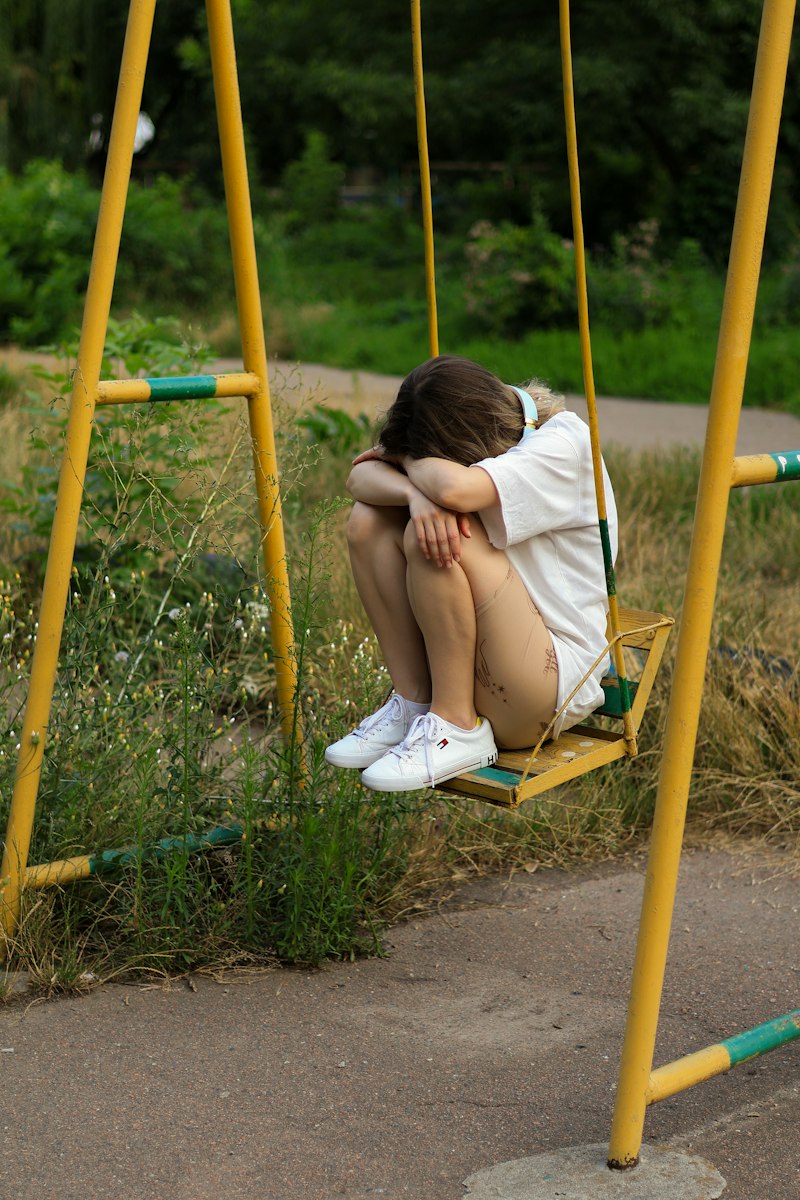
The clinical phenomenon of school refusal describes a child’s profound emotional distress and persistent reluctance or refusal to attend school, often resulting in significant periods of absence that jeopardize their academic and social development. Unlike temporary reluctance that many children experience, school refusal is characterized by intense psychological symptoms that manifest specifically in relation to the school environment or the act of leaving home. This behavior is considered a complex emotional problem rather than a simple act of defiance, as it is frequently rooted in underlying internalizing disorders such as anxiety or depression. The severity of the condition can range from initial complaints about attending school to complete withdrawal from the educational setting, necessitating a comprehensive understanding of the child’s emotional state and the environmental factors contributing to their distress.
At its core, school refusal represents a breakdown in the child’s ability to cope with the demands of the educational environment, whether those demands are social, academic, or related to the separation from primary caregivers. Experts distinguish this behavior from other forms of school non-attendance by focusing on the emotional etiology of the refusal, noting that the child often experiences genuine physiological and psychological suffering when faced with the prospect of attendance. Because the child typically remains at home with the knowledge of the parents—though often against the parents’ best efforts to encourage attendance—the condition requires a different intervention strategy than traditional disciplinary measures. The historical terminology for this condition, such as school phobia, has largely been replaced by the broader term “school refusal” to reflect the diverse range of anxieties and motivations that can drive the behavior.
Current psychological research emphasizes that school refusal is not a standalone diagnosis in the Diagnostic and Statistical Manual of Mental Disorders (DSM-5), but is instead viewed as a symptomatic manifestation of various underlying conditions. It is most frequently associated with separation anxiety disorder, social anxiety disorder, and generalized anxiety disorder, though it may also be linked to major depressive disorder in older adolescents. The prevalence of school refusal is estimated to be between 1% and 5% of the school-age population, appearing equally across genders and various socioeconomic backgrounds. Understanding the nuances of this condition is essential for clinicians, educators, and parents, as early identification and intervention are the most significant predictors of a successful return to the classroom and the prevention of long-term psychiatric morbidity.
Differentiating School Refusal from Truancy
One of the most critical steps in the clinical assessment of school attendance problems is the clear differentiation between school refusal and truancy. While both involve missed school days, their psychological profiles, behavioral presentations, and long-term outcomes differ substantially. Truancy is typically characterized by a lack of emotional distress regarding school attendance; instead, truant students often skip school to engage in pleasurable activities or social interactions with peers outside the school setting. Furthermore, truancy is frequently associated with conduct disorder or oppositional defiant disorder, and the absences are often concealed from parents. In contrast, children exhibiting school refusal are usually transparent about their inability to attend, and their time away from school is marked by anxiety and emotional upheaval rather than antisocial behavior.
The distinction also extends to the home environment and the child’s behavior while absent from the classroom. A child experiencing school refusal is likely to remain at home, seeking the comfort and safety of their familiar environment, and may display prosocial behavior within the domestic sphere despite their inability to function in the school setting. Conversely, truant children are more likely to demonstrate a pattern of rule-breaking, lack of interest in academic achievement, and a higher propensity for delinquent activities. By identifying these differences, practitioners can tailor their interventions; whereas truancy might require behavioral monitoring and disciplinary consequences, school refusal demands a therapeutic approach focused on anxiety management and gradual desensitization to the school environment.
Furthermore, the long-term trajectories of these two groups tend to diverge, highlighting the importance of accurate classification. Truancy is often a precursor to later criminal justice involvement and lower socioeconomic status, while school refusal, if left untreated, is more closely linked to chronic adult anxiety disorders, social isolation, and academic underachievement. The diagnostic process must therefore involve a thorough review of the child’s activities during absences, their level of emotional distress, and their willingness to cooperate with parental authority. By establishing that the child’s absence is driven by fear or emotional overwhelm rather than a desire for autonomy or antisocial engagement, clinicians can validate the child’s experience and begin the process of cognitive-behavioral intervention.
Somatic Symptoms and Behavioral Presentations
Children struggling with school refusal often present with a wide array of somatic symptoms that appear most intensely on school mornings and frequently subside once the child is permitted to remain at home. These physical complaints are not malingering; they are genuine physiological manifestations of the child’s underlying anxiety, mediated by the autonomic nervous system. Common somatic indicators include:
- Gastrointestinal distress, such as stomachaches, nausea, or vomiting.
- Neurological complaints, including chronic headaches or dizziness.
- Autonomic arousal, characterized by rapid heartbeat, sweating, and trembling.
- Sleep disturbances, such as insomnia or nightmares centered on school themes.
These symptoms often create a cycle of physical discomfort that provides a “legitimate” reason for the child to stay home, which in turn reinforces the avoidant behavior through negative reinforcement, as staying home immediately alleviates the physical and emotional pain.
The behavioral presentation of school refusal often follows a predictable temporal pattern, with symptoms escalating as the time to depart for school approaches. Parents may describe a “morning battle” involving pleading, crying, temper tantrums, or even physical resistance. In some cases, the child may display selective mutism or complete withdrawal, refusing to speak or move when school is mentioned. It is common for these children to promise that they will attend school the following day once the immediate pressure of the current day is removed, only for the cycle of distress to repeat the next morning. This pattern of behavior is exhausting for both the child and the family, often leading to significant familial conflict and caregiver burnout as parents struggle to balance empathy with the legal and educational necessity of school attendance.
In addition to the acute morning symptoms, the child’s behavior may also change on Sunday evenings or at the end of school holidays, as the anticipation of returning to the classroom triggers a resurgence of anxiety. This anticipatory anxiety can manifest as irritability, clinginess, or a sudden preoccupation with health and safety. For older children and adolescents, the presentation may be more subtle, involving prolonged periods of “getting ready” that result in chronic lateness, or frequent visits to the school nurse in an attempt to be sent home early. Recognizing these behavioral cues early is vital, as the longer a child remains out of school, the more difficult it becomes to break the cycle of avoidance and the more ingrained the avoidance behavior becomes within the child’s coping repertoire.
The Four Functional Domains of School Attendance Problems
To better understand the motivations behind school refusal, psychologists often utilize the functional model developed by Kearney and Silverman, which categorizes the behavior into four primary functional domains. The first domain involves the avoidance of negative affectivity, where the child refuses school to escape unpleasant feelings such as anxiety, depression, or general dread associated with the school building or the journey there. In these cases, the school environment itself is perceived as a source of emotional pain, and the refusal is a direct attempt to regulate those overwhelming internal states. Interventions for this group typically focus on relaxation training and emotional regulation skills to help the child tolerate the discomfort of the school day.
The second functional domain is the escape from social or evaluative situations. This is frequently seen in children with social anxiety or those who fear being judged by peers and teachers. These children may avoid school to escape the pressure of oral presentations, physical education classes, or the unstructured social interactions of the cafeteria and playground. The third domain involves attention-seeking behavior, where the school refusal is motivated by a desire to remain with a primary caregiver, often seen in younger children with separation anxiety. In this scenario, the child’s refusal is less about the school itself and more about the perceived need to maintain proximity to the parent, often driven by fears that something catastrophic will happen to the parent while the child is away.
The fourth and final domain is the pursuit of tangible rewards outside of the school setting. This function is more closely aligned with truancy but can overlap with school refusal when a child finds that staying home provides access to reinforcing activities like playing video games, watching television, or spending time with friends who are also not in school. Understanding which of these four functions is primary for a specific child is essential for developing an effective treatment plan. For example, a child avoiding social evaluation requires social skills training and exposure therapy, whereas a child seeking parental attention requires contingency management and parent training to ensure that staying home is not a rewarding experience.
Developmental Transitions and Environmental Stressors
School refusal often emerges or intensifies during critical developmental transitions, such as the move from elementary to middle school or the transition to high school. These periods are characterized by increased academic demands, a shift from a single classroom to multiple teachers, and a more complex social hierarchy, all of which can overwhelm a child’s existing coping mechanisms. For many children, the loss of the “security blanket” of a consistent teacher and a small, familiar peer group triggers latent anxieties. Furthermore, the increased emphasis on social comparison and peer acceptance during adolescence makes the school environment a high-stakes arena where any perceived failure can lead to a desire for total withdrawal.
Environmental stressors within the school itself also play a significant role in the etiology of school refusal. Bullying and peer victimization are major contributors, as the school becomes a place of perceived or actual physical and emotional danger. Even in the absence of overt bullying, a child may feel alienated or isolated due to learning disabilities, neurodivergence (such as Autism Spectrum Disorder or ADHD), or a lack of social support. Academic pressure can also be a catalyst, particularly for children who struggle with perfectionism or those who have undiagnosed learning gaps. When the school environment is perceived as consistently punitive or unrewarding, the child’s motivation to attend diminishes, and the avoidance response becomes a protective mechanism against chronic stress.
Beyond the school walls, external life stressors can exacerbate a child’s reluctance to attend school. Significant life changes, such as a family relocation, parental divorce, or the death of a loved one, can deplete a child’s emotional reserves, making the daily effort of school attendance feel insurmountable. In some cases, the child may feel a “burden of care” for a parent who is struggling with their own mental or physical health, leading the child to stay home to monitor or support the parent. This role reversal or enmeshment creates a powerful pull toward the home environment, making the school seem like an unnecessary or even dangerous distraction from their perceived familial duties. Identifying these environmental and developmental triggers is a cornerstone of a thorough biopsychosocial assessment.
The Role of Family Dynamics and Parenting Styles
Family dynamics play a central role in both the development and the maintenance of school refusal behavior. In many instances, there is a high level of family cohesion or enmeshment, where the boundaries between family members are blurred, making separation particularly difficult for the child. Parents who themselves struggle with anxiety or depression may inadvertently model avoidant behavior or project their own fears regarding the outside world onto the child. This intergenerational transmission of anxiety can create an environment where the child perceives the world outside the home as inherently threatening, and the home as the only truly safe haven. Consequently, the child’s refusal to attend school may be a mirror of the family’s collective difficulty with autonomy and independence.
Parenting styles also significantly influence the trajectory of school refusal. Overprotective parenting, while often well-intentioned, can prevent a child from developing the necessary resilience and problem-solving skills to navigate the challenges of the school environment. When parents “rescue” the child from the discomfort of school by allowing them to stay home, they may unintentionally reinforce the child’s belief that they are incapable of handling stress. Conversely, a highly authoritarian or critical parenting style can increase the child’s performance anxiety and fear of failure, making the school setting feel like a constant source of potential criticism. Striking a balance between empathy for the child’s distress and firm expectations for attendance is one of the most challenging aspects of managing school refusal from a parental perspective.
The presence of marital conflict or high levels of household stress can also contribute to a child’s desire to remain at home. Children are often highly sensitive to the emotional climate of their household and may feel that their presence at home acts as a buffer between fighting parents or provides necessary emotional support to a distressed caregiver. In these cases, the school refusal is a maladaptive coping strategy aimed at maintaining family stability. Effective treatment must therefore involve the entire family system, utilizing family therapy to address communication patterns, establish healthy boundaries, and empower parents to use consistent contingency management strategies that reward school attendance and discourage stay-at-home behaviors.
Clinical Assessment and Multimodal Evaluation
A comprehensive clinical assessment is the foundation of any successful intervention for school refusal. This process should begin with a detailed clinical interview with both the child and the parents to establish the timeline of the refusal, the specific triggers, and the presence of comorbid psychiatric conditions. Clinicians often use standardized tools, such as the School Refusal Assessment Scale-Revised (SRAS-R), to identify which of the four functional domains is driving the behavior. This scale provides quantitative data that helps distinguish between children who are avoiding negative affect and those who are seeking tangible rewards, allowing for a more targeted and effective treatment strategy.
In addition to psychological testing, a thorough evaluation must include a review of the child’s medical history to rule out underlying physical illnesses that could explain the somatic symptoms. Collaboration with the child’s pediatrician is essential to ensure that any physical complaints are managed appropriately while emphasizing the psychological nature of the school-related distress. The assessment should also involve a functional behavioral analysis, which looks at the antecedents and consequences of the refusal. By examining what happens immediately before the child refuses school and what happens while they are at home, clinicians can identify the reinforcing factors that are maintaining the avoidant behavior, such as extra sleep, one-on-one time with a parent, or access to electronics.
Information from the school is equally vital in the evaluation process. Teachers, school counselors, and administrators can provide insight into the child’s social interactions, academic performance, and behavior during the hours they are actually in attendance. This multimodal approach ensures that the clinician has a 360-degree view of the child’s functioning across different environments. The goal of the assessment phase is not only to diagnose the underlying anxiety but also to build a collaborative relationship between the family, the school, and the clinical team. This alliance is crucial for the implementation of the re-entry plan, as it requires all parties to be aligned in their approach and committed to the child’s gradual return to the classroom.
Cognitive-Behavioral Therapy and Exposure Techniques
Cognitive-Behavioral Therapy (CBT) is widely considered the gold-standard psychological treatment for school refusal. The primary goal of CBT in this context is to help the child identify and challenge the distorted thought patterns—or cognitive distortions—that fuel their anxiety about school. For example, a child might believe that “something terrible will happen to my mom if I leave her” or “everyone will laugh at me if I make a mistake in class.” Through cognitive restructuring, the therapist helps the child replace these catastrophic thoughts with more realistic and balanced perspectives. This process is often paired with psychoeducation, which teaches the child about the nature of anxiety and how the “fight-or-flight” response manifests in their body.
A central component of CBT for school refusal is systematic desensitization and graded exposure. This involves creating an “anxiety hierarchy,” where the child ranks school-related activities from least to most frightening. The child is then gradually exposed to these triggers in a controlled manner, starting with the least distressing. For instance, the hierarchy might begin with:
- Driving past the school building on a weekend.
- Walking to the school entrance after hours.
- Attending school for one hour in the counselor’s office.
- Attending a favorite class for one period.
- Completing a full day of school.
By successfully navigating these smaller steps, the child builds self-efficacy and learns that their anxiety will naturally decrease over time through a process called habituation.
In addition to exposure work, CBT incorporates relaxation training techniques, such as deep breathing, progressive muscle relaxation, and mindfulness, to help the child manage the physical symptoms of anxiety in real-time. Social skills training may also be included if the child’s refusal is driven by social evaluative fears. The therapist works with the child to role-play challenging social scenarios, providing them with a “toolkit” of responses for interacting with peers and teachers. The success of CBT depends heavily on the child’s active participation and the consistent application of these skills outside of the therapy session, making homework assignments and parent involvement integral parts of the therapeutic process.
Educational Accommodations and Re-entry Strategies
Successfully returning a child to the classroom after a period of school refusal requires a highly coordinated school re-entry plan. This plan should be developed collaboratively by the parents, the clinical team, and school staff, often formalized through a Section 504 Plan or an Individualized Education Program (IEP) if the child qualifies. Accommodations are designed to lower the initial barrier to attendance and provide the child with a sense of safety and control. Common strategies include allowing the child to arrive a few minutes late to avoid the chaos of the morning bell, providing a “safe person” (such as a preferred teacher or counselor) they can check in with, or offering a designated “quiet space” where the child can go if they feel overwhelmed.
Academic accommodations are also necessary to reduce the stress associated with missed work. Teachers may need to temporarily reduce the workload, extend deadlines, or allow the child to complete certain assignments in a private setting rather than in front of the class. The focus during the initial re-entry phase should be on attendance over performance; the primary goal is simply to get the child into the building and keep them there for increasing periods of time. As the child becomes more comfortable, the academic expectations can be gradually increased. It is important that the school maintains a non-punitive atmosphere, as the fear of being “in trouble” for missed days can further fuel the child’s desire to avoid school.
Communication between the home and school during this period must be frequent and transparent. Parents should inform the school of any significant morning struggles, and the school should provide feedback on the child’s progress throughout the day. If the child becomes highly distressed during school hours, the plan should outline specific steps for the staff to follow—ideally encouraging the child to stay in the building rather than sending them home. This consistency across environments is vital; if the child learns that they can be sent home by exhibiting a certain level of distress, the avoidant behavior will be reinforced. The ultimate goal is to create a supportive “scaffolding” that can be slowly removed as the child’s confidence and resilience grow.
Prognosis and Long-Term Developmental Impact
The prognosis for children with school refusal is generally favorable, provided that intervention occurs early and involves a multidisciplinary approach. Children who receive prompt treatment that addresses both the underlying anxiety and the functional motivations for their behavior are significantly more likely to return to full-time attendance and achieve their academic potential. Factors that contribute to a positive outcome include high levels of parental motivation, a collaborative relationship with the school, and the absence of severe comorbid conditions. Conversely, the longer the duration of the school absence before treatment begins, the more challenging the recovery process tends to be, as the child becomes increasingly disconnected from their peer group and the academic curriculum.
If school refusal is left untreated, the long-term consequences can be significant. Academically, chronic absenteeism leads to learning gaps, lower standardized test scores, and an increased risk of dropping out of school entirely. Socially, the child may experience profound isolation, as they miss out on the critical socialization processes that occur during the school years. This isolation can lead to a lack of confidence in social settings and difficulty forming healthy relationships in adulthood. Furthermore, the avoidant coping style developed during school refusal can generalize to other areas of life, potentially leading to employment difficulties and a higher risk of developing chronic anxiety and depressive disorders in later life.
Research into the adult outcomes of individuals who experienced school refusal as children suggests a higher incidence of agoraphobia and panic disorder compared to the general population. However, it is also noted that many individuals go on to lead successful, productive lives if they develop effective coping strategies and receive appropriate psychological support. The key to mitigating long-term impact lies in viewing school refusal not as a temporary phase of childhood “moodiness,” but as a significant mental health challenge that requires professional attention. By prioritizing the child’s emotional well-being and fostering a supportive environment both at home and at school, we can ensure that these children regain their path toward a healthy and fulfilling future.