Constructivist Learning: Rethinking Modern Education
Scientifically Reviewed · Dr. Marwa Abd-Alazim · September 22, 2026
Review Criteria & Clinical Standards
This content undergoes rigorous scientific peer-review and medical editorial standards at Arab Psychology Network to ensure clinical accuracy, validity, and compliance with evidence-based guidelines from leading psychological and healthcare authorities (APA / WHO).
Historical Context and the Genesis of Progressive Education
The concept of progressive education represents a significant departure from the traditional, teacher-centric models that dominated the educational landscape for centuries. Although its foundations were firmly established in the 19th century, this pedagogical philosophy has experienced a resurgence in contemporary discourse, particularly as modern societies grapple with the demands of the 21st-century workforce. At its core, progressive education is defined by a commitment to learner-centered environments, where the primary objective is to foster an atmosphere of exploration and discovery rather than rote memorization and passive reception of information.
Historically, the movement emerged as a reaction against the perceived rigidity of formal schooling, which often prioritized discipline and standardization over individual curiosity. Influential thinkers argued that education should be an active process, deeply intertwined with the social and psychological development of the child. By the late 19th and early 20th centuries, these ideas began to coalesce into a formal movement that sought to transform the classroom into a laboratory for democracy and social progress. Today, this approach remains particularly relevant in diverse educational settings, including schools serving children from disadvantaged backgrounds, where it acts as a catalyst for social mobility and personal empowerment.
The transition from traditional to progressive models involves a fundamental shift in how knowledge is perceived and transmitted. Rather than viewing the student as an empty vessel to be filled by the instructor, the progressive approach views the student as a co-creator of knowledge. This paradigm shift encourages educators to consider the unique psychological needs of each learner, ensuring that the curriculum is responsive to their lived experiences and interests. Consequently, progressive education is not merely a set of teaching techniques but a holistic philosophy that seeks to align the educational experience with the natural processes of human growth and cognitive development.
In recent years, the popularity of this approach has grown as researchers and practitioners have identified its potential to bridge the achievement gap. By providing students with a sense of agency and academic autonomy, progressive schools can engage learners who might otherwise feel alienated by conventional systems. This increased popularity is also driven by a growing recognition that the skills required for success in the modern world—such as adaptability and complex problem-solving—are best cultivated in environments that prioritize experiential learning and collaborative inquiry over standardized testing and lecture-based instruction.
The Core Rationale: Empowering the Individual Learner
The primary rationale underpinning progressive education is the belief that every student possesses a unique set of interests, learning styles, and untapped potential. By moving away from a “one-size-fits-all” curriculum, educators can create a more inclusive environment that celebrates individual differences and encourages students to engage deeply with the subject matter. This approach is grounded in the idea that learning is most effective when it is personally meaningful, allowing students to connect new information to their existing knowledge and personal passions.
Furthermore, the learner-centered nature of progressive education empowers students to take an active role in their own development. When students are given the freedom to explore their interests, they develop a sense of ownership over their education, which in turn fuels intrinsic motivation. This psychological shift is crucial, as it transforms the act of learning from a compulsory task into a rewarding pursuit of self-discovery. By fostering this sense of agency, progressive education helps students build the self-regulation skills necessary for lifelong learning and professional success.
The rationale also emphasizes the importance of creative exploration and collaborative inquiry. By engaging with complex problems in a supportive, social context, students are able to develop a more nuanced and sophisticated understanding of the world around them. This creative process allows for the integration of various disciplines, encouraging students to see the connections between disparate fields of study. Ultimately, the goal is to produce well-rounded individuals who are not only knowledgeable but also capable of applying their insights to real-world challenges in innovative and ethical ways.
According to research by Rose (2017), the progressive approach is essential for equipping students with a suite of essential life skills. These include, but are not limited to, the following competencies:
- Critical thinking and the ability to analyze information from multiple perspectives.
- Complex problem-solving skills that can be applied to diverse and unpredictable scenarios.
- Enhanced self-expression and the ability to articulate complex ideas clearly.
- Strong collaboration and interpersonal communication abilities.
- Individual creativity and the capacity for original thought.
Fundamental Methodologies: Experiential and Project-Based Learning
The implementation of progressive education relies on a variety of dynamic methodologies designed to engage students in active inquiry. One of the most prominent methods is experiential learning, which prioritizes direct experience and reflection. In this model, students learn by doing, whether through scientific experiments, artistic creation, or community engagement. This hands-on approach ensures that theoretical concepts are grounded in practical reality, making the learning process more tangible and memorable for the student.
Another cornerstone of the progressive classroom is project-based learning (PBL). This method involves students working over an extended period to investigate and respond to an authentic, engaging, and complex question, problem, or challenge. Through PBL, students develop deep content knowledge as well as critical thinking and communication skills. The project-based approach allows for a high degree of student-led inquiry, as learners must navigate the complexities of their chosen topic, manage their time, and collaborate with their peers to achieve a successful outcome.
In addition to these strategies, problem-based learning is frequently employed to stimulate cognitive growth. In this setting, students are presented with an open-ended problem and must work together to find a solution. This process requires them to identify what they already know, what they need to learn, and where they can find the necessary information. This methodology mirrors the challenges students will face in their future careers, thereby providing them with a practical toolkit for navigating the professional world. By focusing on the process of discovery rather than just the final answer, educators help students develop a robust and flexible intellectual framework.
These methods are often supplemented by student-centered learning environments where the physical and social structure of the classroom is designed to facilitate interaction. Instead of rows of desks facing a podium, progressive classrooms often feature flexible seating and collaborative workspaces. This environment supports peer-group learning, where students are encouraged to teach and learn from one another. Such interactions are vital for developing social intelligence and empathy, as students must learn to negotiate different viewpoints and work toward common goals in a respectful and productive manner.
Collaborative Frameworks and Peer-Group Dynamics
Collaboration is not merely a technique within progressive education; it is a foundational principle that reflects the social nature of human cognition. Progressive educators recognize that learning is an inherently social act, and that students often reach higher levels of understanding when they work in collaborative groups. By engaging in dialogue with their peers, students are forced to clarify their own thinking, defend their ideas, and consider alternative perspectives. This social interaction is critical for the development of metacognitive skills, as it encourages students to reflect on their own thought processes.
The use of peer-group learning also helps to democratize the classroom. In a traditional setting, the teacher is the sole authority and source of knowledge. In contrast, the progressive model distributes this authority among the students, creating a community of learners. This shift fosters a sense of mutual responsibility and collective achievement. When students feel that their contributions are valued by their peers, their self-esteem and engagement levels increase significantly. This collaborative framework also prepares students for the interdependent nature of modern professional environments, where teamwork is often the key to success.
Furthermore, the emphasis on communication skills within these collaborative frameworks cannot be overstated. Students must learn to express their ideas clearly, listen actively to others, and provide constructive feedback. These interpersonal competencies are essential for building healthy relationships both inside and outside the classroom. By practicing these skills in a safe and supportive environment, students become more confident and effective communicators, which serves as a significant advantage as they transition into higher education and the workforce.
The benefits of a collaborative approach extend to the psychological well-being of the students as well. By working together toward shared objectives, students develop a sense of belonging and community. This is particularly important in schools serving diverse populations, as it helps to break down social barriers and foster a culture of inclusion. The social-emotional learning that occurs through these interactions is just as valuable as the academic content, providing students with the emotional intelligence necessary to navigate the complexities of human interaction throughout their lives.
Measurable Outcomes: Cognitive Growth and Affective Development
While the methods of progressive education are diverse, the outcomes are consistently focused on the holistic development of the student. One of the most significant outcomes is the improvement in student engagement. Because the curriculum is tailored to their interests and involves active participation, students are more likely to be invested in their work. This heightened engagement leads to better attendance, increased persistence in the face of challenges, and a more positive attitude toward school in general.
In addition to engagement, progressive education is strongly associated with the development of critical thinking skills. Rather than memorizing facts, students are taught how to analyze, synthesize, and evaluate information. This intellectual rigor enables them to approach problems with a skeptical and inquisitive mind, a skill that is increasingly vital in an era of information overload. By learning how to think rather than what to think, students become more independent and self-reliant thinkers who are capable of making informed decisions based on evidence and logic.
The affective domain is also significantly impacted by the progressive approach. Students often experience a marked increase in self-confidence and self-efficacy. This growth occurs as students successfully navigate the challenges of project-based and experiential learning, realizing that they have the capacity to solve difficult problems and contribute meaningfully to their community. This sense of personal competence is a powerful predictor of future success, as it encourages individuals to take risks and pursue ambitious goals throughout their lives.
Key outcomes identified by Rose (2017) and other researchers include:
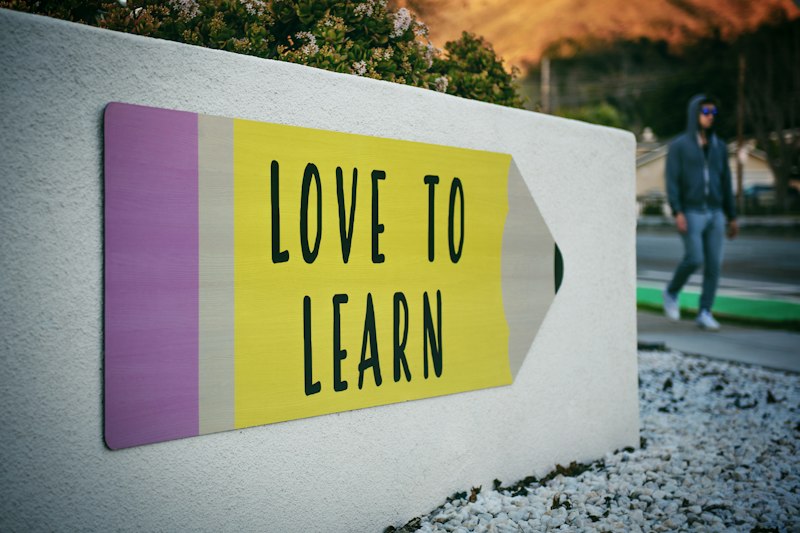
- Enhanced academic engagement and a genuine love for learning.
- The development of sophisticated analytical and critical thinking abilities.
- A robust sense of self-confidence and personal agency.
- Strengthened social and communication skills through constant interaction.
- Improved long-term retention of knowledge through practical application.
Relational Dynamics and the Teacher-Student Partnership
A defining characteristic of progressive education is the transformation of the relationship between teachers and students. In this model, the teacher moves away from the role of an authoritarian lecturer and becomes a facilitator, mentor, and guide. This shift is essential for creating a classroom environment characterized by mutual respect and trust. When students feel that their teacher is a partner in their learning journey, they are more likely to take intellectual risks and engage honestly with the curriculum.
This improved relationship has profound implications for classroom management and the overall learning climate. In a progressive setting, discipline is often handled through collaborative problem-solving rather than punitive measures. Because students have a voice in the classroom and feel respected by their teacher, there is generally less conflict and a greater sense of community cohesion. This positive atmosphere allows teachers to focus more on instruction and less on managing behavior, leading to a more productive and enjoyable experience for everyone involved.
The role of the teacher as a facilitator also requires a high degree of professional expertise and flexibility. Educators must be able to observe their students closely, identify their individual needs, and provide the appropriate level of scaffolding to support their growth. This personalized approach ensures that every student is adequately challenged without being overwhelmed. By fostering a culture of trust, teachers can help students develop the resilience needed to learn from failure and the curiosity needed to explore new ideas without fear of judgment.
Ultimately, the teacher-student partnership in progressive education is built on the recognition of the student’s humanity. It acknowledges that education is not just a cognitive process but an emotional and social one as well. By prioritizing strong interpersonal connections, progressive educators create a safety net that allows students to thrive academically and personally. This relational foundation is what makes the progressive approach so effective, particularly for students who may have struggled in more impersonal or high-pressure traditional settings.
Addressing the Complexity of Implementation and Assessment
Despite the numerous benefits, the adoption of a progressive approach is not without its challenges. One of the primary difficulties lies in ensuring that all students remain consistently engaged in the learning process. Because this model relies heavily on student initiative, there is a risk that some learners may struggle to find their footing or may become overwhelmed by the lack of rigid structure. Educators must be highly skilled in providing the necessary guidance and support to ensure that no student is left behind in a self-directed environment.
Another significant challenge involves the measurement of impact and student progress. Traditional assessment tools, such as standardized multiple-choice tests, are often inadequate for capturing the complex skills cultivated in a progressive classroom, such as critical thinking, creativity, and collaboration. Developing valid and reliable alternative assessments—such as portfolios, presentations, and self-evaluations—requires significant time and effort from educators. Furthermore, navigating the tension between progressive ideals and the requirements of state or national testing mandates can be a source of frustration for many schools.
Additionally, some students and parents may find the progressive approach difficult to understand or navigate, especially if they are accustomed to traditional educational norms. There may be concerns that the lack of a standardized curriculum will lead to gaps in knowledge or that the emphasis on collaboration will disadvantage individual high-achievers. Overcoming these perceptions requires transparent communication and a clear articulation of how progressive methods lead to superior long-term outcomes. Educators must work closely with families to build support for the model and to demonstrate its efficacy through tangible results.
Finally, implementing progressive education requires a substantial investment in teacher training and professional development. Transitioning from a traditional to a progressive model is a complex process that involves unlearning old habits and adopting a new pedagogical mindset. Schools must provide teachers with the time and resources needed to collaborate, reflect on their practice, and refine their methods. Without this systemic support, the implementation of progressive education may become superficial, failing to achieve the deep transformative potential that the philosophy promises.
Future Directions and Philosophical Synthesis
In conclusion, progressive education stands as a powerful and innovative approach to learning that addresses the holistic needs of the modern student. By prioritizing learner-centered, experiential, and collaborative strategies, this model fosters an environment where students can develop their full potential. The evidence suggests that such an approach not only improves academic engagement and critical thinking skills but also builds the self-confidence and interpersonal competencies necessary for success in an increasingly complex world.
As we look toward the future, the principles of progressive education are likely to become even more central to educational reform. In an era where information is readily available at our fingertips, the value of education lies not in the transmission of facts but in the development of the intellectual and social tools needed to navigate and shape the world. While the challenges of implementation and assessment remain, the potential rewards for students, educators, and society as a whole are immense. By embracing the spirit of inquiry and the importance of individual agency, we can create an educational system that truly prepares the next generation for the challenges and opportunities of the future.
Ultimately, the journey toward a more progressive educational landscape requires a commitment to continuous reflection and adaptation. Educators must remain open to new ideas while staying grounded in the core values of respect, collaboration, and student empowerment. As highlighted by Rose (2017), the importance of this approach lies in its ability to transform the school experience from a passive requirement into a vibrant, life-affirming process of discovery. By continuing to refine these methods and address the inherent challenges, the progressive movement will continue to serve as a beacon of innovation in the field of educational psychology.