Psychomotor Skills: Harmonize Your Mind and Body
Scientifically Reviewed · Dr. Marwa Abd-Alazim · October 6, 2026
Review Criteria & Clinical Standards
This content undergoes rigorous scientific peer-review and medical editorial standards at Arab Psychology Network to ensure clinical accuracy, validity, and compliance with evidence-based guidelines from leading psychological and healthcare authorities (APA / WHO).
Introduction: Defining Psychomotor Skill
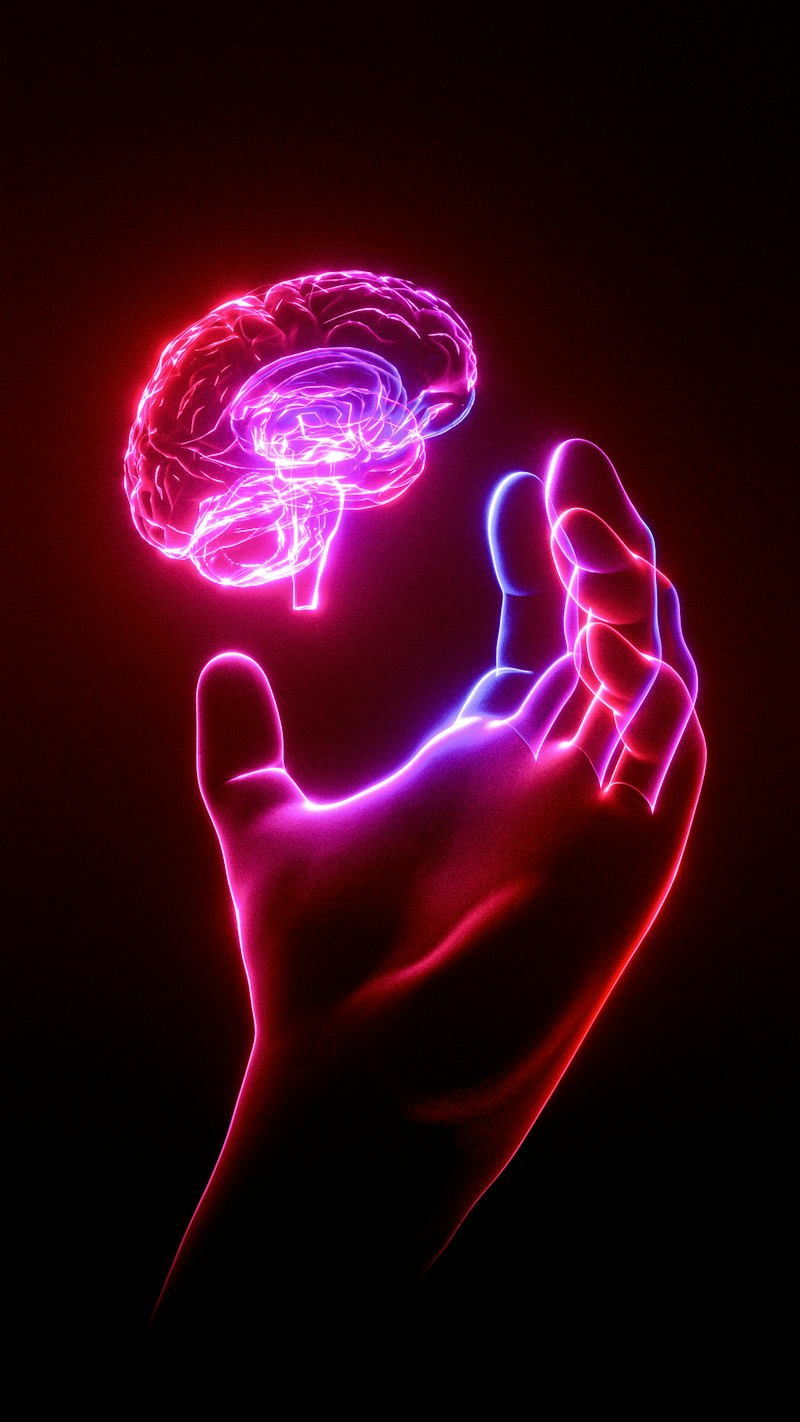
A psychomotor skill is fundamentally defined as the intricate ability to seamlessly integrate physical movement with mental processes to achieve a specific, desired outcome. This complex interplay signifies more than mere physical action; it encompasses the cognitive planning, sensory perception, and feedback mechanisms that guide and refine movement. It stands as a crucial component of holistic human development, influencing not only physical capabilities but also profound aspects of cognitive development and emotional development. The study of psychomotor skills has garnered extensive attention across diverse academic disciplines, including neuroscience, psychology, and education, reflecting its pervasive importance in human functioning.
The core mechanism underlying psychomotor skill involves a continuous loop of perception, cognition, and action. Individuals perceive information from their environment through various senses, process this information cognitively to formulate a plan or strategy, and then execute a motor response. Crucially, this process is not linear; it involves constant feedback, where the outcomes of movements are perceived and used to adjust subsequent actions. This iterative refinement allows for the development of efficiency, precision, and adaptability in movement, enabling humans to navigate and interact with their world effectively. From the simplest acts of daily living to highly specialized professional tasks, psychomotor proficiency is indispensable.
In essence, psychomotor skills are the sophisticated integration of mind and body, enabling purposeful and adaptive interaction with the environment. They are evident in virtually every aspect of daily life, from fundamental actions like walking, eating, and writing, to more complex engagements such as participating in sports or performing intricate surgical procedures. Understanding these skills involves delving into their various classifications, exploring their developmental trajectories across the lifespan, and recognizing their significant implications for both educational practices and therapeutic interventions designed to optimize human potential.
The Foundations of Psychomotor Development
The systematic study of psychomotor skills gained significant traction in the 20th century, though philosophical inquiries into the mind-body connection span millennia. Early pioneers in psychology and education, such as researchers in the nascent fields of experimental psychology and educational psychology, began to quantify and analyze human movement and its cognitive underpinnings. Figures like Edward L. Thorndike, though primarily known for his work on learning theories, laid foundational groundwork by emphasizing the importance of practice and the formation of habits, which are intrinsically linked to the refinement of motor skills. Later, researchers like Franklin Henry, often considered the “father of motor behavior” in North America, established motor skills as a distinct area of scientific inquiry in the mid-20th century, moving beyond mere physical education to a more analytical understanding of how movements are learned, controlled, and adapted.
The mid-20th century saw a proliferation of research into human performance, particularly influenced by the demands of military training and industrial efficiency. This period highlighted the need to understand how individuals acquire complex skills, leading to the development of various theories of motor learning and control. Psychologists and physiologists collaborated to understand the neural and cognitive mechanisms that govern movement. The concept of psychomotor skill emerged as a way to encapsulate the idea that physical actions are rarely purely mechanistic; they are infused with cognitive elements such as attention, decision-making, memory, and problem-solving. This shift marked a crucial evolution from viewing movement as a simple reflex to recognizing it as a sophisticated, cognitively guided process.
The origins of this idea are rooted in observations of human development and learning, recognizing that successful interaction with the environment requires more than just physical strength or dexterity. It necessitates the ability to plan, monitor, and adjust movements based on sensory input and desired outcomes. This recognition paved the way for a more comprehensive understanding of skill acquisition, moving beyond simple stimulus-response models to embrace the intricate neural pathways and cognitive strategies involved in mastering complex tasks. The historical trajectory of psychomotor research thus reflects a growing appreciation for the interconnectedness of mind and body in all forms of skilled performance.
Categorization of Psychomotor Skills
To better understand the multifaceted nature of human movement and its cognitive underpinnings, psychomotor skills are typically categorized into distinct yet interconnected groups. These classifications help in both theoretical analysis and the practical application of interventions. The three primary categories are fine motor skills, gross motor skills, and coordination skills, each involving different muscle groups and levels of precision.
Fine motor skills are characterized by the precise and delicate movements that involve the use of small muscle groups, particularly those in the hands and fingers, in conjunction with visual input. These skills demand a high degree of dexterity, control, and hand-eye coordination. Examples abound in everyday life: the intricate act of writing with a pen, the focused concentration required for threading a needle, manipulating small buttons on clothing, or playing a musical instrument like the piano. The development of fine motor skills is critical for academic success, vocational proficiency, and independence in daily living activities, as they underpin tasks requiring detailed manipulation and precise control of objects.
In contrast, gross motor skills involve the use of large muscle groups to perform broader, more powerful movements. These skills are fundamental for mobility, balance, and general physical activity. They enable individuals to engage in actions that involve the entire body or significant portions of it. Common examples include the dynamic motion of throwing a ball, the sustained effort of running, jumping, climbing, or cycling. The proficiency in gross motor skills is essential for participation in sports, active play, and many occupational tasks, contributing significantly to overall physical health and well-being. Their development is often a precursor to the refinement of fine motor skills, as a stable core and strong limbs provide the necessary foundation for delicate movements.
Finally, coordination skills represent the sophisticated integration of movements from various body parts, often coupled with the efficient processing of sensory information, to achieve a fluid and effective outcome. This category highlights the synergistic operation of different motor and sensory systems. Activities such as catching a ball, which requires precise timing and visual tracking, or maintaining equilibrium while balancing on a beam, exemplify coordination. Other instances include driving a car, dancing, or complex athletic maneuvers. Coordination skills are paramount for performing tasks that require rhythmic flow, spatial awareness, and the ability to adapt to changing environmental demands, making them critical for both safety and peak performance in many contexts.
The Developmental Trajectory of Psychomotor Abilities
The journey of psychomotor skill development is a fascinating and continuous process that commences intensely during infancy and progresses significantly throughout childhood and adolescence, with refinement continuing into adulthood. This developmental trajectory is not merely a matter of physical maturation but is deeply intertwined with cognitive growth, environmental interaction, and opportunities for practice. From the very first reflexive movements of a newborn, the foundations for future complex motor behaviors are laid, gradually transitioning into voluntary, goal-directed actions.
During infancy and early childhood, fundamental motor skills emerge through a process of active exploration and repetitive practice. Infants begin by mastering basic actions such as reaching for objects, developing the ability to grasp and hold them, and subsequently learning to manipulate objects with increasing dexterity. These early experiences provide crucial sensory feedback, informing the child’s brain about the effects of their movements and enabling them to refine their motor programs. Crawling, sitting, standing, and walking are all milestones that reflect the progressive development of gross motor skills, each building upon the preceding one and requiring significant neural reorganization and strengthening of muscle groups.
As children mature, their psychomotor skills become progressively more complex, specialized, and refined. This advancement is heavily influenced by participation in a wide array of physical activities and structured games. Engaging in sports, dance, and creative play provides rich environments for children to challenge their existing motor repertoires, learn new movements, and integrate cognitive strategies for performance optimization. For instance, learning to ride a bicycle requires not only balance and coordination but also the cognitive ability to anticipate obstacles and adjust speed. The repetitive nature of practice, coupled with intrinsic motivation and external feedback, solidifies neural pathways and improves motor efficiency, leading to greater fluidity and automaticity in movement.
Environmental factors, including access to stimulating play spaces, quality instruction, and parental encouragement, play a pivotal role in facilitating optimal psychomotor development. Conversely, a lack of opportunities for physical activity or the presence of developmental delays can impede this progress, potentially impacting a child’s overall functional independence and academic readiness. The continuous interaction between innate biological predispositions and environmental stimuli shapes the unique psychomotor profile of each individual, highlighting the dynamic and adaptive nature of skill acquisition throughout the human lifespan.
Illustrative Practical Applications
To truly grasp the essence of psychomotor skill, it is helpful to consider a relatable, everyday example that vividly illustrates its complex interplay of mental and physical components. Consider the common act of learning to drive a car, a quintessential psychomotor task that many individuals undertake. This activity is far more intricate than simply moving limbs; it demands a sophisticated integration of sensory input, cognitive processing, and precise motor execution, all occurring simultaneously and responsively within a dynamic environment.
The “how-to” of applying psychomotor principles in driving unfolds in several critical steps. Initially, the learner must engage in extensive perceptual processing: observing traffic signs, road conditions, other vehicles, and pedestrians. This sensory information is then fed into cognitive decision-making processes, where the driver must rapidly interpret cues, anticipate potential hazards, and formulate appropriate responses. For instance, seeing a red light ahead triggers the cognitive command to slow down. Subsequently, this cognitive command translates into a sequence of precise motor actions: applying pressure to the brake pedal with the right foot, adjusting steering with the hands, and potentially shifting gears. This initial stage is often characterized by conscious effort and a high cognitive load, as each action is deliberately planned and executed.
As the driver gains experience, repeated practice leads to the gradual automation and refinement of these psychomotor sequences. The once-deliberate actions become more fluid and unconscious. The driver’s brain develops more efficient neural pathways, allowing for quicker reaction times and the ability to multitask, such as maintaining awareness of surroundings while simultaneously adjusting the radio or checking mirrors. This transition from conscious, effortful control to more automatic, expert performance is a hallmark of psychomotor skill development. The driver effectively learns to predict outcomes, fine-tune movements based on immediate feedback (e.g., feeling the car brake smoothly), and adapt to novel situations, demonstrating a highly integrated psychomotor capability essential for safe and efficient operation of a vehicle.
Profound Significance and Broad Impact
The concept of psychomotor skill holds profound significance within the field of psychology, serving as a critical bridge between cognitive processes and observable behavior. It underscores the understanding that mental capabilities are not solely abstract but are deeply embodied and expressed through action. By studying psychomotor skills, psychologists gain valuable insights into motor learning, motor control, attention, memory, and even emotional regulation, as stress and anxiety can significantly impact motor performance. This holistic perspective challenges reductionist views, emphasizing the integrated nature of human experience and performance, and allowing for a more comprehensive analysis of human potential and limitations.
The impact of psychomotor skill extends broadly across numerous contemporary applications. In the realm of therapy, especially occupational therapy and physical therapy, understanding and improving psychomotor functions is central to rehabilitation efforts for individuals recovering from injury, stroke, or developmental delays. Therapists design targeted interventions to enhance fine motor control, gross motor coordination, and balance, enabling patients to regain independence in daily activities. In education, psychomotor skills are recognized as foundational for academic success; for instance, proficient handwriting (a fine motor skill) can reduce cognitive load, allowing students to focus more on content than on the mechanics of writing. Educators also integrate physical activities into curricula to support overall child development.
Beyond clinical and educational settings, psychomotor principles are extensively applied in diverse fields. In sports psychology, understanding psychomotor skill is paramount for optimizing athletic performance, where coaches and psychologists work to enhance reaction time, precision, and coordination through specific training regimens and mental strategies. In marketing and product design, considerations for user interaction often involve psychomotor aspects, ensuring that products are intuitive and easy to manipulate. Furthermore, in fields requiring high-stakes performance, such as aviation, surgery, or specialized manufacturing, rigorous psychomotor training is standard, highlighting its critical role in ensuring safety, efficiency, and expert execution of complex tasks in real-world professional contexts.
Interventions for Enhancing Psychomotor Skills
Recognizing the pivotal role of psychomotor skills in successful functioning across all life domains, a significant focus has been placed on developing effective interventions aimed at fostering and improving these abilities. Poor psychomotor skills, if left unaddressed, can lead to a cascade of challenges, including academic difficulties, impaired social interaction, and delays in physical development, ultimately impacting an individual’s quality of life and independence. Therefore, proactive and responsive strategies are essential to support optimal psychomotor development from early childhood through adulthood.
One of the most accessible and effective avenues for enhancing psychomotor skills involves regular engagement in varied physical activities. Organized sports, such as soccer, basketball, or gymnastics, provide structured environments that demand and develop both gross and fine motor skills, as well as coordination. Activities like dance, martial arts, or even active playground games inherently promote balance, rhythm, spatial awareness, and body control. These activities not only improve physical capabilities but also offer psychological benefits, such as increased self-esteem, improved social skills, and enhanced cognitive function, all of which indirectly contribute to better psychomotor performance. The repetitive, goal-directed nature of these activities helps to refine motor programs and increase motor efficiency.
For individuals facing specific psychomotor challenges, specialized professional interventions, such as occupational therapy, prove invaluable. Occupational therapists are highly trained professionals who assess individual needs and design personalized treatment plans to target specific psychomotor skill deficits. For example, a child struggling with handwriting might receive therapy focusing on fine motor control, grip strength, and visual-motor integration. Similarly, an adult recovering from a neurological event might work on improving balance and coordination through tailored exercises. These therapeutic approaches often employ a combination of sensory integration techniques, task-specific training, and adaptive strategies to help individuals overcome obstacles and achieve greater functional independence, underscoring the vital role of targeted, expert intervention.
Interconnections with Other Psychological Concepts
Psychomotor skill does not exist in isolation within the vast landscape of psychology; rather, it is deeply interconnected with numerous other core concepts and theoretical frameworks, highlighting its pervasive influence on human behavior and cognition. It forms a crucial nexus, linking sensory perception, cognitive processing, and overt action. Understanding these relationships enriches our comprehension of how humans learn, adapt, and interact with their environment.
One significant connection is with motor learning, which is the process by which motor skills are acquired, refined, and retained. Psychomotor skill is the observable outcome of successful motor learning, influenced by principles such as feedback, practice variability, and transfer of learning. It also relates closely to cognitive psychology, particularly concepts like attention, working memory, and executive functions. For example, executing a complex psychomotor task requires sustained attention, the ability to hold multiple pieces of information in working memory, and the executive function of planning and problem-solving. Furthermore, psychomotor performance can be influenced by emotional states, linking it to aspects of affective psychology, where anxiety can impair fine motor control or motivation can enhance performance.
The broader category to which psychomotor skill primarily belongs is cognitive psychology and developmental psychology, particularly within the subfield of motor behavior or motor control. While psychomotor skills have clear behavioral manifestations, their underlying mechanisms are rooted in cognitive processes—how information is perceived, processed, and translated into action. Developmental psychology examines how these skills emerge and evolve across the lifespan, from infancy through old age, considering both biological maturation and environmental influences. Moreover, given its practical applications in skill acquisition and performance, psychomotor skill also intersects with educational psychology and sports psychology, emphasizing the applied dimensions of understanding and enhancing human capabilities.
Conclusion: The Enduring Importance of Psychomotor Skill
In conclusion, psychomotor skill represents a fundamental and indispensable aspect of human functioning, seamlessly blending physical movement with intricate mental processes to enable purposeful interaction with the world. It is not merely a collection of physical abilities but a sophisticated integration of sensory input, cognitive planning, and motor execution, refined through continuous feedback and practice. From the earliest moments of life, these skills begin to develop, evolving from simple reflexes into complex, specialized actions that underpin virtually every aspect of daily living, academic achievement, and professional competence.
The comprehensive understanding of psychomotor skills, their diverse categorizations into fine, gross, and coordination abilities, and their developmental trajectory across the lifespan, has provided invaluable insights for diverse fields. From informing educational strategies that promote holistic child development to guiding therapeutic interventions for rehabilitation and enhancing performance in high-stakes professions and competitive sports, the applications are vast and impactful. This concept highlights the intricate and inseparable connection between the mind and body, underscoring that our thoughts and intentions are often made manifest and refined through our physical actions.
Ultimately, the continuous study and appreciation of psychomotor skill remind us of the incredible adaptability and capacity for learning inherent in human beings. By recognizing its importance and implementing targeted interventions, we can foster optimal development, overcome challenges, and empower individuals to achieve greater functional independence and proficiency in all their endeavors. The ability to combine mental acumen with physical dexterity remains a cornerstone of human capability, essential for navigating an ever-more complex world.