Racial Identity: How Our Roots Shape Our Social Reality
Scientifically Reviewed · Dr. Marwa Abd-Alazim · September 14, 2026
Review Criteria & Clinical Standards
This content undergoes rigorous scientific peer-review and medical editorial standards at Arab Psychology Network to ensure clinical accuracy, validity, and compliance with evidence-based guidelines from leading psychological and healthcare authorities (APA / WHO).
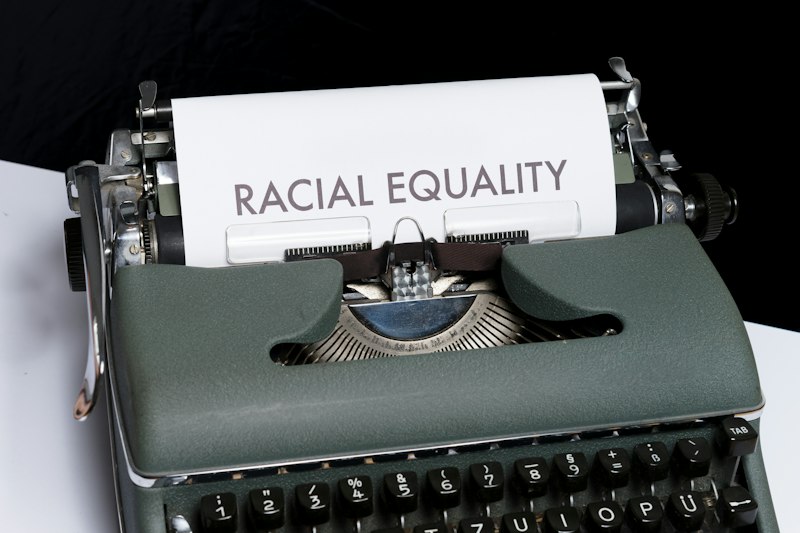
RACIAL AND ETHNIC DIFFERENCES: Definition, History, and Characteristics
Racial and ethnic differences represent fundamental distinctions between individuals or groups, primarily rooted in perceived physical attributes, shared ancestry, and common cultural heritage. Historically and contemporarily, these distinctions have served as powerful social markers, often forming the basis for social stratification, identity formation, and systemic inequality. While modern scientific consensus emphasizes that race is a social construct rather than a biological reality, its profound impact on psychological well-being, social outcomes, and access to resources remains undeniable. This extensive encyclopedia entry provides a comprehensive overview of the theoretical definitions, historical evolution, psychological implications, and persistent characteristics associated with racial and ethnic classifications, highlighting the complex ways these categories shape human experience.
Conceptualizing Race and Ethnicity: Definitional Clarity
The terms race and ethnicity are frequently conflated in everyday discourse, yet they possess distinct analytical meanings within the social sciences, especially psychology and sociology. Race traditionally refers to classifications based on perceived, often superficial, biological or physical characteristics, such as skin color, hair texture, and facial structure. Historically, these categories were wrongly assumed to reflect deep biological differences and inherent hierarchical status. However, genetic studies have overwhelmingly demonstrated that biological variation is continuous and that the vast majority of human genetic diversity exists within, not between, historically defined racial groups. Consequently, psychologists and sociologists treat race as a socio-political categorization system used to organize, control, and structure populations rather than an objective biological truth.
In contrast, ethnicity encompasses a broader, more deeply rooted sense of shared identity based on common ancestry, national origin, culture, religion, language, or heritage. Ethnic groups distinguish themselves by a collective sense of belonging, often marked by shared customs, traditions, and historical narratives that are passed down through generations. This shared historical experience and cultural background foster a strong sense of group cohesion and psychological identification. While race is often imposed externally by society based on visible physical traits, ethnicity is more often claimed internally by the group members themselves, emphasizing shared cultural practices and psychological bonds that transcend physical appearance.
The distinction between the two concepts is critical for psychological research. Studies focusing on race often address the impacts of racism, discrimination, and structural inequality—external forces that shape opportunities and experiences based on phenotype. These studies examine how institutional power structures utilize racial classification to restrict access or enforce disadvantage. Conversely, studies focusing on ethnicity tend to explore issues related to cultural maintenance, assimilation, acculturation stress, and the psychological benefits derived from a strong cultural identity. An individual may belong to a racial category while simultaneously identifying with multiple distinct ethnic groups (e.g., a person classified as “Black” may identify ethnically as Jamaican, Haitian, or African American), illustrating the complexity and fluidity of these intersecting identity constructs.
Operational definitions are vital in empirical studies investigating racial and ethnic differences. Researchers must be precise about which construct they are measuring, as applying findings about ethnic cultural differences to explain racial disparities in income or health can lead to erroneous conclusions rooted in biological determinism. Furthermore, the selection of appropriate comparison groups is crucial. For instance, comparing the mental health outcomes of recent immigrants (where ethnicity and acculturation are central factors) versus U.S.-born descendants of enslaved people (where the legacy of systemic racism is central) requires distinct theoretical frameworks and measurement tools, underscoring the need for methodological rigor in this sensitive area of research.
The Historical Construction of Race
The systematic application of racial differences to discriminate against and oppress certain groups is deeply rooted in global history, particularly in the formation of modern nation-states and colonial empires. The concept of fixed, discrete human races is a relatively modern invention, emerging prominently during the Age of Exploration and solidifying during the colonial period of the 17th and 18th centuries. This development coincided with the need to justify large-scale systems of forced labor and land dispossession. The systematic development of racial taxonomies provided a pseudo-scientific basis for classifying non-European populations as inherently inferior, establishing a hierarchy necessary for the perpetuation of slavery and imperial expansion.
In the context of the United States, the historical application of racial differences was codified through explicit legal mechanisms that enforced differential treatment. During the colonial era and extending through Reconstruction and the Jim Crow era, laws were systematically enacted to prevent non-White individuals—particularly enslaved Africans, Chinese immigrants, and indigenous peoples—from exercising fundamental rights, such as voting, owning property, or receiving equal protection under the law. These oppressive systems were designed not merely to differentiate groups but to permanently establish and maintain the social, political, and economic dominance of the White majority, institutionalizing racial categories as tools for economic exploitation and power maintenance.
Even after the dismantling of overtly discriminatory legislation, the legacy of historical racial inequality persists through structural mechanisms. Practices such as restrictive housing covenants, redlining (the denial of services, often financial, to residents of specific, racially determined areas), and unequal educational funding created intergenerational wealth gaps and concentrated poverty within minority communities. This structural history means that differences observed today in educational attainment, health outcomes, and economic security are often attributable to institutional barriers established centuries ago, rather than contemporary individual choices or inherent group traits. This recognition moves psychological analysis from focusing solely on individual prejudice to addressing systemic inequality.
Key Characteristics of Ethnic Groups
Ethnic groups are defined by a constellation of shared characteristics that foster a strong sense of internal solidarity and collective identity. Central among these are shared cultural and linguistic characteristics, such as language, unique dialects, or specific communication styles. Language serves as a powerful repository of cultural history and a marker of group membership, facilitating the transmission of complex cultural norms, values, and worldviews. Additionally, common religious beliefs, spiritual practices, and traditional rituals frequently bind ethnic communities together, providing a moral framework and shared meaning system that guides behavior and provides comfort in times of stress.
Cultural practices are highly salient characteristics of ethnic identity, encompassing specific dietary customs, traditional attire, music, art forms, and distinct ways of celebrating life cycle events. These practices are not static; they evolve as groups migrate and interact with new environments, leading to processes like acculturation. Acculturation involves the psychological and behavioral changes that occur when individuals from one culture encounter another culture. The mode of acculturation—whether integration (maintaining heritage culture while adopting the new culture), assimilation (adopting the new culture and abandoning the heritage culture), separation, or marginalization—profoundly impacts individual psychological adjustment and well-being.
A key psychological characteristic associated with ethnic groups is ethnic identity salience—the degree to which an individual views their ethnicity as a central, guiding part of their self-concept. Research consistently shows that a strong, positive ethnic identity can serve as a crucial protective factor against the negative impacts of discrimination and prejudice. By providing social support networks, fostering collective self-esteem, and offering a sense of historical continuity, strong ethnic identity acts as a buffer, enhancing psychological resilience. Conversely, navigating an environment that forces the suppression or rejection of one’s ethnic background can lead to identity conflict, alienation, and increased vulnerability to mental health disorders.
Psychological and Social Implications of Differences
Racial and ethnic differences profoundly influence psychological functioning and social interaction across various domains, particularly concerning identity development and mental health outcomes. Children and adolescents from marginalized groups must navigate the complexities of forming a positive self-identity within a society that may transmit negative stereotypes or messages of inferiority about their group. This process often involves managing stereotype threat—the apprehension experienced when an individual feels at risk of confirming a negative stereotype about their group—which can undermine performance in academic or professional settings despite actual ability.
The chronic exposure to prejudice and discrimination acts as a significant psychological stressor. The experience of racial microaggressions—brief and commonplace daily verbal, behavioral, or environmental indignities that communicate hostile, derogatory, or negative racial slights—contributes to chronic physiological and psychological stress. While individually subtle, the cumulative impact of these daily assaults is linked to increased rates of anxiety, depression, and stress-related physical health conditions, such as hypertension. The constant vigilance required to anticipate and navigate these threats places a heavy cognitive and emotional burden on marginalized individuals, a phenomenon often described as minority stress.
Furthermore, racial and ethnic differences powerfully shape intergroup relations, often leading to the formation and perpetuation of prejudice, stereotyping, and implicit bias. Stereotypes, which are rigid generalizations about groups, influence how individuals process information and make decisions about others, often unconsciously perpetuating discriminatory outcomes in critical arenas like hiring, education, and healthcare provision. Social psychological interventions aimed at reducing intergroup hostility emphasize the importance of the Contact Hypothesis, promoting sustained, cooperative interaction between members of different groups under conditions of equal status and shared goals, demonstrating that positive interaction can effectively modify biased attitudes and behaviors.
Discrimination and Systemic Inequality
The most pressing consequence of racial and ethnic categorization is the persistence of discrimination and pervasive systemic inequality. Discrimination refers to the unequal treatment of individuals based on their group membership, manifesting not only as interpersonal bias but also as institutional and structural disadvantages. Institutional discrimination is embedded in the policies and practices of social institutions—such as criminal justice systems, healthcare providers, and major corporations—which systematically disadvantage certain racial or ethnic groups, often regardless of the explicit intentions of the individuals operating within them.
Structural inequality ensures that racial and ethnic differences become powerfully correlated with disparities in resource availability, opportunity, and life outcomes. For instance, data consistently show significant racial gaps in educational achievement, not due to differences in innate ability, but largely due to disparities in school funding, teacher quality, and exposure to environmental toxins associated with neighborhood segregation—the direct result of historical housing discrimination. Similarly, racial disparities in health, including higher rates of chronic disease and lower life expectancy for certain groups, are heavily mediated by unequal access to insurance, culturally incompetent care, and high levels of chronic stress resulting from racism.
Addressing these deep-seated disparities requires a fundamental shift in focus from merely treating the symptoms of prejudice to confronting the structural mechanisms that maintain inequality. This involves critical examination of institutional policies for implicit bias and enacting remedial measures to ensure equitable access to resources, including high-quality mental health services and economic opportunities. Psychologists working in public health and community settings emphasize the importance of advocacy and policy change, alongside therapeutic interventions, to dismantle the structural barriers that disproportionately affect racial and ethnic minorities and inhibit their full participation in society.
Measurement and Ethical Study in Psychological Science
The rigorous study of racial and ethnic differences in psychology demands careful methodological and ethical consideration. Researchers must accurately operationalize race and ethnicity, often relying on self-identification measures while acknowledging the complexity and multi-dimensionality of these constructs. A persistent methodological challenge is recognizing the extreme heterogeneity within broad racial and ethnic categories; for example, aggregating data across all individuals labeled “Asian American” obscures vast cultural, linguistic, and historical differences between groups like Korean Americans, Vietnamese Americans, and Indian Americans, leading to potentially misleading or inaccurate conclusions.
Ethical guidelines mandate that research involving racial and ethnic minority groups must move beyond deficit-based models—which focus solely on identifying problems or deficiencies within the group—to incorporate strength-based perspectives. This approach emphasizes understanding and documenting the resilience, cultural assets, and coping mechanisms utilized by these communities to navigate adversity. Furthermore, studies must ensure cultural equivalence in psychometric tools, meaning that psychological measures (e.g., depression scales) function similarly and have the same meaning across different cultural and linguistic groups, preventing the imposition of dominant cultural norms onto minority populations.
The incorporation of mixed methods, combining quantitative analysis with qualitative methodologies such as in-depth interviews and ethnographic studies, is increasingly critical. Qualitative approaches capture the rich contextual data and nuanced lived experiences necessary to truly understand how discrimination is experienced and how cultural resilience is mobilized. By employing ethical, culturally sensitive, and multi-method approaches, psychological science aims to move beyond simply documenting differences toward developing culturally competent theories and interventions that genuinely serve the needs of diverse populations.
Contemporary Debates and Intersectionality
Contemporary psychological discourse on racial and ethnic differences is heavily informed by the framework of intersectionality, which recognizes that identity is not singular but compounded by multiple, interacting social categories such as gender, sexuality, class, and ability. Intersectionality, introduced by legal scholar Kimberlé Crenshaw, argues that the experience of discrimination for an individual holding multiple marginalized identities is unique and multiplicative, not simply additive. For example, the systemic barriers faced by a poor, queer, Indigenous woman cannot be understood by merely summing the disadvantages of each identity independently; rather, the interaction of these statuses creates a distinct matrix of oppression and privilege.
Globalization and increased migration have intensified debates around racial and ethnic identity, particularly concerning multiracial and multiethnic populations. These individuals often challenge traditional, rigid categorization systems, forcing a deeper understanding of identity fluidity and hybridity. Psychological research focuses on the processes of identity negotiation, exploring how multiracial individuals manage external pressures to “choose” a single identity, navigate potentially conflicting cultural expectations from different sides of their heritage, and construct a cohesive, integrated sense of self. This research highlights the limitations of monoracial frameworks in capturing the complexity of modern identity formation.
A significant shift in professional practice involves moving from the concept of cultural competence to cultural humility. While competence focuses on mastering a body of knowledge about different cultures, humility emphasizes a lifelong commitment to self-reflection, mitigating power imbalances in professional relationships, and learning from the client or patient about their unique cultural context and identity experiences. This evolution acknowledges that no practitioner can ever be fully “competent” in every culture but must instead approach diverse clients with openness, respect, and a willingness to acknowledge the profound impact of race and ethnicity on client well-being.
Conclusion
Racial and ethnic differences are distinctions based on physical characteristics and shared cultural heritage, distinctions that have historically been utilized to establish rigid social hierarchies and justify systemic oppression. While race is recognized as a fluid social construct devoid of fixed biological meaning, its societal impact is profound, shaping opportunities, influencing psychological well-being, and perpetuating inequalities across generations. Understanding the historical construction of these categories, the psychological mechanisms of prejudice and minority stress, and the dynamics of cultural identity is essential for addressing the persistent disparities observed in modern society. Moving forward, psychological science must continue to prioritize research and practice that promotes equity, challenges systemic bias, and fosters resilience across all racial and ethnic groups, striving toward a society where identity is a source of strength rather than disadvantage.
References
-
Bush, B. (2019). Racism in the United States: A history. ABC-CLIO.
-
Rouse, C. (2017). Race and ethnicity in the United States. Annual Review of Sociology, 43(1), 369–390. https://doi.org/10.1146/annurev-soc-060116-053340
-
U.S. Department of Justice. (2020). Racial discrimination. Retrieved from https://www.justice.gov/crt/racial-discrimination