Psychosomatics: How Your Kidneys Store Hidden Stress
Scientifically Reviewed · Dr. Marwa Abd-Alazim · September 11, 2026
Review Criteria & Clinical Standards
This content undergoes rigorous scientific peer-review and medical editorial standards at Arab Psychology Network to ensure clinical accuracy, validity, and compliance with evidence-based guidelines from leading psychological and healthcare authorities (APA / WHO).
Definition and Scope of the Renal System
The renal system, often synonymously referred to as the urinary system, encompasses the specialized structures within the body dedicated to the crucial tasks of filtration, regulation, and excretion. This complex biological apparatus centers around the paired organs, the kidneys, along with their attendant structures designed to collect, transport, store, and ultimately eliminate waste products from the bloodstream. Fundamentally, the renal system is a master regulator of internal homeostasis, meticulously managing the body’s fluid volume, electrolyte concentrations, and acid-base balance, functions that are absolutely vital for maintaining cellular integrity and overall physiological stability. The original warning, “Renal system failure is deadly,” underscores the non-negotiable role these systems play in sustaining life, as disruptions lead rapidly to toxic accumulation and systemic collapse.
Beyond simple waste disposal, the renal system acts as a sophisticated endocrine gland, producing and activating several key hormones that influence blood pressure regulation, red blood cell production, and bone health. Its operations are finely tuned through intricate neurovascular and humoral controls, integrating signals from the nervous system and circulatory system to adjust filtration rates and reabsorption kinetics based on moment-to-moment physiological needs. Understanding the renal system requires appreciating not only the macroscopic anatomy—the kidneys, ureters, bladder, and urethra—but also the microscopic and cellular mechanisms occurring within the millions of functional units known as nephrons, where the true work of plasma processing takes place. This comprehensive regulatory capacity demonstrates why renal health is inextricably linked to the functioning of nearly every other organ system, including the cardiovascular, hematological, and, critically, the central nervous system.
The integration of the renal system with the circulatory system is particularly critical; the kidneys receive a disproportionately large percentage of the total cardiac output (approximately 20–25 percent) to ensure that the entire plasma volume can be filtered multiple times per day. This high volume of blood flow is necessary for the constant surveillance and adjustment of blood composition. The structures also include extensive renal nerve and blood supplies, comprised of the renal artery, which delivers unfiltered blood, and the renal vein, which carries purified blood back into circulation. Furthermore, autonomic nerves modulate blood flow to the renal cortex and medulla, influencing the release of hormones like renin and adjusting glomerular filtration pressure, demonstrating a constant, dynamic interplay between the nervous system and excretory function.
Anatomical Components of the Urinary Tract
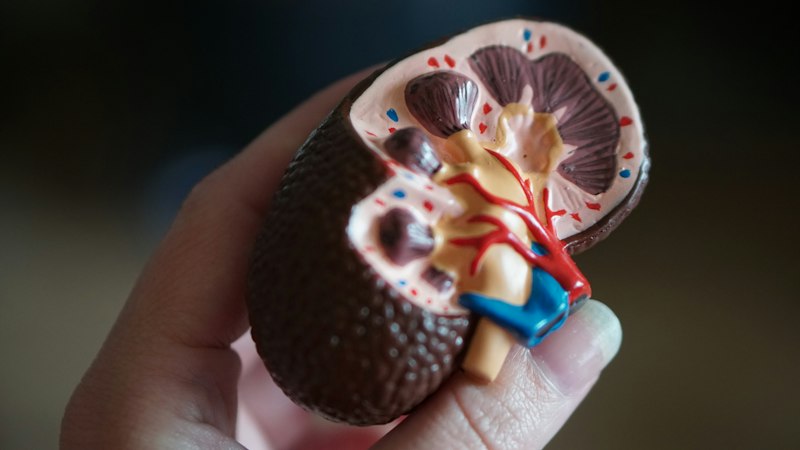
The major anatomical components of the renal system form a continuous pathway designed for the production, transport, storage, and voiding of urine. The kidneys themselves are retroperitoneal organs, typically situated high in the abdominal cavity, protected partially by the lower ribs. Each kidney is characterized by a distinct internal structure, divided into the renal cortex (the outer layer where filtration begins), the renal medulla (containing the pyramids and loops of Henle), and the renal pelvis (the central collecting area). This highly organized structure facilitates the complex processes of ultrafiltration, selective reabsorption, and targeted secretion necessary for creating a final urine product that efficiently removes metabolic wastes, particularly urea and creatinine, without excessive loss of vital nutrients or water.
Once urine is formed within the kidneys, it is channeled into the ureters, which are long, narrow tubes designed primarily for transport. These muscular tubes employ peristaltic contractions, similar to those found in the digestive tract, to actively propel urine down to the urinary bladder, ensuring that gravity alone is not relied upon for movement. This active transport mechanism is essential for preventing reflux and protecting the delicate renal tissues from potential infection or hydrostatic pressure buildup. The ureters insert into the posterior wall of the bladder via oblique openings, which function as physiological valves, sealing off the entrance when the bladder pressure rises during filling, thereby preventing the backflow of urine that could lead to pyelonephritis (kidney infection).
The urinary bladder serves as a temporary, distensible reservoir for urine storage. Its walls are composed of the detrusor muscle, a smooth muscle layer capable of significant expansion to accommodate varying volumes of fluid, thereby allowing for voluntary control over the timing of urination. The capacity of the bladder varies significantly, but its stretch receptors signal the need to void when a certain threshold is reached, initiating the micturition reflex. The final component, the urethra, is the tube through which urine exits the body. Its function is regulated by two sets of sphincter muscles—the internal involuntary sphincter and the external voluntary sphincter—which ensure continence and allow for controlled elimination, thus linking basic physiological function directly to conscious behavioral control.
The Functional Unit: Filtration and Reabsorption
The fundamental work of the renal system is performed by the nephron, the microscopic functional unit, of which each kidney contains over a million. The nephron begins with the renal corpuscle, consisting of the glomerulus, a dense capillary network, enclosed within the Bowman’s capsule. This is the site of glomerular filtration, where high hydrostatic pressure forces water and small solutes (including salts, glucose, and waste products) out of the blood plasma and into the capsule space, forming what is known as the glomerular filtrate. The filtration barrier is highly selective, preventing the passage of large molecules such as proteins and blood cells, ensuring that these essential components are retained in the systemic circulation.
Following filtration, the filtrate enters the long, convoluted renal tubules, where the crucial processes of reabsorption and secretion occur. Reabsorption is the selective retrieval of beneficial substances back into the bloodstream. In the proximal convoluted tubule (PCT), the bulk of essential nutrients—including nearly 100 percent of glucose and amino acids, and about 65 percent of water and sodium—are actively transported out of the filtrate. This immense reabsorptive capacity is fueled by large numbers of mitochondria in the PCT cells, highlighting the energy-intensive nature of maintaining homeostasis. This selective process ensures that while waste is concentrated, vital resources are conserved.
The filtrate then passes through the Loop of Henle, a structure critical for establishing the osmotic gradient in the renal medulla. The descending limb is highly permeable to water, allowing it to move out into the hyperosmotic interstitium, while the ascending limb actively pumps out solutes (primarily sodium and chloride) but is impermeable to water. This countercurrent multiplier mechanism creates the necessary concentration gradient that allows the kidney, under hormonal control, to produce either a dilute or highly concentrated urine, depending on the body’s hydration status. Finally, the distal convoluted tubule (DCT) and the collecting duct perform final, highly regulated adjustments to the fluid composition, primarily influenced by hormones such as Antidiuretic Hormone (ADH) and aldosterone.
Maintaining Physiological Equilibrium
One of the most profound functions of the renal system is its unparalleled role in maintaining fluid and electrolyte homeostasis. The precise balance of water and dissolved ions (electrolytes) is critical for nerve impulse transmission, muscle contraction, and enzyme function. The kidneys constantly monitor the effective circulating volume and plasma osmolality, adjusting water excretion or retention accordingly. If the body is dehydrated, the pituitary gland releases ADH, which increases the permeability of the collecting ducts, allowing more water to be reabsorbed, resulting in a small volume of concentrated urine. Conversely, if excess fluid is present, ADH release is inhibited, leading to copious, dilute urine production, demonstrating remarkable physiological adaptability.
The kidneys are also the primary regulators of the body’s acid-base balance, working in concert with the respiratory system to maintain the blood pH within the narrow, life-sustaining range of 7.35 to 7.45. Metabolic pH disturbances are corrected by renal mechanisms that involve either the reabsorption of bicarbonate ions (a crucial buffer) or the secretion of hydrogen ions (acid) into the urine. In conditions of acidosis, the renal tubules dramatically increase the secretion of hydrogen ions and generate new bicarbonate, effectively buffering the excess acid circulating in the plasma. This slow but powerful regulatory mechanism provides the long-term, stable control necessary to protect sensitive cellular processes from denaturation.
Electrolyte balance is meticulously controlled, focusing particularly on sodium, potassium, and calcium. Sodium (Na+) regulation is central to fluid volume control, as water follows sodium osmotically; aldosterone, released from the adrenal cortex, acts on the distal tubules and collecting ducts to increase sodium reabsorption. Potassium (K+) balance is equally vital, given its role in cardiac rhythm; the kidneys are the main route for potassium excretion, and disturbances in renal function often lead to dangerous hyperkalemia. Furthermore, the kidney plays an indirect but essential role in calcium homeostasis by activating Vitamin D, converting the inactive form into the potent hormone calcitriol, which is necessary for calcium absorption in the gut and subsequent incorporation into bone.
Endocrine Functions of the Kidneys
While traditionally viewed as an excretory organ, the kidney functions extensively as an endocrine organ, synthesizing and releasing several hormones that regulate systemic physiology far beyond the urinary tract. The most well-known of these regulatory mechanisms is the Renin-Angiotensin-Aldosterone System (RAAS), which is arguably the most important long-term regulator of arterial blood pressure. When the juxtaglomerular apparatus detects low blood pressure or reduced sodium delivery to the distal tubule, specialized cells release the enzyme renin. Renin initiates a cascade that ultimately leads to the production of Angiotensin II, a potent vasoconstrictor, and the stimulation of aldosterone release, which promotes sodium and water retention. This mechanism acts to powerfully restore circulating volume and systemic blood pressure.
Another critical hormone produced by the renal cortex is Erythropoietin (EPO). This glycoprotein hormone is released in response to tissue hypoxia (low oxygen levels). EPO stimulates the bone marrow to increase the production of red blood cells (erythrocytes). This feedback loop ensures that the body can adapt to reduced oxygen availability, whether due to high altitude, hemorrhage, or chronic illness. Chronic kidney disease frequently results in diminished EPO production, leading directly to renal anemia, which requires therapeutic intervention to maintain adequate oxygen-carrying capacity and prevent associated fatigue and cardiac strain.
In addition to RAAS components and EPO, the kidneys are integral to the metabolism of Vitamin D. As mentioned previously, the final and most active form of Vitamin D, calcitriol (1,25-dihydroxycholecalciferol), is synthesized exclusively in the renal tubules under the influence of parathyroid hormone (PTH). Calcitriol is essential for maintaining serum calcium and phosphate levels by promoting absorption from the gastrointestinal tract and regulating bone turnover. Impairment of this activation process in renal failure significantly contributes to metabolic bone disease, underscoring the kidney’s pervasive influence on musculoskeletal health.
Major Renal System Disorders
Disruption of the delicate balance maintained by the renal system results in a wide array of pathological conditions, ranging from acute, reversible injuries to severe, chronic diseases that necessitate life support. Acute Kidney Injury (AKI) refers to a sudden, rapid decline in renal function, often reversible, caused by factors such as severe dehydration, sepsis, or toxic drug exposure. AKI leads to the rapid buildup of nitrogenous wastes (azotemia) and severe electrolyte imbalances, potentially requiring immediate temporary dialysis to stabilize the patient. The underlying cause must be swiftly identified and corrected to prevent progression to permanent damage.
In contrast, Chronic Kidney Disease (CKD) involves the progressive, irreversible loss of nephron function over months or years. CKD is typically staged based on the estimated glomerular filtration rate (eGFR). Common root causes include long-standing hypertension and diabetes mellitus, both of which severely damage the glomerular capillaries over time. As CKD advances, patients experience uremia—a toxic state resulting from the systemic retention of urea and other metabolic wastes—and eventually progress to End-Stage Renal Disease (ESRD), where renal function is insufficient to sustain life without external support, validating the gravity implied by the original statement regarding failure.
Other common renal pathologies include nephrolithiasis (kidney stones), which are hard masses formed from minerals and salts that can cause excruciating pain and urinary tract obstruction; urinary tract infections (UTIs), which are typically bacterial and can ascend from the bladder to the kidneys (pyelonephritis); and various forms of glomerulonephritis, which are inflammatory conditions primarily affecting the filtration membranes, often having autoimmune or post-infectious etiologies. The management of these disorders requires precise diagnosis and targeted therapies to preserve residual renal function and manage systemic complications such as fluid overload and metabolic derangements.
Interplay with Mental and Cognitive Health
The psychological impact of renal system dysfunction, particularly chronic failure, is profound and often overlooked in general physiological discussions. When the kidneys fail to adequately filter wastes, the resulting accumulation of toxins, a state known as uremia, directly affects the central nervous system, leading to a condition called uremic encephalopathy. Symptoms range from subtle cognitive deficits, poor concentration, and memory problems to severe disorientation, seizures, and ultimately, coma. This neurocognitive impairment underscores the dependency of brain function on a clean, stable internal environment maintained by the kidneys.
Furthermore, patients undergoing treatment for ESRD face immense psychological distress. The necessity of dialysis—a life-sustaining but highly restrictive therapy requiring multiple weekly commitments—imposes significant lifestyle burdens, often leading to high rates of anxiety and clinical depression. The loss of bodily independence, the constant threat of complications, dietary and fluid restrictions, and the profound fatigue associated with renal anemia all contribute to a diminished quality of life. Psychological support, including counseling and psychiatric intervention, is therefore a mandatory component of comprehensive renal care, addressing the psychosocial consequences of chronic illness.
There is also a complex psychosomatic dimension related to the urinary tract. Issues such as functional incontinence or chronic pelvic pain syndromes, while often having physiological triggers, are significantly exacerbated by psychological stress, anxiety, and learned behaviors. The voluntary control over the external sphincter, linking elimination directly to conscious choice, embeds the urinary system within the realm of psychological development and control (e.g., toilet training). In adult life, the loss of this control, whether due to neurological or muscular failure, carries a significant stigma and psychological burden, highlighting the intimate connection between renal function, bodily autonomy, and mental well-being.
Diagnostic and Therapeutic Approaches
Assessment of renal function relies on a suite of standardized diagnostic procedures that measure the effectiveness of filtration and the integrity of the urinary structures. The primary method involves measuring the blood concentration of waste products that are normally filtered, particularly creatinine and Blood Urea Nitrogen (BUN). These values are used to calculate the Glomerular Filtration Rate (GFR), which provides the most accurate estimate of remaining kidney function. A persistent decline in GFR is the hallmark of progressive CKD.
Other essential diagnostic tools include urinalysis, which screens for abnormal components such as protein (proteinuria), blood (hematuria), glucose, or the presence of casts or crystals, providing clues about the location and type of renal damage. Imaging studies, such as renal ultrasound, CT scans, and MRI, are used to assess the anatomy of the kidneys and urinary tract, identifying obstructions (like stones), tumors, or signs of chronic damage (such as shrunken kidneys). In complex cases, a renal biopsy may be performed to obtain tissue samples for microscopic examination, allowing for precise classification of the underlying disease process, such as specific types of glomerulonephritis.
Therapeutic interventions for renal disease focus on preserving existing function and replacing lost function. For early stages of CKD, management centers on strict control of contributing factors—blood pressure and blood glucose—often using medications like ACE inhibitors or ARBs, which protect the glomeruli. Dietary modification, particularly restricting protein, sodium, and potassium intake, is also crucial. When ESRD is reached, life is sustained through renal replacement therapy.
- Hemodialysis: This process uses an external machine to filter the patient’s blood, typically three times per week, removing wastes and excess fluid.
- Peritoneal Dialysis: This method uses the patient’s own peritoneal membrane as the filter, with dialysate fluid exchanged in the abdominal cavity multiple times daily.
- Kidney Transplantation: This is the preferred treatment for ESRD, offering the best long-term outcomes and quality of life by replacing the failed organ with a healthy donor kidney.