Retrograde Degeneration: Why Neurons Decay Backwards
Scientifically Reviewed · Dr. Marwa Abd-Alazim · September 29, 2026
Review Criteria & Clinical Standards
This content undergoes rigorous scientific peer-review and medical editorial standards at Arab Psychology Network to ensure clinical accuracy, validity, and compliance with evidence-based guidelines from leading psychological and healthcare authorities (APA / WHO).
Understanding the Fundamental Nature of Retrograde Degeneration
Retrograde degeneration represents a critical pathological process within the central nervous system (CNS) where the destruction of a neuron occurs following damage to its axon. Unlike other forms of neuronal decay, this specific phenomenon involves the progressive deterioration of the nerve cell body, or soma, moving backward from the site of the axonal injury. In the complex architecture of the brain and spinal cord, neurons rely on a delicate balance of internal transport and external signaling to maintain homeostasis. When an injury occurs, particularly one that severs or severely compromises the proximal portion of the axon, the neuron may lose its ability to sustain its metabolic requirements, leading to a systematic breakdown of cellular components. This process is not merely a passive result of injury but is often an active, programmed response to the loss of connectivity and trophic support.
The study of retrograde degeneration is essential for understanding how the central nervous system responds to trauma, stroke, and chronic neurodegenerative diseases. Historically, neuroscientists have utilized this phenomenon to map neuronal pathways, as the death of a cell body following a specific axonal lesion allows researchers to trace the origins of various nerve fibers. In contemporary medicine, however, the focus has shifted toward the molecular triggers that initiate this “dying-back” process. The significance of this phenomenon lies in its permanence; once the soma of a neuron undergoes complete degeneration, the cell is typically lost forever, as the CNS possesses limited regenerative capacity. This lack of resilience highlights the profound impact that retrograde processes have on long-term neurological health and functional recovery.
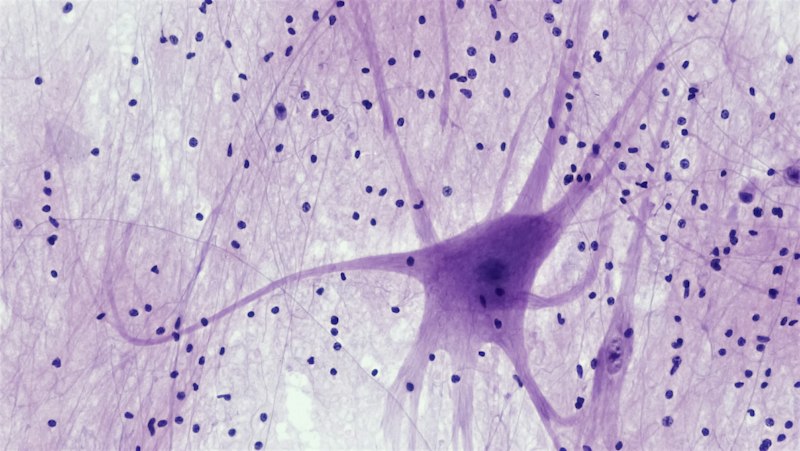
A defining feature of retrograde degeneration is its impact on the proximal axon—the segment of the nerve fiber closest to the cell body. When this portion of the neuron is damaged, the signal for survival, which often travels from the synaptic terminal back to the nucleus, is interrupted. This disruption triggers a series of morphological changes known as chromatolysis, where the Nissl bodies (rough endoplasmic reticulum) disperse and the nucleus shifts to an eccentric position within the cell. These structural alterations signify a shift in the cell’s priority from neurotransmission to attempted repair, though in many cases, this metabolic shift fails to prevent eventual cell death. Understanding these early cellular markers is vital for developing diagnostic criteria that can identify neuronal distress before the damage becomes irreversible.
The scope of retrograde degeneration extends beyond physical trauma to include various metabolic and ischemic insults. Whether the primary cause is a mechanical severing of the axon or a chemical disruption of cellular pathways, the end result is a significant reduction in the integrity of neural circuits. Because neurons are the primary units of communication in the brain, the loss of even a small population of cells through retrograde processes can have cascading effects on the surrounding network. This interconnectedness means that degeneration is rarely an isolated event; rather, it is a catalyst for broader systemic decline within the affected region of the CNS. Consequently, the study of this phenomenon is a cornerstone of neuropathology and clinical neurology.
Comparative Analysis: Retrograde versus Anterograde Degeneration
To fully grasp the mechanics of retrograde degeneration, it is necessary to contrast it with anterograde degeneration, also frequently referred to as Wallerian degeneration. While both processes involve the breakdown of neuronal structures following injury, they differ fundamentally in directionality and biological progression. Anterograde degeneration occurs when the distal portion of the axon—the part separated from the cell body—undergoes rapid fragmentation and clearance by glial cells. In this scenario, the cell body may survive if the injury is sufficiently distant or if the neuron receives enough trophic support from other sources. In contrast, retrograde degeneration strikes at the heart of the neuron, targeting the soma itself, which often results in the absolute death of the entire cellular unit.
The distinction between these two processes is governed by the location of the lesion and the intrinsic properties of the neuron involved. In anterograde degeneration, the primary issue is the loss of the metabolic “supply line” from the soma to the synapse, leading to the disintegration of the distal fiber. However, in retrograde degeneration, the injury sends a “death signal” or a “lack-of-survival signal” back to the cell body. This difference is crucial for clinicians when assessing the prognosis of a patient with a spinal cord injury or a traumatic brain injury. If the pathology is primarily anterograde, there may be a window for axonal regrowth if the soma remains intact. If the pathology is retrograde, the window for intervention is much narrower, as the survival of the master regulatory center of the cell is at stake.
Furthermore, the temporal progression of these two types of axonal pathology varies significantly. Wallerian degeneration typically begins within hours of injury, with the physical breakdown of the myelin sheath and the internal cytoskeleton. Retrograde degeneration, however, can be a more prolonged process, sometimes taking weeks or even months to culminate in the death of the neuron. This slower pace provides a theoretical opportunity for therapeutic intervention, though the complexity of the CNS environment often makes such interventions difficult. The interplay between these two forms of degeneration often dictates the severity of a neurological condition, as many injuries involve a combination of both proximal and distal axonal damage.
Cellular Mechanisms and the Disruption of Axonal Transport
The primary driver of retrograde degeneration is believed to be the catastrophic failure of axonal transport. Neurons are uniquely shaped cells with long projections that require a sophisticated internal delivery system to move proteins, lipids, and organelles across vast distances. This transport system relies on motor proteins—specifically kinesins for transport away from the cell body and dyneins for transport toward the cell body—moving along a track of microtubules. When an axon is damaged, this “highway” is blocked, leading to a massive “traffic jam” of cellular materials. This congestion prevents essential nutrients from reaching the distal ends and, more importantly, prevents critical signaling molecules from returning to the soma to report on the health of the synapse.
The consequences of disrupted axonal transport are multifaceted and highly toxic to the cell. Below are the primary ways this disruption leads to degeneration:
- Accumulation of Toxic Metabolites: When transport stalls, metabolic waste products that would normally be recycled or expelled begin to build up within the axon, leading to localized toxicity.
- Organelle Dysfunction: Mitochondria, the energy producers of the cell, must be constantly circulated and repaired. Stalled transport leads to energy depletion and the release of pro-apoptotic factors.
- Loss of Retrograde Signaling: The cell body requires constant feedback from the target tissue in the form of neurotrophins. Without this feedback, the soma “assumes” it is no longer connected and initiates a self-destruct sequence.
- Cytoskeletal Collapse: The breakdown of the microtubule network further destabilizes the neuron, leading to physical fragmentation.
Current research indicates that the disruption of axonal transport is not just a symptom of degeneration but a primary cause in many neurodegenerative diseases, such as Amyotrophic Lateral Sclerosis (ALS) and Alzheimer’s disease. In these conditions, the transport machinery becomes “clogged” with misfolded proteins, which mirrors the effects of a physical injury to the axon. This suggests that retrograde degeneration is a common pathway for neuronal death across a wide variety of pathologies. By focusing on the preservation of the axonal transport system, scientists hope to develop treatments that can halt the progression of these devastating illnesses at an early stage.
The Pathophysiological Role of Trophic Factor Deprivation
A critical component in the survival of a neuron is the constant supply of trophic factors, which are specialized proteins that promote cell growth and maintenance. These factors are typically produced by the target cells (such as muscle fibers or other neurons) that the axon innervates. Under normal conditions, these factors are internalized at the synapse and transported back to the soma via retrograde transport. In the event of retrograde degeneration, the physical or functional disconnection of the axon results in trophic factor deprivation. Without these “survival signals,” the neuron’s internal chemistry shifts toward a state of apoptosis, or programmed cell death.
The deprivation of these signals triggers a cascade of intracellular events that lead to the degradation of the cell’s genetic material and structural integrity. The nucleus, deprived of the necessary transcription factors that are usually delivered from the periphery, ceases the production of proteins required for neurotransmission and maintenance. Instead, it begins to express “suicide genes” that activate caspases—enzymes that systematically dismantle the cell from the inside out. This molecular transition is a hallmark of retrograde degeneration and explains why the process is so difficult to reverse once it has reached a certain threshold. The cell essentially decides that it is no longer functional and initiates its own removal to prevent further damage to the surrounding tissue.
Research into neurosciences has focused heavily on the potential for exogenous trophic factors to prevent retrograde degeneration. By artificially supplying the cell body with the signals it is missing, researchers have successfully managed to delay or even prevent neuronal death in experimental models. However, the challenge remains in delivering these large proteins across the blood-brain barrier and ensuring they reach the specific populations of neurons that are at risk. Despite these hurdles, the study of trophic support remains one of the most promising avenues for treating injuries that would otherwise lead to permanent degeneration and loss of function.
Neuroinflammatory Cascades and Oxidative Stress
In addition to internal transport failures, retrograde degeneration is heavily influenced by the surrounding environment of the central nervous system. When a neuron is injured, it releases signaling molecules that activate the brain’s immune cells, known as microglia and astrocytes. While this inflammation is initially intended to clear debris and protect the site of injury, a prolonged inflammatory response can become “neurotoxic.” Activated microglia release pro-inflammatory cytokines and reactive oxygen species (ROS), which can further damage the already compromised neuron. This creates a vicious cycle where the process of degeneration itself triggers more inflammation, which in turn accelerates the death of the neuron.
Oxidative stress is a major byproduct of this inflammatory environment and plays a significant role in the progression of retrograde degeneration. The accumulation of ROS leads to lipid peroxidation, protein oxidation, and DNA damage within the neuron. Because neurons have high metabolic demands and relatively low levels of antioxidant defenses, they are particularly vulnerable to this form of chemical attack. The mitochondria, already struggling due to transport issues, are further damaged by oxidative stress, leading to a complete collapse of the cell’s energy production. This metabolic failure is often the final blow that ensures the neuron cannot recover from the initial axonal pathology.
The involvement of inflammation and oxidative stress highlights the importance of a holistic approach to treating neurological injuries. It is not enough to simply try and repair the damaged axon; clinicians must also address the “toxic environment” that surrounds the injured cell. By using anti-inflammatory agents and antioxidants, it may be possible to dampen the secondary damage that occurs during retrograde degeneration. Current clinical trials are investigating various compounds that can stabilize the microenvironment of the CNS, providing a more favorable setting for neuronal survival and potential regeneration.
Clinical Implications and Neurological Impact
The clinical manifestations of retrograde degeneration are diverse and depend largely on the specific pathways and regions of the CNS that are affected. Because the process leads to the permanent loss of neurons, the resulting deficits are often chronic and difficult to manage. One of the most common implications is the development of motor deficits. If the motor neurons in the spinal cord or brain undergo degeneration, the patient may experience muscle weakness, atrophy, and loss of coordination. These symptoms are frequently seen in conditions where the long axons of the corticospinal tract are damaged, leading to the retrograde death of the upper motor neurons in the cerebral cortex.
Beyond motor function, retrograde degeneration has profound effects on cognitive impairment and memory loss. In the brain, interconnected networks are responsible for complex tasks such as learning and executive function. When neurons in the hippocampus or prefrontal cortex die back following an injury or disease, the communication within these networks is severed. This leads to a decrease in the “synaptic density” of the brain, which is a major predictor of cognitive decline. Patients may struggle to form new memories, process information slowly, or experience changes in personality and behavior, all of which are direct results of the loss of neuronal population through retrograde processes.
The broader impact of these neurological deficits includes a significant reduction in the quality of life and an increased burden on healthcare systems. The implications of retrograde degeneration are seen in several common neurological scenarios:
- Stroke: Ischemic events often sever axonal connections, leading to the retrograde death of neurons in the peri-infarct zone.
- Traumatic Brain Injury (TBI): The shearing forces of a TBI can cause widespread axonal damage, triggering massive retrograde responses.
- Glaucoma: Damage to the retinal ganglion cell axons at the optic nerve head leads to the retrograde death of the cell bodies in the retina.
- Neurodegenerative Diseases: Chronic conditions like Parkinson’s and Alzheimer’s involve the gradual “dying-back” of neurons as a primary pathological feature.
Diagnostic Approaches in Modern Neuroscience
Identifying retrograde degeneration in a clinical or research setting requires a combination of advanced imaging and histological techniques. In the past, the diagnosis was largely post-mortem, involving the staining of brain tissue to look for the characteristic signs of chromatolysis and cell loss. Modern neurosciences, however, have developed non-invasive tools that allow for the observation of these processes in living subjects. Magnetic Resonance Imaging (MRI), particularly Diffusion Tensor Imaging (DTI), allows clinicians to visualize the integrity of axonal tracts. A loss of integrity in a specific tract, followed by the shrinking of the associated gray matter area, is a strong indicator that retrograde degeneration is occurring.
Positron Emission Tomography (PET) scans are also used to monitor the metabolic health of neurons. Since degeneration involves a significant decrease in glucose metabolism and oxygen consumption, PET can identify “hypometabolic” regions that correspond to dying cell populations. These imaging modalities are often used in conjunction with electrophysiological tests, which measure the speed and strength of electrical signals as they travel through the CNS. A slowing of signal conduction or a decrease in signal amplitude can provide early warning signs of axonal pathology before structural changes become visible on a standard scan.
In research laboratories, fluorescent tracing is the gold standard for studying the mechanisms of retrograde decay. By injecting specialized dyes into the terminal ends of axons, researchers can track the movement of these dyes back to the cell body. If the dye fails to reach the soma, or if the soma fails to take up the dye, it confirms a failure in the axonal transport system. These techniques have been instrumental in identifying the molecular pathways involved in degeneration and are currently being used to test the efficacy of new drugs designed to protect neurons from the effects of injury and disease.
Therapeutic Interventions and Neuroprotective Strategies
The ultimate goal of studying retrograde degeneration is the development of effective treatments that can halt or reverse the process. Currently, there is no “cure” for neuronal loss once it has reached the stage of apoptosis, but several therapeutic implications are being explored. One of the most promising areas is neuroprotection, which involves the use of pharmacological agents to stabilize the neuron and prevent the initiation of the death cascade. This includes the use of calcium channel blockers to prevent excitotoxicity, as well as the administration of antioxidants to combat oxidative stress.
Another area of intense focus is the enhancement of axonal transport. By using small molecules that stabilize microtubules or “boost” the activity of motor proteins, researchers hope to keep the cellular supply lines open even in the face of injury. Furthermore, gene therapy is being investigated as a way to deliver survival-promoting genes directly to the affected neurons. By introducing viral vectors that carry the code for trophic factors, scientists can turn the neuron’s own machinery back on, potentially overriding the “death signals” that are triggered by axonal pathology. This approach represents the cutting edge of regenerative medicine and offers hope for conditions that were previously considered untreatable.
Rehabilitation also plays a vital role in managing the effects of retrograde degeneration. While physical therapy cannot bring back dead neurons, it can promote “neuroplasticity”—the ability of the remaining neurons to form new connections and compensate for the lost ones. By engaging in repetitive, goal-oriented tasks, patients can strengthen surviving circuits and regain some degree of function. This functional recovery is often the most important outcome for patients suffering from the neurological deficits associated with CNS injury. Combined with emerging medical treatments, a comprehensive approach to care offers the best chance for mitigating the long-term impact of degeneration.
Future Frontiers in Neurodegenerative Research
As our understanding of the molecular underpinnings of retrograde degeneration grows, so does the potential for revolutionary new treatments. Future research is likely to focus on the “interactome” of the neuron—the complex web of protein-protein interactions that govern cell survival. By mapping these interactions, scientists can identify specific “nodes” that, if manipulated, could prevent the soma from reacting negatively to axonal damage. Additionally, the role of non-neuronal cells, such as the gut microbiome and the systemic immune system, is being recognized as a factor that can influence the rate of degeneration in the brain.
The development of “smart” drug delivery systems, such as nanoparticles that can cross the blood-brain barrier and target specific cell types, will also be a major area of growth. These systems could deliver a cocktail of anti-inflammatory, antioxidant, and trophic agents directly to the site of axonal pathology, minimizing side effects and maximizing efficacy. Furthermore, the use of stem cell therapy to replace lost neurons is an ongoing area of investigation. While the integration of new neurons into existing CNS circuits is incredibly challenging, it remains the “holy grail” of neuroscience and a primary target for future clinical applications.
In conclusion, retrograde degeneration is a complex and devastating phenomenon that lies at the heart of many CNS disorders. While the process is characterized by a “dying-back” of neurons in response to injury or disease, it is driven by a multitude of factors including axonal transport failure, trophic factor deprivation, inflammation, and oxidative stress. The implications for patients are significant, often involving permanent neurological deficits. However, through continued research and the development of innovative diagnostic and therapeutic strategies, there is hope that we can one day prevent or even reverse the damage caused by this relentless process.
References
- Ahmed, Z., & Khan, A. (2014). Retrograde degeneration: An overview. Neurology Research International, 2014, 1-7.
- Möbius, W., & Schwab, M. E. (2006). Axonal transport and its disruption in neurodegenerative diseases. Nature Reviews Neuroscience, 7(4), 311-321.
- Shimomura, Y., & Higuchi, Y. (2015). Inflammation in axonal degeneration: Mechanisms and therapeutic implications. The Journal of Neuroscience, 35(2), 567-577.